

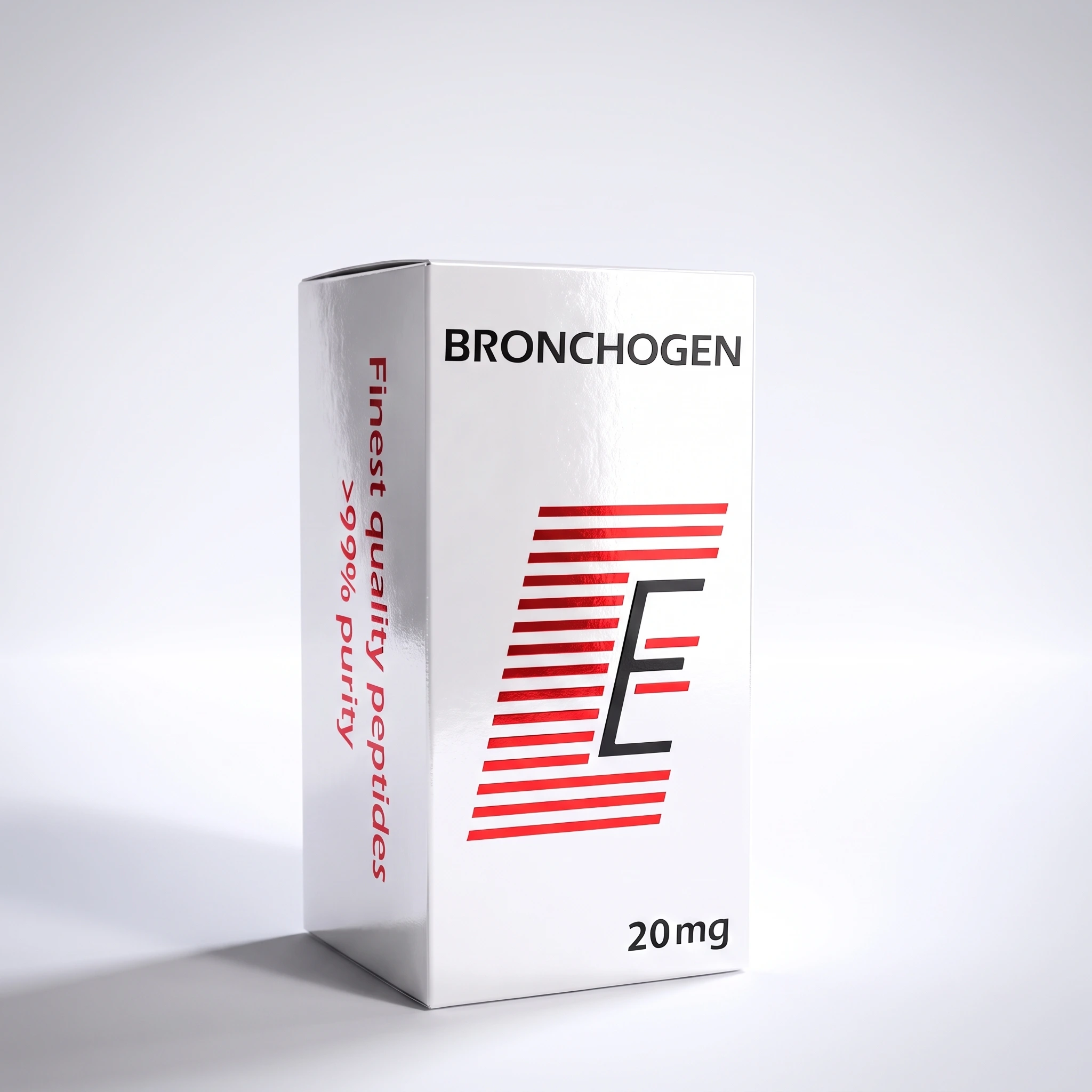
Bronchogen
Bronchogen
47,99 €
Free delivery on orders over €350. Fast delivery.



Black Week
20% off everything with code BLACK
Click and the code is added to your cart.
Until Monday 30 Nov, 23:59 (Polish time).
Black Friday
20% off everything with code BLACK
Click and the code is added to your cart.
Until Monday 30 Nov, 23:59 (Polish time).
Last day
20% off everything with code BLACK
The code works until 23:59 today (Polish time).
Other categories
4 products

Black Week
Sign up for the newsletter and get access to the Black Week promotion before other customers.
By signing up you agree to receive the Pro-Body newsletter with news and promotions. You can unsubscribe at any time with one click in the e-mail. Privacy policy
Three of the four compounds in this area are known mainly from metabolic research. GW-0742, GW-501516 and SR-9009 are small molecules that act on nuclear receptors controlling fat metabolism, the circadian rhythm and the inflammatory response, including in lung tissue. The fourth, Bronchogen, comes from a different tradition: it is a short peptide from the family of bioregulators described by the school of Vladimir Khavinson.
The data on which this area is based come from preclinical models: cultures of bronchial and pulmonary vascular cells, isolated rat lungs, and animal models of pulmonary hypertension and fibrosis. Such results describe a compound’s activity in a model and do not allow an effect in humans to be predicted.
Bronchogen is a tetrapeptide with the sequence Ala-Asp-Glu-Leu, one of the tissue-specific bioregulators of the Khavinson school. That school’s hypothesis holds that short peptides interact directly with DNA and change gene expression in a specific tissue. In a microcalorimetry study, Bronchogen raised the melting temperature of DNA, which the authors described as stabilisation of the double helix (Monaselidze et al., 2011). The literature on bioregulators comes mainly from a single research circle and from Russian-language journals, and independent replications are few.
GW-0742 is a selective PPARβ/δ receptor agonist. In a rat model of hypoxia-induced pulmonary hypertension, GW-0742 given for three weeks reduced right ventricular hypertrophy and right ventricular systolic pressure but had no effect on pulmonary vascular remodelling. The same study showed that the vasodilation induced by GW-0742 did not depend on the PPARβ/δ receptor, and in aortic tissue the authors linked it to inhibition of RhoA protein activity (Harrington et al., 2010). This is a good example of how a molecule’s stated target and the mechanism of an observed effect can differ.
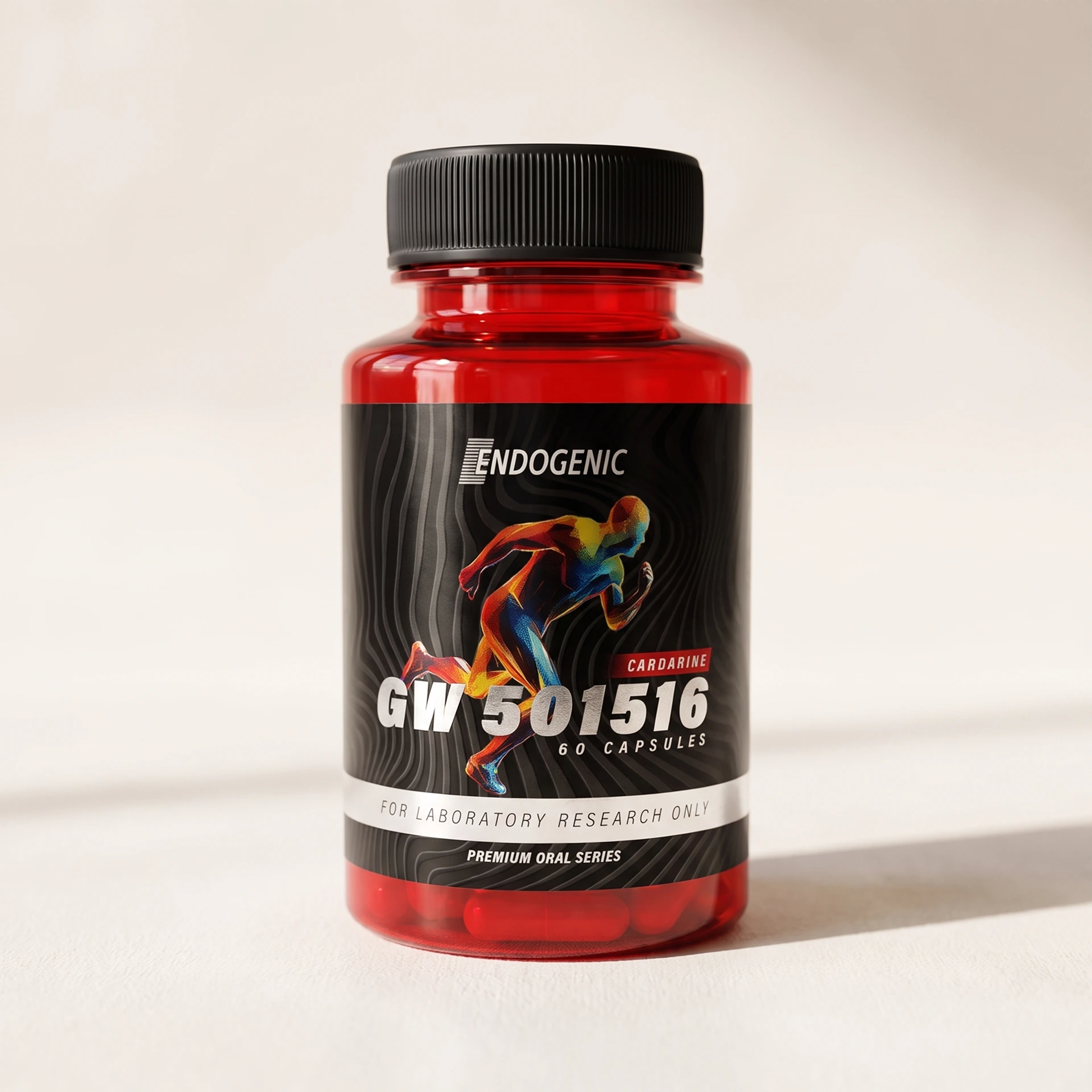
GW-501516 acts on the same receptor as GW-0742. In lung tissue it has been studied mainly in cell cultures. In bronchial fibroblasts taken from patients with asthma it inhibited the TGF-β-induced profibrotic response (Paw et al., 2023), and in pulmonary artery smooth muscle cells exposed to hypoxia it limited their proliferation (Chen et al., 2023). The development of GW-501516 as a medicine was ended when long-term rodent studies showed tumours in multiple organs. That finding remains the most important information about the compound’s safety profile.
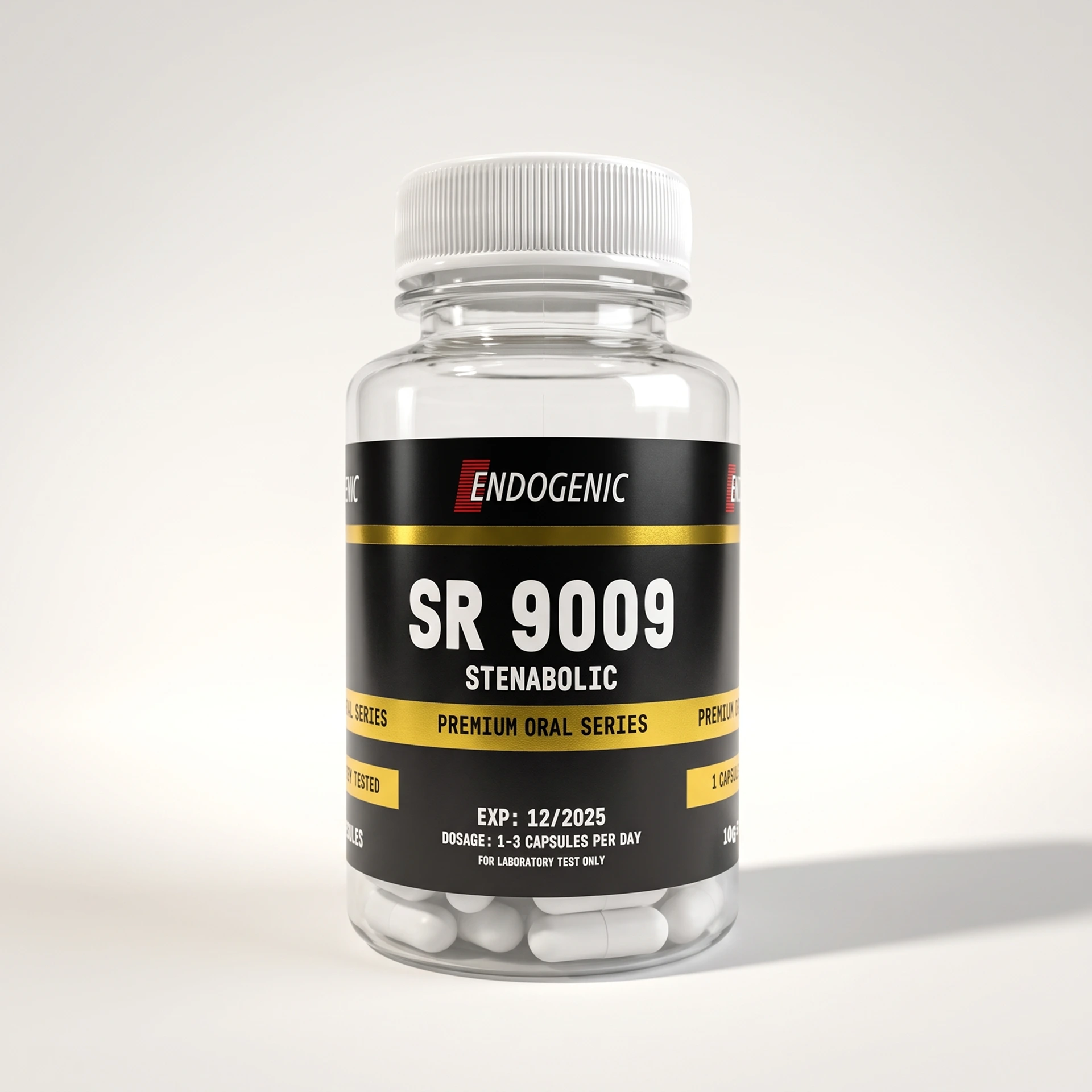
SR-9009 activates the REV-ERBα and REV-ERBβ nuclear receptors, which link the body clock with metabolism and the inflammatory response. In isolated rat lungs subjected to ischaemia and reperfusion, SR-9009 reduced oedema and inflammatory cytokine levels, and a REV-ERBα antagonist abolished this effect (Chu et al., 2023). In a mouse model of bleomycin-induced fibrosis it limited excessive collagen production (Wang et al., 2023). In human lung fibroblasts, REV-ERBα agonists, including SR-9009 and SR-9011, inhibited the TGF-β1-induced transformation of the cells into myofibroblasts (Prasad et al., 2023).
Interpreting these results is complicated by a study in which SR-9009 altered the proliferation and metabolism of cells lacking both REV-ERB receptors (Dierickx et al., 2019). Some of the effects attributed to this compound may therefore occur outside its stated mechanism. In the lung model of Chu et al., the effect depended on REV-ERBα, showing that the response differs between cell types and models.
What these data do and do not show
The results described in this area come from cell cultures, isolated organs and animal models. They show the activity of the compounds at the level of a receptor, a signalling pathway or a tissue marker. They are not evidence of an effect in humans, nor a basis for using the reagents outside the laboratory.
No. None of them is authorised as a medicine, and their activity has been described in cell cultures and animal models. The reagents in this area are for laboratory research only and do not replace treatment or medical consultation.
PPARδ and REV-ERB receptors are present in many tissues, including the lungs, and take part in regulating inflammation and fibrosis. Work on these receptors in lung tissue forms a separate line of research, independent of research on energy homeostasis.
That has not been settled. In one study the compound altered the metabolism and proliferation of cells lacking both REV-ERB receptors, while in a model of acute lung injury its effect was abolished by a REV-ERBα antagonist. The mechanism therefore has to be assessed separately for each model.
On work by the Khavinson school, much of it published in Russian-language journals, including in vitro studies of the peptide’s interaction with DNA. Independent replications are few, so the reagent’s identity and purity are decided by the batch COA, not by the literature description.
No. GW-501516, GW-0742 and SR-9009 belong to class S4.4.1 (metabolic modulators), and Bronchogen, as a compound without authorisation, to class S0. Both classes apply at all times, in and out of competition.