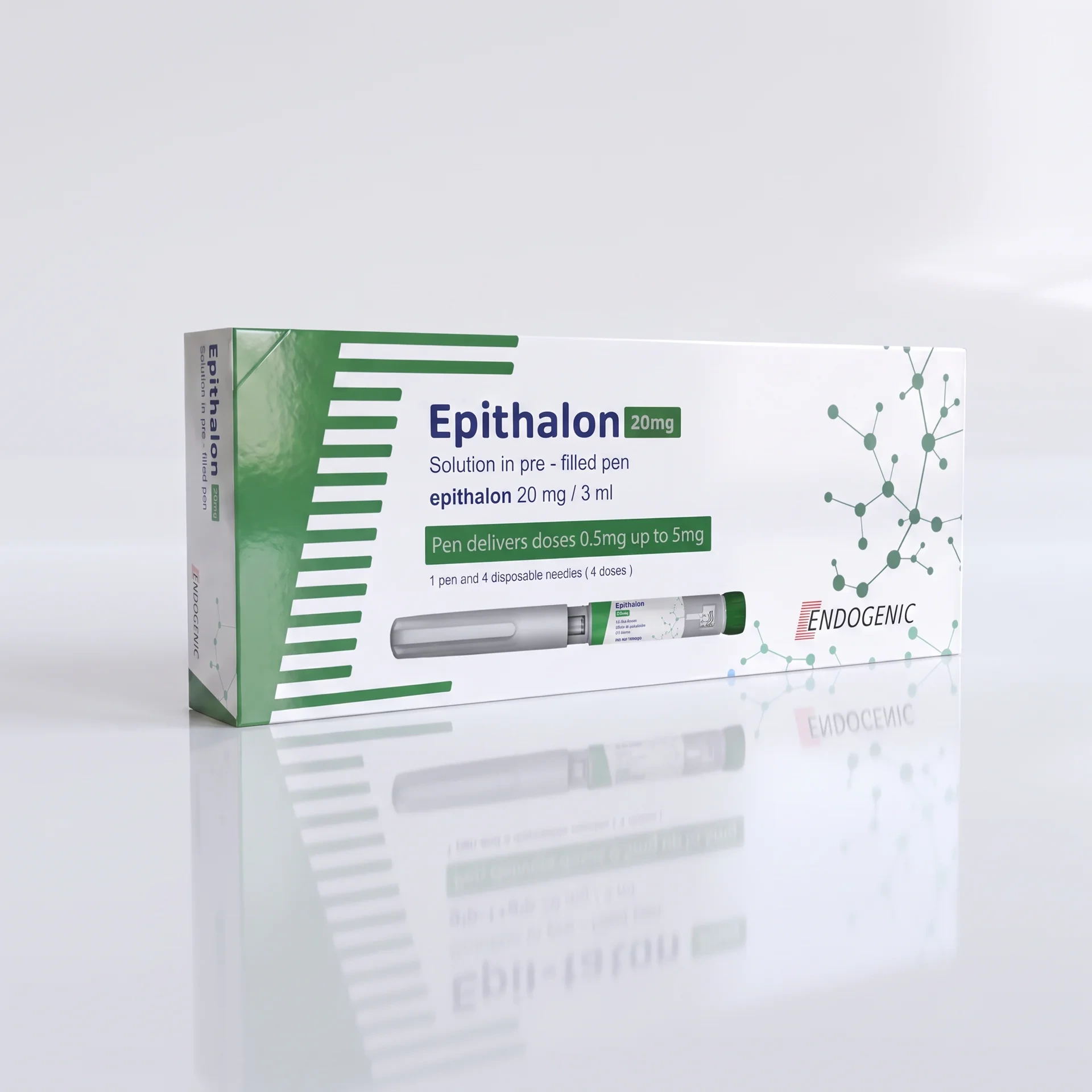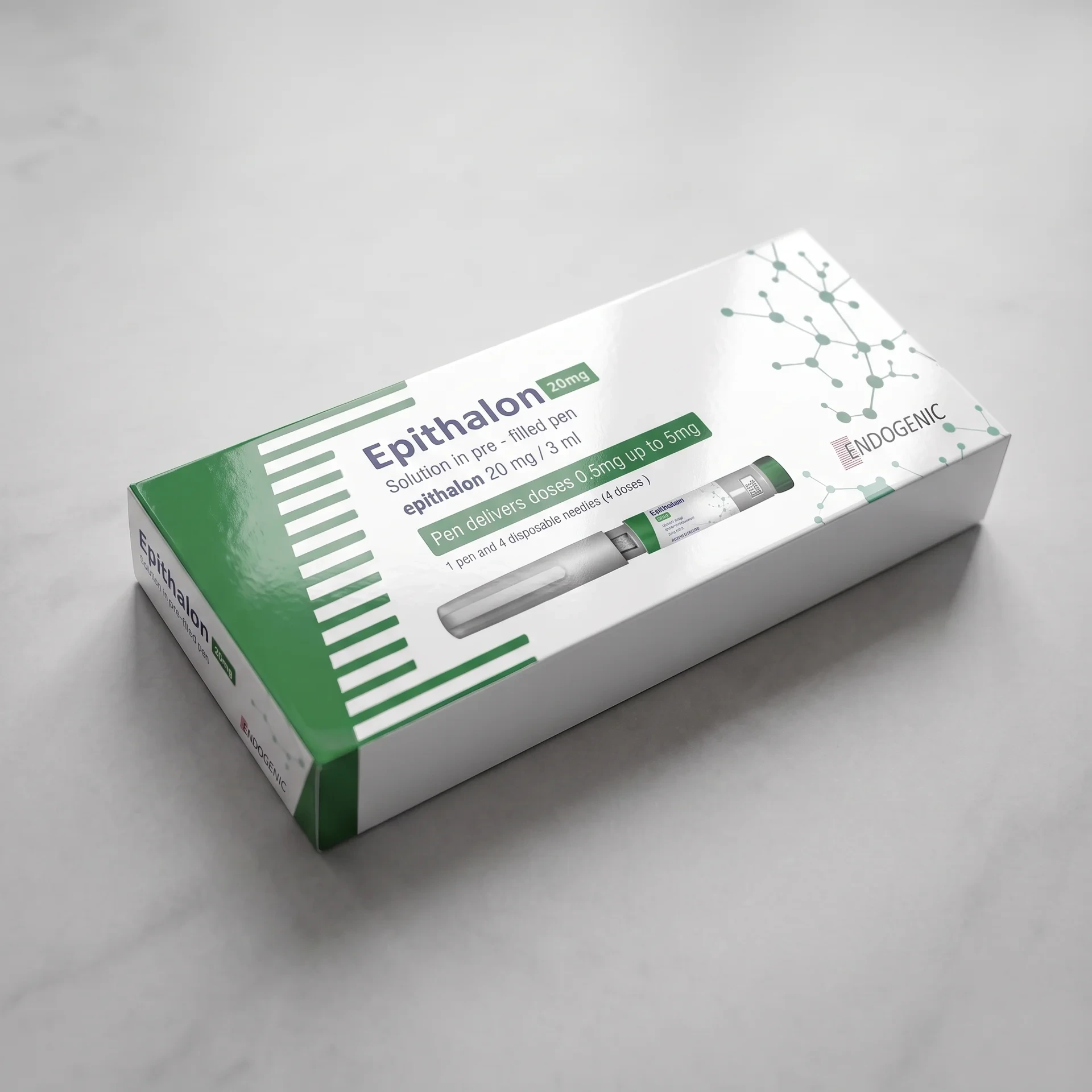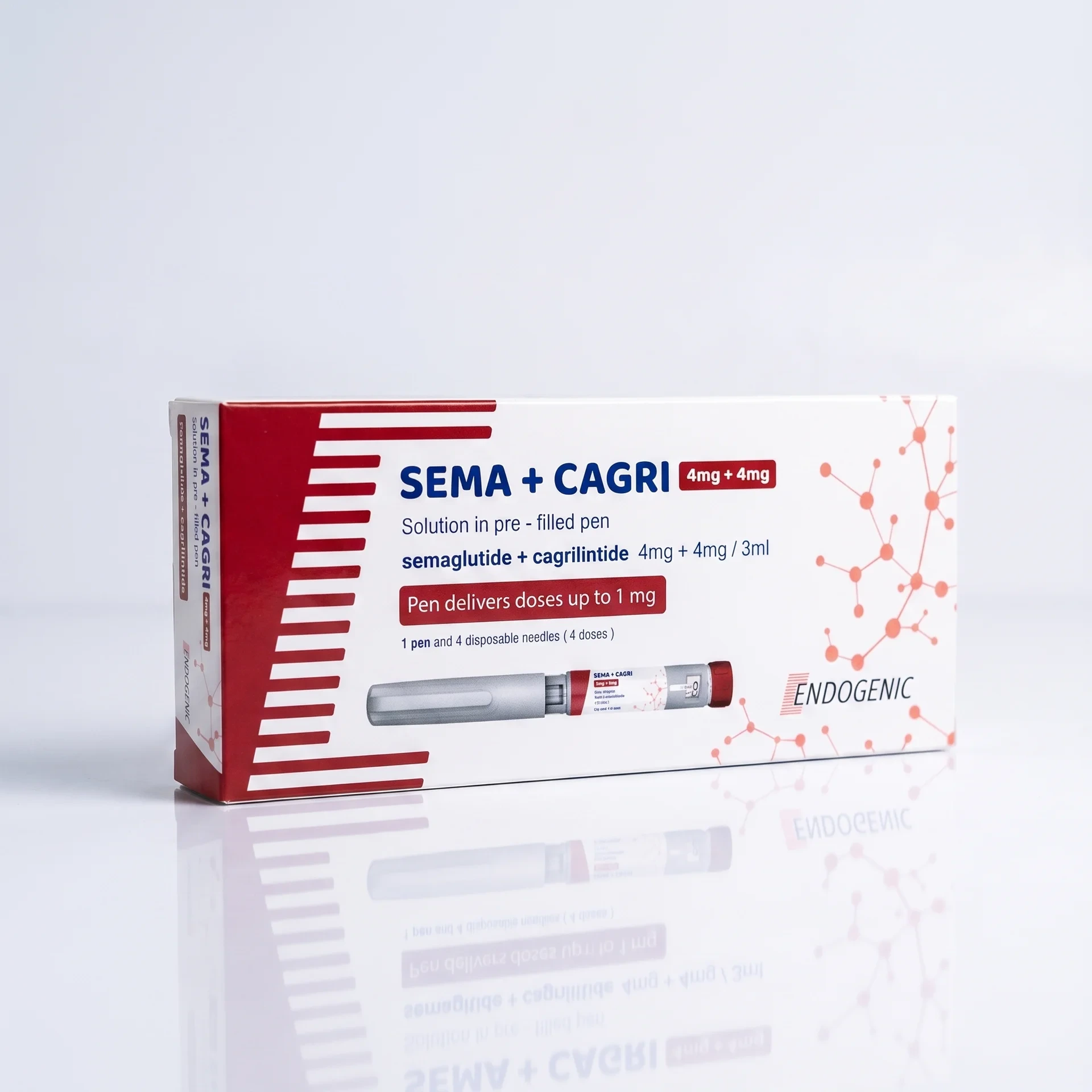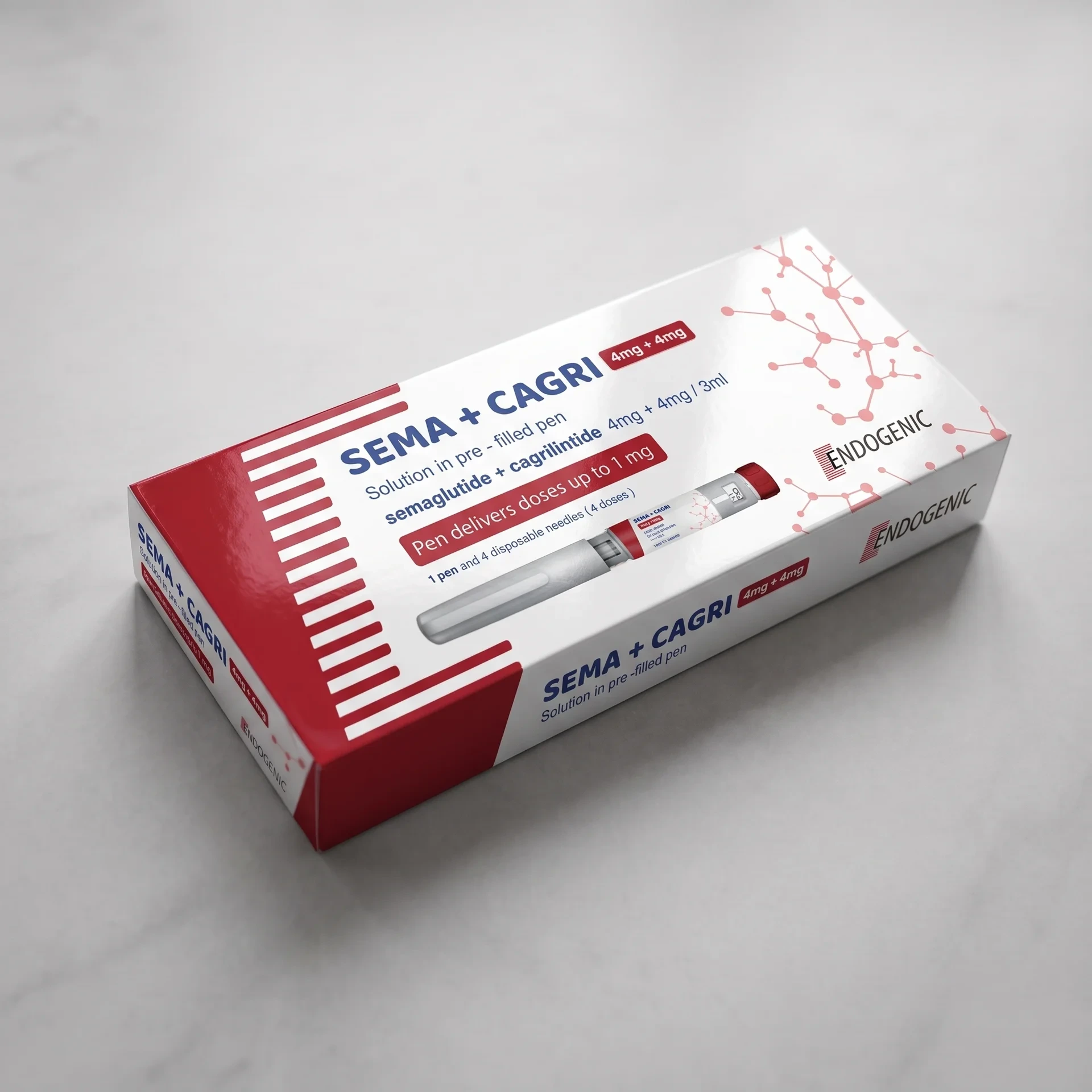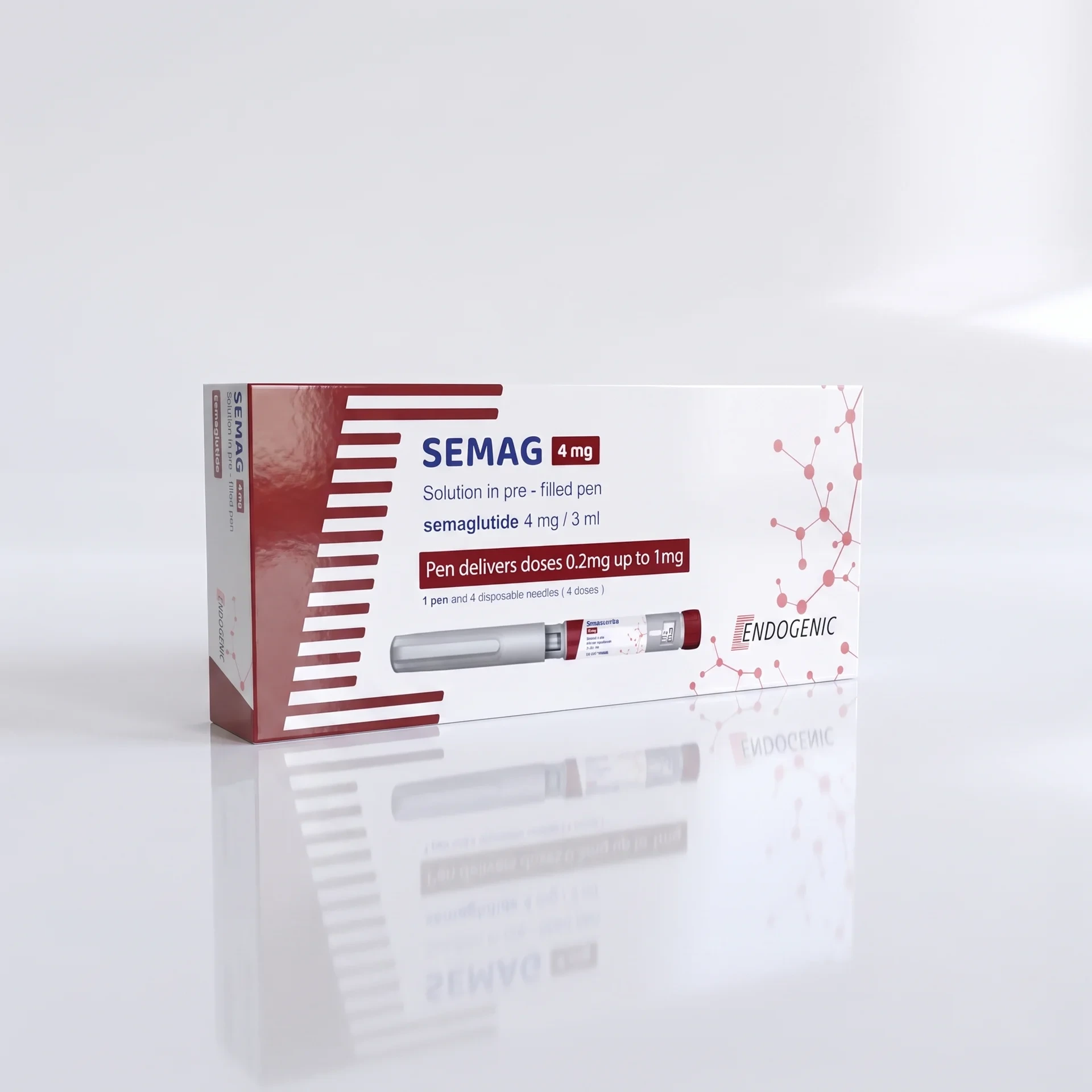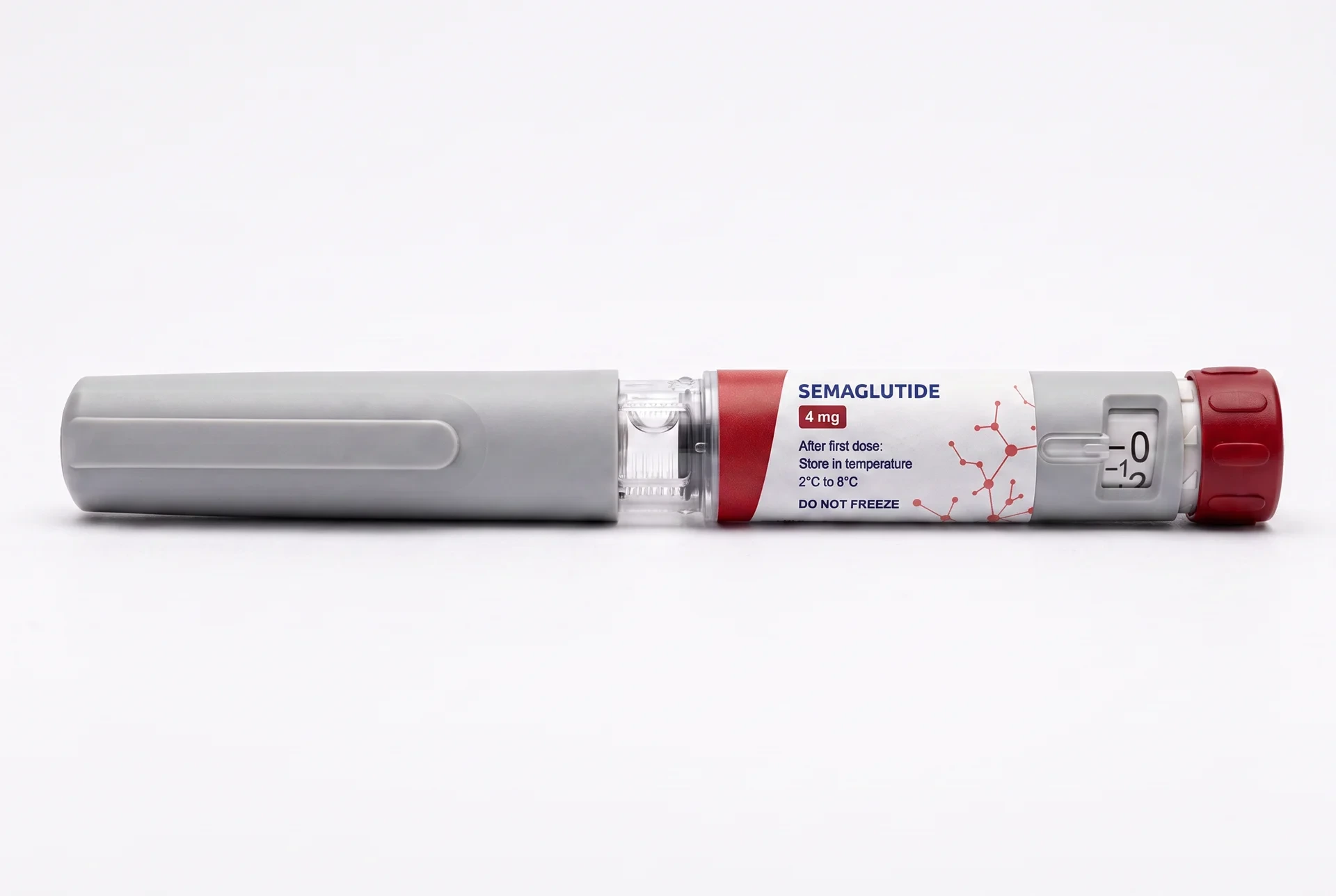


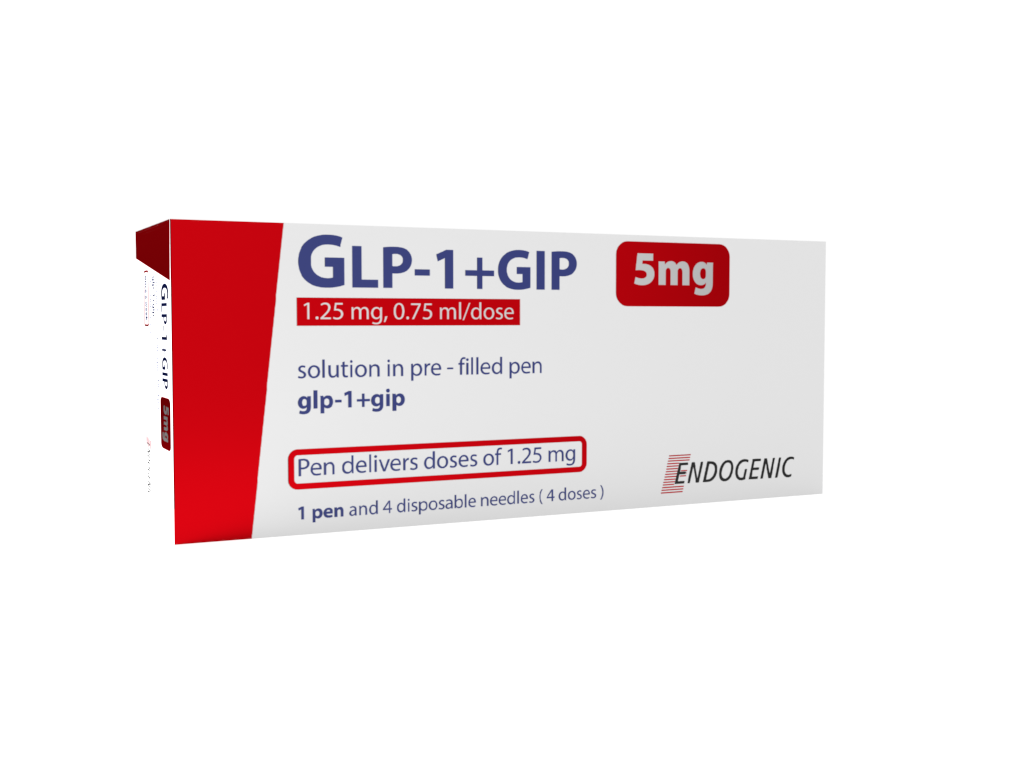
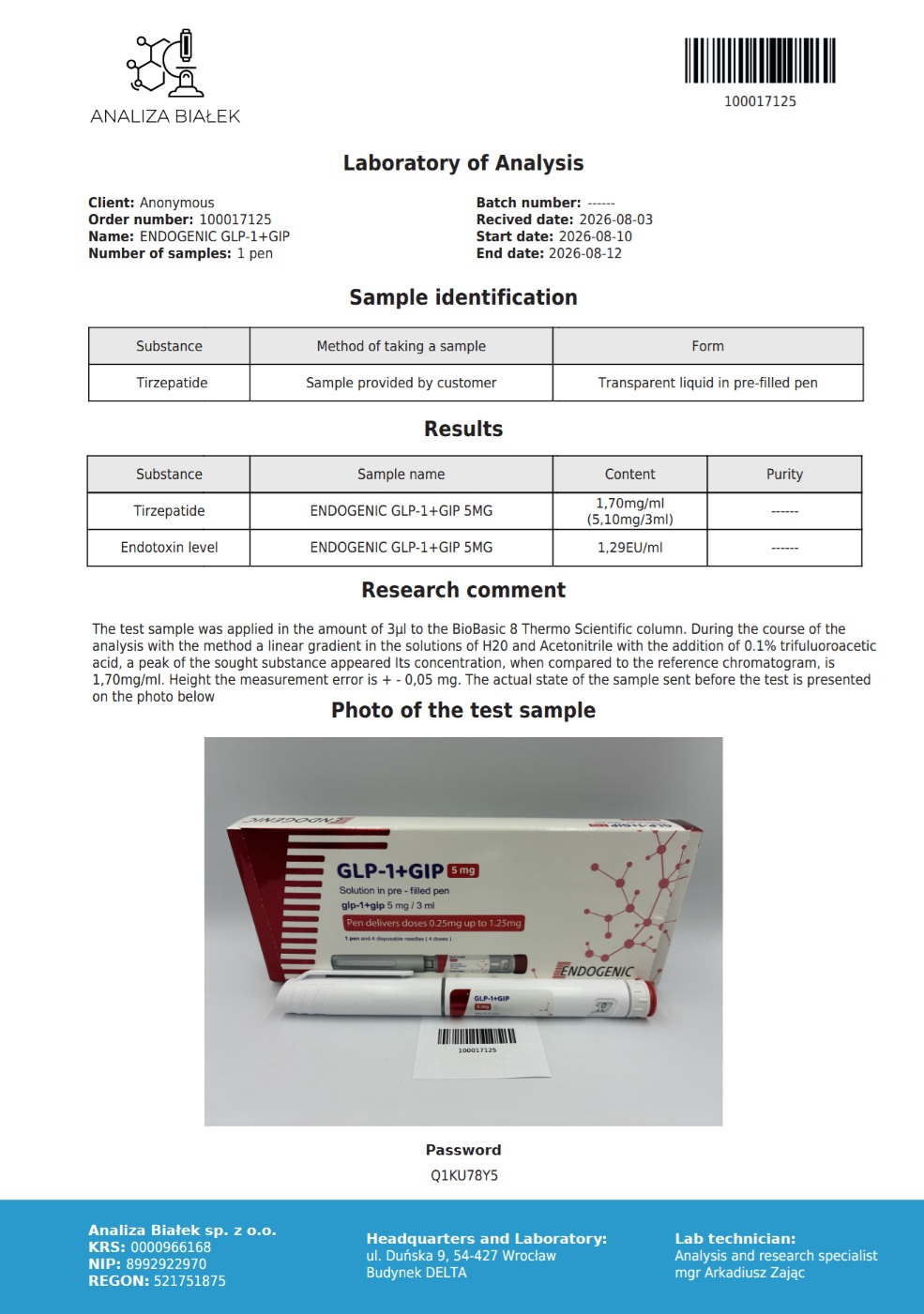
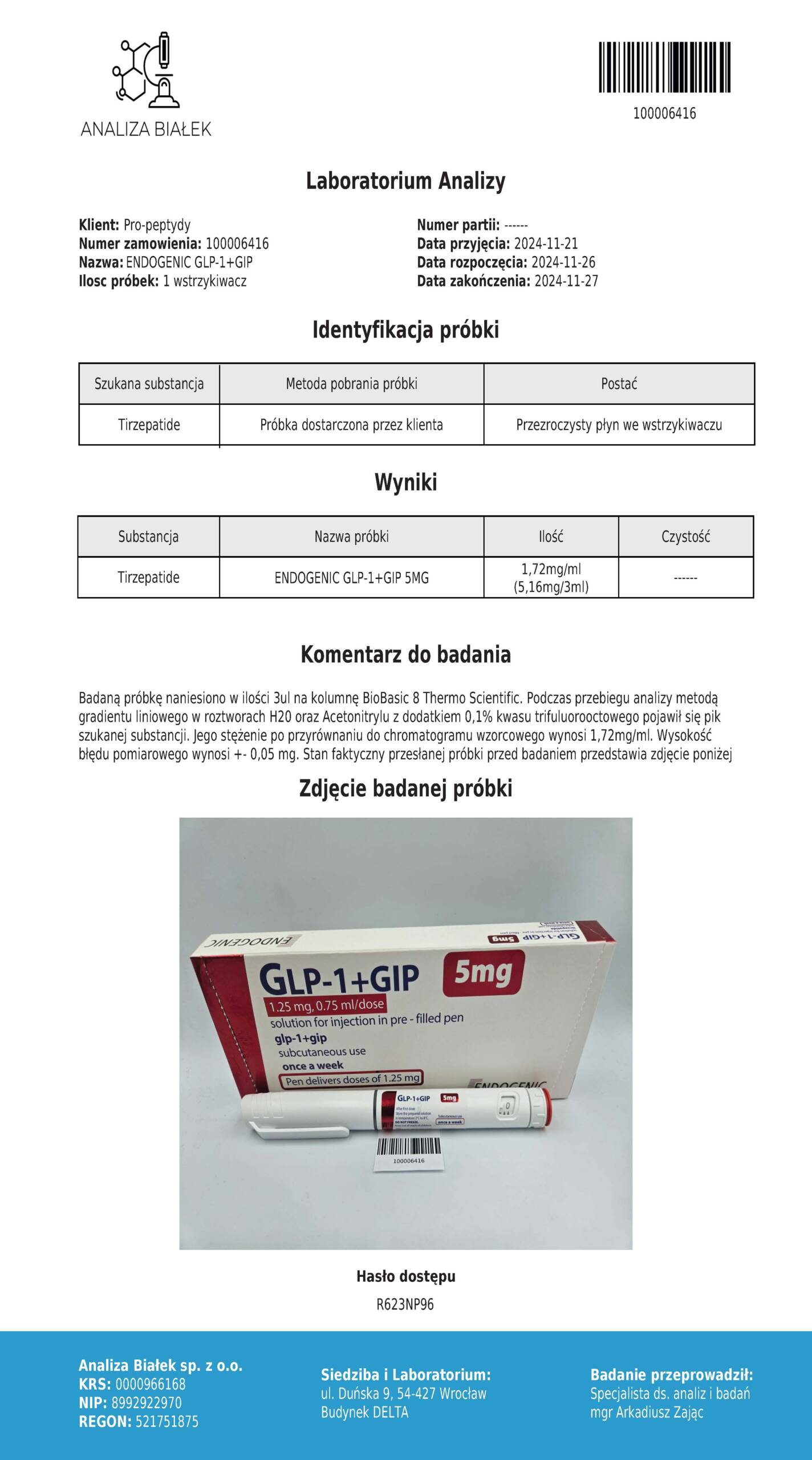
GLP-1 + GIP 5 mg PEN belongs to the same pharmacological class as tirzepatide — a GLP-1R/GIPR dual receptor agonist — but it is a Research Use Only reagent with analytical documentation (COA, HPLC ≥98%, MS Q-TOF), not a medicinal product and not tirzepatide in the sense of a medicine. Mounjaro® and Zepbound® are Eli Lilly medicines with full EMA/FDA registration documentation, available on prescription only under a doctor’s supervision. The RUO reagent is not a medicinal form, is not a substitute for these medicines and does not replace a medical consultation.
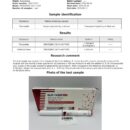
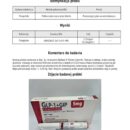
GLP-1 + GIP 5mg PEN
GLP-1 + GIP 5 mg PEN — a low-dose variant of the GLP-1R/GIPR dual receptor agonist, an acylated incretin peptide in a multi-dose applicator with a factory-prepared solution for laboratory research. The 5 mg concentration facilitates dose-response and titration protocols relative to the standard 10 mg variant; the pen format eliminates reconstitution and standardises the starting concentration. RUO reagent: HPLC ≥98%, MS Q-TOF, COA per batch. It belongs to the same class as tirzepatide (Mounjaro®, Zepbound®, Eli Lilly), but is not tirzepatide in the sense of a medicine or its substitute and does not replace a medical consultation.
99,99 €
Fast shipping
Delivery options
Free delivery from 350 €
Returns policy
GLP-1 + GIP 5 mg PEN — GLP-1R/GIPR dual agonist in a factory-prepared solution (pen applicator, low-dose variant), RUO research reagent
- Dual GLP-1R/GIPR receptor agonist in a factory-prepared solution.
- 5 mg per pen; batch-specific parameters in the product documentation.
- Research Use Only; not a substitute for Mounjaro or Zepbound.
⚠️ Regulatory status — a critical distinction (GLP-1/GIP category)
GLP-1 + GIP 5 mg PEN is a research reagent in the form of an applicator with a factory-prepared solution. The molecule belongs to the class of synthetic GLP-1R/GIPR dual receptor agonists — the same pharmacological class as tirzepatide, the active substance in medicines authorised by the EMA and FDA under the trade names Mounjaro® (type 2 diabetes) and Zepbound® (obesity), likewise in a pen format.
These two instances are two separate regulatory frameworks. The RUO reagent in the Pro-Body catalogue is not tirzepatide in the sense of a medicinal product, is not its substitute, is not intended for use in humans and is not subject to pharmaceutical regulation. Any communication suggesting that the RUO reagent replaces the medicine Mounjaro® or Zepbound® is unacceptable.
The Eli Lilly pen comes from EMA/FDA authorisation, is available on prescription only and requires medical supervision. The RUO dual-agonist reagent is not a substitute for a medicinal product or for a medical consultation.
In 2022 the FDA approved the first dual-hormone incretin agonist as a metabolic medicine — and the landscape of weight-loss pharmacology shifted its balance of power. The reason was simple: in a direct head-to-head comparison the GLP-1R/GIPR dual agonist beat the GLP-1 monoagonist on hard endpoints. This was the moment the incretin axis stopped being a single-receptor story.
The dual-agonist class combines two hormonal pathways in a single molecule — the GLP-1 receptor (known from semaglutide) and the GIP receptor (the second incretin hormone, until now therapeutically neglected). The reference literature for this class features the SURPASS (type 2 diabetes) and SURMOUNT (obesity) programmes, with endpoints reported in NEJM.
In the Pro-Body catalogue a molecule from this class appears within a separate regulatory framework — as an RUO research reagent in an applicator format with a factory-prepared solution, within the category of fat burners used in metabolic research on obesity. This format simplifies laboratory work: it eliminates the variable of lyophilisate reconstitution, allows precise withdrawal of the peptide under controlled conditions, and standardises the protocol between batches.
It is a technical solution for researchers working with incretin dual agonists in in vitro and in vivo models — not a medicinal form, not a therapeutic analogue for administration to humans, not pharmaceutical tirzepatide.
This reagent is supplied in a format of a multi-dose applicator with a factory-prepared solution, nominal content 5 mg of dual agonist per applicator — the low-dose variant of the line. Purity verified by HPLC ≥98%, identity confirmed by mass spectrometry (Q-TOF), COA available for every batch, batch traceability.
What incretins are — the context of the hormonal axis
Incretins are gut hormones secreted after a meal, whose function is to amplify the insulin response before glucose has fully risen in the blood. The two main ones are GLP-1 (glucagon-like peptide 1, secreted by the L cells of the ileum) and GIP (gastric inhibitory polypeptide, secreted by the K cells of the duodenum). Together they are responsible for the so-called incretin effect — the phenomenon whereby glucose given orally elicits a stronger secretion of insulin than the same amount of glucose given intravenously. The difference arises precisely from the incretin signal from the gut.
For years pharmacology focused exclusively on GLP-1 — this is the pathway semaglutide exploits. GIP was treated sceptically, because early data suggested a blunted response to this hormone in type 2 diabetes. The breakthrough lay in the observation that, in the presence of a GLP-1 agonist, sensitivity to GIP can be restored, and the two signals act complementarily.
A dual agonist is a molecule that activates both receptors at once — combining the insulinotropism of GLP-1 with the additional contribution of GIP to glucose and lipid metabolism. In models this translates into a stronger metabolic effect than agonism of GLP-1 alone (Müller et al. 2019; Holst and Rosenkilde 2020).
What the GLP-1R/GIPR dual agonist is — class and structure
An incretin dual agonist is a single acylated peptide that binds and activates two distinct G-protein-coupled receptors: the GLP-1 receptor (GLP-1R) and the GIP receptor (GIPR). The molecular architecture is built on a peptide core whose sequence is optimised for dual affinity — SAR (structure–activity relationship) work has shown that a single amino-acid backbone can achieve balanced activity at both receptors simultaneously (Coskun et al. 2018).
A common feature of this class is fatty-acid acylation — an attached lipid chain enables reversible binding to serum albumin. Albumin acts as a reservoir: the molecule circulates partly bound, is gradually released and degraded. The result is an extended half-life on the order of 100–200 hours, compatible with the weekly schedule in the clinical protocols of the reference medicines of this class. The molecular mass of the peptide core with the lipid modification falls within the range of ~4500–5000 g/mol. The exact sequence and CAS number are proprietary to the batch and stated in the COA.
💡 SCIENTIFIC PERSPECTIVE
Data on body weight, glycaemia, lipid profile and cardiometabolic endpoints for the GLP-1R/GIPR dual-agonist class come from clinical trials of the medicine tirzepatide (Mounjaro®, Zepbound®) conducted by Eli Lilly in humans under medical supervision. The GLP-1 + GIP 5 mg PEN reagent (RUO) is not that medicine and was not the subject of those trials.
The clinical results here are of a reference nature — they describe the profile of the pharmacological class in the literature, not the expected effect of the RUO reagent. Extrapolation to any application outside a controlled experimental setting is contrary to the Research Use Only framework.
Physicochemical characteristics
|
Parameter |
Value |
|---|---|
|
Pharmacological class |
GLP-1R/GIPR dual receptor agonist (acylated incretin peptide) |
|
Mechanism |
Dual agonism: GLP-1 receptor + GIP receptor |
|
Molecular mass |
~4500–5000 g/mol |
|
CAS / sequence |
Proprietary — stated in the batch COA |
|
Structural modifications |
Fatty-acid acylation, reversible binding to albumin |
|
Half-life (class) |
~100–200 h (compatible with the weekly schedule of the reference medicines) |
|
Physical form |
Factory-prepared solution in a multi-dose applicator (pen) |
|
Nominal concentration |
5 mg of dual agonist / applicator (low-dose variant) |
|
Solvent |
According to the documentation for the specific batch. |
|
HPLC purity |
≥98% |
|
Identity confirmation |
Q-TOF mass spectrometry |
Molecular mechanism of action — five axes
Activation of two incretin receptors simultaneously sets off a cascade of complementary mechanisms reported in the preclinical and clinical literature. Both receptors — GLP-1R and GIPR — are G-protein-coupled, so agonist binding translates into a rise in intracellular cAMP and the engagement of PKA-dependent pathways. The difference relative to a monoagonist is that the dual agonist adds a second receptor route in parallel.
Axis 1 — GLP-1R agonism. In pancreatic β-cells, activation of GLP-1R raises cAMP and potentiates glucose-dependent insulin release. The mechanism is glucose-dependent — under normoglycaemia insulin secretion is not significantly stimulated, which constitutes a molecular “safety catch”. In parallel, GLP-1R in the arcuate nucleus of the hypothalamus mediates satiety signalling (activation of POMC neurons), and in the gastrointestinal tract it slows gastric emptying, which prolongs the sensation of fullness after a meal.
Axis 2 — GIPR agonism. Activation of the GIP receptor amplifies insulinotropism — in the presence of a simultaneous GLP-1 signal, the GIP contribution to insulin secretion is restored and added together. In addition, GIPR participates in lipid metabolism in adipocytes, modulating the storage and turnover of fatty acids in adipose tissue (Samms et al. 2020). This is a route that the GLP-1 monoagonist does not engage.
Axis 3 — dual synergy. Combining the two signals yields a metabolic effect stronger than agonism of a single receptor. Reference context: in the SURMOUNT-1 programme (multicentre RCT, phase 3) a mean body-weight reduction of about 20.9% at the highest dose vs 3.1% in the placebo group was reported for tirzepatide over 72 weeks of intervention (Jastreboff et al. 2022). In the direct head-to-head comparison with semaglutide (SURPASS-2), the dual agonist achieved greater reductions in HbA1c and body weight (Frías et al. 2021).
Axis 4 — biased cAMP agonism. The signalling profile of dual agonists of this class shows preferential activation of the cAMP pathway relative to β-arrestin recruitment at the level of the individual receptors. This “biased agonism” is the subject of mechanistic analyses as a possible factor in the differences in potency and tolerability between analogues (Müller et al. 2019).
Axis 5 — acylation and pharmacokinetics. The albumin-binding fatty-acid chain accounts for the extended half-life (~100–200 h). This is a factor that, in PK models, allows receptor exposure to be maintained on an infrequent dosing schedule — important when designing protocols comparing against analogues with a shorter T½.
⚠️ IMPORTANT DISTINCTION
“Body-weight reduction”, “glycaemic control” and “lipid metabolism” in the context of this description refer exclusively to the results reported in clinical trials of the medicine tirzepatide (the SURPASS, SURMOUNT programmes). This does not imply any guarantee of an effect in anyone working with the RUO reagent, nor any suggestion that GLP-1 + GIP 5 mg PEN may serve as a “weight-loss medicine” or a “substitute for Mounjaro®/Zepbound®”. The reagent remains a molecular tool for laboratory research. The figures (20.9%, 3.1%) describe the class profile in the literature — not the expected outcome of the reagent.
Applications in scientific research
GLP-1 + GIP 5 mg PEN, as an RUO reagent, finds use along several lines. The applicator format with a factory-prepared solution — eliminating the reconstitution variable and standardising the protocol between batches — performs especially well wherever reproducibility of the starting concentration is a precondition for comparability of results. The low-dose 5 mg variant is a natural entry point for dose-response protocols: a lower nominal concentration makes it easier to design effect-versus-concentration curves without the need for deep dilutions of the standard applicator.
Dual-receptor pharmacology. Analyses of receptor activity in parallel at GLP-1R and GIPR, profiling of selectivity and affinity balance, EC50 measurements in cell cultures with cAMP and β-arrestin reporters for both receptors. The applicator format facilitates precise withdrawal of solution for serial dilutions.
Animal models of insulin resistance and obesity. DIO mice, ob/ob and db/db models, Zucker rats. Endpoints: body weight, composition (DEXA, NMR), OGTT/ITT, HOMA-IR, lipid profile, adipose-tissue metabolism. The dual agonist functions as a reference tool for studying the contribution of the GIP axis over and above GLP-1 agonism alone.
Pharmacokinetics of acylated dual agonists. PK profile, albumin-binding kinetics, models of receptor exposure with a long T½, comparisons with analogues of shorter half-life.
Comparative analyses of the incretin class — relative to GLP-1 monoagonists (semaglutide, liraglutide) and to newer constructs (GLP-1R/GIPR/GCGR tri-agonists, discussed more broadly in the context of Retatrutide for obesity). The dual agonist serves as a reference point in SAR work on the balance of activity at two receptors.
In the 2026 WADA framework, semaglutide and tirzepatide are monitored, not prohibited solely by that monitoring. This does not establish the status of every incretin analogue. The identity of the substance must be confirmed; non-approved pharmacological substances may fall under S0. An RUO product is not intended for human use. WADA 2026: monitoring; WADA 2026: S0.
Pro-Body quality specification
The analytical parameters below should be verified against the documentation for the specific batch:
- HPLC ≥98% — main-peak area ≥98% of the sum of areas (high-performance liquid chromatography with UV detection); verification of purity and identification of related impurities.
- MS Q-TOF — high-resolution mass spectrometry (quadrupole time-of-flight), confirmation of peptide identity by a molecular mass within the range ~4500–5000 g/mol.
- COA per batch — certificate of analysis for every batch (theoretical/measured mass, HPLC profile, proprietary sequence/CAS, synthesis date, batch number).
- Batch traceability — the batch number in three places: the applicator label, the invoice and the COA.
The low-dose 5 mg variant is one of several formats of the same molecule in the catalogue. The same chemical identity is also available as a lyophilisate in a vial for reconstitution under laboratory conditions — and in the standard variant GLP-1+GIP 10mg with a larger reservoir of solution per single applicator. All variants meet the same analytical control standards.
Applicator form specification
The following description concerns the technical handling of the applicator in the context of a reagent for laboratory research. It does not constitute instructions for administration to humans or animals — the applicator in RUO trade is not a pharmaceutical form for injection in humans. The applicator format is technical in nature: it provides a stable, factory-dissolved source of the peptide for further experimental work.
The low-dose variant in a line of two concentrations. The 5 mg applicator is the low-dose starter variant of the same molecule — the equivalent of the standard 10 mg applicator at half the nominal concentration. A lower starting concentration simplifies the design of dose-response protocols and titration curves: the researcher obtains a narrow picomolar-to-nanomolar range with fewer dilution steps, and comparison of the two variants (5 mg vs 10 mg) serves as a concentration-variable axis at a constant chemical identity. The standard 10 mg variant remains the choice where a larger reservoir of solution per single applicator is required.
A factory-prepared solution instead of a lyophilisate. GLP-1 + GIP 5 mg PEN contains 5 mg of dual agonist dissolved at the factory in a multi-dose applicator — ready for withdrawal without adding a solvent. This brings three technical benefits over a lyophilisate in a vial:
- Elimination of the reconstitution variable — the researcher introduces neither their own solvent nor a volume error; the starting concentration is defined at the factory and identical between batches.
- Micro-volumes without breaching the seal — the multi-dose applicator design allows small portions of solution to be withdrawn repeatedly, without opening the whole vial and without exposing the entire contents to air at each withdrawal.
- Protocol standardisation — a reproducible starting concentration simplifies comparison of results between experimental series and between laboratories.
Withdrawal of the solution is performed with a laboratory syringe or a dosing applicator of microlitre precision. The solution should be clear — cloudiness, sediment or a change in colour are a signal that the batch is not fit for further work.
Working concentrations. For in vitro receptor assays the work is standardly carried out on the picomolar-to-nanomolar scale. Working concentrations are prepared by serial dilutions in PBS at pH 7.4 or in buffers compatible with the specific experimental system. The low-dose nominal concentration of 5 mg makes it possible to reach the target working range with fewer dilution steps than the 10 mg variant.
A peptide calculator makes it easier to convert the starting concentration from the applicator into the desired working concentration when planning serial dilutions.
⚠️ IMPORTANT DISTINCTION
This is not an instruction for administration to humans. The clinical schedules of tirzepatide (Mounjaro®, Zepbound®) described in the SmPC concern only the medicines authorised by Eli Lilly and are carried out under medical supervision — not research reagents. GLP-1 + GIP 5 mg PEN does not have a pharmaceutical quality profile (GMP, injectable sterility, endotoxin control at the level required for medicines).
Storage conditions
Storage temperature, shelf life before and after opening, protection from light, freezing restrictions and solution composition must follow the label and stability documentation for the specific batch. Do not transfer stability periods from registered medicines to this RUO reagent.
Regulatory status — summary
GLP-1 + GIP 5 mg PEN (this product) — a Research Use Only research reagent in the chemical-reagent trade in the EU. Label “For research use only. Not for human use”. It is not a medicinal product, a dietary supplement or a foodstuff. It does not hold EMA, FDA or EFSA authorisation as a medicine. It is not tirzepatide in the sense of a medicinal product and is not its substitute.
Tirzepatide as a medicine (Eli Lilly): Mounjaro® — an injection pen, type 2 diabetes (FDA 2022, EMA 2022); Zepbound® — an injection pen, obesity (FDA 2023). These are GLP-1R/GIPR dual-agonist medicines with full registration documentation and pharmacovigilance oversight.
Only the medicines authorised by Eli Lilly have the status of a medicinal product. GLP-1 + GIP 5 mg PEN (RUO) does not. Belonging to the same pharmacological class (incretin dual agonist) does not abolish this distinction, and the RUO reagent is not a substitute for a medicinal product and does not replace a medical consultation.
Compliance — the key caveats:
- Material intended solely for laboratory research
- Sale to registered research entities, universities, R&D laboratories
- Communication such as “tirzepatide for weight loss”, “Mounjaro® substitute”, “cheaper Zepbound® alternative” — contrary to the RUO framework and unacceptable
- The reagent is not described as tirzepatide or as its therapeutic equivalent
- WADA: incretin agonists are not currently listed directly on the Prohibited List; the status may change — verification of the current guidance rests with the researcher
Summary
GLP-1 + GIP 5 mg PEN is an RUO reagent from the class of GLP-1R/GIPR dual receptor agonists — an acylated incretin peptide that activates two hormonal receptors at once, combining the insulinotropism of GLP-1 with the metabolic contribution of GIP. Five mechanistic axes (GLP-1R agonism, GIPR agonism, dual synergy, biased cAMP agonism, extended acylation pharmacokinetics) make it a reference tool for research on the incretin axis beyond a single receptor.
The low-dose applicator format with a factory-prepared solution (5 mg) eliminates the reconstitution variable and facilitates the design of dose-response protocols relative to the standard 10 mg variant. The molecule belongs to the same class as tirzepatide (Mounjaro®, Zepbound®) — which makes the distinction of regulatory frameworks a necessary condition of every communication about the product.
Key research takeaways
- The GLP-1R/GIPR dual agonist is an acylated incretin peptide (~4500–5000 g/mol) activating two hormonal receptors at once; the class half-life is ~100–200 h thanks to albumin binding
- Five mechanistic axes: GLP-1R agonism (insulin + POMC satiety + gastric emptying), GIPR agonism (insulinotropism + adipocyte lipid metabolism), dual synergy, biased cAMP agonism, acylation pharmacokinetics
- In the SURMOUNT-1 programme (multicentre RCT, phase 3) a body-weight reduction of ~20.9% vs 3.1% placebo over 72 weeks was reported for tirzepatide (Jastreboff et al. 2022); in SURPASS-2 the dual agonist outperformed semaglutide (Frías et al. 2021)
- The low-dose 5 mg variant in a multi-dose applicator with a factory-prepared solution is a starting point for dose-response and titration protocols; the standard 10 mg applicator provides a larger reservoir of solution per single applicator
- GLP-1 + GIP 5 mg PEN (RUO) is not tirzepatide in the sense of a medicine or its substitute — it belongs to the same pharmacological class, but to a separate regulatory framework with analytical documentation (COA, HPLC, MS Q-TOF) instead of registration documentation
A direct comparison of the GLP-1R/GIPR dual agonist with the GLP-1 monoagonist — including the results of the head-to-head SURPASS and STEP trials — is discussed in the article Tirzepatide vs Semaglutide.
References
- Frías JP, Davies MJ, Rosenstock J, Pérez Manghi FC, Fernández Landó L, Bergman BK, et al. (2021). Tirzepatide versus Semaglutide Once Weekly in Patients with Type 2 Diabetes. PubMed
- Jastreboff AM, Aronne LJ, Ahmad NN, Wharton S, Connery L, Alves B, et al. (2022). Tirzepatide Once Weekly for the Treatment of Obesity. PubMed
- Coskun T, Sloop KW, Loghin C, Alsina-Fernandez J, Urva S, Bokvist KB, et al. (2018). LY3298176, a novel dual GIP and GLP-1 receptor agonist for the treatment of type 2 diabetes mellitus: From discovery to clinical proof of concept. PubMed
- Samms RJ, Coghlan MP, Sloop KW (2020). How May GIP Enhance the Therapeutic Efficacy of GLP-1?. PubMed
- Müller TD, Finan B, Bloom SR, D’Alessio D, Drucker DJ, Flatt PR, et al. (2019). Glucagon-like peptide 1 (GLP-1). PubMed
- Holst JJ, Rosenkilde MM (2020). GIP as a Therapeutic Target in Diabetes and Obesity: Insight From Incretin Co-agonists. PubMed
FAQ
The stated difference is the nominal amount per applicator: 5 mg versus 10 mg. Concentration in mg/ml and working dilutions depend on the actual solution volume and must be determined from the documentation for each variant. Amount per pen is not the same as concentration.
The multi-dose applicator format with a factory-dissolved peptide brings three technical benefits: it eliminates the reconstitution variable (the researcher introduces neither their own solvent nor a volume error), it allows micro-volumes to be withdrawn repeatedly without breaching the seal of the entire contents, and it standardises the starting concentration between series and laboratories. A lyophilisate in a vial requires reconstitution with water before work — the applicator skips this step. The vial variant (lyophilisate) of the same molecule is available separately.
A monoagonist (e.g. semaglutide) activates only the GLP-1 receptor. The dual agonist adds a second route in parallel — the GIP receptor. In the presence of a GLP-1 signal, sensitivity to GIP is restored, and the two signals add together: stronger insulinotropism plus the GIP contribution to adipocyte lipid metabolism. In studies of tirzepatide this translated into a greater reduction in body weight and HbA1c than with GLP-1 agonism alone (Frías et al. 2021; Samms et al. 2020).
This is a mechanistic effect observed in models and clinical trials of the medicine — not a declaration of an effect of the RUO reagent.
Storage temperature, shelf life before and after opening, protection from light, freezing restrictions and solution composition must follow the label and stability documentation for the specific batch. Do not transfer stability periods from registered medicines to this RUO reagent.
In the 2026 WADA framework, semaglutide and tirzepatide are monitored, not prohibited solely by that monitoring. This does not establish the status of every incretin analogue. The identity of the substance must be confirmed; non-approved pharmacological substances may fall under S0. An RUO product is not intended for human use. WADA 2026: monitoring; WADA 2026: S0.
A monoagonist activates one receptor (GLP-1R) — giving glucose-dependent insulin secretion, central satiety and slowing of gastric emptying. The dual agonist does the same on the GLP-1 axis, plus it adds GIP receptor agonism: additional insulinotropism and modulation of lipid metabolism in adipose tissue. In the head-to-head (SURPASS-2) the dual-agonist class outperformed the GLP-1 monoagonist on the reduction of HbA1c and body weight (Frías et al. 2021). In research practice the dual agonist is a tool for isolating the contribution of the GIP axis over and above GLP-1 alone.
5.0
0 reviews
-
Mariusz
 Polski
Verified purchase
Product review
Wszyskto ok dziękuję
Black Week
Black Week deals before everyone else
Sign up for the newsletter and get access to the Black Week promotion before other customers.
By signing up you agree to receive the Pro-Body newsletter with news and promotions. You can unsubscribe at any time with one click in the e-mail. Privacy policy
Related products