MIF-1 does not bind to the orthosteric site (that is, the actual dopamine binding site) of the D2/D4 receptor. It acts as a positive allosteric modulator — it binds to a distinct allosteric site and increases the affinity and response of the receptor to endogenous dopamine. The pharmacological consequence is significant: “activity-dependent” modulation — the effect manifests where a dopaminergic signal is already present, rather than through direct receptor stimulation. This makes MIF-1 a model ligand for studying the allostery of G protein-coupled receptors in the central nervous system.
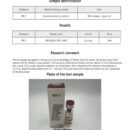
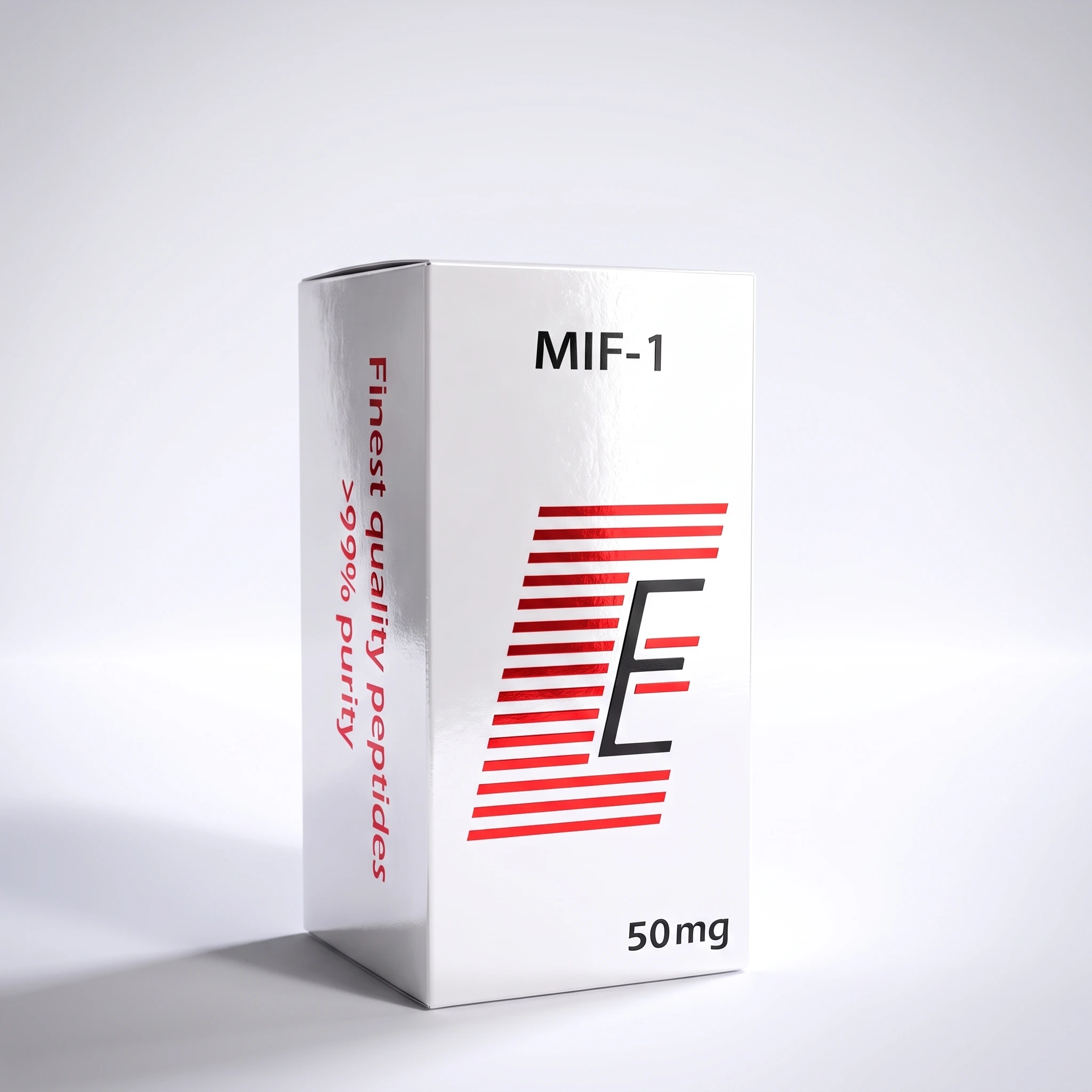
MIF-1 50mg
MIF-1 (Pro-Leu-Gly-NH₂, melanostatin) 50 mg of lyophilized powder is a linear hypothalamic tripeptide—the C-terminal fragment of oxytocin—historically studied as Pareptide in Parkinson’s disease and depression.
- Research Use Only reagent
- Molecular formula: C₁₃H₂₄N₄O₃
- Molar mass: 284.36 g/mol
- CAS number: 2002-44-0
- Form: lyophilisate in a vial, 50 mg
- Purity: ≥98% (HPLC)
118,99 €
With code BLACK: 95,19 €
Lowest price in the 30 days before the discount:
118,99 €
Fast shipping
Free delivery from 350 €
Returns policy
MIF-1 50 mg — Pro-Leu-Gly-NH₂ (melanostatin), research reagent in a vial
- MIF-1 (melanostatin): Pro-Leu-Gly-NH2 tripeptide.
- Vial of lyophilisate with a nominal content of 50 mg.
- Research Use Only reagent, not a medicinal product.
MIF-1 (Melanocyte-Inhibiting Factor 1, melanostatin, Pro-Leu-Gly-NH₂) is one of the smallest active neuropeptides described in the literature — a tripeptide with the sequence proline-leucine-glycinamide. The history of this compound is unusual: in the 1970s, the team of Abba Kastin and Nicholas Plotnikoff demonstrated that this hypothalamic fragment potentiates the action of L-DOPA in rodent models (Plotnikoff, Kastin et al. 1971) — an observation that for a decade made MIF-1 one of the most intensively studied peptides in central nervous system pharmacology.
Under the name Pareptide, the compound entered phase I–II clinical trials in Parkinson’s disease and depression, after which the drug development project was abandoned.
In a biochemical context, MIF-1 derives from oxytocin: it is its C-terminal tripeptide (Pro-Leu-Gly-NH₂), formed after enzymatic cleavage of the cysteine residue and the remaining part of the nine-amino-acid hormone. This structural kinship with oxytocin explains part of the observed behavioral profiles in preclinical models — and at the same time makes MIF-1 a tool for studying the interface between the oxytocinergic and dopaminergic systems.
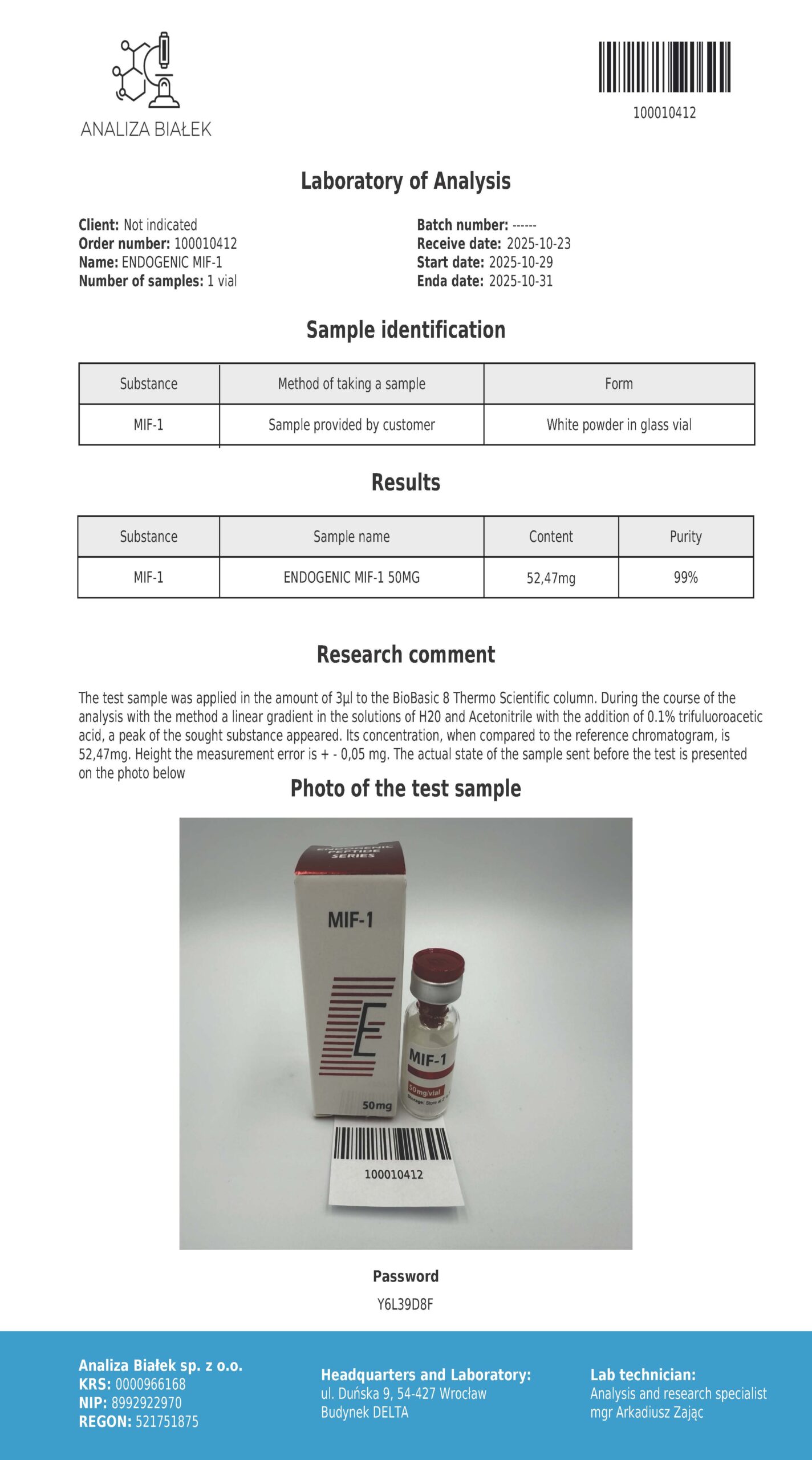
This reagent is supplied as a 50 mg lyophilizate in a vial, for reconstitution with bacteriostatic water under laboratory conditions. The lyophilized form ensures the stability of the peptide prior to dissolution and allows researchers to prepare working concentrations tailored to the experimental design. Purity verified by HPLC ≥98%, identity confirmed by mass spectrometry, COA available for each batch.
Regulatory status
MIF-1 (Pareptide) went through early phases of clinical trials (I–II) in the 1970s–1980s, however the drug development program was abandoned and the compound never obtained registration as a medicinal product in the EU, the USA, or anywhere in the world. There is no EFSA authorization as a dietary supplement ingredient. Communicating the product as a “mood peptide”, “dopamine support for biohackers”, or “natural antidepressant” is inconsistent with the Research Use Only framework.
MIF-1 - hypothalamic peptides and oxytocin derivatives
The hypothalamus is a factory of neuropeptides — short amino acid chains that function as signaling molecules between neurons and regulators of neuroendocrine axes. Unlike classical neurotransmitters (dopamine, serotonin, GABA), neuropeptides usually act on G protein-coupled metabotropic receptors, modulating the activity of neuronal circuits in a slower and more contextual manner. MIF-1 belongs to a historically important group of hypothalamic releasing and inhibiting factors — peptides originally studied with respect to pituitary regulation.
Originally MIF-1 was classified as Melanocyte-Inhibiting Factor — a factor that was supposed to inhibit the release of melanotropic hormone (MSH) from the intermediate part of the pituitary. Hence the name “melanostatin”. Later studies showed, however, that the pharmacologically most significant profile of MIF-1 lies not in MSH regulation, but in modulation of dopaminergic transmission in the central nervous system. This shift of research interest — from the endocrinology of melanotropins to the neuropharmacology of dopamine — defines most of the literature on this tripeptide.
The structural kinship of MIF-1 with oxytocin deserves separate discussion. Oxytocin is a nine-amino-acid hypothalamic hormone with a disulfide bridge. After cleavage of the N-terminal part with the cysteine residue, the C-terminal fragment Pro-Leu-Gly-NH₂ remains — that is, MIF-1. In preclinical models the compound exhibits activity that partially overlaps with the oxytocinergic system (OTR/V1A receptors), which is the subject of research on the oxytocin–dopamine interaction in motivational and affective circuits.
Within the research portfolio of peptides for well-being, MIF-1 represents a line of tools modulating affective circuits at the junction of oxytocinergic and dopaminergic transmission.
The pharmacological profile of oxytocin derivatives and short hypothalamic peptides encompasses a broad spectrum of activity:
- Allosteric modulation of dopamine receptors — influence on agonist affinity without direct stimulation of the orthosteric site
- Modulation of oxytocinergic transmission — via OTR and V1A receptors in affective circuits
- Influence on behavioral markers in models of depression and anxiety — screening tests in rodents (forced swim test, tail suspension)
- Interaction with the opioid system — counteracting the development of morphine tolerance in models
- Short half-life — typical for linear peptides susceptible to plasma proteolysis
MIF-1 occupies a special position in this group: it is a model ligand for studying allosteric modulation of the dopamine D2 receptor — a mechanism that distinguishes it from classical dopaminergic agonists and antagonists and makes it a tool for studying allosteric pharmacology in the central nervous system.
What is MIF-1?
Chemically, MIF-1 is a linear tripeptide with a C-terminal amide.
- Common name: MIF-1, melanostatin, Pareptide, PLG
- Chemical name: L-prolyl-L-leucyl-glycinamide (H-Pro-Leu-Gly-NH₂)
- Synonyms: Melanocyte-Inhibiting Factor 1, Pro-Leu-Gly-NH₂, melanostatin, prolyl-leucyl-glycinamide
- CAS number: 2002-44-0 (in case of uncertainty — “to be verified in the batch COA”)
- Molecular formula: C₁₃H₂₄N₄O₃
- Molar mass: 284.36 g/mol
- Chemical class: linear tripeptide, C-terminal glycinamide; C-terminal fragment of oxytocin after cleavage of the cysteine residue
- Supplied form: 50 mg lyophilizate in a vial, for reconstitution with bacteriostatic water; pharmaceutical grade ≥98% HPLC
Origin:
MIF-1 was isolated and characterized as a hypothalamic factor at the turn of the 1960s and 1970s, during a period of intensive characterization of hypothalamic regulatory peptides. The breakthrough observation was published by Plotnikoff and Kastin (1971), demonstrating L-DOPA potentiation in rodent models. In the following decade, the compound was developed under the name Pareptide as a drug candidate for Parkinson’s disease and affective disorders; early phases of clinical trials (I–II) were conducted, after which — due to the short half-life, limited blood-brain barrier penetration after peripheral administration, and ambiguous clinical results — the program was abandoned. The compound nevertheless remained an important research tool in dopaminergic and oxytocinergic neuropharmacology.
SCIENTIFIC PERSPECTIVE
Most of the pharmacological data on MIF-1 come from preclinical models (Wistar rat, mouse, striatal membrane preparations, rodent behavioral models) and from early, historical, and ambiguous clinical trials of the 1970s–1980s. Observations regarding DOPA potentiation, the antidepressant profile, and D2 receptor modulation require interpretation in the context of the research model. Extrapolation to contemporary clinical applications is not justified — the drug development project was abandoned, and the PK/PD profile in humans remains insufficiently characterized.
Mechanism of action of MIF-1 at the molecular level
MIF-1 acts through several parallel neuromodulatory mechanisms. Unlike classical dopaminergic agonists, the compound does not directly stimulate the orthosteric site of the receptor — its best-documented profile is allosteric modulation.
Pharmacological profile observed in preclinical models:
- Positive allosteric modulator of dopamine D2 and D4 receptors — in rat striatal membrane preparations, MIF-1 increased the binding affinity of dopaminergic agonists, acting as a positive allosteric modulator (PAM). In behavioral models this translated into potentiation of the action of L-DOPA and apomorphine — the historical “DOPA potentiation test” (Plotnikoff, Kastin et al. 1971) was one of the first screening tests for the activity of this peptide. Mechanism: an allosteric change in receptor conformation increasing dopamine affinity, without direct activation
- Selective increase in D4 receptor affinity in the striatum — radioligand binding studies indicate a preferential influence of MIF-1 on the D4 subtype; in models of Parkinson-like toxicity an antiparkinsonian profile was observed, consistent with potentiation of dopaminergic signaling under conditions of its deficiency (Mishra et al. 1983; Marcotte, Mishra 1998)
- Oxytocinergic modulation — as the C-terminal fragment of oxytocin, MIF-1 exhibits activity at the level of the oxytocinergic system (OTR and V1A receptors); in preclinical models its influence on affective and social circuits at the junction of oxytocin–dopamine transmission was studied
- Antidepressant profile in rodent models — in depression screening tests (forced swim test, tail suspension test) MIF-1 showed activity comparable to imipramine in some protocols; the anti-immobility activity was dependent on dopaminergic transmission and abolished by blockade of dopamine receptors (Pulvirenti, Kastin 1988). This profile underpinned the early clinical trials of Pareptide in affective disorders; the mechanism is probably indirect, via potentiation of dopaminergic transmission and oxytocinergic modulation
- Counteracting the development of morphine tolerance — in in vivo models MIF-1 modified the development of opioid tolerance and dependence; an area of research on the interaction of hypothalamic peptides with the opioid system (Bhargava 1983)
Pharmacokinetic profile (based on preclinical models and historical data):
- Plasma half-life: very short, on the order of minutes — a linear peptide susceptible to rapid plasma and tissue proteolysis
- Blood-brain barrier penetration after peripheral administration: limited; in research protocols intracerebroventricular (i.c.v.) administration was often used to ensure central exposure
- Metabolism: rapid hydrolysis of peptide bonds by plasma and tissue peptidases; degradation products are free amino acids and shorter fragments
- PK profile in humans: insufficiently characterized; available data come from historical, limited trials
In rodent models, acute and subchronic administration of MIF-1 (usually intracerebroventricularly or intraperitoneally, in the microgram to milligram per kilogram of body weight range) led to potentiation of dopaminergic responses and modification of behavioral parameters in motor and affective tests — a phenotype interpreted as positive allosteric modulation of dopaminergic transmission.
MIF-1 in allosteric pharmacology — a model position:
In the landscape of dopaminergic ligands, MIF-1 occupies a position different from most research tools:
- Orthosteric agonists (apomorphine, quinpirole) — directly stimulate the dopamine binding site
- Antagonists (haloperidol, sulpiride) — block the orthosteric site
- MIF-1 — does not bind to the orthosteric site; acts as a positive allosteric modulator, increasing affinity for and response to endogenous dopamine only where a dopaminergic signal is already present. This “activity-dependent” nature of allosteric modulation makes MIF-1 a model compound for studying the allostery of G protein-coupled receptors in the CNS
Applications in scientific research
MIF-1 is used in research work in several areas of neuropharmacology. In in vivo models (Wistar rat, mouse, models of Parkinson-like toxicity) its influence on the potentiation of dopaminergic responses, motor and affective behavioral parameters, and interaction with the opioid system is studied. In in vitro models (striatal membrane preparations, radioligand binding studies, cell lines expressing D2/D4 receptors) studies are conducted on the allosteric modulation of affinity, binding kinetics, and selectivity toward dopamine receptor subtypes.
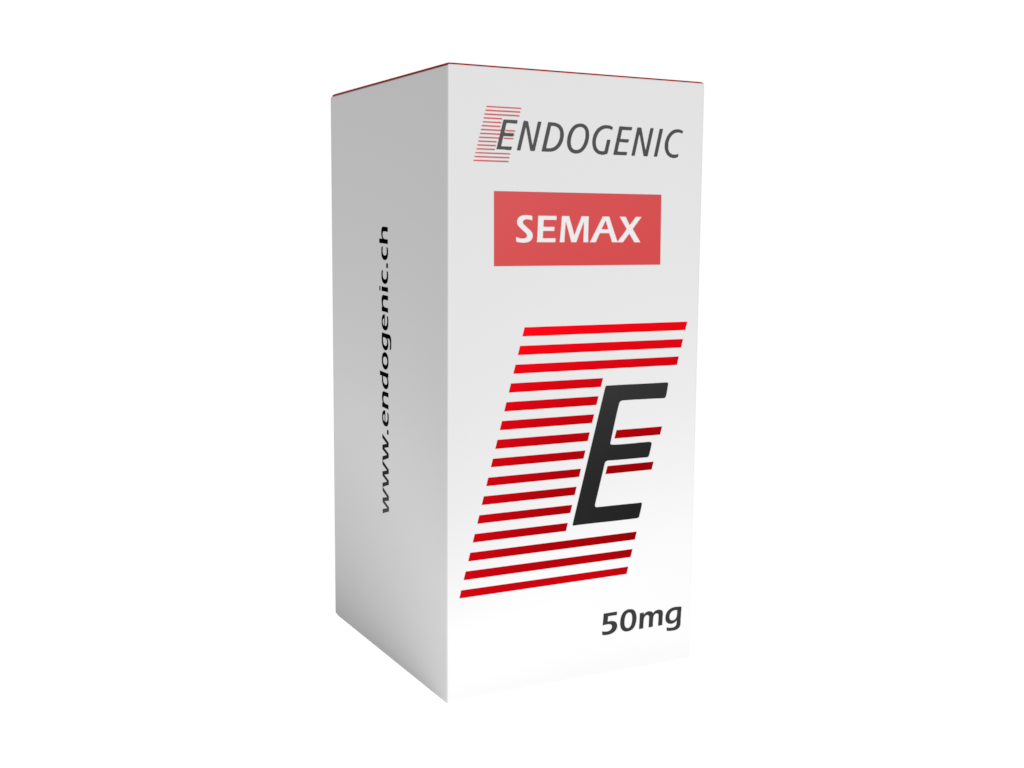
Within the broader group of peptides for brain function, MIF-1 stands out as a tool for studying the allostery of the dopamine receptor, while nootropic peptides such as Semax 50mg are studied with respect to neurotrophic and procognitive BDNF mechanisms.
Specific research directions include:
- Allosteric pharmacology of the dopamine receptor — MIF-1 as a model positive allosteric modulator of D2/D4; studies on the mechanism of allostery of G protein-coupled receptors
- Parkinson’s disease models — assessment of the potentiation of dopaminergic signaling under conditions of its deficiency (6-OHDA, MPTP toxicity); antiparkinsonian profile in rodent models
- Behavioral models of depression and anxiety — forced swim test, tail suspension test; comparative studies of the screening activity of hypothalamic peptides
- Oxytocin–dopamine interaction — MIF-1 as the C-terminal fragment of oxytocin; studies of affective, motivational, and social circuits at the junction of both systems
- Modulation of opioid tolerance — influence of hypothalamic peptides on the development of morphine tolerance and dependence in in vivo models
REGULATORY STATUS
MIF-1 falls under class S0 of the WADA Prohibited List (non-approved substances) as a compound with no marketing authorisation in any country, and is prohibited at all times, even though the List does not name it. The compound, as an endogenous fragment of oxytocin, is formed physiologically in the mammalian organism, which makes its analytical identification in anti-doping protocols non-trivial. Registered athletes (ADAMS) should verify the current list before any decision. The Pareptide drug development program was abandoned in the 1980s; there is no contemporary registration as a drug in any jurisdiction.
Summary
MIF-1 (Pro-Leu-Gly-NH₂, melanostatin) is a linear hypothalamic tripeptide — the C-terminal fragment of oxytocin — historically studied as Pareptide in Parkinson’s disease and depression (clinical phases I–II, project abandoned). The best-documented pharmacological profile of this compound is positive allosteric modulation of the dopamine D2 and D4 receptor: in striatal membrane preparations it increases agonist affinity, and in behavioral models it potentiates the action of L-DOPA (the historical “DOPA potentiation test”, Plotnikoff and Kastin 1971).
Additional research directions include the antidepressant profile in rodent models, oxytocinergic modulation through kinship with oxytocin, and counteracting morphine tolerance. Form: 50 mg lyophilizate in a vial, reconstitution with bacteriostatic water, HPLC purity ≥98%, COA for each batch. Regulatory status — Research Use Only exclusively; no contemporary registration as a drug; WADA status: class S0 (non-approved substances), prohibited at all times.
Within the portfolio of research peptides with an affective and nootropic profile, related tools remain the anxiolytic Selank 10mg and — in a broader treatment of the classification of nootropic compounds — the review nootropic substances — what are they and when to use them.
Bibliography
- Plotnikoff NP, Kastin AJ, Anderson MS, Schally AV (1971). DOPA potentiation by a hypothalamic factor, MSH release-inhibiting hormone (MIF). PubMed
- Mishra RK, Chiu S, Chiu P, Mishra CP (1983). Pharmacology of L-prolyl-L-leucyl-glycinamide (PLG): a review. PubMed
- Bhargava HN (1983). The effect of melanotropin release inhibiting factor, its metabolites and analogs on [3H]spiroperidol and [3H]apomorphine binding sites. PubMed
- Pulvirenti L, Kastin AJ (1988). Blockade of brain dopamine receptors antagonizes the anti-immobility effect of MIF-1 and Tyr-MIF-1 in rats. PubMed
- Marcotte ER, Chugh A, Mishra RK, Johnson RL (1998). Protection against MPTP treatment by an analog of Pro-Leu-Gly-NH2 (PLG, MIF-1). PubMed
FAQ
Originally the compound was classified as Melanocyte-Inhibiting Factor — a factor intended to inhibit the release of melanotropic hormone (MSH) from the intermediate part of the pituitary, hence the name “melanostatin”. Later studies showed that the pharmacologically most significant profile lies in the modulation of dopaminergic transmission, not in MSH regulation. The name remained a historical relic of the first classification, while the direction of research shifted from the endocrinology of melanotropins to the neuropharmacology of dopamine.
The plasma half-life is very short — on the order of minutes. MIF-1 is a linear tripeptide, highly susceptible to hydrolysis by plasma and tissue peptidases. In addition, blood-brain barrier penetration after peripheral administration is limited. For these two reasons, in many preclinical protocols intracerebroventricular (i.c.v.) administration was used — directly into the ventricular system of the brain — to ensure central exposure independent of the blood-brain barrier and rapid peripheral degradation. Pharmacokinetic data in humans remain insufficiently characterized.
MIF-1 is the C-terminal tripeptide of oxytocin. Oxytocin is a nine-amino-acid hypothalamic hormone with a disulfide bridge; after enzymatic cleavage of the cysteine residue and the N-terminal part, the fragment Pro-Leu-Gly-NH₂ remains — that is, MIF-1. This structural kinship explains why the compound exhibits activity at the level of the oxytocinergic system (OTR/V1A receptors) and makes it a tool for studying the interface between the oxytocinergic and dopaminergic systems in affective and motivational circuits.
Yes. The List does not name MIF-1, but as a compound with no marketing authorisation in any country it falls under class S0 (non-approved substances) and is prohibited at all times, in and out of competition. The compound is an endogenous fragment of oxytocin, formed physiologically in the mammalian organism — this makes its analytical identification in anti-doping protocols non-trivial. Registered athletes (ADAMS) should verify the current list before any decision and be aware that the status of the compound in future WADA updates may change.
0.0
0 reviews
This product has no reviews yet.