rhGH (recombinant human growth hormone) is a protein produced by recombinant DNA technology, imitating the growth hormone naturally secreted by the pituitary gland. Somatropin is the name of rhGH with a sequence identical to human GH – a single-chain protein of 191 amino acid residues with a mass of ~22.1 kDa. Unlike the historical somatrem (192 aa with additional methionine), somatropin is a faithful representation of the native molecule. In research, it serves as a model agonist of the growth hormone receptor. In this description it remains a Research Use Only reagent.
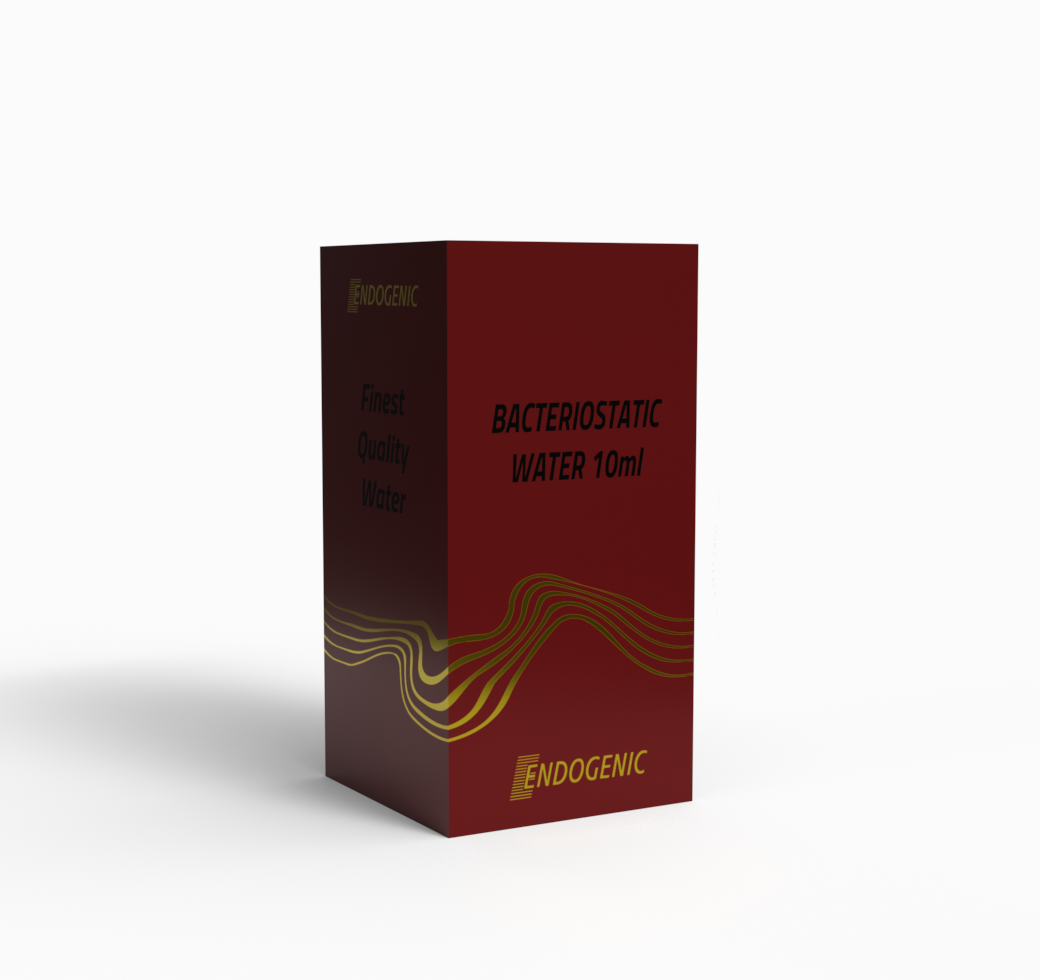
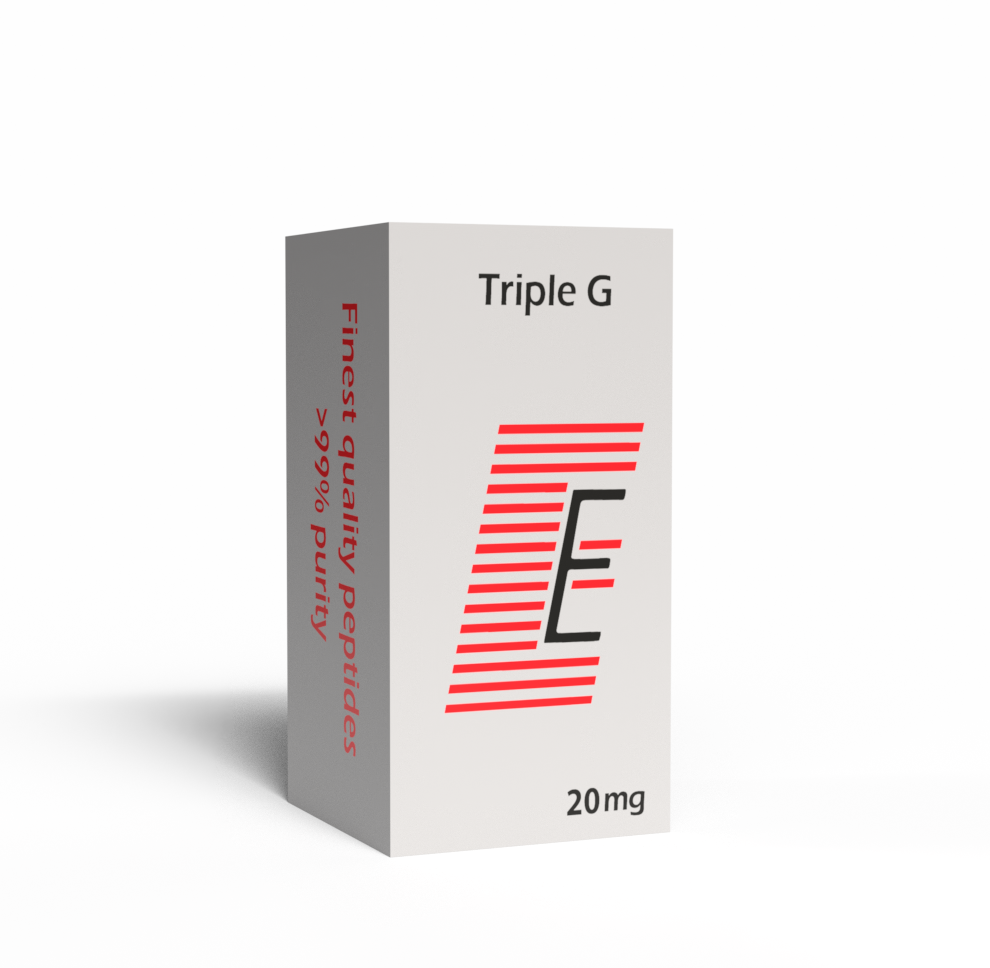
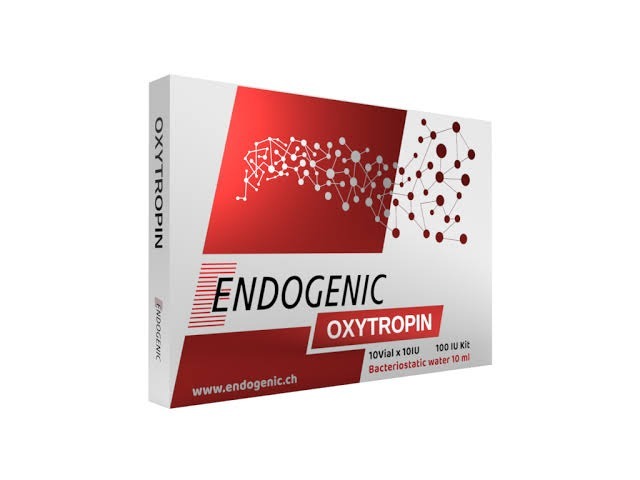
Oxytropin with bacteriostatic water
Oxytropin is somatropin — recombinant human growth hormone, single-chain 191 aa protein with a sequence identical to human GH, from the Endogenic line, delivered as a lyophilisate in a vial with bacteriostatic water for reconstitution. Research Use Only reagent
185,99 €
With code BLACK: 148,79 €
Lowest price in the 30 days before the discount:
185,99 €
Fast shipping
Delivery options
Free delivery from 350 €
Returns policy
Oxytropin (somatropin, rhGH) with bacteriostatic water - research reagent
- Somatropin: recombinant human growth hormone (rhGH), 191 amino acids.
- Lyophilisate in a vial with bacteriostatic water for reconstitution.
- Research Use Only reagent; IU content according to the batch label and COA.
Product status information
Chemical reagent intended exclusively for laboratory tests (Research Use Only). It is not a medicinal product, dietary supplement or food. It is not intended for use on humans or animals. Sales only to registered research units and laboratories.
Regulatory status
Somatropin (recombinant human growth hormone, rhGH) is the active substance registered medicinal products – including Genotropin®, Omnitrope® and Norditropin® — approved for the treatment of growth hormone deficiency and growth disorders, available only on prescription and under medical supervision. Oxytropin reagent in the reagent market is a Research Use Only material and is not a substitute for the medicinal product nor does it replace medical consultation.
In addition, growth hormone is on the prohibited list WADA in category S2 (peptide hormones, growth factors, related substances and mimetics) – and is permanently PROHIBITED (in-competition and out-of-competition), covered by advanced detection methods (GH tests). Registered athletes (ADAMS) must absolutely check the current list of prohibited substances before making any decision. Communication of the product as a “massing”, “regeneration”, “anti-aging” or “GH-IGF1 axis” agent in humans is contrary to the Research Use Only framework.
Oxytropin delivers somatropin – recombinant human growth hormone (rhGH) — one of the best characterized human endocrine proteins and a central element of the hypothalamic-pituitary-GH-IGF1 axis. In the Endogenic Pro-Body line, this reagent maps a molecule of endogenous origin: a hormone naturally secreted in pulsatile modes by the anterior pituitary gland, supplied for research on growth hormone receptor signaling, the GH-IGF1 axis and protein, lipid and carbohydrate metabolism.
In the catalog, the reagent is included in the category HGH and IGF-1 LR3, alongside related tools of the somatotropic axis. What makes somatropin such an interesting tool for endocrinology researchers is its structural identity with the native hormone. Somatropin is a 191-amino acid protein with a sequence identical to human growth hormone — produced by recombinant DNA technology, binding the same receptor (GHR) and triggering the same intracellular JAK2/STAT5 signaling cascade.
Thanks to this, in research models it serves as a faithful representation of endogenous GH, convenient for examining the reactivity of target cells of the somatotropic axis. This reagent delivers somatropin in a vials with lyophilized powder along with bacteriostatic water for reconstitution. The format allows the researcher to independently select the volume of the solvent and set the working concentration according to the parameters of the planned experiment, and the lyophilisate ensures a longer shelf life of the material before dissolution than ready-made solutions.
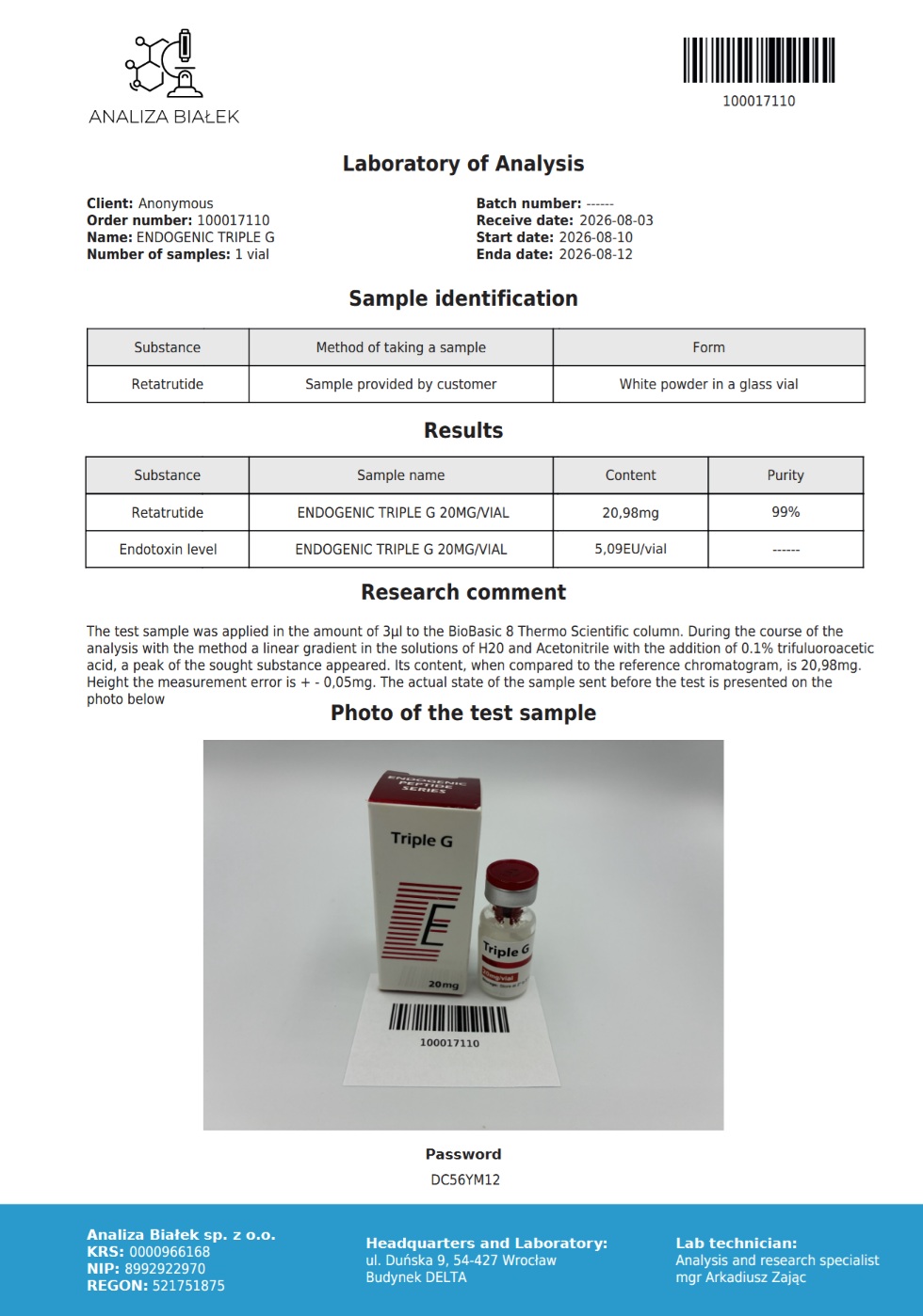
Vial contents are typically expressed in international units (IU) – the exact IU content per vial appears on the batch label and COA. Purity and identity analytically verified, COA available for each batch.
Growth hormone and the GH-IGF1 axis
Growth hormone (GH, somatotropin) is a single-chain protein secreted by somatotropic cells of the anterior pituitary lobe, controlling tissue growth, regeneration and metabolism of the body. In human physiology, the somatotropic axis operates in a cascade: the hypothalamus regulates GH secretion with two opposing signals – GHRH (somatoliberin) stimulates, while somatostatin inhibits hormone release from the pituitary gland.
GH is secreted in pulses, with the highest impulse amplitude during deep sleep. Once released, the hormone travels through the blood to target tissues, where it produces direct effects, and to the liver, where it induces production of IGF-1 (insulin-like growth factor 1) — a major mediator of many of GH’s anabolic effects. Somatropin is a recombinant equivalent of this native hormone.
They are united by sequence identity: somatropin has exactly 191 amino acid residues in an arrangement identical to human GH, unlike the historical somatrem analogue, which carried an additional methionine residue at the N-terminus (192 amino acids). This structural fidelity makes somatropin a model tool for studying how the GH signal translates into cellular response in target tissues.
In the Pro-Body catalog, the Oxytropin reagent belongs to the line Endogenic — materials mapping molecules of endogenous origin, provided for research on GH-IGF1 axis signaling. As a faithful representation of human GH, somatropin is a tool for examining the reactivity of cells to a somatotropic signal – hepatocytes in the context of hepatic IGF-1 production, adipocytes in the context of lipolysis, and growth tissues in the context of protein anabolism.
In the latter context, the GH-IGF1 axis is a reference point for research on peptides for muscle mass and hypertrophy mechanisms.
What is Oxytropin - recombinant growth hormone (rhGH, 191 aa)
Oxytropin is somatropin — recombinant human growth hormone (rhGH) produced by recombinant DNA technology. The molecule is a single-chain protein consisting of 191 amino acid residues, with a sequence identical to human growth hormone and a mass of approx 22.1 kDa. The chain is stabilized by two intramolecular disulfide bridges, and the spatial folding gives the protein a characteristic structure of four helical bundles, which determines its affinity for the receptor.
- Identity with human GH — the sequence of 191 amino acids corresponds to the native growth hormone; somatropin does not contain the additional methionine residue that the older somatrem analogue carried
- Recombinant origin — protein produced in expression systems (historically E. coli or mammalian cell lines), which allows the molecule to be recreated without being obtained from pituitary tissues
- Sensitivity to denaturation — as a protein with a complex tertiary structure, somatropin is sensitive to shear forces, foaming and excessive temperature, which determines a delicate reconstitution protocol
Chemical characteristics
| Parameter | Value |
|---|---|
| Name | Somatropin – recombinant human growth hormone (rhGH) |
| Trade name of the reagent | Oxytropin |
| Line | Endogenic |
| Class | Recombinant endocrine protein; growth hormone receptor (GHR) agonist |
| Structure | Single-chain protein, 191 amino acid residues, two disulfide bridges, four-helix motif |
| Number of amino acids | 191 aa (sequence identical to human GH) |
| CAS number | 12629-01-5 (somatropin) |
| Molecular weight | ~22.1 kDa |
| Target receptor | GHR (growth hormone receptor); JAK2/STAT5 pathway |
| Indirect mediator | IGF-1 (liver production) |
| Contents of the vial | Lyophilisate expressed in IU (IU content per vial – to be verified on the batch label) |
| Physical form | White/off-white freeze-dried powder; for reconstitution with bacteriostatic water |
| Solvent included | Bacteriostatic water for reconstitution |
| Purity/identity | Analytically verified; COA per batch |
Mechanism of action at the molecular level
Somatropin is described in the endocrine literature as a growth hormone receptor agonist, the stimulation of which triggers a cascade with different effects depending on the target tissue. Below are five complementary mechanistic threads with pathway name and research context – all relating to hormone biology and research models, not applicable to humans.
Growth hormone receptor (GHR) agonism – JAK2/STAT5 activation
Central mechanism. Somatropin binds to growth hormone receptor (GHR) — a surface receptor from the cytokine receptor family. One GH molecule binds two receptor subunits, causing its dimerization and the proximity of related kinases. JAK2. Activated JAK2 phosphorylates transcription factors STAT5, which move to the nucleus and trigger the expression of GH response genes – including the IGF-1 gene (Møller, Jørgensen 2009; Ranke, Wit 2018). This is the basis for which the reagent is sometimes used to test the reactivity of target cells of the somatotropic axis.
Direct effects of GH and indirect effects through IGF-1
Two-track operation. Some of the effects of GH are direct — result from the stimulation of GHR in the target tissues themselves (e.g. lipolysis in adipocytes, diabetogenic effect). The second part is indirect and runs through IGF-1: GH-stimulated liver hepatocyte increases the production of insulin-like growth factor 1, which circulates in the blood and mediates many anabolic effects of GH at the tissue level (Ranke, Wit 2018).
This two-track system – direct GH plus indirect IGF-1 – is one of the main areas of research on the somatotropic axis. An exogenous analogue of this intermediary, Oxymedin (IGF-1 LR3), is sometimes used as a complementary tool to examine the IGF-1 arm regardless of the GH signal.
Impact on the metabolism of proteins, lipids and carbohydrates
Metabolic thread. In the literature, GH is described as a hormone with three metabolic axes. In protein metabolism, GH promotes anabolism and a positive nitrogen balance (protein synthesis exceeds decomposition). In lipid metabolism, GH intensifies lipolysis – the release of fatty acids from adipose tissue as an energy source. In carbohydrate metabolism, GH has a diabetogenic effect — limits glucose uptake by peripheral tissues and promotes insulin resistance (Møller, Jørgensen 2009). These three metabolic directions are a model system for studying the action of the hormone at the systemic level.
Tissue growth, regeneration and nitrogen management
Tissue thread. Through IGF-1 and direct action, GH influences tissue growth and regeneration — proliferation of growth plate chondrocytes (linear growth context), matrix synthesis and positive nitrogen balance favoring tissue construction. In regeneration studies, the GH-IGF1 axis is analyzed as a system modulating the repair and anabolic response in cellular and animal models (Liu et al. 2008).
Hypothalamic-pituitary-GH-IGF1 axis and secretory pulsatility
System thread. Endogenous GH secretion is tightly regulated by the following axis: GHRH (somatoliberin) stimulates, while somatostatin inhibits the release of the hormone from the pituitary gland while circulating IGF-1 closes the negative feedback loop at the level of the hypothalamus and pituitary. A characteristic feature is pulsatility — GH is released in impulses, with predominance during deep sleep.
In research models, somatropin is sometimes used as an exogenous signal on the GHR receptor, allowing the study of the axis response independently of central pulsatile regulation (Brinkman et al. 2020). Reference data mainly comes from work on GH metabolism (Møller, Jørgensen 2009), the therapeutic use of growth hormone (Ranke, Wit 2018), the effects of rhGH in healthy adults (Liu et al. 2008), and the physiology of the somatotropic axis (Brinkman et al. 2020).
IMPORTANT DISTINCTION
Somatropin is sometimes confused with other GH axis tools and with registered drugs. The four demarcations are critical here and must not be merged into one.
rhGH (exogenous GH) vs secretagogues (MK-677/GHRP). Somatropin is exogenous growth hormone — directly increases the GH pool in the system by binding the GHR receptor. This is a different mechanism than GH secretagogue, such as oral MK-677 or GHRP peptides, which are not growth hormones themselves – they stimulate own pituitary gland examined to secrete endogenous GH. rhGH replaces the hormone; the secretagogue stimulates its production. These are two separate research approaches to the somatotropic axis.
Somatropin (191 aa) vs somatrem (192 aa). Somatropin has a sequence identical to human GH (191 amino acid residues). The historical analogue somatrem carried an additional methionine residue at the N-terminus (192 amino acids, Met-GH). Both materials are close molecules, but they differ in this single residue – somatropin is a more faithful representation of the native hormone.
RUO reagent vs. registered drug. Somatropin is an active substance in registered drugs (Genotropin®, Omnitrope®, Norditropin®) used in the treatment of GH deficiency and growth disorders – only on prescription and under medical supervision. Oxytropin reagent in the reagent market is a Research Use Only material and is not a substitute for these medicinal products.
Safety Context – GH Risks. In the literature, excessive exposure to GH is associated with risks described in the context of hormone biology: acromegaly (tissue hypertrophy with long-term GH excess), insulin resistance (effect of diabetogenic effect on carbohydrate metabolism), fluid retention and carpal tunnel syndrome. This is information about the profile of the molecule itself – not a suggestion for use or a description of anyone’s performance with this reagent.
Applications in scientific research
The Oxytropin reagent in a lyophilized vial format is used as a GHR receptor agonist in work on growth hormone signaling and the function of the GH-IGF1 axis, provided in a form that allows you to independently determine the working concentration after reconstitution. The following research directions concern cellular and animal models and research on hormone biology.
- GHR receptor signaling — somatropin as a model GHR agonist in cell cultures expressing the receptor; studies of the JAK2/STAT5 cascade, receptor dimerization and signal specificity (Møller, Jørgensen 2009; Ranke, Wit 2018)
- GH-IGF1 axis and hepatic IGF-1 production — assessment of the induction of IGF-1 expression in hepatocytes in response to the GH signal; analysis of a two-track system of direct and indirect effects
- Protein, lipid and carbohydrate metabolism — models of lipolysis in adipocytes, protein anabolism and diabetogenic impact on glucose uptake (Møller, Jørgensen 2009)
- Regeneration and nitrogen management — GH-IGF1 axis as a system modulating the anabolic and repair response in tissue models (Liu et al. 2008)
- Physiology of the somatotropic axis — somatropin as an exogenous GHR signal to study the regulation of the hypothalamic-pituitary-GH-IGF1 axis regardless of the pulsatility of endogenous secretion (Brinkman et al. 2020)
SCIENTIFIC PERSPECTIVE
The lyophilized vial format gives the researcher complete freedom in selecting the working concentration (IU/ml) – after reconstitution, any concentration can be set to suit the experimental parameters, which is not possible with a ready-made solution with factory-set activity. The lyophilisate also has a longer shelf life before dissolution. However, somatropin is an extremely sensitive protein to denaturation – the working solution after reconstitution should be used within a reasonable time window for refrigerated storage and absolutely avoid freeze/thaw and shaking cycles. The variant in the ready-made applicator bypasses the reconstitution step: Oxytropin PEN 60 IU.
Summary
Oxytropin delivers somatropin – recombinant human growth hormone (rhGH, CAS 12629-01-5) – a single-chain protein with 191 amino acid residues identical to human GH and mass ~22.1 kDa, in the form of a lyophilized product in a vial with bacteriostatic water for reconstitution, from the Endogenic line. Five mechanistic threads have been described in the endocrine literature – GHR receptor agonism with JAK2/STAT5 activation, a two-track system of direct GH effects and indirect effects through IGF-1, impact on the metabolism of proteins (anabolism), lipids (lipolysis) and carbohydrates (diabetogenic effect), growth and regeneration of tissues with a positive nitrogen balance and the hypothalamic-pituitary-GH-IGF1 axis with pulsatile secretion endogenous.
The regulatory profile here is particularly important and two-fold. Firstly: somatropin is the active substance of registered drugs (Genotropin®, Omnitrope®, Norditropin®) – the RUO reagent is not their substitute. Secondly: growth hormone is listed in the WADA category S2 and is strictly prohibited (constantly, in- and out-of-competition), covered by advanced GH tests – this is one of the most strongly enforced anti-doping bans.
It is also necessary to distinguish rhGH (exogenous GH) from secretagogues (MK-677/GHRP, stimulating one’s own GH) and somatropin (191 aa) from somatrem (192 aa).
Bibliography
- Ranke MB, Wit JM (2018). Growth hormone – past, present and future. PubMed
- Møller N, Jørgensen JO (2009). Effects of growth hormone on glucose, lipid, and protein metabolism in human subjects. PubMed
- Liu H, Bravata DM, Olkin I, Friedlander A, Liu V, et al. (2008). Systematic review: the effects of growth hormone on athletic performance. PubMed
- Holt RI, Sönksen PH (2008). Growth hormone, IGF-I and insulin and their abuse in sport. PubMed
- Brinkman JE, Tariq MA, Leavitt L, Sharma S (2020). Physiology, Growth Hormone. PubMed
Chemical reagent Research Use Only. Oxytropin (somatropin, rhGH; Endogenic line) in the Pro-Body catalog is not a medicinal product, dietary supplement or food. It is not intended for administration to humans or animals outside a controlled experimental environment. Somatropin is the active substance of registered drugs (Genotropin®, Omnitrope®, Norditropin®) available on prescription – RUO reagent is not a replacement for them.
Growth hormone is on the WADA prohibited list in the category S2 and is strictly prohibited (constantly, in- and out-of-competition; GH tests). Registered Athletes (ADAMS) must check the current list before making any decision. The information in the description is of an educational and scientific nature and refers to the biology of the hormone and the results reported in the literature – it does not constitute medical advice or administration instructions.
FAQ
Somatropin binds the growth hormone receptor (GHR) from the cytokine receptor family – one GH molecule binds two subunits of the receptor, causing its dimerization and activation of the associated JAK2 kinases. These phosphorylate STAT5 factors, which trigger the expression of GH response genes, including the IGF-1 gene (Møller, Jørgensen 2009). The stimulated liver hepatocyte increases the production of IGF-1, which mediates many of the anabolic effects of GH. It is a two-track system: direct effects of GH plus indirect effects through IGF-1. These are observations from hormone biology and research models, not effects in humans with this reagent.
These are two distinct approaches to the somatotropic axis. rhGH (somatropin) is an exogenous growth hormone – it directly increases the GH pool in the system by binding the GHR receptor. GH Secretagogues — oral MK-677 and GHRP peptides — are not growth hormones themselves; they stimulate own pituitary gland examined to secrete endogenous GH. rhGH replaces the hormone; the secretagogue stimulates its natural production. In research on the GH-IGF1 axis, they are two different tools with different sites of action.
These are two different worlds with the same chemical name. Somatropin is the active substance of registered drugs – Genotropin®, Omnitrope®, Norditropin® — which have undergone full clinical trials, have a summary of medicinal product characteristics, are produced under the GMP regime and are available only by prescription under medical supervision, for the treatment of GH deficiency and growth disorders. The Oxytropin RUO reagent described here is a material for laboratory work: it does not have pharmaceutical documentation, injection quality or authorization for administration to humans.
It is not a substitute for medicine and does not replace medical consultation.
Growth hormone is on the WADA prohibited list in the category S2 (peptide hormones, growth factors, related substances and mimetics) and it is absolutely forbidden — constantly, both in-competition and out-of-competition. The reason is mechanistic: GH affects protein anabolism, lipolysis and the IGF-1 axis, which makes it an important factor in anti-doping monitoring. GH is the target of advanced detection methods (tests for GH isoforms and GH-IGF1 axis markers), and enforcement of this ban is among the strongest.
Registered athletes (ADAMS) must absolutely check the current list before making any decision. The RUO reagent remains a test material – this does not change the WADA status of the substance itself.
Somatropin is a freeze-dried powder that requires dissolution before use; The set includes bacteriostatic water. As a protein sensitive to denaturation, it requires special gentleness. In short: equalize the temperature of the vial and water to room temperature, disinfect the stoppers, enter the calculated volume of water with a sterile syringe on the wall of the vial — never directly onto the powder — and leave to dissolve on its own without shaking (very gentle turning instead of shaking so as not to denature the protein).
The working solution should be clear and colorless; turbidity or flocs signal aggregation and disqualify the batch. Store it in a refrigerator at 2-8°C, avoid freeze/thaw cycles and use it within a reasonable time window – protein in the aqueous phase loses activity faster than the lyophilized protein. The vial format allows you to select any working concentration in IU/ml.
5.0
1 review
-
Sotiris Theodosiou Verified purchase
Top quality product!!!
Finally I found a top quality rHGH, keep up the great work ! So happy that I found Pro-Body !!
-
Hunter
 Polski
Verified purchase
Product review
Polecam, Endogenic to solidna marka.
-
Piotr
Polski
Product review
Najlepszy na rynku cały czas trzyma jakość! Dziekuje
-
przemek.k
Polski
Verified purchase
Product review
Polecam rewelacja
-
Mary
Polski
Verified purchase
Product review
Najlepszy, polecam ♥️
Black Week
Black Week deals before everyone else
Sign up for the newsletter and get access to the Black Week promotion before other customers.
By signing up you agree to receive the Pro-Body newsletter with news and promotions. You can unsubscribe at any time with one click in the e-mail. Privacy policy
Customers also bought