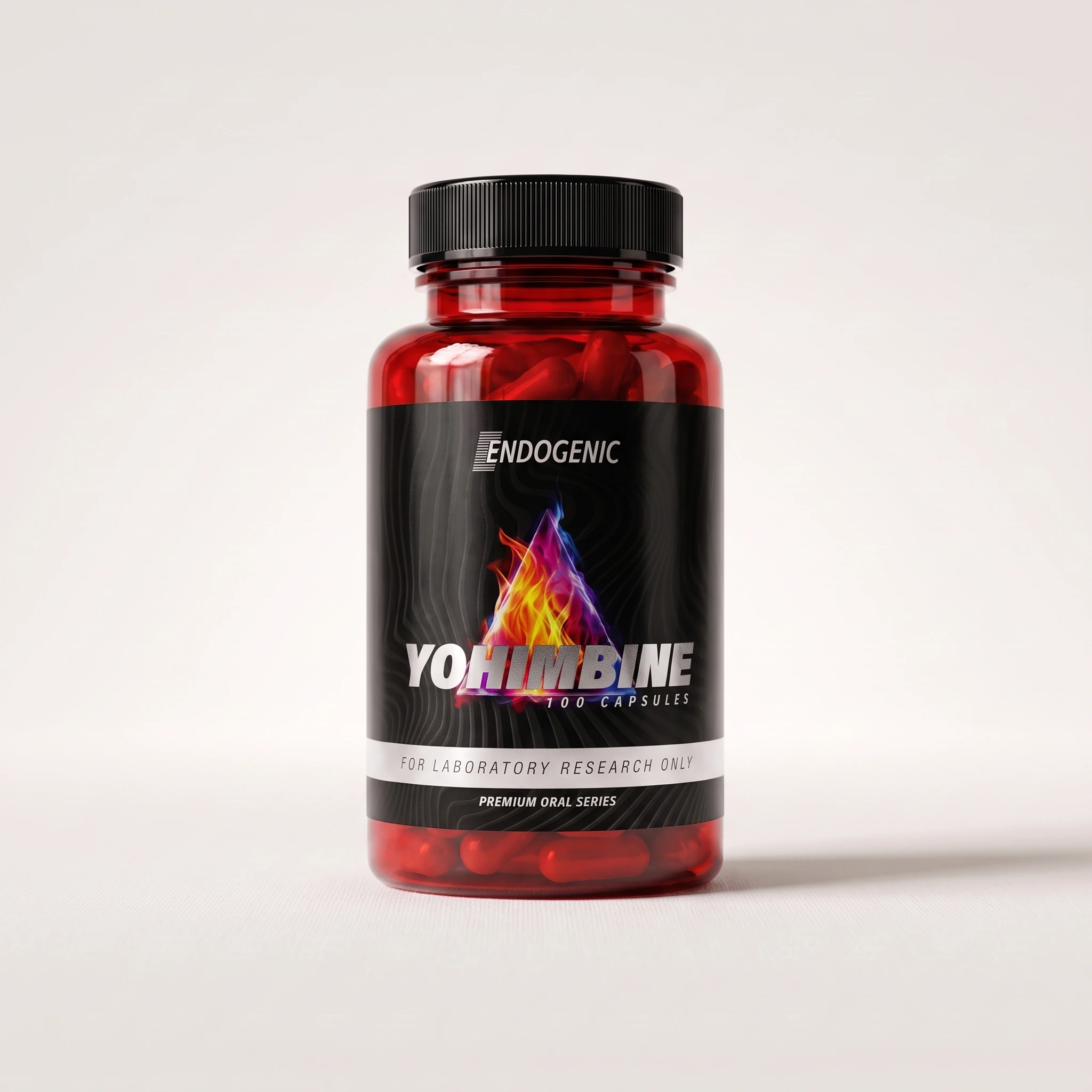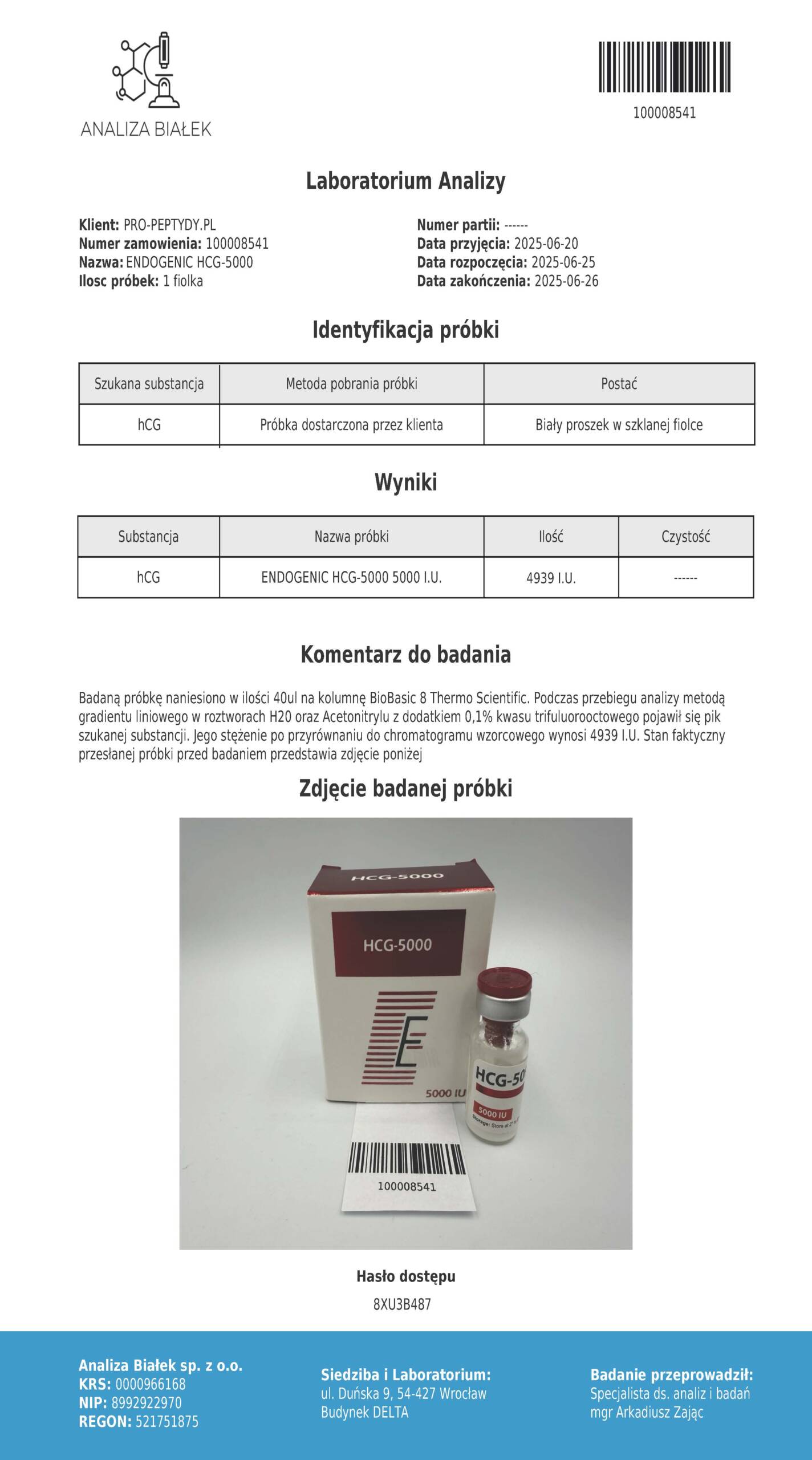
Yohimbine HCl is pure yohimbine hydrochloride – a single, analytically characterized alkaloid with a defined mg/ml concentration confirmed in the batch COA (HPLC ≥98%, MS Q-TOF). Yohimbe extract is raw bark material Pausinystalia yohimbe, which contains a variable – often unknown – content of yohimbine alongside other yohimbe alkaloids. From a research point of view, this difference is fundamental: the repeatability of the experiment requires a known concentration of the active substance, which the botanical extract does not provide. This reagent is defined as yohimbine hydrochloride, not an extract.

Yohimbine 30ml – 20mg/ml
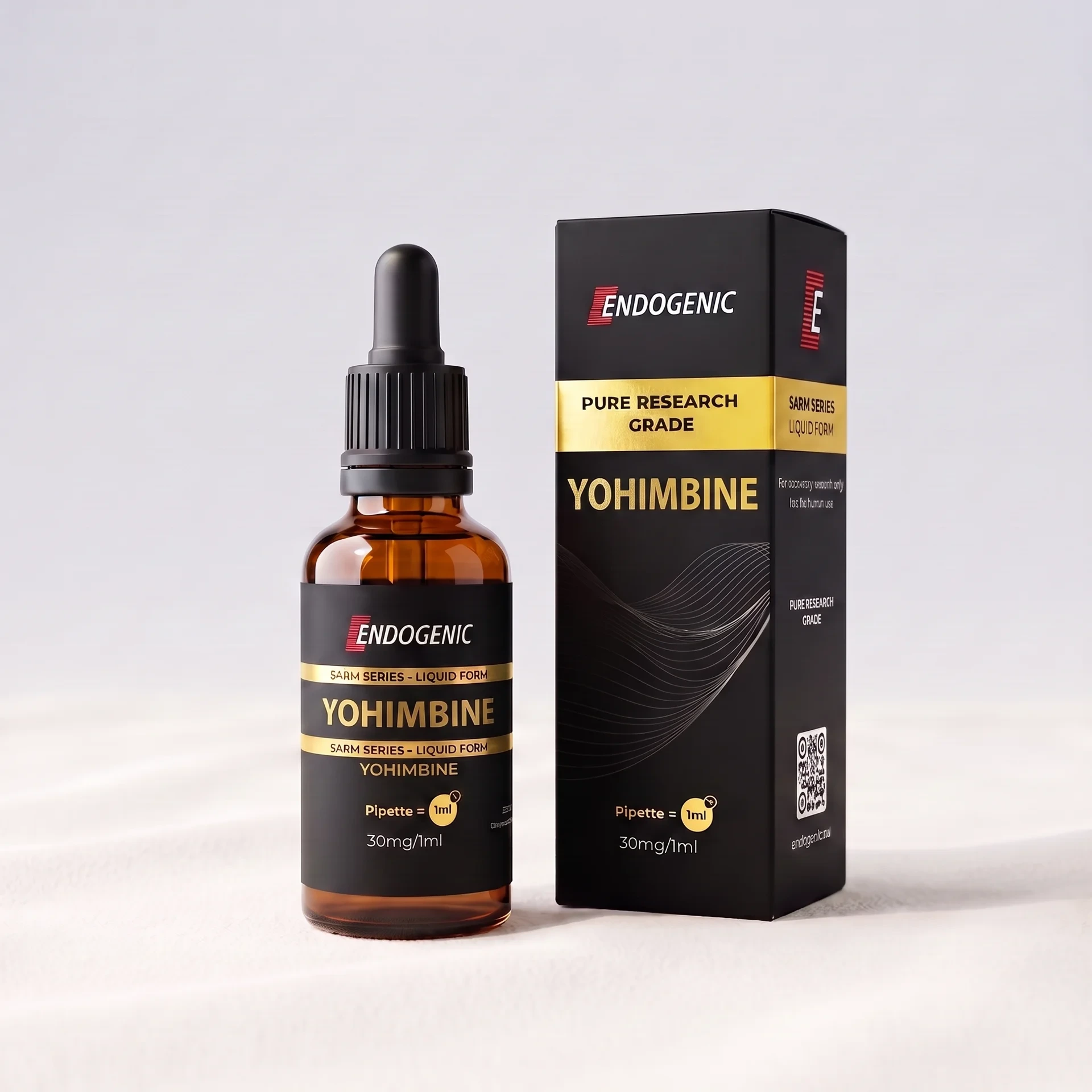
Yohimbine HCl — solution in a 30 ml dropper bottle (Endogenic line) is an indole alkaloid from the bark Pausinystalia yohimbe, an α2-adrenergic receptor antagonist studied in the context of noradrenergic transmission, lipolysis in resistant adipose tissue and the neuropharmacology of anxiety. Research Use Only
30,99 €
With code BLACK: 24,79 €
Lowest price in the 30 days before the discount:
30,99 €
Fast shipping
Free delivery from 350 €
Returns policy
Yohimbine HCl 30 ml - indole alkaloid, α2-adrenergic receptor antagonist
- Yohimbine HCl: yohimbine hydrochloride.
- Solution in a 30 ml dropper bottle.
- Research Use Only reagent, not for human use.
Product status information
Chemical reagent intended exclusively for laboratory tests (Research Use Only). It is not a medicinal product, dietary supplement or food. It is not intended for use on humans or animals. Sales only to registered research units and laboratories.
Regulatory Status (Critical) – Yohimbine is a drug in some jurisdictions
Yohimbine hydrochloride is the active substance of a registered medicinal product (including Yocon®) for the indication of erectile dysfunction in selected countries. As a medicine, it is subject to medical supervision there and is issued with a doctor’s prescription. This reagent Yohimbine HCl RUO is not a substitute for a medicinal product, does not replace medical consultation and is not intended for human use.
At the same time, in the European Union, yohimbine is subject to restrictions as a food ingredient – the European Food Safety Authority (EFSA) indicated that a safe dose of yohimbine in food cannot be established, and national authorities warned against its presence in consumer products. The communication of this reagent as a “fat burner”, “libido booster” or “supplement for stubborn adipose tissue” is contrary to the Research Use Only framework.
Yohimbine HCl – yohimbine hydrochloride – is indole alkaloid plant origin (African tree bark Pausinystalia yohimbe), pharmacologically classified as α2-adrenergic receptor antagonist. Unlike research peptides (BPC-157, TB-500) or synthetic SARMs, yohimbine is among the best characterized alkaloids in the pharmacology of the sympathetic nervous system – with literature dating back decades in which the compound has served as a classic tool for studying presynaptic regulation of norepinephrine release. This reagent is supplied in line Endogenous in format solution in a 30 ml dropper bottle (concentration mg/ml declared in the batch COA).
The form of the dropper solution is adapted to laboratory research protocols operating with working concentrations in vitro on cell lines and in vivo on animal models – the dropper simplifies the measurement of repeatable volumes of solution with a known concentration of mg/ml without the need to weigh the substance for each test. Purity verified by HPLC ≥98%, identity confirmed by mass spectrometry, COA available for each batch.
The central axis of yohimbine pharmacology is the blockade of presynaptic α2-adrenergic receptors, which physiologically inhibit the release of norepinephrine in a feedback mechanism. α2 antagonism abolishes this inhibition, intensifying noradrenergic transmission – and it is this mechanism that underlies the broad interest in the compound in research on lipolysis in resistant adipose tissue, circulation, anxiety and sexual function. We describe each of these directions below in a research, not consumer, framework.
Indole alkaloid and α2-adrenergic receptors
Yohimbine is an indole alkaloid with a structure similar to reserpine and other yohimban alkaloids. It was isolated from the bark Pausinystalia yohimbe (formerly Corynanthe yohimbe), a tree growing in West and Central Africa. In the laboratory, it most often exists in the form of a salt – yohimbine hydrochloride — which provides better water solubility and stability than the free base. α2-adrenergic receptors belong to the superfamily of G-protein-coupled receptors (GPCRs). They come in three subtypes (α2A, α2B, α2C) and function as autoreceptors and heteroreceptors within the sympathetic nervous system.
Their main physiological role is feedback inhibition of norepinephrine release: when noradrenaline binds the presynaptic α2 receptor, the signal reduces its further release from the nerve ending. α2 receptors are also located on adipocytes, where they inhibit lipolysis, and in the central nervous system, where they modulate blood pressure, alertness, and anxiety responses. Biological functions relevant to research interest in yohimbine include:
- Regulation of noradrenergic transmission — antagonism of presynaptic α2 abolishes feedback inhibition and increases norepinephrine release
- Modulation of lipolysis in adipocytes — α2 receptors inhibit the breakdown of triglycerides in adipose tissue; their blockade disinhibits lipolysis, especially in areas with high α2 density (a mechanism studied in the context of so-called “resistant adipose tissue”)
- Effects on the circulatory system — sympathomimetic effect, modulation of blood pressure and heart rate
- Modulation of anxiety and vigilance — at higher concentrations, yohimbine has anxiogenic effects (animal models and historical human studies on the noradrenergic axis in anxiety)
- Research on sexual function — historical use of yohimbine as a compound tested in the context of erectile dysfunction (basis for registration of the Yocon® drug)
For this reason, yohimbine has been treated for decades as a classic pharmacological tool for probing the α2-adrenergic axis – in studies on lipid metabolism, neuropharmacology of anxiety and circulatory physiology. The lipolytic mechanism puts it in line with other compounds studied as peptides for burning fat tissue, although yohimbine is an alkaloid with a different molecular purpose.
What is Yohimbine HCl (yohimbine hydrochloride)?
Chemically, Yohimbine HCl is the hydrochloride salt of the indole alkaloid yohimbine, with antagonistic affinity for α2-adrenergic receptors.
- Common name: Yohimbine HCl (yohimbine hydrochloride, yohimbine)
- Origin: bark alkaloid Pausinystalia yohimbe
- Pharmacological class: α2-adrenergic receptor antagonist (α2A/α2B/α2C)
- Molecular function: blockade of presynaptic α2, intensification of noradrenergic transmission; lipolysis modulator
- Molecular type: indole alkaloid (NOT peptide, NOT steroid, NOT SARM)
- Delivered form: solution in a bottle with a dropper of 30 ml; mg/ml concentration declared in the batch COA; pharmaceutical grade ≥98% HPLC
Table of physicochemical characteristics
| Parameter | Value |
|---|---|
| Name | Yohimbine HCl (yohimbine hydrochloride) |
| Pharmacological class | α2-adrenergic receptor antagonist |
| CAS number (hydrochloride) | 65-19-0 |
| CAS number (rule) | 146-48-5 |
| Summary formula | C₂₁H₂₆N₂O₃·HCl |
| Molecular weight (HCl) | 390.90 g/mol |
| Molecular type | Indole alkaloid |
| Cleanliness | ≥98% (HPLC) |
| Character | Solution, dropper bottle 30 ml; mg/ml concentration – see COA |
| Identity confirmation | Mass spectrometry (MS Q-TOF) |
| Storage conditions | Room temperature (15-25°C), protect from light |
| Shelf life | 24 months (lot details – COA) |
Mechanism of action at the molecular level
Yohimbine binds to α2-adrenergic receptors as competitive antagonist, blocking their activation by norepinephrine. Because presynaptic α2 receptors physiologically inhibit norepinephrine release in a feedback loop, blocking them abolishes this inhibition and leads to increased release of noradrenaline into the synaptic cleft. Pharmacological profile – five axes of action:
- Antagonism of presynaptic α2 receptors and intensification of noradrenergic transmission — blockade of α2 autoreceptors abolishes feedback inhibition, increasing the release of norepinephrine; this is the fundamental mechanism from which the remaining systemic effects of yohimbine result
- Disinhibition of lipolysis in adipocytes (resistant adipose tissue) — α2 receptors on fat cells inhibit lipolysis, acting in opposition to β-adrenergic receptors; in areas with high α2 density (in research models: thighs, buttocks, abdominal region), α2 blockade shifts the balance towards triglyceride distribution. This is a mechanism intensively studied in the so-called “resistant adipose tissue” paradigm.
- Modulation of the circulatory system and blood pressure — sympathomimetic effect resulting from an increase in noradrenergic tone; in the models, an increase in blood pressure and heart rate was observed with increased sympathetic transmission
- Modulation of anxiety and vigilance (anxiogenic component) — in the central nervous system, the intensity of noradrenergic transmission at higher concentrations correlates with the induction of anxiety reactions; Yohimbine has been a historical tool in research into the noradrenergic basis of anxiety and panic attacks
- Effects on sexual function — historical basis for registration of the Yocon® drug; studies on yohimbine in the context of erectile dysfunction combined a peripheral effect (circulation) with a central effect (noradrenergic system). A systematic review by Ernst and Pittler 1998 examined this evidence base in clinical settings
Pharmacokinetic profile (literature synthesis):
- Yohimbine is well absorbed after oral administration under pharmaceutical conditions (drug context), with a relatively short half-life
- Marked individual variability of pharmacological response (differences in metabolism and receptor sensitivity)
- Molecular target: α2-adrenergic receptors (competitive antagonism), with less affinity for serotonin and dopamine receptor subtypes at higher concentrations
The α2-adrenergic mechanism activates one axis complex regulation of the sympathetic nervous system and lipid metabolism. Lipolysis in the body depends on energy balance, insulin status, β-adrenergic activity, thyroid hormones and cortisol – α2 blockade modifies only one node of this network. In turn, the intensification of noradrenergic transmission in the central nervous system carries a risk component, which makes yohimbine a compound with a particularly important safety profile.
IMPORTANT DISTINCTION – Narrow window of safety and yohimbine vs yohimbe extract
“Disinhibition of lipolysis in resistant adipose tissue” in the context of this description refers only to the pharmacological mechanism studied in vitro and in models.
This is not a guarantee of results for a human using the RUO reagent or a suggestion to use yohimbine as a “stubborn fat burner”. Yohimbine has narrow safety window — Tachycardia, increased blood pressure, anxiety, panic attacks, insomnia and agitation have been reported in the literature at higher concentrations. The risk profile is intensifying interactions with MAO inhibitors (MAOIs), blood pressure lowering drugs, antidepressants and other stimulants, and absolute areas of caution include cardiovascular diseases, hypertension, arrhythmia, and anxiety and psychiatric disorders.
Additionally, it must be distinguished pure yohimbine (Yohimbine HCl, defined mg/ml concentration in COA) from yohimbe extract — bark extract contains a variable, often unknown alkaloid content next to other yohimbanes, which makes it a material with an unpredictable profile. This reagent is analytically characterized yohimbine hydrochloride, not a botanical extract.
Applications in scientific research
Yohimbine is used in research in several areas. In vitro models (adipocytes, cell lines expressing α2 receptors, tissue preparations) examine the kinetics of α2 antagonism, the effect on lipolysis and selectivity towards receptor subtypes. In vivo models (rodents) analyze the noradrenergic axis in the context of lipid metabolism, blood pressure, anxiety reactions and locomotor activity. Specific research directions include:
- Pharmacology of α2-adrenergic receptors — yohimbine as a reference antagonist in affinity analyses, subtype selectivity (α2A/α2B/α2C) and characterization of new ligands
- Research on lipolysis and adipose tissue — measurement of glycerol and free fatty acids release in adipocytes, models of “resistant adipose tissue” with high α2 density (Galitzky et al. 1988; Kucio et al. 1991)
- Neuropharmacology of anxiety — yohimbine as a tool testing the noradrenergic basis of anxiety reactions and panic attacks in animal models
- Physiology of the circulatory system — studies on the sympathomimetic effect on blood pressure and heart rate
- Body composition and exercise capacity (historical context) — the Ostojic 2006 study analyzed the effect of yohimbine on body composition and exercise parameters in a group of athletes; a clinical review by Tam et al. 2001 summarized the pharmacology of the compound
- Research on sexual function — the historical evidence base for yohimbine in erectile dysfunction, synthesized in the review by Ernst and Pittler 1998
In a comparative laboratory context, yohimbine is sometimes compared with other metabolism-modulating compounds – from substances from the group SARMs for fat burning, such as SR-9009 (Stenabolic) or GW-501516 (Cardarine), to the classic fatty acid transporter, which is L-carnitine. Each of these compounds affects a different node of lipid metabolism, which makes them frequent reference points in work on the mechanisms of lipolysis.
Summary
Yohimbine HCl (yohimbine hydrochloride, 30 ml solution, Endogenic line) is an indole alkaloid from the bark Pausinystalia yohimbe, pharmacologically classified as an α2-adrenergic receptor antagonist. Blockade of presynaptic α2 abolishes feedback inhibition of norepinephrine release and enhances noradrenergic transmission – the mechanism underlying the five axes studied: disinhibition of lipolysis in resistant adipose tissue, modulation of the circulatory system, anxiogenic component in the central nervous system and historical research on sexual function (basis for registration of the Yocon® drug).
Yohimbine holds a rare regulatory position – it is a registered drug in some jurisdictions, a restricted food ingredient in the EU (EFSA) and a classic research reagent. The compound has a narrow safety window: tachycardia, hypertension, anxiety and insomnia have been reported at higher concentrations, with significant interactions with MAOIs, antihypertensive drugs and stimulants. Pure yohimbine hydrochloride should be distinguished from yohimbe extract with variable alkaloid content. Solution in a 30 ml dropper bottle, mg/ml concentration in COA, HPLC purity ≥98%, MS Q-TOF confirmation. Regulatory Status – Research Use Only; not for use on humans or animals.
Practical principles of working with yohimbine and its profile in reduction protocols are discussed in the entry about yohimbine HCL and its dosage; a broader context of combining the compound in fat burning stacks is presented in the article Yohimbine HCL for weight loss.
Bibliography
- Tam SW, Worcel M, Wyllie M (2001). Yohimbine: a clinical review. PubMed
- Ostojic, S. M. (2006). Yohimbine: the effects on body composition and exercise performance in soccer players. PubMed
- Galitzky J, Taouis M, Berlan M, Rivière D, Garrigues M, Lafontan M (1988). Alpha 2-antagonist compounds and lipid mobilization: evidence for a lipid mobilizing effect of oral yohimbine in healthy male volunteers. PubMed
- Kucio C, Jonderko K, Piskorska D (1991). Does yohimbine act as a slimming drug?. PubMed
- Ernst E, Pittler MH (1998). Yohimbine for erectile dysfunction: a systematic review and meta-analysis of randomized clinical trials. PubMed
DISCLAIMER – Research reagent (Research Use Only)
Product Yohimbine HCl – solution 30 ml is sold exclusively as chemical reagent for laboratory tests in vitro and on animal models. It is not a medicine, is not a dietary supplement and is not a product intended for human consumption. It is not intended to diagnose, treat, cure, mitigate or prevent any disease. Yohimbine hydrochloride is also the active substance of a registered drug (including Yocon®) for the indication of erectile dysfunction in selected jurisdictions – this reagent is not this medicine and does not replace medical consultation.
In the European Union, yohimbine is restricted as a food ingredient (EFSA – it is impossible to establish a safe dose in foodstuffs).
Yohimbine has a narrow safety window: tachycardia, hypertension, anxiety, panic attacks, and insomnia have been reported at higher concentrations, with significant interactions with MAOIs, antihypertensive medications, antidepressants, and stimulants. Yohimbine is not on the current WADA Prohibited List – athletes covered by anti-doping programs should, however, verify current guidelines on their own. Sales addressed to qualified research personnel, scientific units and pharmacological laboratories. The buyer assumes full responsibility for the legal and safe use of the reagent under laboratory conditions consistent with applicable regulations and institutional guidelines.
FAQ
α2-adrenergic receptors are G-protein-coupled receptors that physiologically inhibit the release of norepinephrine in a feedback loop – when norepinephrine binds presynaptic α2, the signal reduces its further release. Yohimbine, as a competitive antagonist, blocks these receptors, abolishing feedback inhibition and intensifying noradrenergic transmission. α2 receptors are also found on adipocytes (where they inhibit lipolysis) and in the central nervous system (where they modulate blood pressure, alertness and anxiety reactions), which explains the wide profile of research interest in the compound.
Lipolysis in adipocytes is regulated oppositely by two types of adrenergic receptors: β-adrenergic receptors intensify the breakdown of triglycerides, and α2-adrenergic receptors inhibit it. In areas with a high density of α2 receptors (in research models: thighs, buttocks, abdominal region), lipolysis is more strongly inhibited – hence the concept of “resistant adipose tissue”. Blockade of α2 by yohimbine shifts the balance toward triglyceride distribution in these areas (Galitzky et al. 1988). This is a mechanism studied in vitro and in models and does not suggest the use of the reagent in humans.
Because its effects are strongly concentration-dependent, and the intensity of noradrenergic transmission carries a real systemic risk. Tachycardia, increased blood pressure, anxiety, panic attacks, insomnia and agitation have been reported in higher concentrations in the literature. The risk profile is additionally intensified by interactions with MAO inhibitors (MAOIs), blood pressure lowering drugs, antidepressants and other stimulants, and particular caution is indicated in cardiovascular diseases, hypertension, arrhythmia and anxiety disorders.
This is one of the reasons why yohimbine requires medical supervision in the pharmaceutical context, and as a reagent it remains only a laboratory material.
NO. Yohimbine hydrochloride is the active substance of a registered drug (including Yocon®) for the indication of erectile dysfunction in selected jurisdictions – there it is available with a prescription and under medical supervision. This material is Research Use Only reagent: is not a medicinal product, does not replace medicine or medical consultation and is not intended for human use. This distinction is legally important – the same chemical compound can function as a drug (in the pharmaceutical frame) and as a research reagent (in the laboratory frame), but the two statuses are separate.
Yohimbine not listed on the current WADA Prohibited List – was subject to analysis, but was not included on it; nevertheless, registered athletes (ADAMS) should verify the current list on their own. In the European Union, yohimbine is restricted as a food ingredient: EFSA has indicated that a safe dose of yohimbine in foods cannot be established, and national regulators have warned against consumer products containing yohimbine and yohimbe extract. This material is sold as an RUO reagent only, outside both of these frameworks.
5.0
5 reviews
-
bartek.n
 Polski
Verified purchase
Product review
Produkt jak zwykle zgodny z oczekiwaniami, dobrze się to bada;)
-
Patrycja M
Polski
Verified purchase
Product review
Lepszej Johy od tej nie mialam
-
Patryk P.
Polski
Verified purchase
Product review
Również polecam.
-
Klient
Polski
Verified purchase
Product review
Naprawdę świetna yoszka. Polecam.
-
Bobi
Polski
Product review
Najlepsza na rynku, polecam.
-
Sajmon
Polski
Product review
Polecam!
Customers also bought