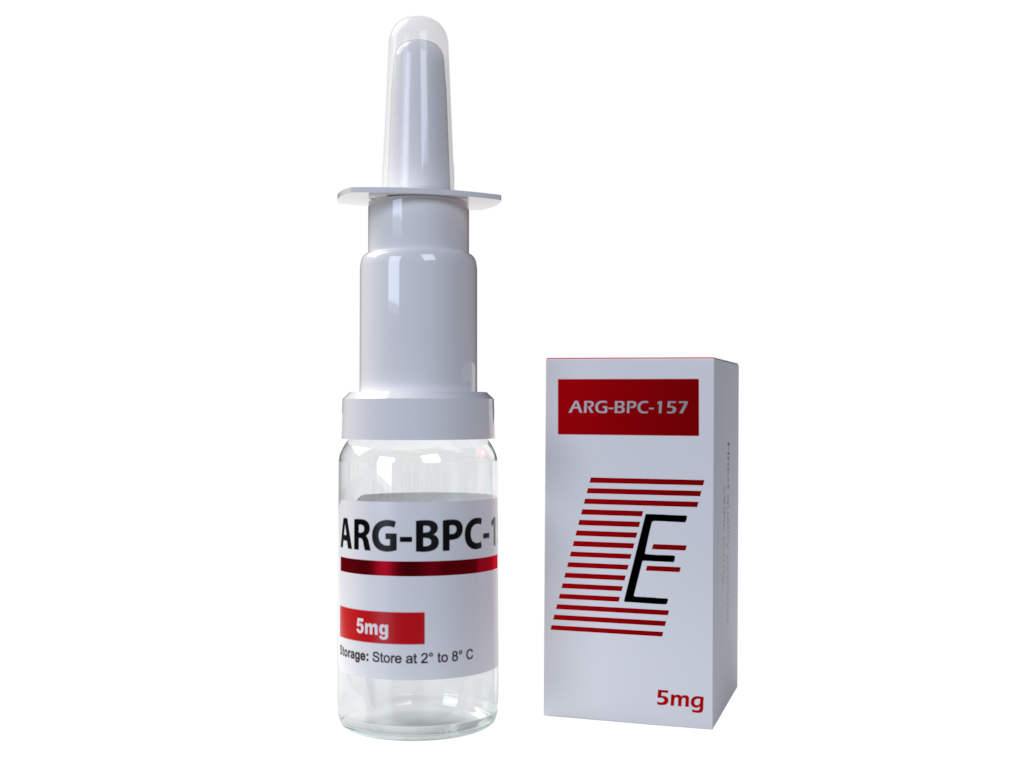
NO. This is a self-preparation kit. The composition includes three elements: a vial with BPC-157 arginine salt lyophilisate (powder), bacteriostatic water for reconstitution and an empty glass atomizer with a dosing pump. The researcher first reconstitutes the lyophilisate with the included water, then transfers the solution to the atomizer. The concentration of the solution is not factory set – it results from the peptide content in the vial (given in the COA) and the volume of water used for reconstitution. This format refers to the explored direction of intranasal administration and the brain-gut axis.
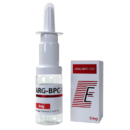
ARG-BPC-157 spray
ARG BPC-157 for the nose — arginine salt of regenerative pentadecapeptide (Body Protection Compound, Endogenic line) as a kit for self-preparation of the spray: vial with lyophilisate + bacteriostatic water + glass atomizer (requires reconstitution). RUO reagent
30,99 €
With code BLACK: 24,79 €
Lowest price in the 30 days before the discount:
30,99 €
Fast shipping
Free delivery from 350 €
Returns policy
ARG BPC-157 Nasal - RUO Research Reagent
- ARG BPC-157: arginine salt of the BPC-157 pentadecapeptide.
- Spray preparation kit: lyophilisate, water and glass atomizer; not a ready-to-use solution.
- Research Use Only reagent, not a medicinal product.
Product status information
Chemical reagent intended exclusively for laboratory tests (Research Use Only). It is not a medicinal product, dietary supplement or food. It is not intended for use on humans or animals. Sales only to registered research units and laboratories.
Regulatory frameworkwork – WADA S0 status
BPC-157 is located from 2022 on the WADA prohibited list – category S0 (unapproved substances). The S0 category includes pharmacological compounds that have not been approved by any regulatory agency for use in humans (no registration as a drug) and yet are used in the context of supportive care. BPC-157 never went through the full registration path – phase II of clinical development (PL 14736, Diagen) was abandoned in 2014.
The arginine salt form does not change this status: it is the same peptide core. In the Pro-Body ARG catalog, BPC-157 for the nose is available only as RUO research reagent, not as an adjunct. Registered athletes (ADAMS) must check the current list of prohibited substances before making any decision.
ARG BPC-157 from the Endogenic line is arginine salt pentadecapeptide isolated from gastric juice – not from a combinatorial chemistry laboratory. Predrag Sikiric’s team isolated the BPC-157 core in Zagreb in 1991 as a fragment of a larger gastric mucosa protective protein (Body Protection Compound). It’s a paradox embedded in the molecule itself: a peptide isolated from the body’s most chemically aggressive environment – the highly acidic gastric juice – turned out to be exceptionally resistant to digestion, which breaks down most peptides within minutes.
Thirty years later, BPC-157 is still not approved as a drug in the EU or the USA, and its clinical development is stuck in Phase II. Despite this, it remains one of the most frequently studied peptides for regeneration in the preclinical literature on connective tissue repair. This reagent provides BPC-157 in two complementary format decisions. The first concerns chemistry: instead of the acetate or hydrochloride form, it was used arginine salt (ARG) — a variant in which arginine was added to the peptide core, improving the solubility and stability of the aqueous solution.
The second concerns the form: the peptide is delivered as kit for self-preparation of nasal spray – vial with arginine salt lyophilisate, bacteriostatic water for reconstitution and a glass atomizer with a dosing pump. This is not a ready-to-use solution: the researcher first reconstitutes the lyophilized product with the included water and then fills the atomizer, preparing the solution for intranasal administration.
The combination of the arginine salt and the intranasal route is not accidental – the better solubility of the arginine salt goes well with the preparation of a clear aqueous solution, and intranasal administration of peptides is one of the explored directions of nose-to-brain transport in neuropharmacology. Purity verified by HPLC ≥98%, identity and salt form confirmed by Q-TOF mass spectrometry, COA available for each batch.
BPC-157, a gastric protein and arginine salt variant
BPC-157 (Body Protection Compound 157, PL 14736) is stable gastric pentadecapeptide with a sequence of fifteen amino acids. Unlike many research peptides, it does not come from de novo design – it is a fragment of a naturally occurring protective protein of human gastric juice. This feature explains one of its most frequently reported properties: exceptional proteolytic stability, i.e. resistance to digestion in the gastrointestinal environment, where most peptides are rapidly degraded.
In the preclinical literature, BPC-157 is described primarily in context connective tissue reparation — models of Achilles tendon rupture and cutting, ligament and muscle damage — and protection of the digestive tract (models of stomach ulcers, colitis). This makes it a common reference point in research on peptides for injuries soft tissues. Secondary research areas include the brain-gut axis, nitric oxide modulation, and angiogenesis, or the formation of new blood vessels.
The format of this reagent adds two solutions to the BPC-157 core. Arginine salt (ARG BPC-157) is a variant of the salt in which arginine has been added to improve the solubility and stability of the peptide in solution – unlike the acetate (the most common) or hydrochloride form. The core sequence remains the same, the salt form and some of the physicochemical parameters change.
Set with atomizer delivers this peptide in a format prepared for the intranasal route – one of the directions of administration being explored. In the Pro-Body ARG catalog, BPC-157 for nasal belongs to the regenerative peptides of the Endogenic line and works well in comparison protocols with TB-500 5mg acting through a separate molecular pathway.
What is ARG BPC-157 - sequence, class and arginine salt
BPC-157 is synthetic pentadecapeptide corresponding to a 15 amino acid fragment of the human gastric protective protein. The sequence is Gly-Glu-Pro-Pro-Pro-Gly-Lys-Pro-Ala-Asp-Asp-Ala-Gly-Leu-Val (single letter notation: GEPPPGKPADDAGLV). The molecular formula of the peptide core C₆₂H₉₈N₁₆O₂₂, molar mass of the core 1419.53 g/mol, number CAS 137525-51-0 (for free peptide). The three proline residues in positions 3–5 (PPP motif) have a structural function – they stiffen the chain and impede access by proteolytic enzymes.
This is a molecular explanation for the stability of the peptide in the gastrointestinal environment observed in the literature. Unlike acylated peptides (like semaglutide), BPC-157 does not have an attached fatty acid chain – its stability is due to the core sequence itself. Variant ARG this arginine salt BPC-157 core. Arginine, as an organic cation, forms a salt with the peptide with better solubility and greater stability of the aqueous solution than the more common acetate salt.
The salt modifies the physicochemical form of the molecule (counterion, solubility profile, salt mass), without changing the core sequence responsible for the activity described in the literature. This distinction has practical consequences for batch identification – the binding identity signal remains the core sequence and mass confirmed by mass spectrometry at COA.
Chemical characteristics
| Parameter | Value |
|---|---|
| Name | ARG BPC-157 (arginine salt Body Protection Compound 157), PL 14736 |
| Line | Endogenic |
| Class | Gastric pentadecapeptide (a fragment of a protective protein), a form of arginine salt |
| Root sequence (1-letter) | GEPPPGKPADDAGLV |
| Root sequence (3-letter) | Gly-Glu-Pro-Pro-Pro-Gly-Lys-Pro-Ala-Asp-Asp-Ala-Gly-Leu-Val |
| Number of amino acids (core) | 15 |
| Molecular formula (core) | C₆₂H₉₈N₁₆O₂₂ |
| Molar mass (core) | 1419.53 g/mol |
| CAS number (free peptide) | 137525-51-0 |
| A form of salt | arginine salt (ARG) – better solubility/stability than acetate |
| Origin | Fragment of the protective protein of gastric juice (isolation: Zagreb, 1991) |
| Supplied form | set: lyophilisate vial + bacteriostatic water + glass atomizer |
| Peptide content/working concentration | vial content according to COA; concentration selected upon reconstitution |
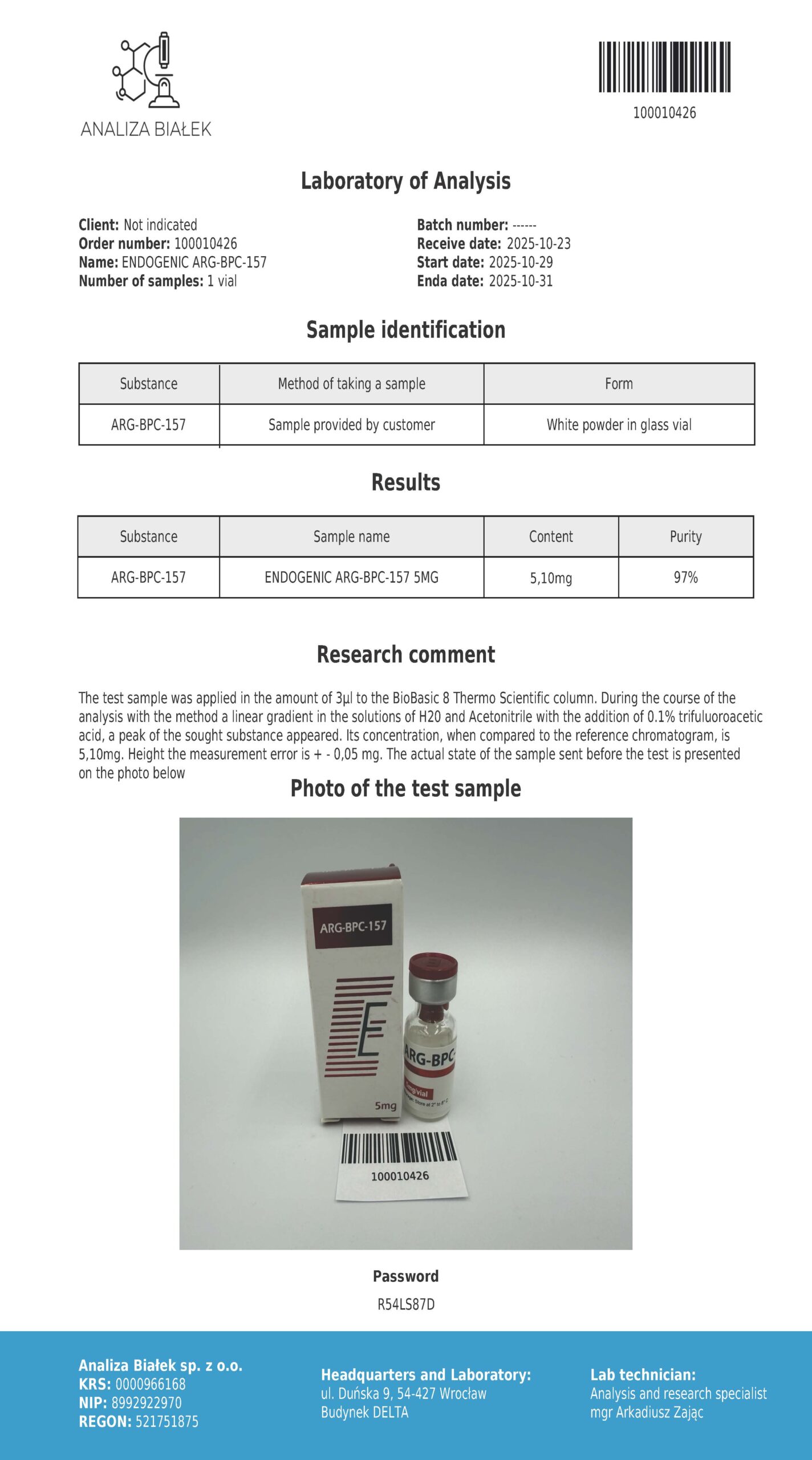
| HPLC purity | ≥98% |
| Confirmation of identity and salt | Q-TOF mass spectrometry |
Mechanism of action at the molecular level
In the preclinical literature, BPC-157 is described as a multidirectional compound – the literature indicates six complementary axes of molecular activity. The form of the arginine salt concerns the physicochemical parameters of the solution, not the pathways themselves – the mechanisms described refer to the peptide core. Below, each axis with the name of the route and the practical gear ratio observed in the research models.
VEGF/VEGFR2/eNOS modulation – angiogenesis
The best documented axis. VEGF (vascular endothelial growth factor) and its receptor VEGFR2 are the central pathway of angiogenesis – the formation of new blood vessels. In tissue injury models (Hsieh et al. 2017), BPC-157 was associated with activation of the VEGFR2-Akt-eNOS axis in endothelial cells and increased neovascularization in the area of injury. In experimental practice, better vascularization of the regenerating connective tissue resulted in faster repair in an animal model. Angiogenesis is a bottleneck here – the tendon is a poorly vascularized tissue, and without a blood supply, repair progresses slowly.
FAK-paxillin pathway – fibroblast migration and tendon maturation
FAK (focal adhesion kinase) and paxillin regulate cell adhesion and migration. Chang et al. (2011) showed that BPC-157 activates the FAK-paxillin cascade in tendon fibroblasts, enhancing their migration and survival and influencing the maturation of tendon tissue. Fibroblasts are repair cells of connective tissue – they produce collagen and rebuild the matrix. Faster migration means faster settlement of the damaged area.
Protection of the endothelium and mucosa
BPC-157 is described in the literature as a cytoprotective compound against vascular endothelial cells and the gastrointestinal mucosa. Reduction of pathological changes was observed in models of endothelial and mucosal damage – an axis consistent with the gastric origin of the molecule and its original research context (gastrointestinal protection).
The brain-gut axis and NO regulation
In the literature, BPC-157 has been associated with modulation of the brain-gut axis and the nitric oxide (NO) pathway via endothelial NO synthase (eNOS) (Sikiric et al. 2023). Nitric oxide dilates blood vessels and regulates microcirculation; The brain-gut axis links gastrointestinal signaling to the central nervous system. This axis is complementary to VEGF and particularly interesting in the context of the intranasal route, where the involvement of the vagus nerve in gut-brain signaling is explored.
Effect on the maturation of tendon and fibroblasts
In addition to fibroblast migration, the literature describes the effect of BPC-157 on the maturation of tendon tissue itself – the organization of collagen fibers and the differentiation of tendon cells in reparation models (Chang et al. 2011). This is an axis that complements the pro-angiogenic effect: new vessels supply the substrate, and maturing fibroblasts rebuild the matrix structure.
Cytoprotective effect
The sixth axis concerns the overall cytoprotective profile of the molecule – limiting cell damage in various models of tissue stress. This is also related to the proteolytic stability of the peptide itself: the three-proline motif stiffens the chain and limits the access of proteases, thanks to which the peptide maintains its integrity in conditions in which most peptides are degraded. Reference data mainly comes from reviews by Sikiricia’s group (Sikiric et al. 2018) and groups working on tendon repair (Chang et al. 2011) and endothelial angiogenesis (Hsieh et al. 2017).
Nose-to-brain mechanism - intranasal administration of BPC-157
The intranasal administration format for which this kit is prepared corresponds to one of the explored directions of peptide administration, and in the case of BPC-157, it connects it to the brain-gut axis described in the literature. The molecular logic of intranasal transport is well characterized in peptide neuropharmacology, although for BPC-157 itself, data remain largely preclinical.
In the Pro-Body catalog this reagent belongs to peptides spray intended for the nasal route. Most regulatory peptides do not cross the blood-brain barrier (BBB) well when administered peripherally – they are too large and too polar. Intranasal administration offers an alternative delivery route to the central nervous system (CNS), partially bypassing the BBB. Two parallel nose-to-brain transport pathways have been described in research models:
- Olfactory pathway (olfactory) — a peptide applied to the olfactory epithelium in the upper part of the nasal cavity can be transported along the olfactory nerves directly to the olfactory bulb and further to the structures of the forebrain, bypassing the systemic circulation
- Trigeminal nerve pathway — the endings of the trigeminal nerve innervating the nasal mucosa constitute a second route of transport to the brain stem and further structures of the CNS
For BPC-157, the intranasal route additionally opens a direction related to the brain-gut axis and vagal nerve signaling – a neuro context explored in the literature, in which a peptide of gastric origin is tested for bidirectional gut-brain communication. Arginine salt, by improving solubility, facilitates the preparation of a clear aqueous solution suitable for the intranasal format.
SCIENTIFIC PERSPECTIVE
Intranasal bioavailability of BPC-157 requires verification — available data on nose-to-brain transport for this particular molecule come mainly from preclinical models and analogies with other peptides, not from closed pharmacokinetic studies in humans. Unlike peptides with direct clinical precedent for intranasal administration (such as native Selank), for BPC-157 the intranasal route remains at the level of an explored hypothesis supported by the logic of peptide transport and the brain-gut axis. All observations should be read as preclinical data and not as a guarantee of effect in humans.
Important Distinction - ARG BPC-157 (Arginine Salt) vs BPC-157 Acetate vs BPC-157 HCl
The same BPC-157 sequence is marketed in several salt forms, which should not be confused. They differ in counterion, physicochemical parameters and salt mass – while maintaining the identical core sequence.
| Parameter | ARG BPC-157 (this product) | BPC-157 acetate | BPC-157 HCl |
|---|---|---|---|
| A form of salt | arginine salt | acetate (most common) | hydrochloride |
| Counterion | arginine (organic cation) | acetate ion | chloride ion |
| Solubility | improved over acetate | standard | high |
| Core sequence | GEPPPGKPADDAGLV | GEPPPGKPADDAGLV | GEPPPGKPADDAGLV |
| Identity signal | sequence + mass MS in COA | sequence + mass MS in COA | sequence + mass MS in COA |
Applications in scientific research
ARG BPC-157 in this kit as an RUO reagent is used in several research directions. The intranasal format is suitable where nasal administration is part of the protocol and the arginine salt provides a clear, stable aqueous solution after reconstitution.
Tendon, ligament and muscle repair. Models of rupture and cutting of the Achilles tendon, patellar ligament injuries, and skeletal muscle injuries. Endpoints: mechanical breaking strength, histology (collagen density, fiber organization), angiogenesis markers (VEGF, VEGFR2, CD31), migration markers (FAK, paxillin). BPC-157 functions as a reference pro-angiogenic compound in comparative work on connective tissue reparation.
Brain-gut axis and neuro directions. Models examining bidirectional gut-brain signaling, vagal involvement, and the effects of BPC-157 on the central nervous system. The intranasal format is particularly relevant here because the nose-to-brain route is an explored route for delivering the peptide closer to central structures.
Angiogenesis and endothelial protection. Endothelial cell cultures, tube formation assays, models of endothelial damage. Semiquantitative assessment of the VEGFR2-Akt-eNOS axis and the NO pathway. BPC-157 as a tool for studying the mechanisms of endothelial neovascularization and cytoprotection.
Gastrointestinal tract – models of ulcers and mucosal protection. Ethanol- or NSAID-induced gastric ulcer models, colitis models. Endpoints: ulcer surface, inflammatory index, mucosal integrity. This is historically the first area of research on the molecule consistent with its gastric origin.
Summary
ARG BPC-157 for the nose is arginine salt stable gastric pentadecapeptide (GEPPPGKPADDAGLV core, 1419.53 g/mol) isolated in Zagreb in 1991 as a fragment of the protective protein of gastric juice, supplied as a kit for self-preparation of a nasal spray – a vial with lyophilisate, bacteriostatic water for reconstitution and a glass atomizer; the researcher reconstitutes the lyophilized product and fills the atomizer.
Choosing the arginine salt rather than the more common acetate form improves the solubility and stability of the aqueous solution, which works well with the preparation of a clear intranasal solution. The preclinical literature describes six axes of spinal molecular activity – with the best documented modulation of the VEGF/VEGFR2/eNOS axis (angiogenesis) and the FAK-paxillin cascade (fibroblast migration, tendon maturation) in connective tissue reparation models – as well as the brain-gut axis and cytoprotective effects.
The intranasal format refers to the explored nose-to-brain direction, although the intranasal bioavailability of BPC-157 remains to be verified (mainly preclinical data). The broader context of peptide regeneration and comparison protocols of BPC-157 with Thymosin Beta-4 fragment is discussed in the review BPC-157 and TB-500 for regeneration.
Bibliography
- Sikiric P, Rucman R, Turkovic B, Sever M, Klicek R, Radic B, et al. (2018). Novel cytoprotective mediator, stable gastric pentadecapeptide BPC 157. Vascular recruitment and gastrointestinal tract healing. PubMed
- Chang C. H., Tsai W. C., Lin M. S., Hsu Y. H., Pang J. H. S. (2011). The promoting effect of pentadecapeptide BPC 157 on tendon healing involves tendon outgrowth, cell survival, and cell migration. PubMed
- Hsieh MJ, Liu HT, Wang CN, Huang HY, Lin Y, et al. (2017). Therapeutic potential of pro-angiogenic BPC157 is associated with VEGFR2 activation and up-regulation. PubMed
- Gwyer D, Wragg NM, Wilson SL (2019). Gastric pentadecapeptide body protection compound BPC 157 and its role in accelerating musculoskeletal soft tissue healing. PubMed
- Sikiric P, Gojkovic S, Krezic I, Smoday IM, Kalogjera L, et al. (2023). Stable gastric pentadecapeptide BPC 157 may recover brain-gut axis and gut-brain axis function. PubMed
FAQ
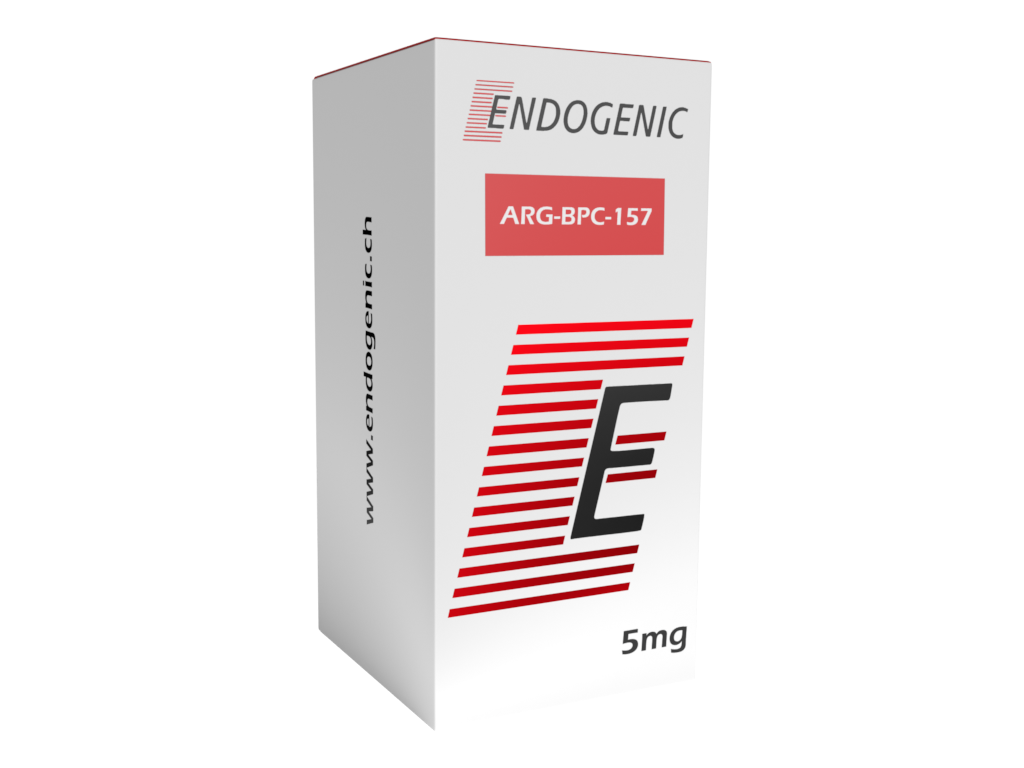
The contents of the kit – in both cases, the peptide is a lyophilisate that requires reconstitution. This product is vial with lyophilisate + bacteriostatic water + glass atomizer, i.e. a set for preparing a solution for intranasal administration. 5 mg vial (ARG-BPC-157 5mg) is the lyophilisate itself without water and an applicator, giving full freedom to select the concentration for any route of administration in the protocol. In both, the researcher reconstitutes the peptide himself; the kit adds water and an atomizer aimed at the nasal route.
Counterion and physicochemical parameters of the solution – with a preserved, identical core sequence (GEPPPGKPADDAGLV). In the arginine salt, arginine (organic cation) acts as a counterion, which improves the solubility and stability of the aqueous solution compared to the more common acetate form. Salt does not alter the molecular pathways described in the literature – these relate to the core peptide. The binding signal of batch identity remains the core sequence and mass confirmed by mass spectrometry at COA, not the salt name itself.
Intranasal administration offers a route for delivering the peptide to the central nervous system that partially bypasses the blood-brain barrier – along the olfactory nerve and trigeminal nerve. For BPC-157, this is additionally justified by the brain-gut axis and vagal signaling described in the literature, in which a peptide of gastric origin is tested for bidirectional gut-brain communication. This is an explored research direction – an unconfirmed therapeutic route in humans.
As of 2022, BPC-157 is on the WADA prohibited list in the category S0 – unapproved substances (applies to any form of salt). S0 includes pharmacological compounds that have not been approved by any regulatory agency for use in humans (no drug registration) and yet are used in the context of supportive care. BPC-157 meets this criterion: clinical development stalled in Phase II and never achieved approval. The ban applies permanently (in- and out-of-competition). Registered Athletes (ADAMS) must check the current list before making any decision.
Two COA fields are key: sequence and mass confirmed by mass spectrometry. The core sequence (GEPPPGKPADDAGLV) is common to all salt forms, so it will not distinguish an arginine salt from an acetate by itself – it is the MS mass and the declared salt form (arginine counterion) that determine the identity of the batch.
In COA Pro-Body, the salt form is confirmed by Q-TOF spectrometry. The trade name is not a binding signal – the sequence and mass of the MS are binding. This is the basic procedure for verifying each batch of peptide with an ambiguous salt form.
0.0
0 reviews
This product has no reviews yet.
Related products
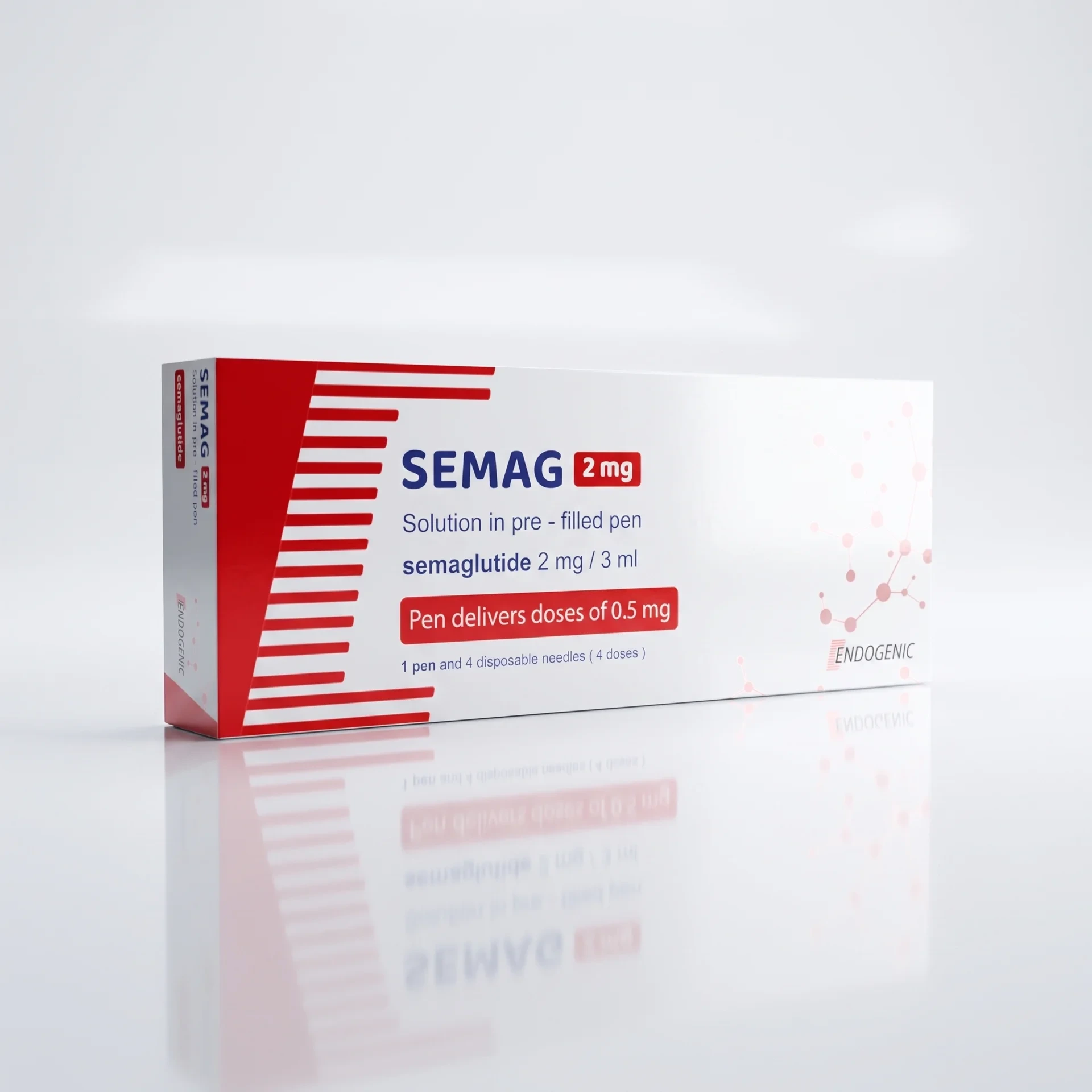
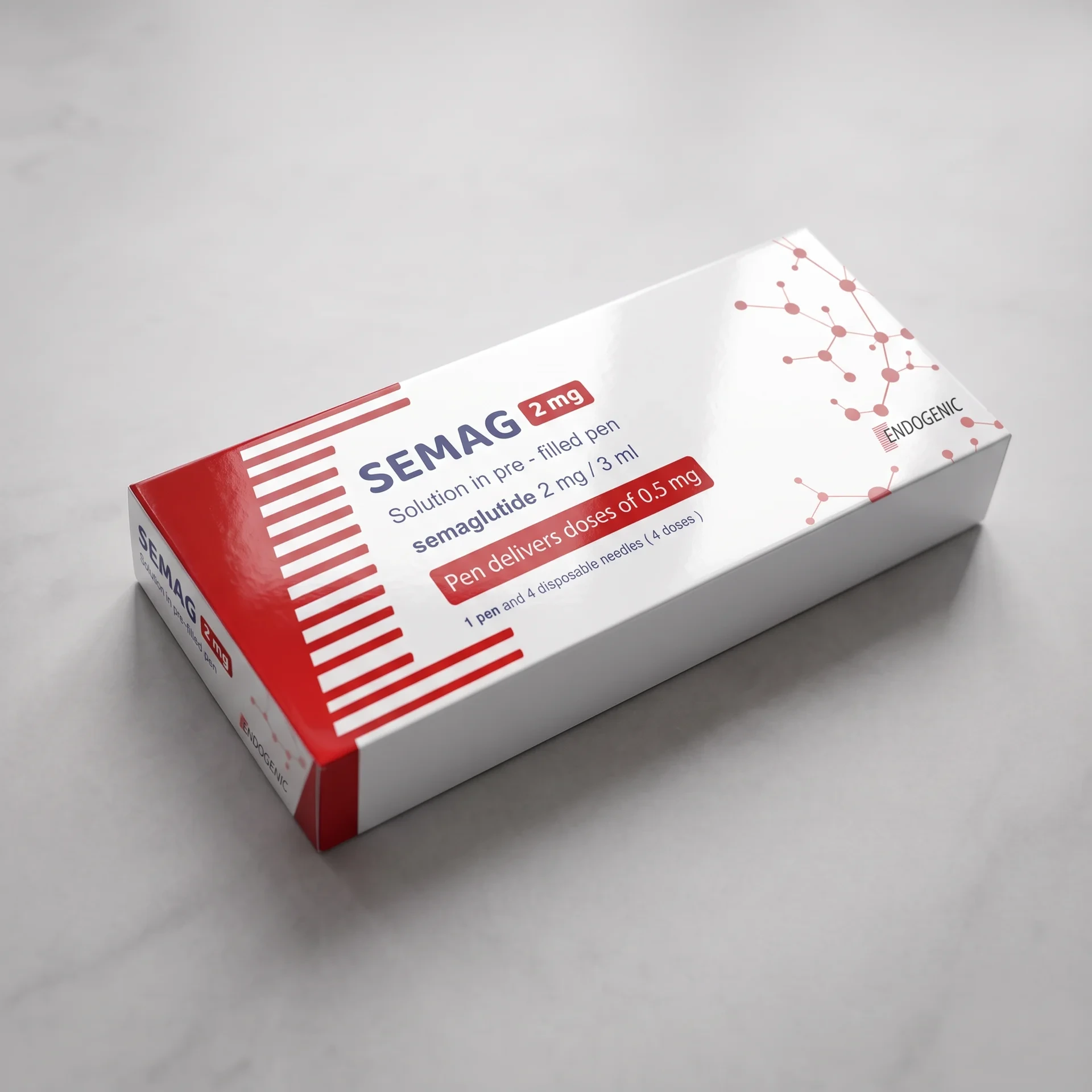
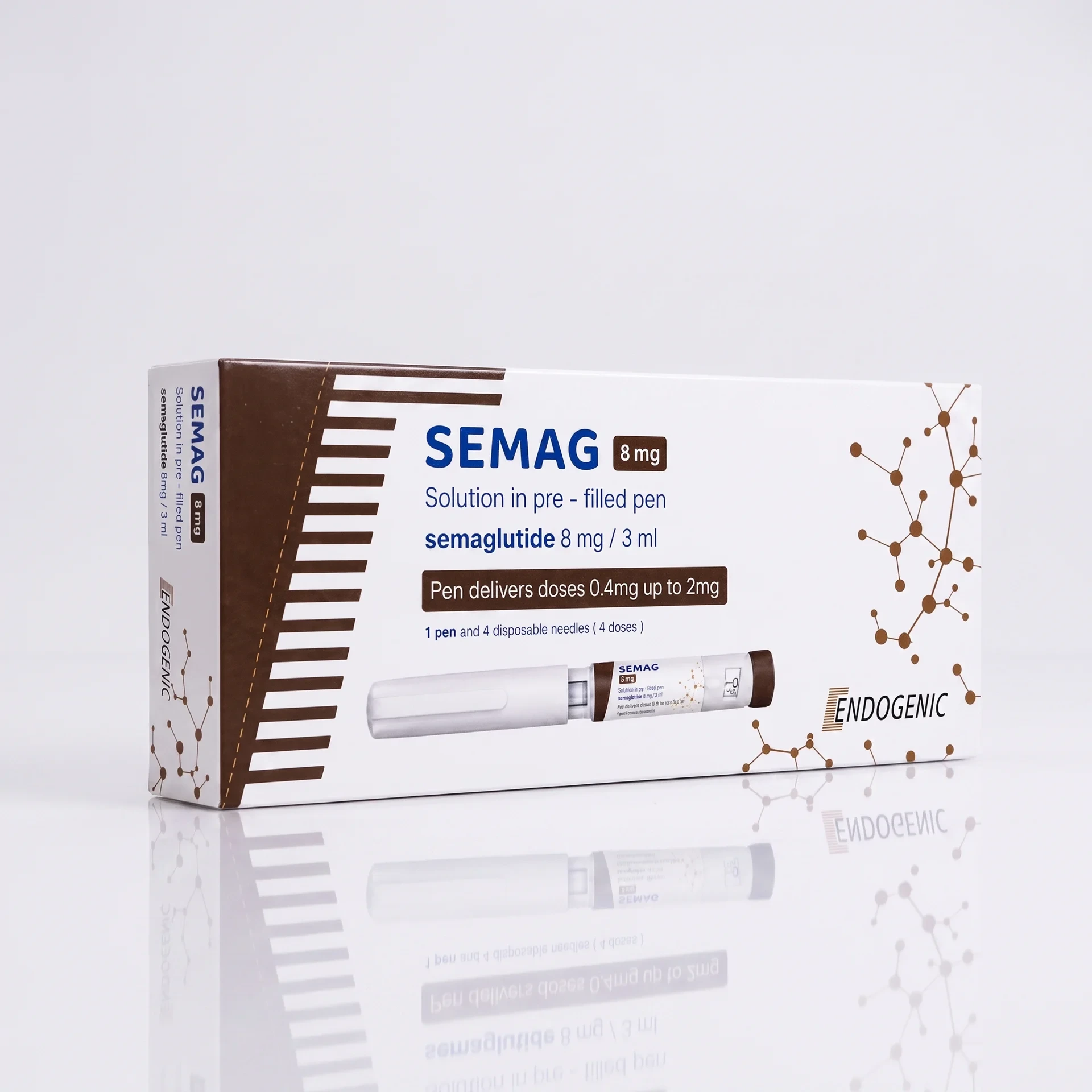
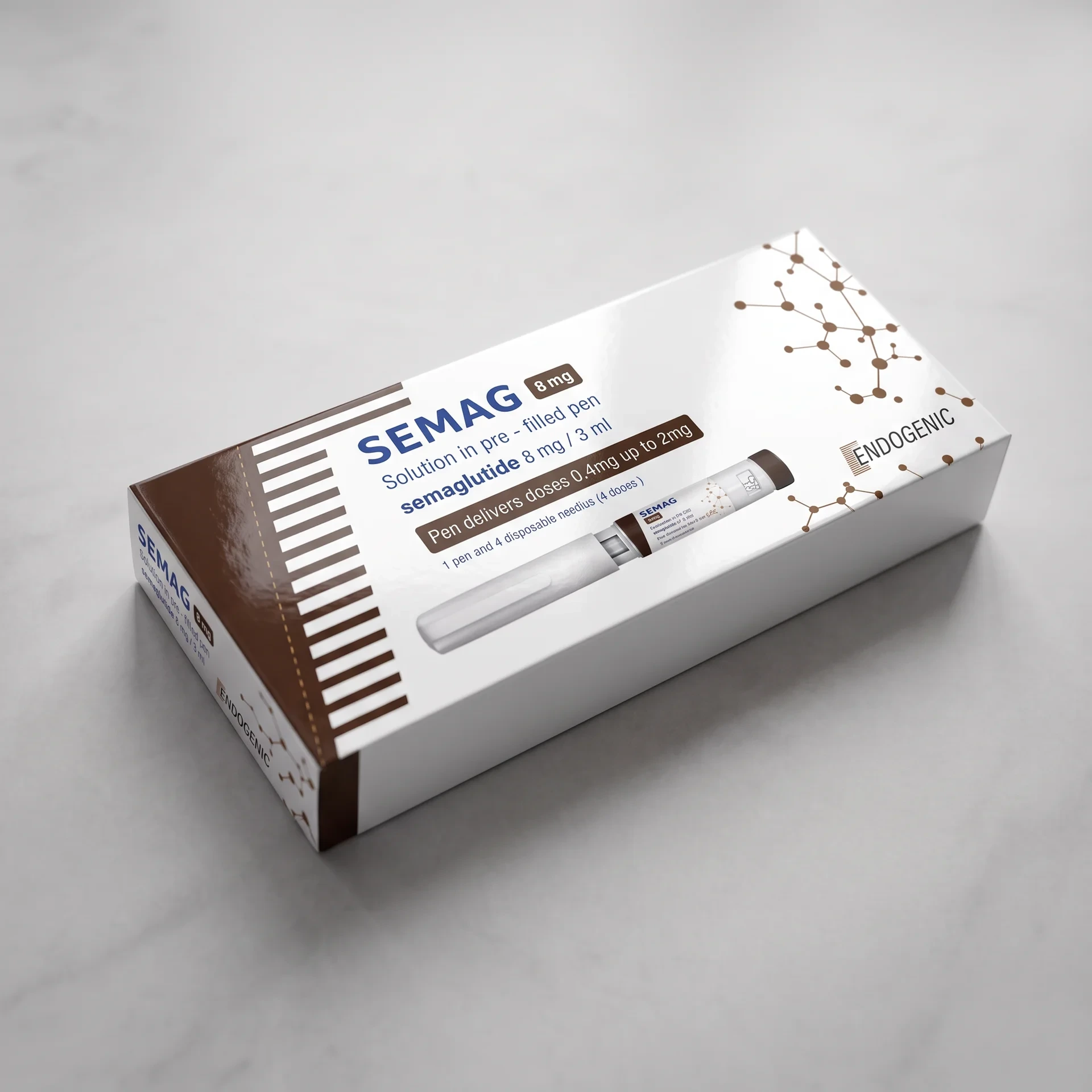
SEMA G 8mg PEN
SEMA G 8mg PEN
166,99 €