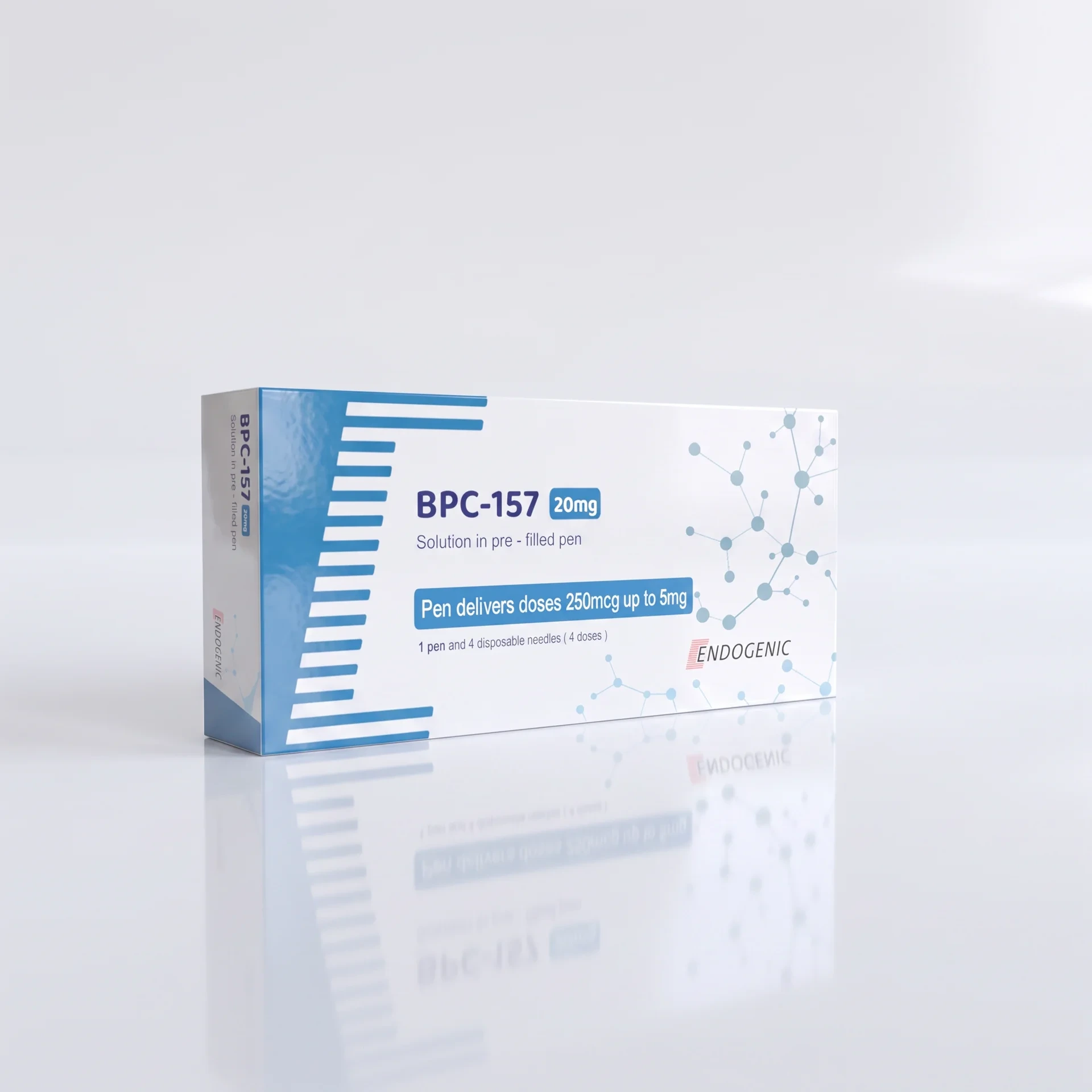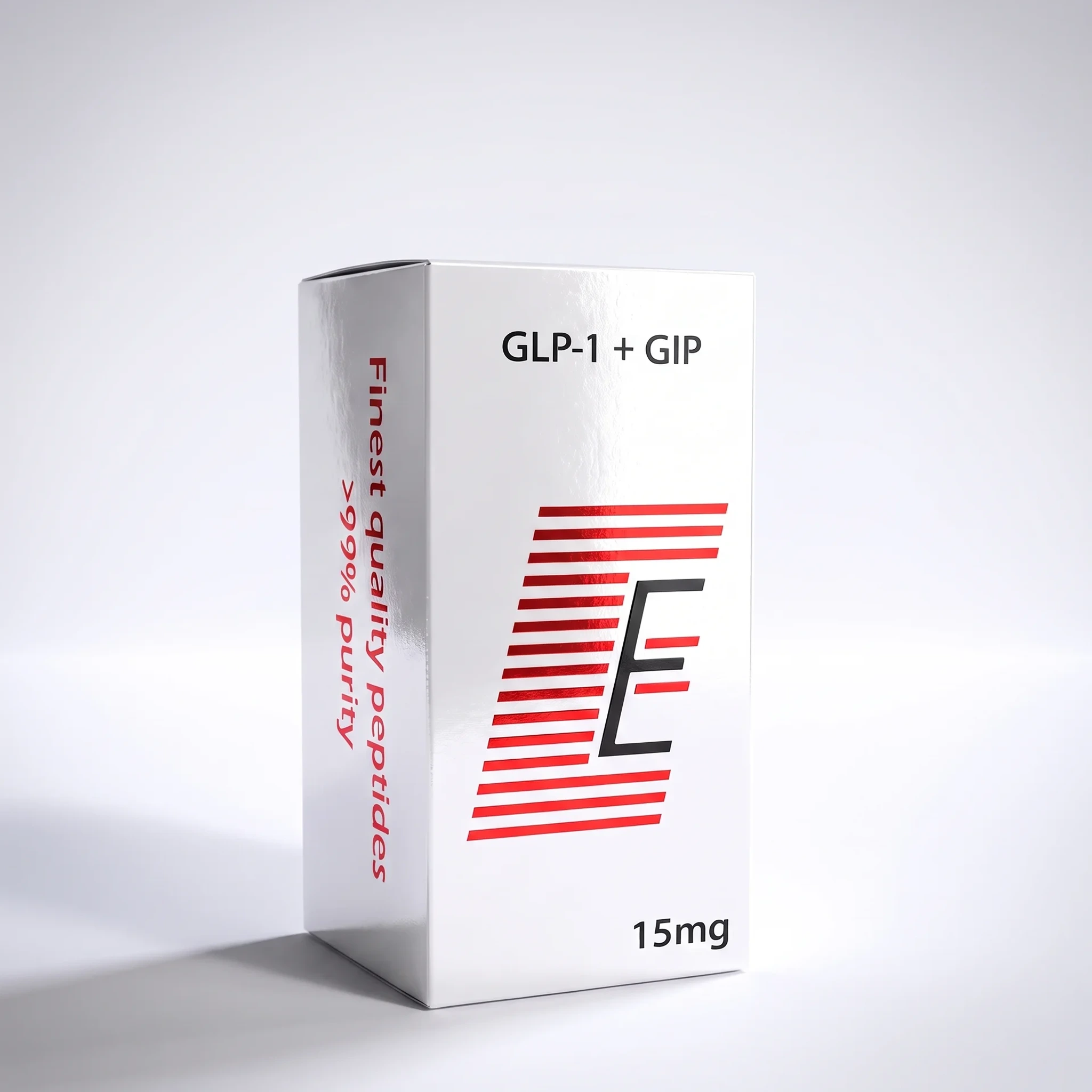
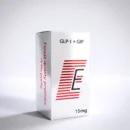
GLP1+GIP 15mg
GLP-1 + GIP 15 mg is a high-quality synthetic incretin peptide intended solely for in vitro laboratory research. The preparation combines sequences of two key incretin hormones – GLP-1 and GIP – allowing for the simultaneous activation of GLP-1R and GIPR receptors and analysis of their synergistic effects under experimental conditions. GLP-1 + GIP 15 mg finds application, among others, in research on pancreatic islet biology, adipocyte metabolism, neurobiology, and in pharmaceutical screening of new incretin analogs.
147,99 €
With code BLACK: 118,39 €
Lowest price in the 30 days before the discount:
147,99 €
Fast shipping
Delivery options
Free delivery from 350 €
Returns policy
GLP1+GIP 15 mg – incretin peptide for research purposes
- GLP1+GIP: a research peptide associated with the incretin system.
- 15 mg, lyophilisate for reconstitution.
- For in vitro research only; not for use in humans or animals.
GLP1+GIP 15 mg is a synthetic research peptide combining the sequences of two incretin hormones: glucagon-like peptide-1 (GLP-1) and glucose-dependent insulinotropic polypeptide (GIP). This material is for informational and educational purposes only and presents the current state of scientific knowledge regarding this substance. The product is intended solely for in vitro research purposes and does not constitute a medicinal product, dietary supplement, or cosmetic. It is not intended for use in humans or animals. All information contained in the description refers to the results of laboratory and preclinical studies conducted under controlled scientific conditions.
GLP1+GIP 15 mg is
- Dual incretin sequence – combines GLP-1 and GIP in a single research preparation
- High purity ≥98% (HPLC) – confirmed by a certificate of analysis
- 15 mg content – sufficient for a series of in vitro experiments
- Lyophilized form – ensures long-term stability under proper storage conditions
- Wide research application – from pancreatic islet biology to neurobiology and pharmacology
- Activation of GLP-1R and GIPR receptors – enables the study of incretin synergy effects
Incretin peptides in a research context
Incretin peptides represent one of the most intensively studied groups of compounds in metabolic endocrinology. GLP-1 and GIP are endogenous hormones secreted by L and K cells of the small intestine in response to the presence of nutrients in the gastrointestinal lumen. Under physiological conditions, they are responsible for the so-called incretin effect – the enhancement of insulin secretion after oral glucose intake compared to intravenous administration of the same dose.
Scientists have been studying synthetic analogs of these hormones for years to better understand the signaling pathways involved in the regulation of glucose homeostasis, lipid metabolism, and appetite control at the level of the central nervous system. GLP-1 + GIP 15 mg as a research peptide serves as a tool enabling experiments on segments of these metabolic pathways under laboratory conditions.
What is GLP-1 + GIP 15 mg?
GLP-1 + GIP 15 mg is a chemical reagent containing a synthetically produced combination of amino acid sequences corresponding to the active forms of the GLP-1 and GIP peptides. The preparation is available in the form of a lyophilized powder with a mass of 15 mg of active substance, intended for reconstitution in an appropriate solvent before use in in vitro research procedures.
In the Pro-body offer other variants of this peptide are also available: GLP-1 + GIP 5 mg, GLP-1 + GIP 10 mg and GLP-1 + GIP PEN 10 mg.
Structure and chemical properties
GLP-1 in its active form (GLP-1(7-36)amide or GLP-1(7-37)) is a peptide consisting of 30-31 amino acids. It is secreted during the post-translational processing of proglucagon by the prohormone convertase PC1/3 in the L cells of the small intestine and colon. The native form of GLP-1 is characterized by a very short plasma half-life (approximately 1.5-2 minutes), as it undergoes rapid degradation by the enzyme dipeptidyl peptidase IV (DPP-IV), which cleaves off two N-terminal amino acids.
GIP (glucose-dependent insulinotropic polypeptide) is a peptide composed of 42 amino acids, secreted by the K cells of the duodenum and jejunum. Like GLP-1, it is subject to degradation by DPP-IV, resulting in a biological half-life of approximately 5-7 minutes.
Synthetic GLP-1 + GIP 15 mg may contain structural modifications aimed at increasing stability against enzymatic degradation under experimental conditions. Typical modifications include:
- Substitution of the amino acid alanine at position 2 (DPP-IV cleavage site)
- Acylation with a fatty acid to increase affinity for plasma albumin
- C-terminal modifications affecting the peptide conformation
Purity and analysis
Peptides offered for research purposes by Pro-Body undergo rigorous quality control. Key analytical parameters include:
- HPLC Purity – measured by high-performance liquid chromatography (HPLC) with UV detection. Expected purity ≥98%.
- Mass Spectrometry (MS) – confirmation of peptide identity through molecular mass analysis using ESI-MS or MALDI-TOF.
- Water content – determined by the Karl Fischer method, typically below 5% for the lyophilisate.
- Peptide content – determined by amino acid analysis (AAA) or based on UV absorption.
- Endotoxins – testing for the presence of bacterial endotoxins using the LAL (Limulus Amebocyte Lysate) method.
Each product batch should be accompanied by a Certificate of Analysis (CoA) containing the results of the above tests, the batch number, and the production date.
Storage and handling
Proper storage of the GLP-1 + GIP 15 mg peptide is crucial for maintaining its biological activity in in vitro experiments:
Lyophilized form (before reconstitution)
- Temperature: -20°C to -80°C (optimal long-term storage)
- Protect from moisture – store in tightly sealed containers with a desiccant
- Protect from direct light
- Stability in this form: up to 24 months from the production date
Solution after reconstitution
- Reconstitution: use sterile bacteriostatic water or phosphate-buffered saline (PBS) at pH 7.4
- Once dissolved, store at 2-8°C for up to 14 days
- For long-term storage: divide into single-use portions (aliquots) and freeze at -20°C
- Avoid repeated freezing and thawing – each cycle reduces peptide activity by 5-15%
Laboratory handling
- Work with the peptide should take place under aseptic conditions
- Use nitrile gloves and protective clothing
- Prepare solutions in a laminar flow hood (Class II BSC)
- To measure doses, use a peptide calculator.
Mechanism of action in vitro
Under in vitro laboratory conditions, the mechanisms through which GLP-1 and GIP interact with target cells have been studied in detail:
GLP-1R Receptor Activation
GLP-1 binds to the GLP-1R receptor – a Class B1 G protein-coupled receptor (GPCR). Upon ligand binding, the Gαs protein is activated, leading to an increase in intracellular cAMP (cyclic adenosine monophosphate) concentration through the activation of adenylate cyclase. Increased cAMP concentration activates protein kinase A (PKA) and the guanine nucleotide exchange factor Epac2 (Exchange protein directly activated by cAMP). In pancreatic islet β-cells (studied in vitro), this leads to:
- Closure of ATP-dependent potassium channels (KATP)
- Cell membrane depolarization
- Opening of voltage-dependent calcium channels
- Increase in intracellular Ca²⁺ ion concentration
- Exocytosis of insulin-containing granules
GIPR Receptor Activation
GIP interacts with the GIPR receptor – also a receptor from the Class B1 GPCR family. The signal transduction mechanism is analogous to GLP-1R and involves the cAMP/PKA pathway. However, GIPR exhibits a different tissue expression profile – in addition to pancreatic β-cells, it is also found in adipocytes (fat cells), osteoblasts, and neurons. In vitro studies on adipocytes have shown that GIPR activation affects:
- Lipid metabolism in adipose tissue
- Stimulation of lipogenesis under hyperinsulinemic conditions
- Modulation of gene expression related to thermogenesis in brown adipose tissue
Synergy of GLP-1 and GIP in in vitro studies
Experiments on isolated islets of Langerhans and cell lines (INS-1, MIN6) have shown that simultaneous activation of GLP-1R and GIPR leads to an additive or synergistic increase in insulin secretion compared to the activation of each receptor separately. The mechanism of this synergy involves the convergence of cAMP pathways within the submembrane microdomain and mutual modulation of receptor desensitization.
Applications in research
GLP-1 + GIP 15 mg finds application in many areas of biomedical research conducted under in vitro and in silico conditions:
Research on pancreatic islet biology
The peptide is used to study the mechanisms of insulin and glucagon secretion in isolated human and animal pancreatic islets. It allows for the analysis of the impact of dual incretin stimulation on the kinetics of insulin secretion (first and second phases of secretion) and on the survival of β-cells under glucolipotoxicity conditions.
Research on adipocyte metabolism
In primary cultures of adipocytes and cell lines (3T3-L1), GLP-1 + GIP is used to study the effect on lipogenesis, lipolysis, and the expression of thermogenic genes (e.g., UCP-1 in brown adipose tissue). These studies help to understand the molecular basis of the effect of incretins on adipose tissue metabolism.
Neurobiological research
GLP-1R and GIPR receptors are expressed in many brain regions, including the hypothalamus, hippocampus, and cerebral cortex. Research on neuronal cultures (e.g., SH-SY5Y, primary hippocampal neurons) allows for the analysis of the potential neuroprotective effects of these peptides – in particular, their impact on oxidative stress, apoptosis, and inflammatory processes within the nervous tissue.
Research on insulin resistance
In in vitro models of insulin resistance (e.g., HepG2 hepatocytes treated with palmitate), GLP-1 + GIP is used to analyze its effect on the insulin signaling pathway (IRS-1/PI3K/Akt) and on the expression and activity of GLUT4 glucose transporters.
Pharmaceutical screening
GLP-1 + GIP 15 mg serves as a reference substance in studies on new incretin peptide analogs. It allows for the comparison of potency, receptor selectivity, and metabolic stability of new compounds in receptor-ligand binding assays and functional assays (cAMP measurement, insulin secretion).
Conclusion
GLP-1 + GIP 15 mg is a high-quality research peptide combining two key incretin sequences. It is a valuable tool for scientists involved in metabolic endocrinology, pancreatic islet biology, neurobiology, and pharmacology. Its use is limited exclusively to in vitro research conducted under laboratory conditions. It is not a medicinal product, dietary supplement, or cosmetic and is not intended for use in humans or animals.
Research
- Nauck MA, Meier JJ. „Incretin hormones: Their role in health and disease.” Diabetes, Obesity and Metabolism, 2018. – https://pu
bmed.ncbi. nlm.nih.go v/29364588 / - Frontiers in Endocrinology (2024) – „Mechanisms of action and therapeutic applications of GLP-1 and dual GIP/GLP-1 receptor agonists.” – https://ww
w.frontier sin.org/jo urnals/end ocrinology - Campbell JE, Drucker DJ. „Pharmacology, physiology, and mechanisms of incretin hormone action.” Cell Metabolism, 2013. – https://pu
bmed.ncbi. nlm.nih.go v/23823483 /
5.0
1 review
-
Mateusz
 Polski
Ekspresowa dostawa i topowa jakość!
Kolejne zamówienie na Pro-Body i po raz kolejny absolutna rewelacja. Zestaw 15 mg dotarł do Paczkomatu w 24 godziny od złożenia zamówienia, idealnie zapakowany. Super, że na stronie jest pełna specyfikacja techniczna i łatwy dostęp do dokumentacji. Zdecydowanie polecam ten sklep!
Black Week
Black Week deals before everyone else
Sign up for the newsletter and get access to the Black Week promotion before other customers.
By signing up you agree to receive the Pro-Body newsletter with news and promotions. You can unsubscribe at any time with one click in the e-mail. Privacy policy
Customers also bought