Melanotan II (MT-II) is not registered as a medicinal product in any jurisdiction — neither the EMA, FDA, nor EFSA has granted authorization for this substance. The FDA has issued Warning Letters to sellers of Melanotan II, and the British MHRA has repeatedly warned against trading in this substance as a product for human use.
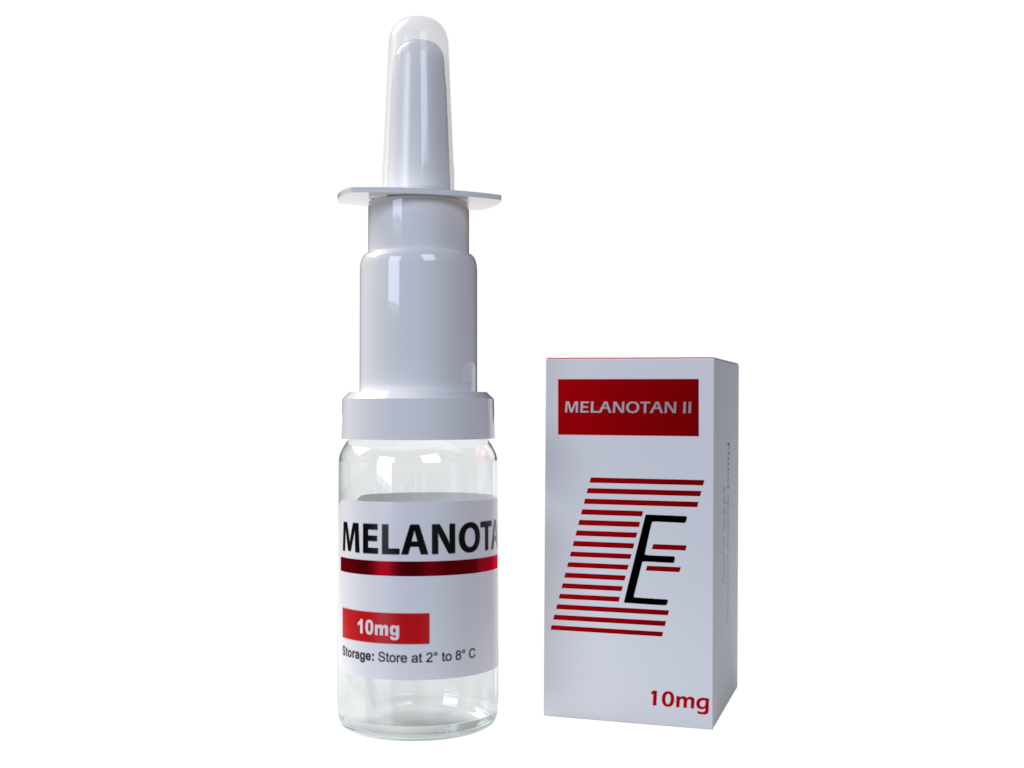
In the Pro-Body catalog, MT-II appears exclusively as a RUO research reagent in a PEN applicator. Communicating the product as a “tanning agent,” “self-tanner in an injection,” or “tanning peptide” is contrary to the Research Use Only framework. Melanotan II falls under class S0 of the WADA Prohibited List (non-approved substances) and is prohibited at all times — registered athletes (ADAMS) check the current version of the List before any decision.
Introduction
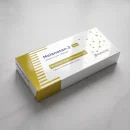
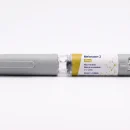
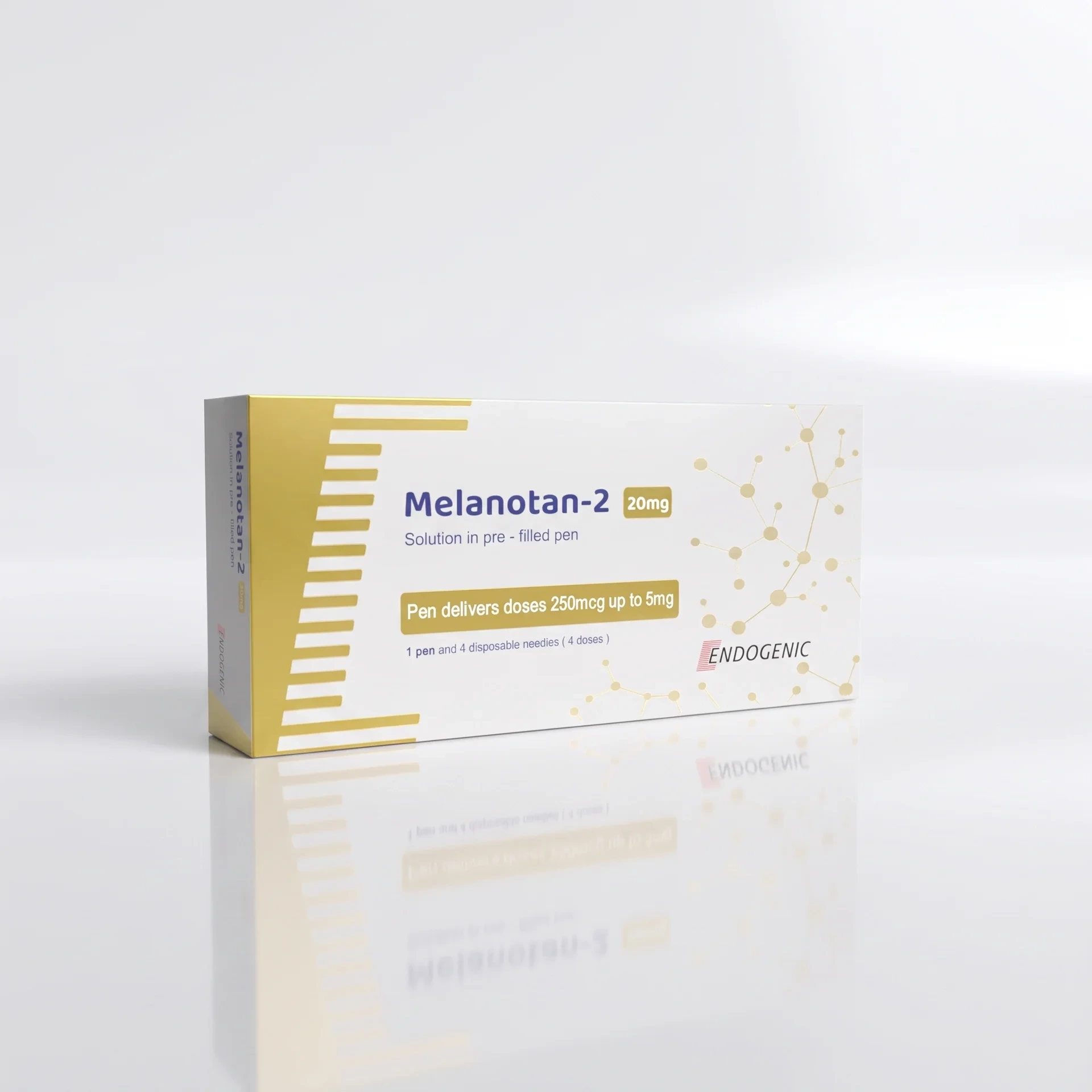
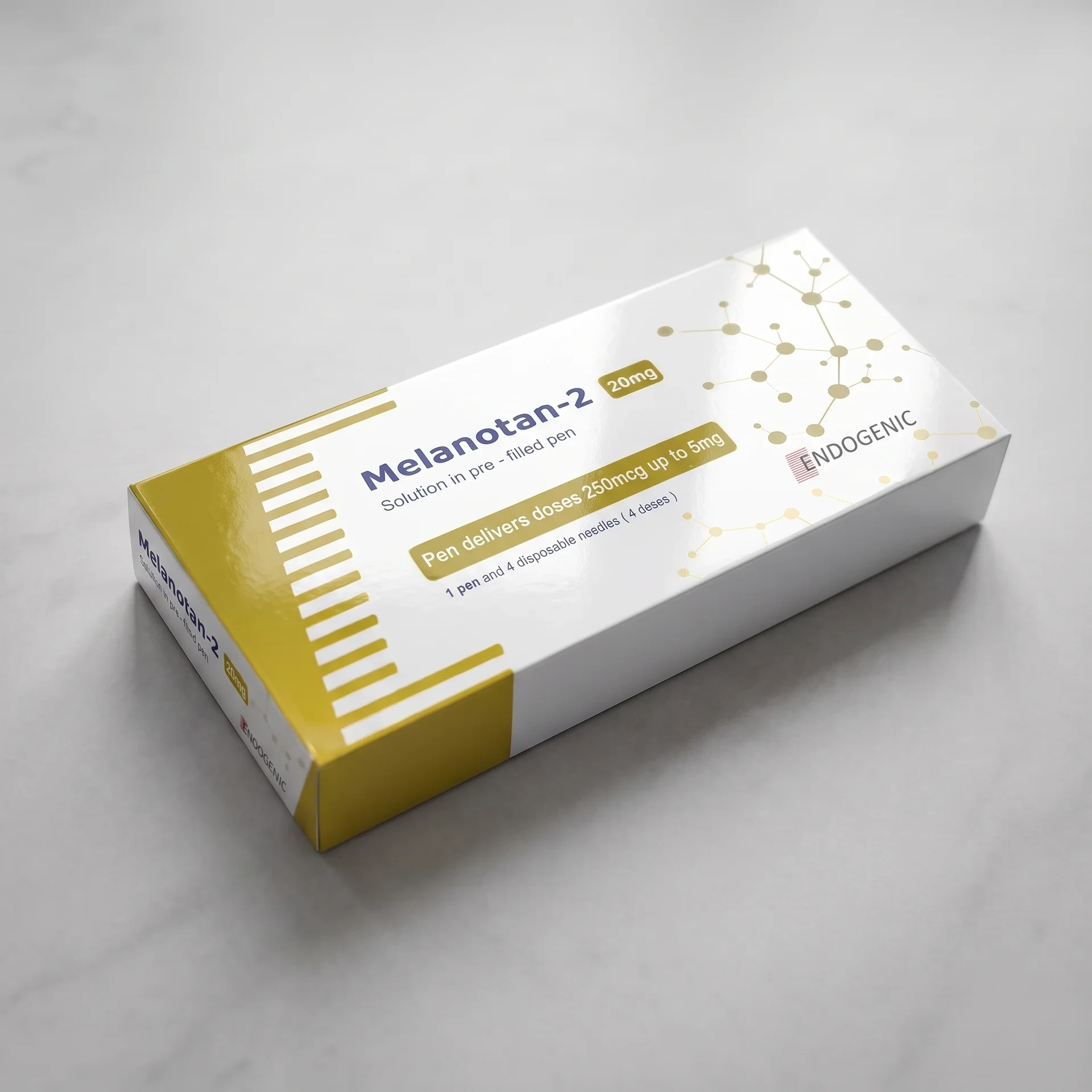
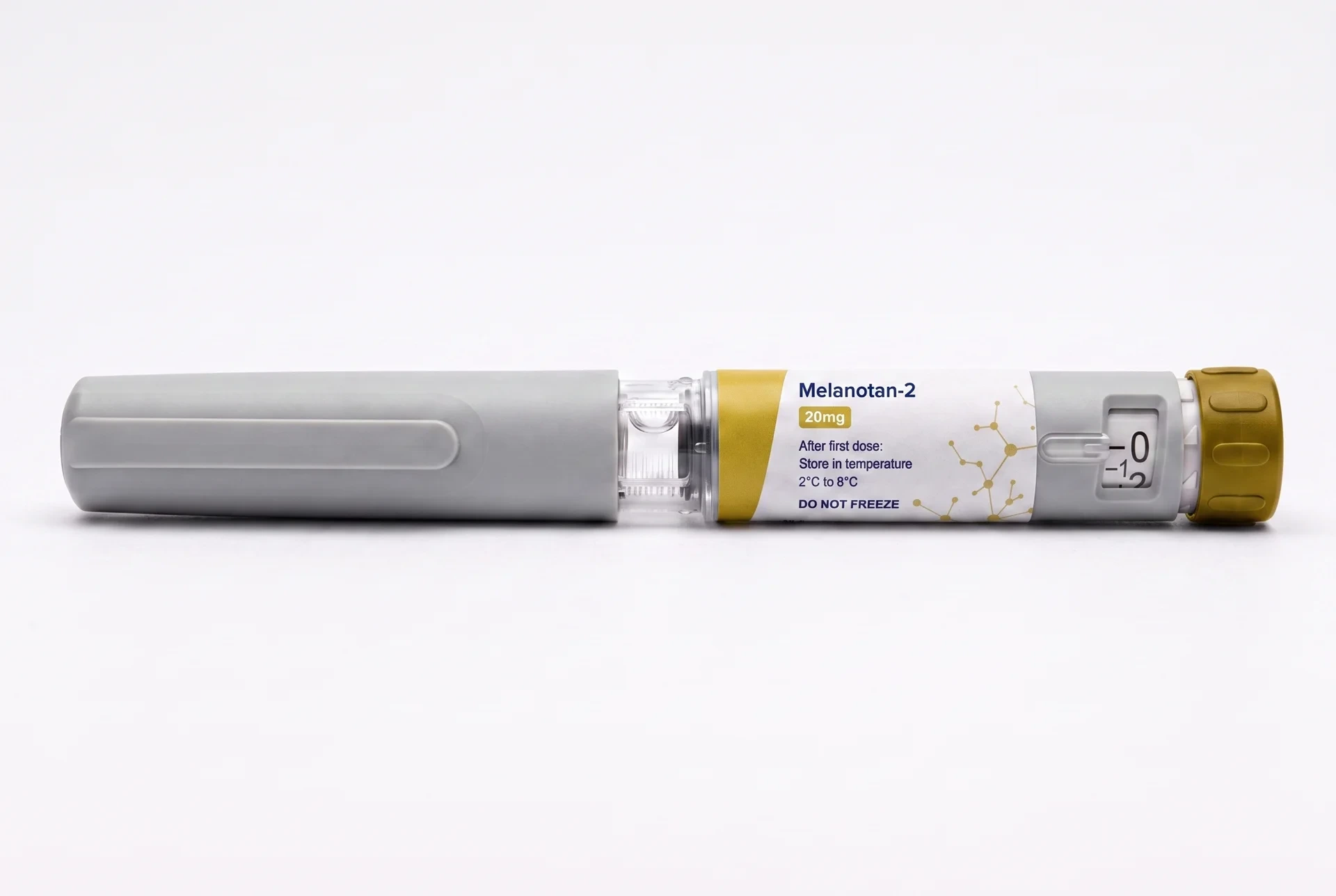
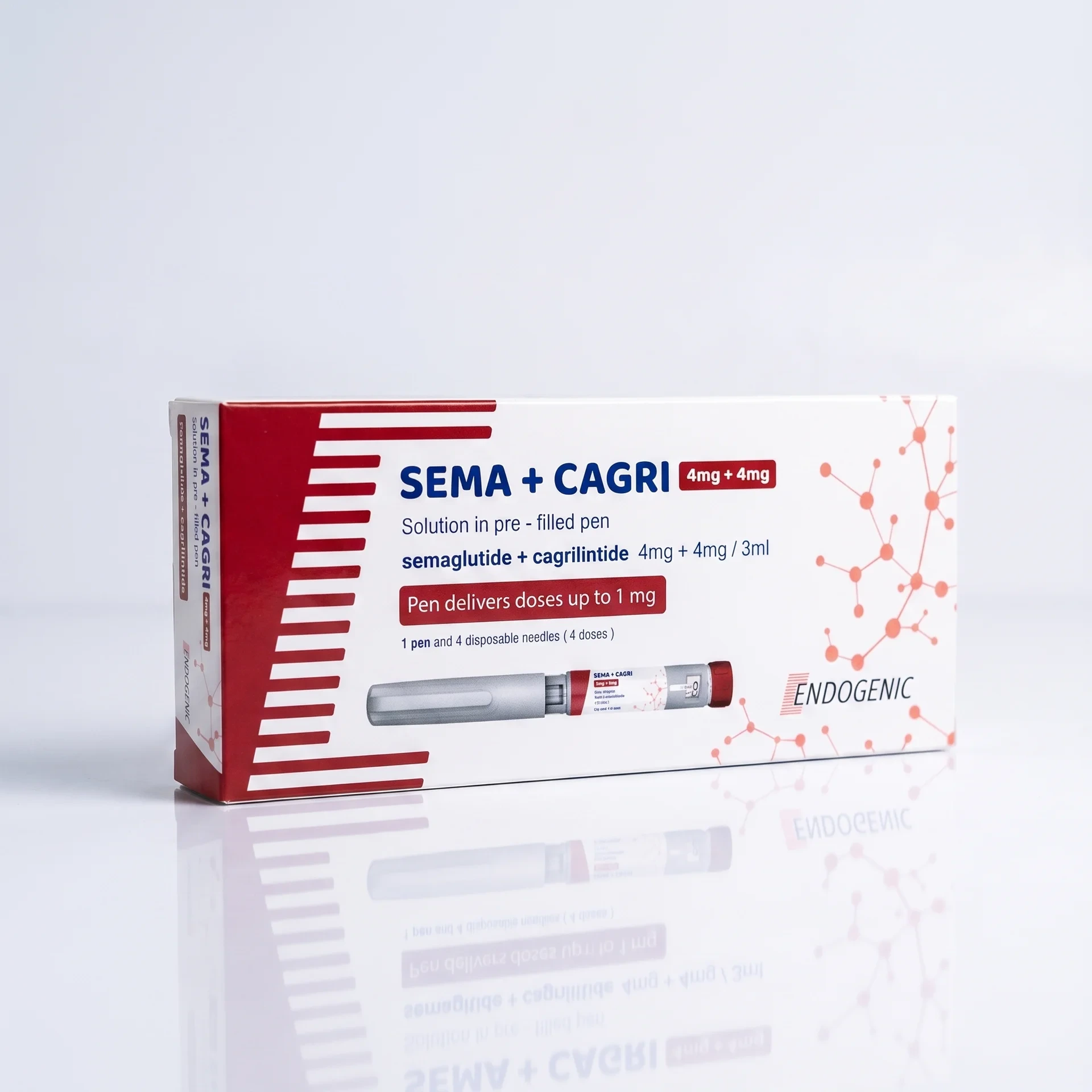
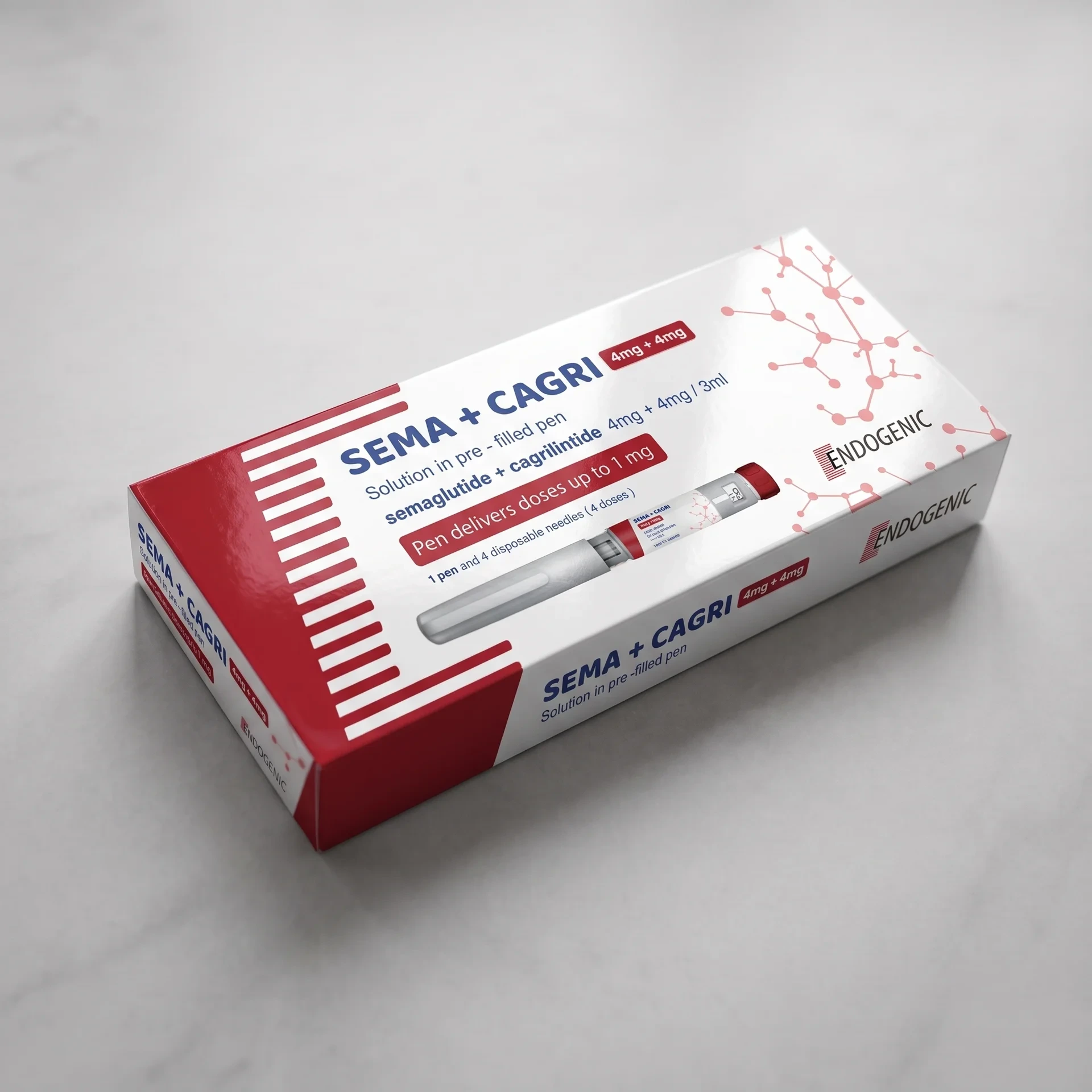
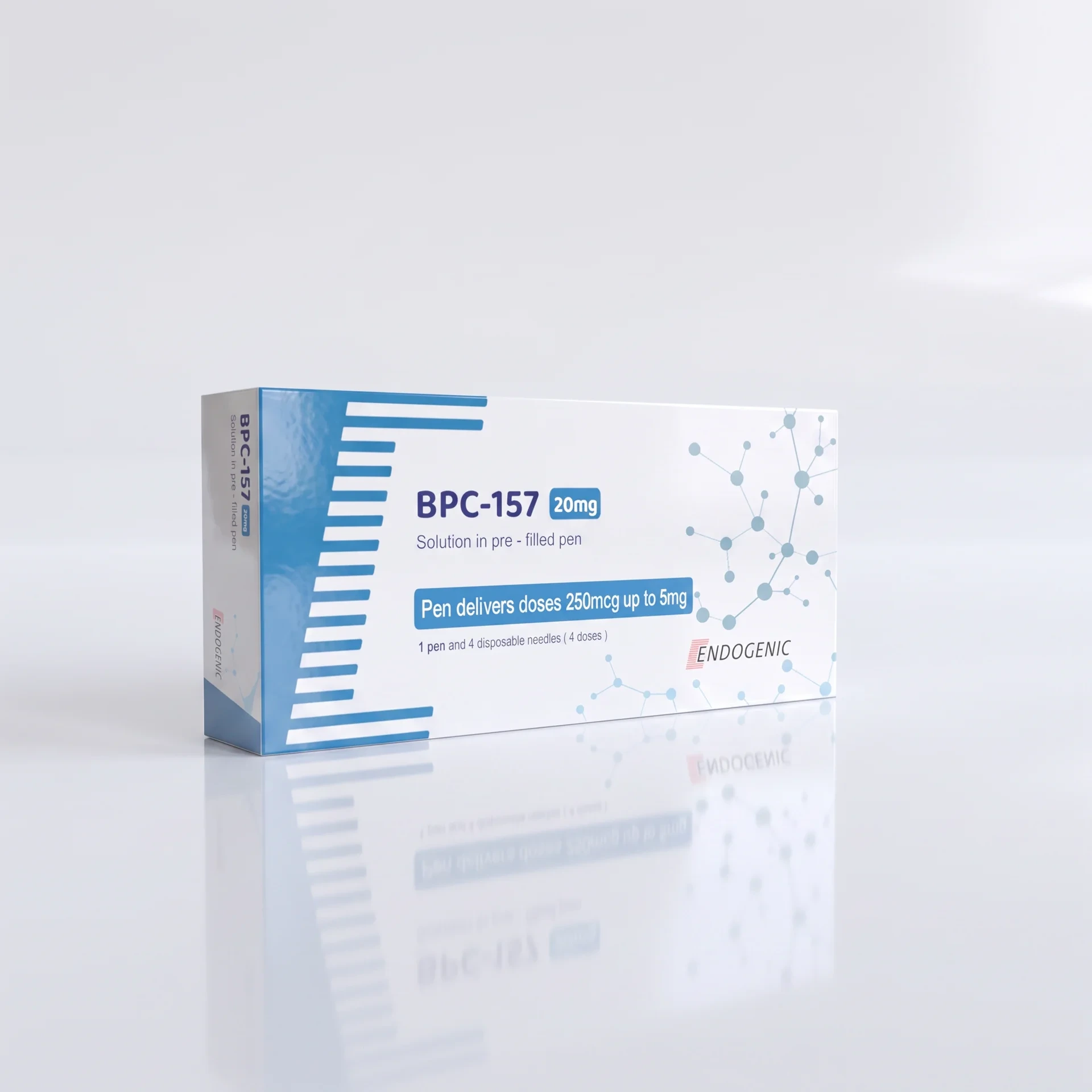
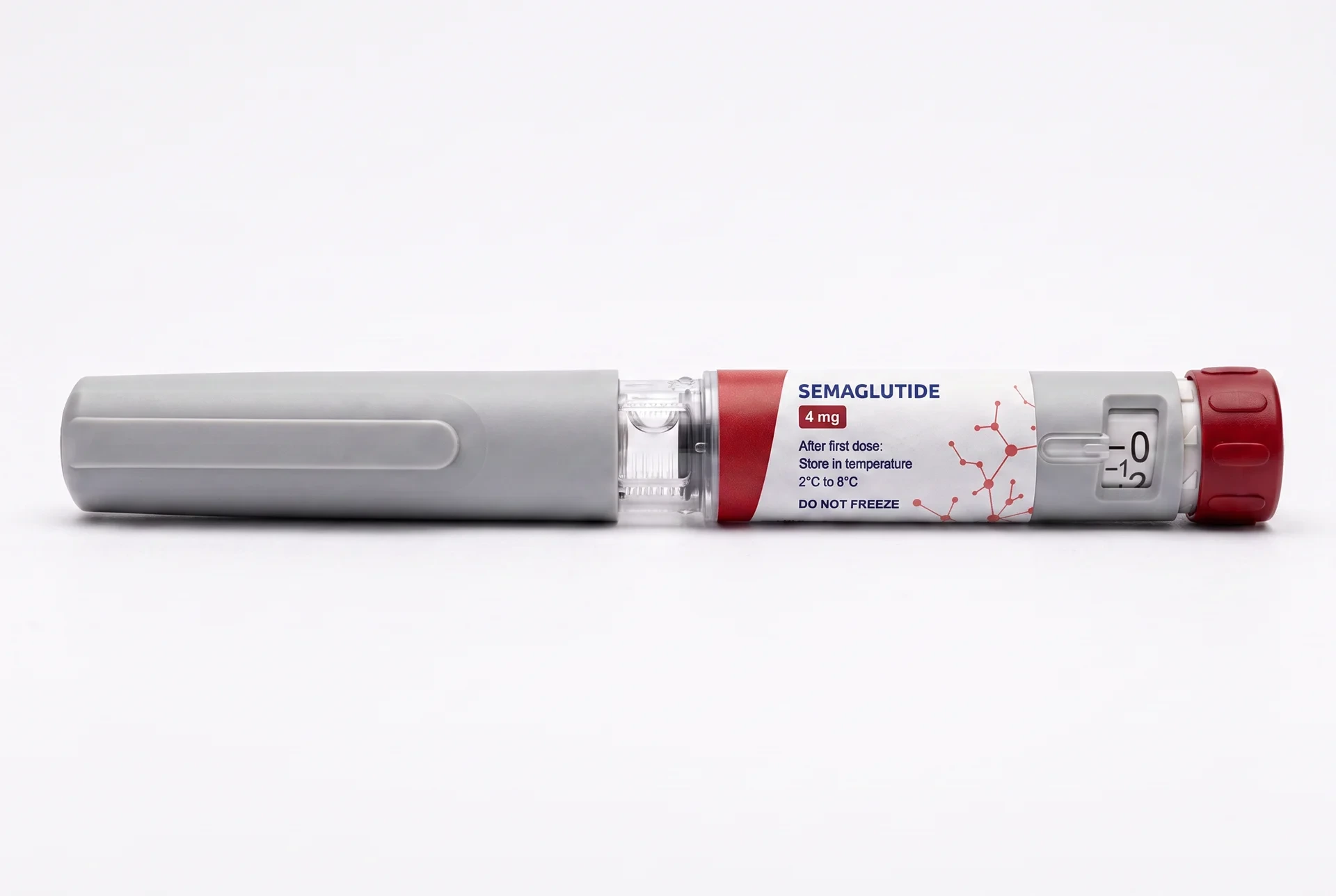
Melanotan 2 PEN 20 mg from the Endogenic line is an MT-II melanocortin peptide delivered in a form that eliminates the most troublesome step of working with a lyophilizate — a ready-to-use, pre-dissolved solution factory-sealed in a PEN applicator. Here the researcher does not dissolve a dry powder or select a solvent volume; they draw a solution of a concentration calibrated at the manufacturing stage, with draw repeatability built into the applicator’s dial mechanism.
In the catalog, this format belongs to the family of peptide pens — applicators with a ready-made solution. The molecule itself has one of the best-documented pedigrees in the entire class of research peptides. Melanotan II was created at the University of Arizona as part of a photoprotection program led by the team of Mac E.
Hadley and Victor J. Hruby. The starting point was a simple hypothesis: since endogenous α-MSH stimulates the synthesis of eumelanin (the dark, photoprotective pigment of the skin), then a stable, synthetic analog could induce pigmentation without exposure to UV radiation — and thus without the main risk factor for DNA damage and photocarcinogenesis. Thus was born “afamelanotide” and its cyclic, reinforced relative — Melanotan II.
MT-II is a full pan-agonist of the entire melanocortin receptor family MC1R–MC5R. This fundamentally distinguishes it from the MC4R-selective metabolite that is PT-141 spray (bremelanotide) with its shifted, narrowed selectivity. Pan-agonism means that MT-II simultaneously activates the pigmentation pathway (MC1R), the central appetite and arousal pathway (MC4R), energy balance (MC3R), and glandular activity (MC5R) — a broad, systemic melanocortin profile.
Neither Melanotan II nor its clinical development was concluded with registration. This is the typical picture for this class: a strong signal from pharmacological studies and early clinical trials of the 1990s (Dorr 1996; Hadley 1996), a lack of full regulatory approval, and specific agency warnings (FDA, MHRA). For this reason MT-II functions in trade as a Research Use Only reagent — a molecular tool for laboratory work on the melanocortin family, not a form for human use.
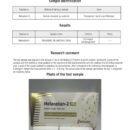
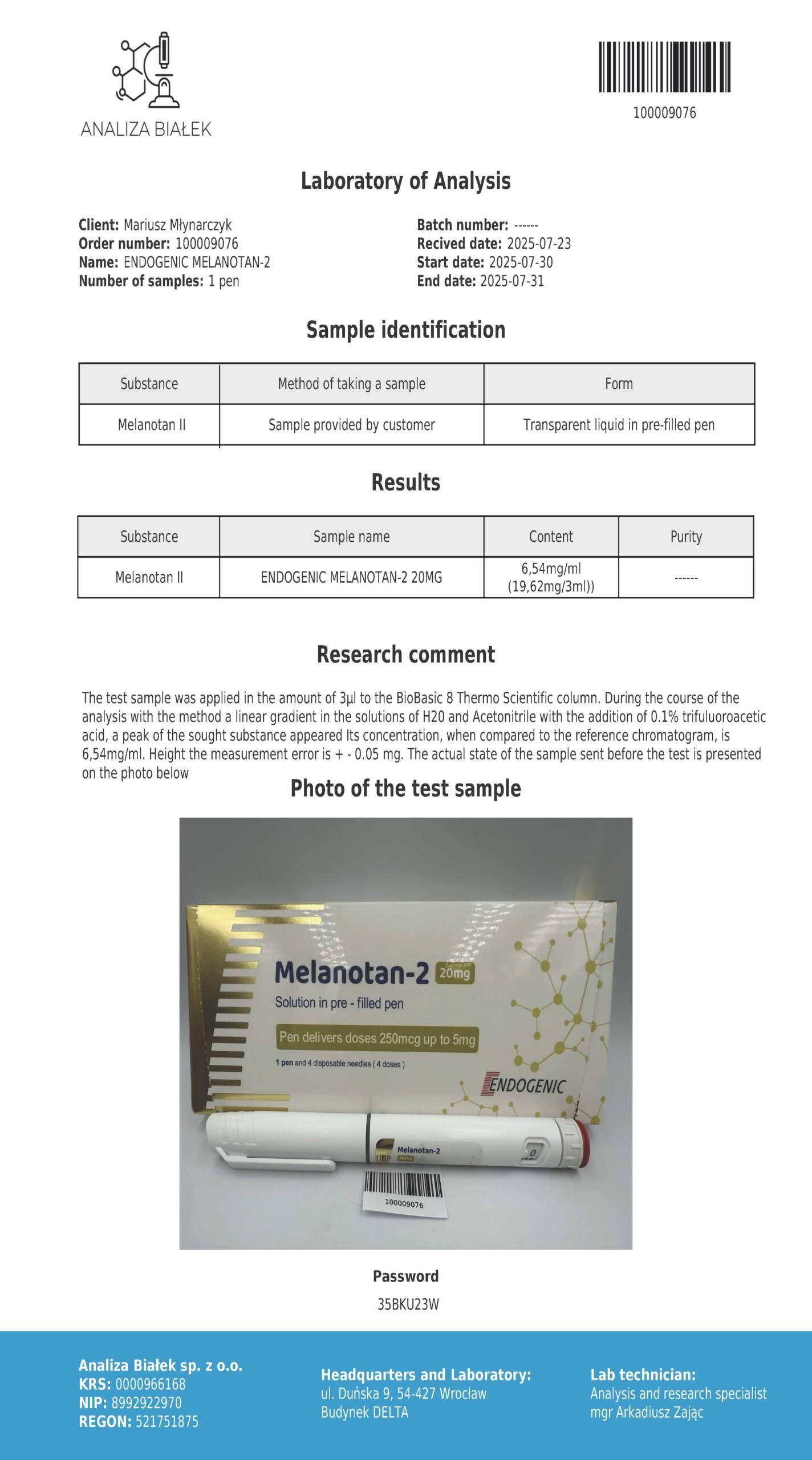
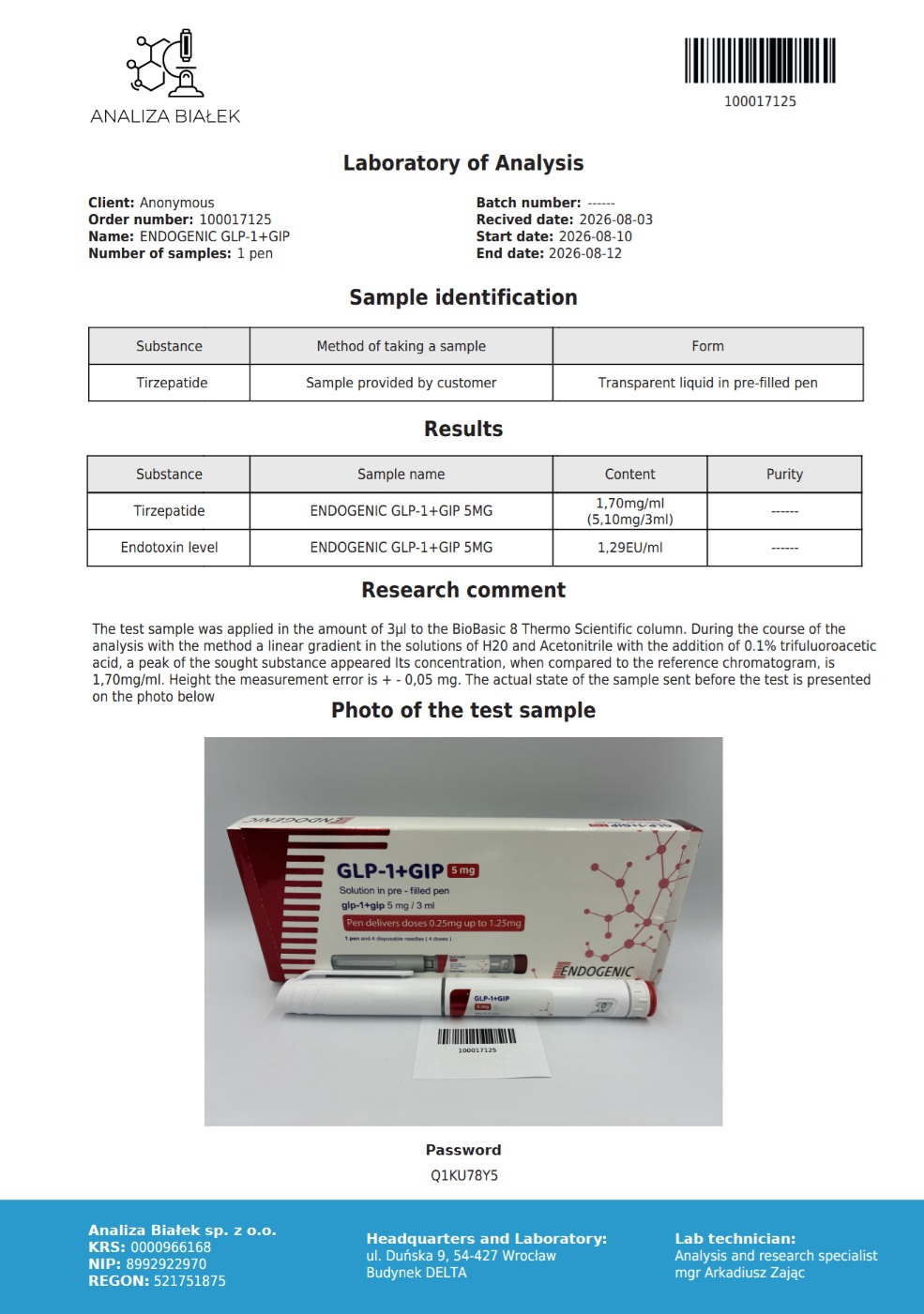
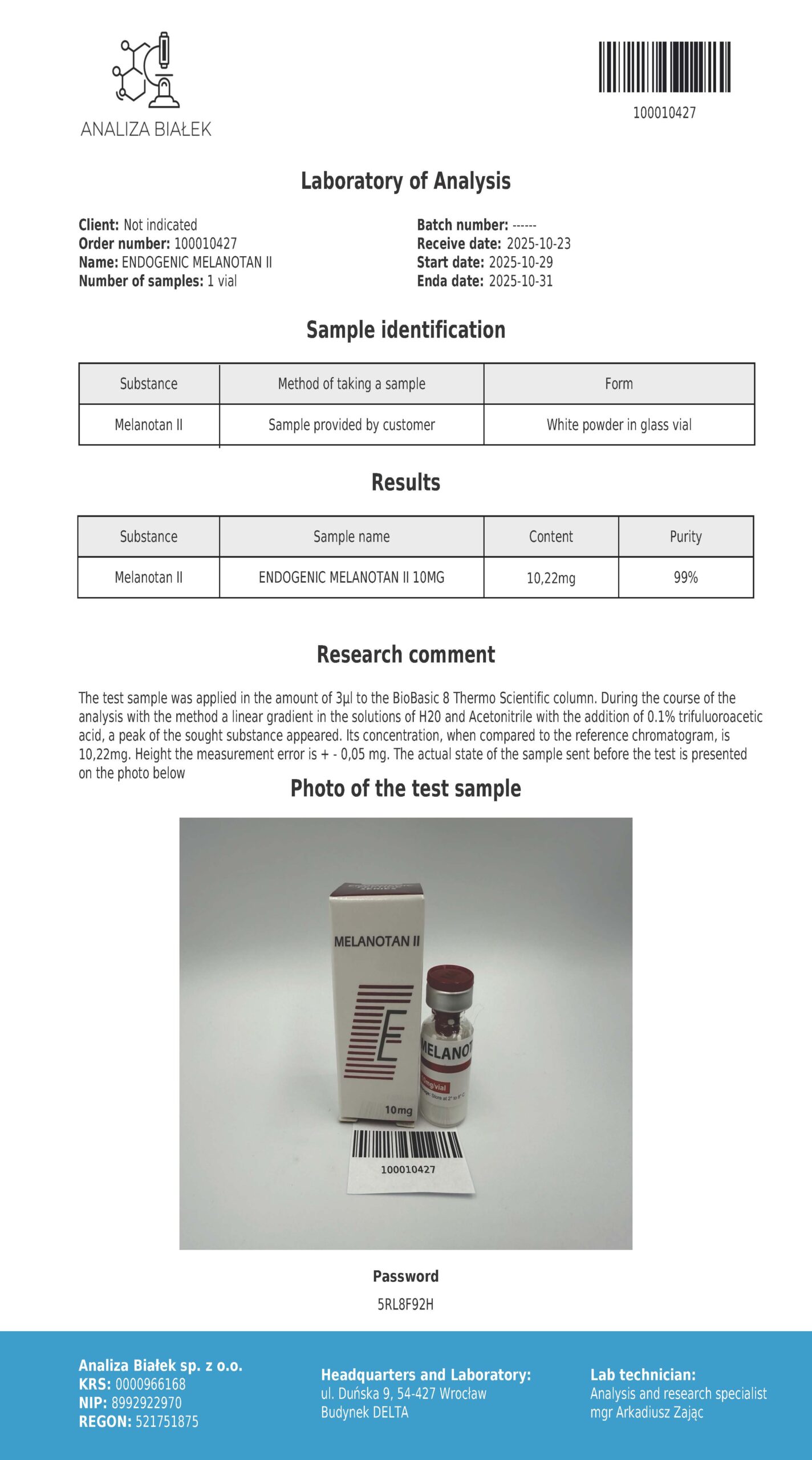
Purity is verified by HPLC ≥98%, identity is confirmed by Q-TOF mass spectrometry, and the solution concentration and number of units in the applicator are declared in the batch COA.