



Heart
Black Week
20% off everything with code BLACK
Click and the code is added to your cart.
Until Monday 30 Nov, 23:59 (Polish time).
Black Friday
20% off everything with code BLACK
Click and the code is added to your cart.
Until Monday 30 Nov, 23:59 (Polish time).
Last day
20% off everything with code BLACK
The code works until 23:59 today (Polish time).
Other categories
6 products
Black Week
Black Week deals before everyone else
Sign up for the newsletter and get access to the Black Week promotion before other customers.
By signing up you agree to receive the Pro-Body newsletter with news and promotions. You can unsubscribe at any time with one click in the e-mail. Privacy policy
Heart – meldonium, MOTS-c, Cardiogen and incretin agonists in cardiovascular research
In 2016 meldonium was added to the WADA Prohibited List, and in the first months of the ban it was detected in many athletes. The same substance is an authorised medicine in Latvia and Russia, used in ischaemic heart disease. The story of meldonium shows what the heart area is: a collection of compounds that have been studied in the context of the circulatory system and whose status depends on the country, the form and the context of use.
The compounds in this area act at different points. Meldonium and MOTS-c affect which fuel a heart muscle cell uses and how efficiently it extracts energy. Cardiogen belongs to the Khavinson school bioregulators. The incretin receptor agonists have reference molecules for which large cardiovascular outcome trials are being conducted.
Compounds studied in the context of the circulatory system
Meldonium – a modulator of carnitine metabolism
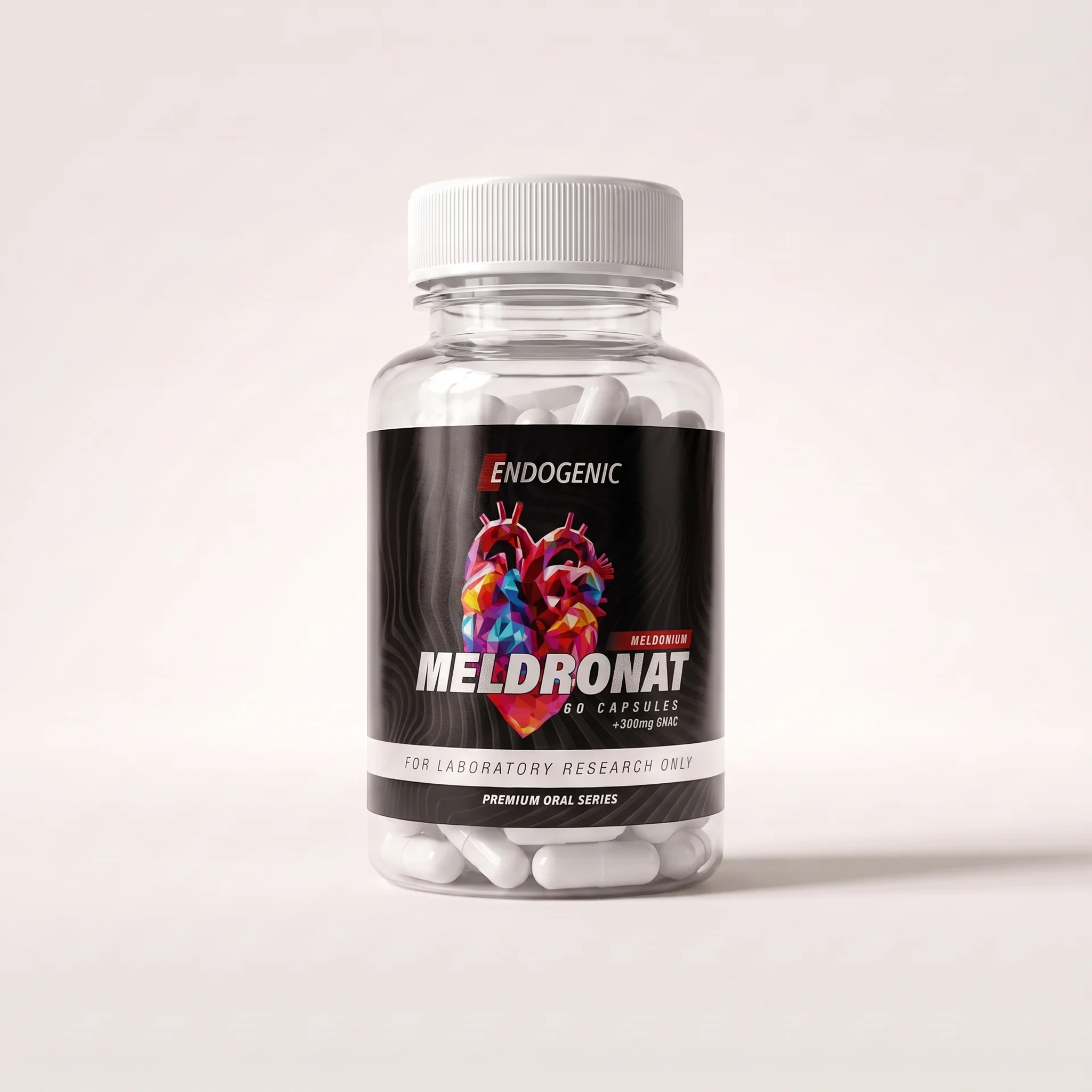
Meldronat contains meldonium, an inhibitor of γ-butyrobetaine hydroxylase, the enzyme that completes carnitine synthesis. Less carnitine means slower transport of fatty acids into the mitochondria, so under ischaemic conditions the cell switches to glucose, whose oxidation uses less oxygen per unit of energy produced (Dambrova et al., 2016). The medicine containing this substance, Mildronate®, is authorised in Latvia and Russia; the product in the shop is a research reagent and is neither that medicine nor a substitute for it.
MOTS-c – a mitochondrial peptide in heart models
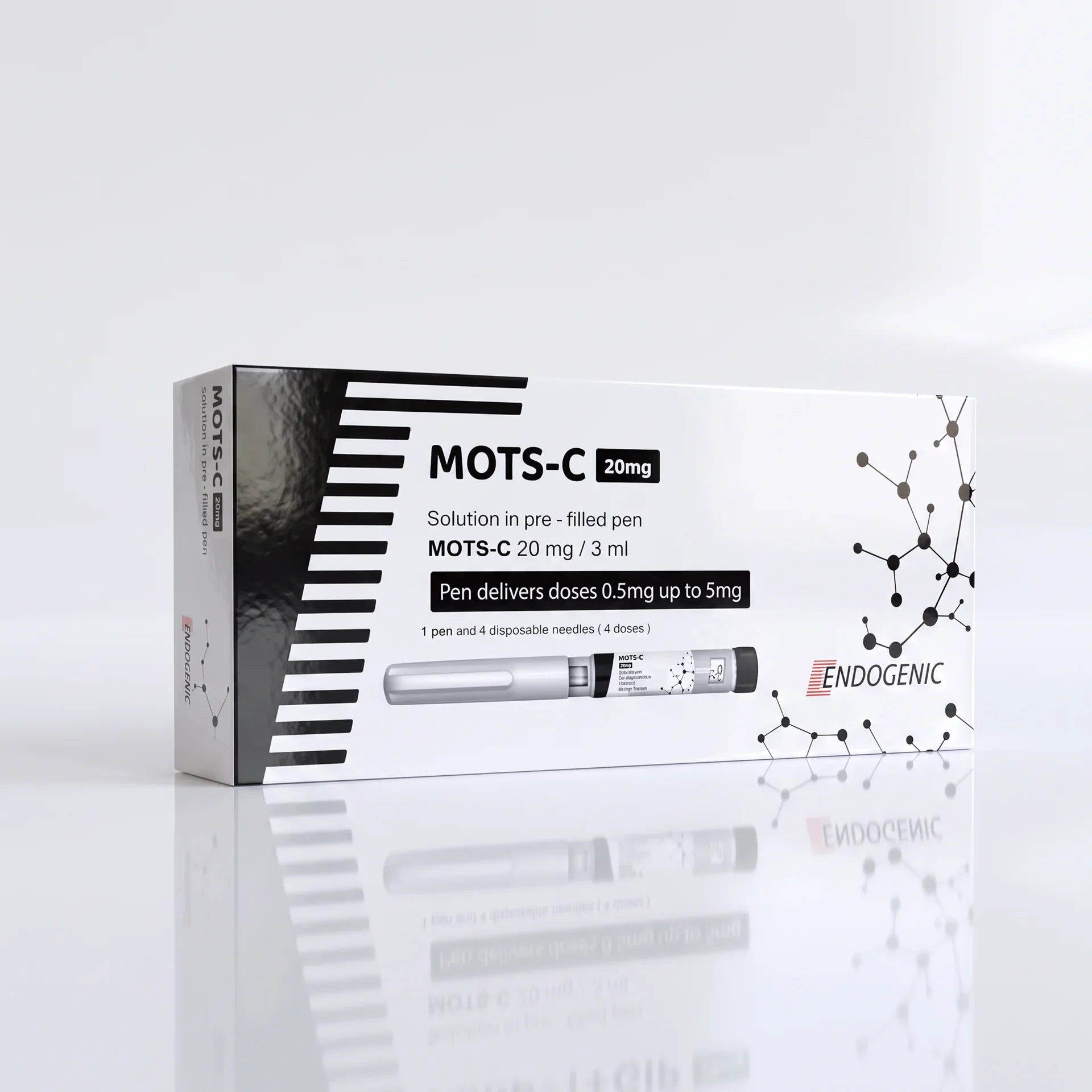
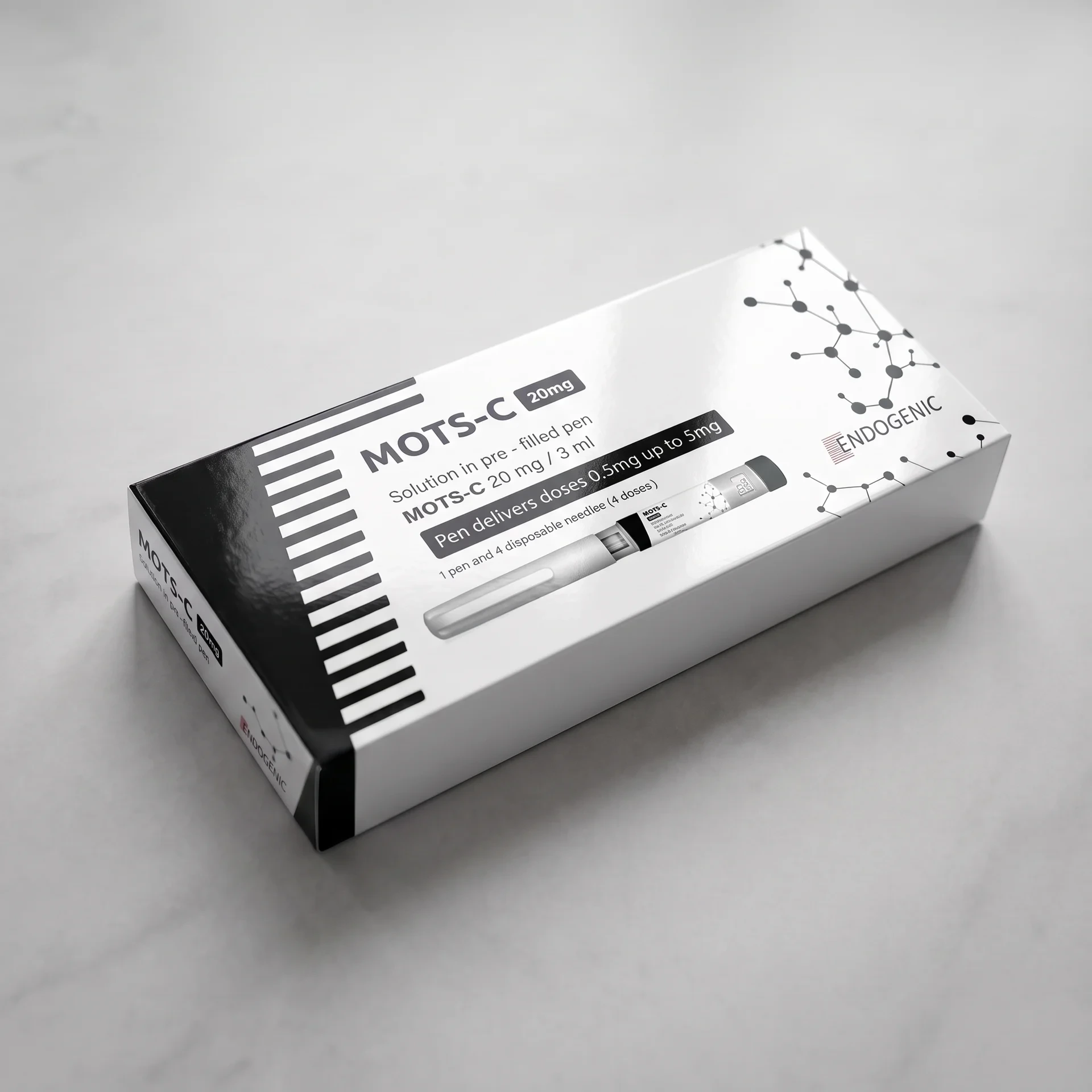
MOTS-C PEN contains MOTS-c, a peptide encoded in mitochondrial DNA and originally described as a regulator of glucose metabolism. Later work studied it in heart models. In a rat model of type 2 diabetes, MOTS-c lowered fasting glucose and C-reactive protein levels, and in left ventricular tissue it reduced levels of NLRP3 inflammasome proteins (Mills et al., 2026). The data come from animal models.
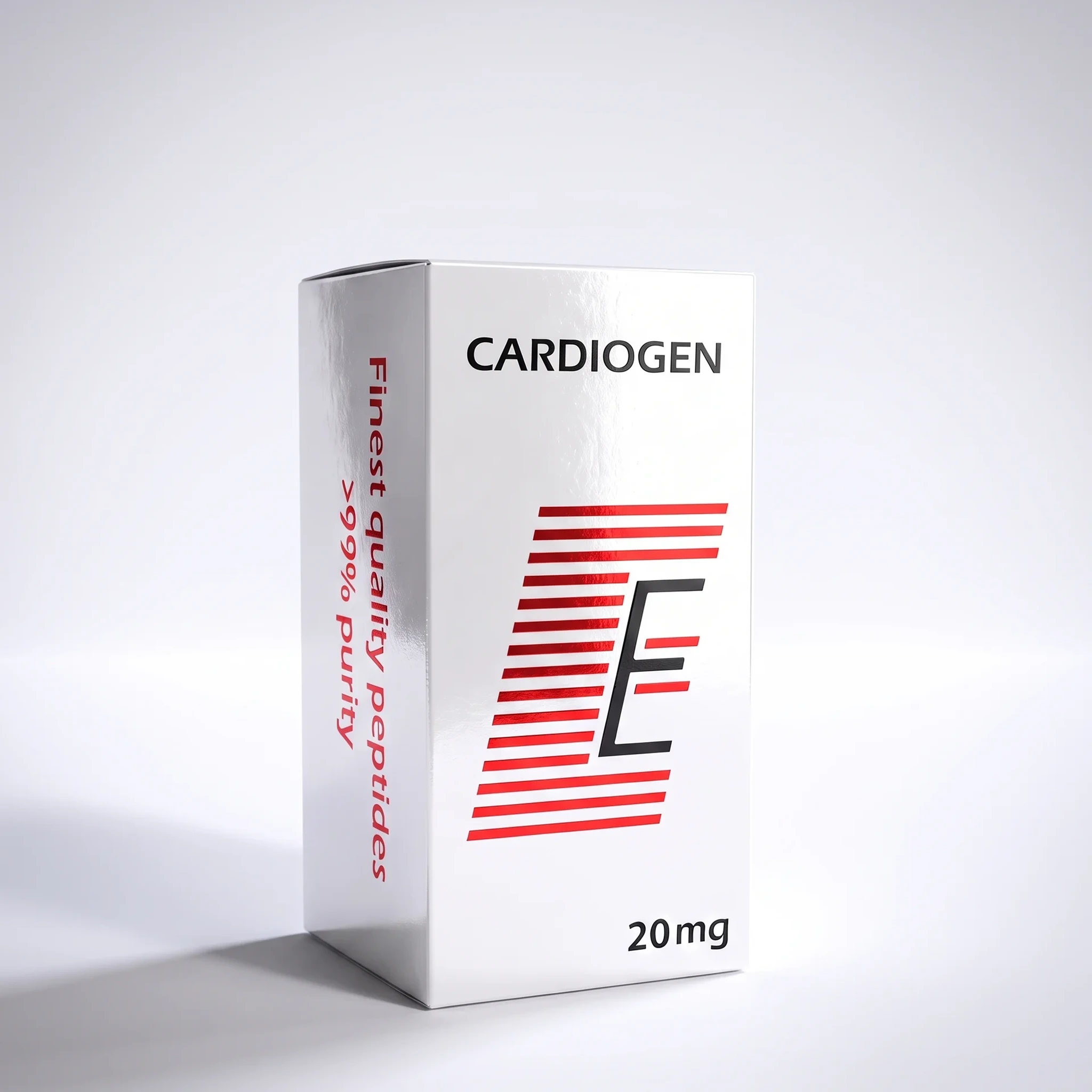
Cardiogen – a bioregulator attributed to the heart muscle
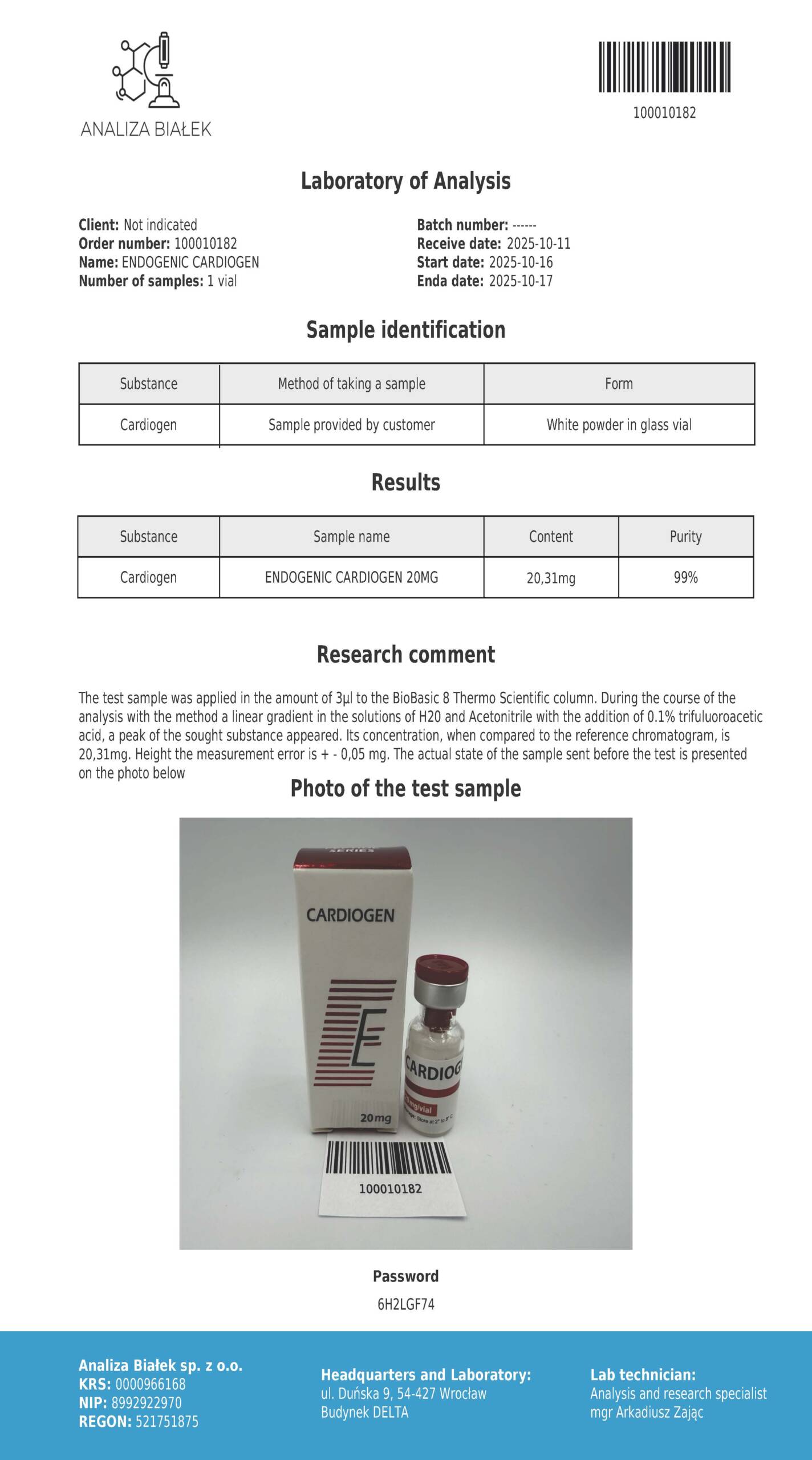
Cardiogen belongs to the same family of tissue-specific Khavinson school tetrapeptides as Bronchogen and Cortagen; that school’s tradition links it with heart tissue. Published work on Cardiogen is scarce and comes mainly from a single research circle, so the identity and purity of a batch are decided by the certificate of analysis (COA).
Incretin agonists and the circulatory system: GLP-1+GIP and Triple G
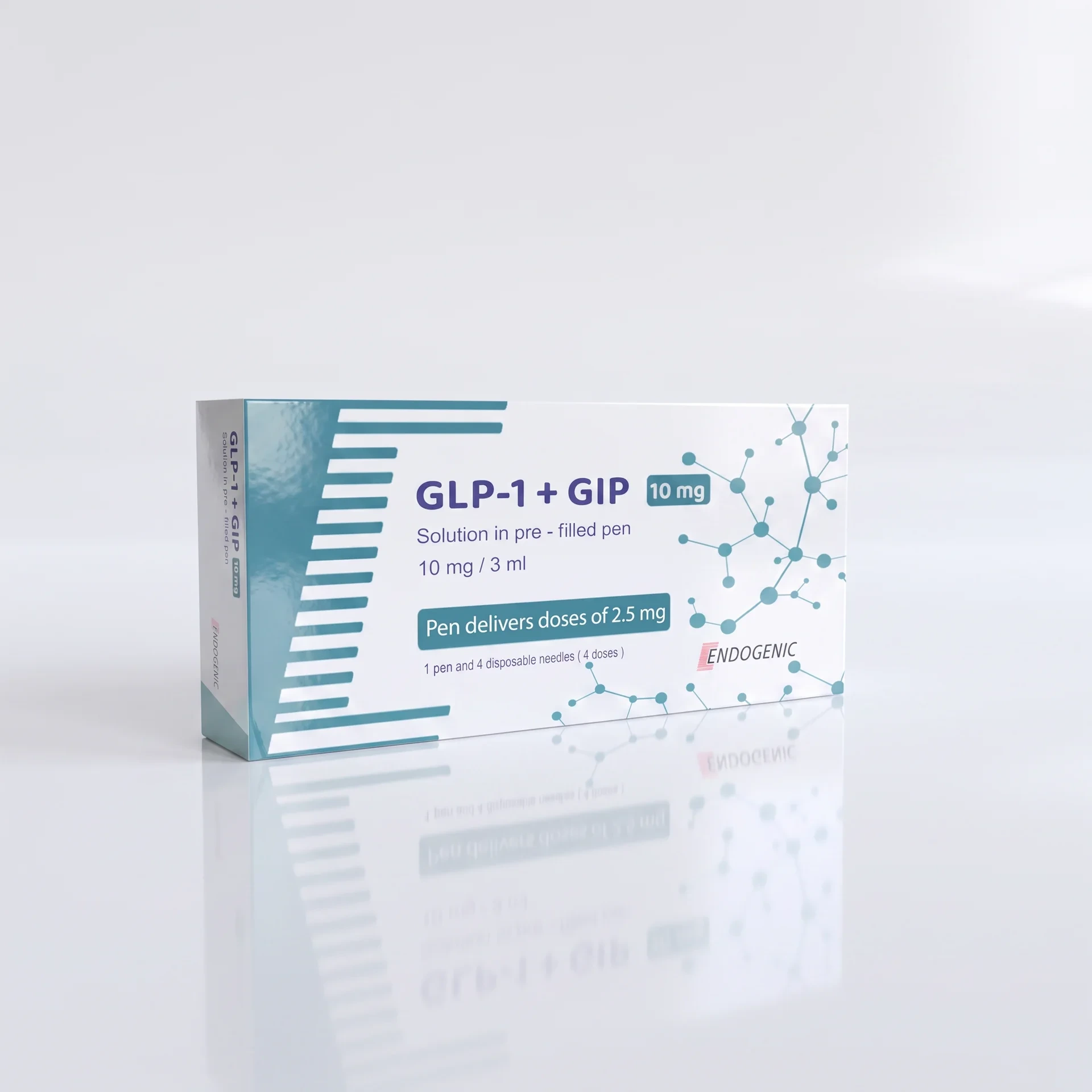
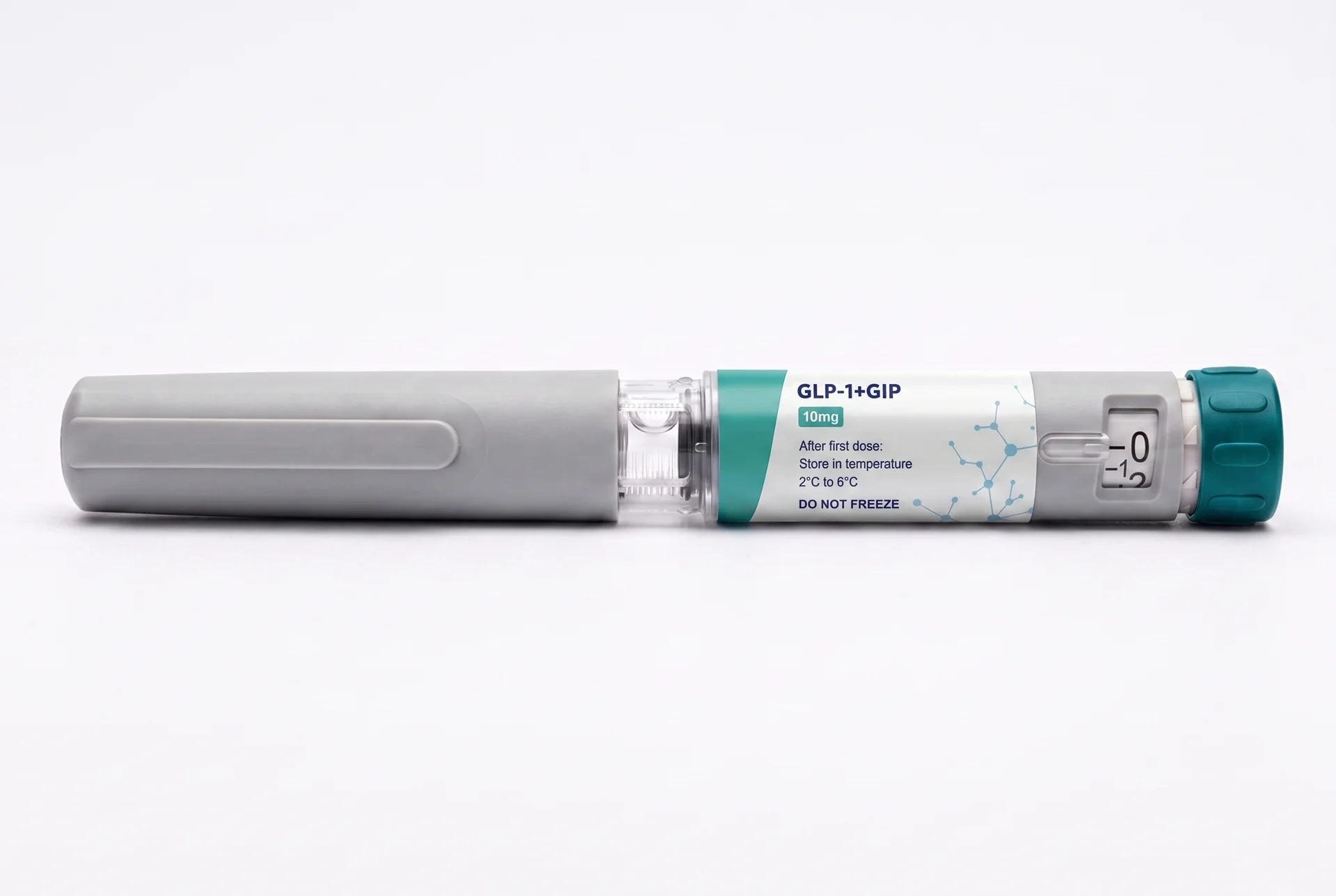
Cardiovascular outcome trials are conducted for authorised incretin receptor agonists. The SURPASS-CVOT trial randomised 13,299 people with type 2 diabetes and atherosclerotic cardiovascular disease to tirzepatide or dulaglutide, a medicine that reduced the rate of cardiovascular events in a separate trial. Cardiovascular death, myocardial infarction or stroke occurred in 12.2% of people in the tirzepatide group and in 13.1% in the dulaglutide group. Tirzepatide proved non-inferior to the comparator, but superiority was not demonstrated (Nicholls et al., 2025). These results concern medicines containing tirzepatide (Mounjaro®, Zepbound®) and do not carry over to the GLP-1+GIP PEN 10mg reagent.
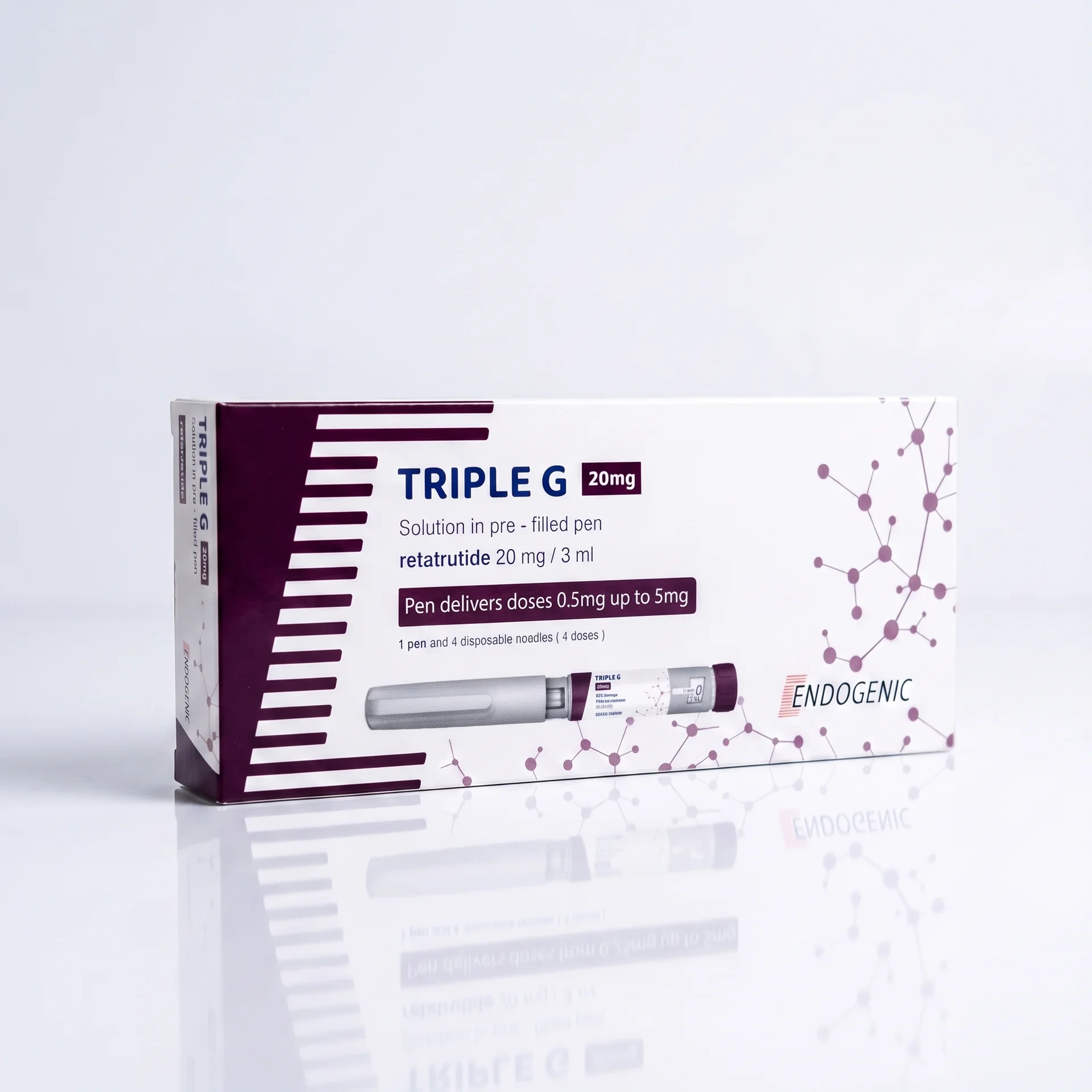
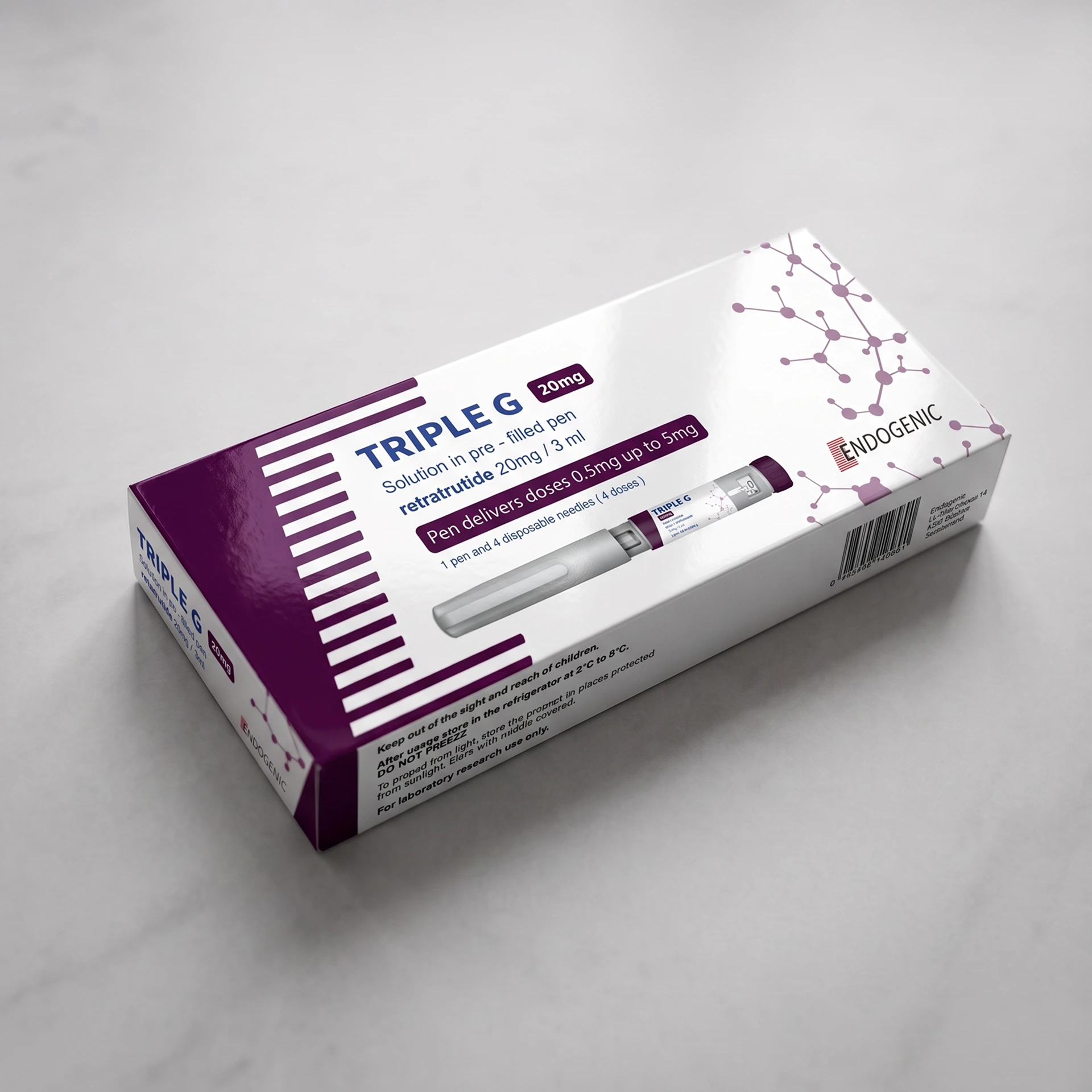
TRIPLE G PEN 20mg contains a reagent from the triple agonist class, whose reference molecule is retatrutide. In the phase III programme, the TRIUMPH-3 trial enrolled people with severe obesity and established cardiovascular disease. The manufacturer announced topline results, with no peer-reviewed publication as of October 2026, and the analysis of cardiovascular events in this trial was not powered to determine benefit. Retatrutide’s cardiovascular and renal outcomes are being assessed in a separate trial, for which the clinical trials registry gives an estimated completion date in 2029.
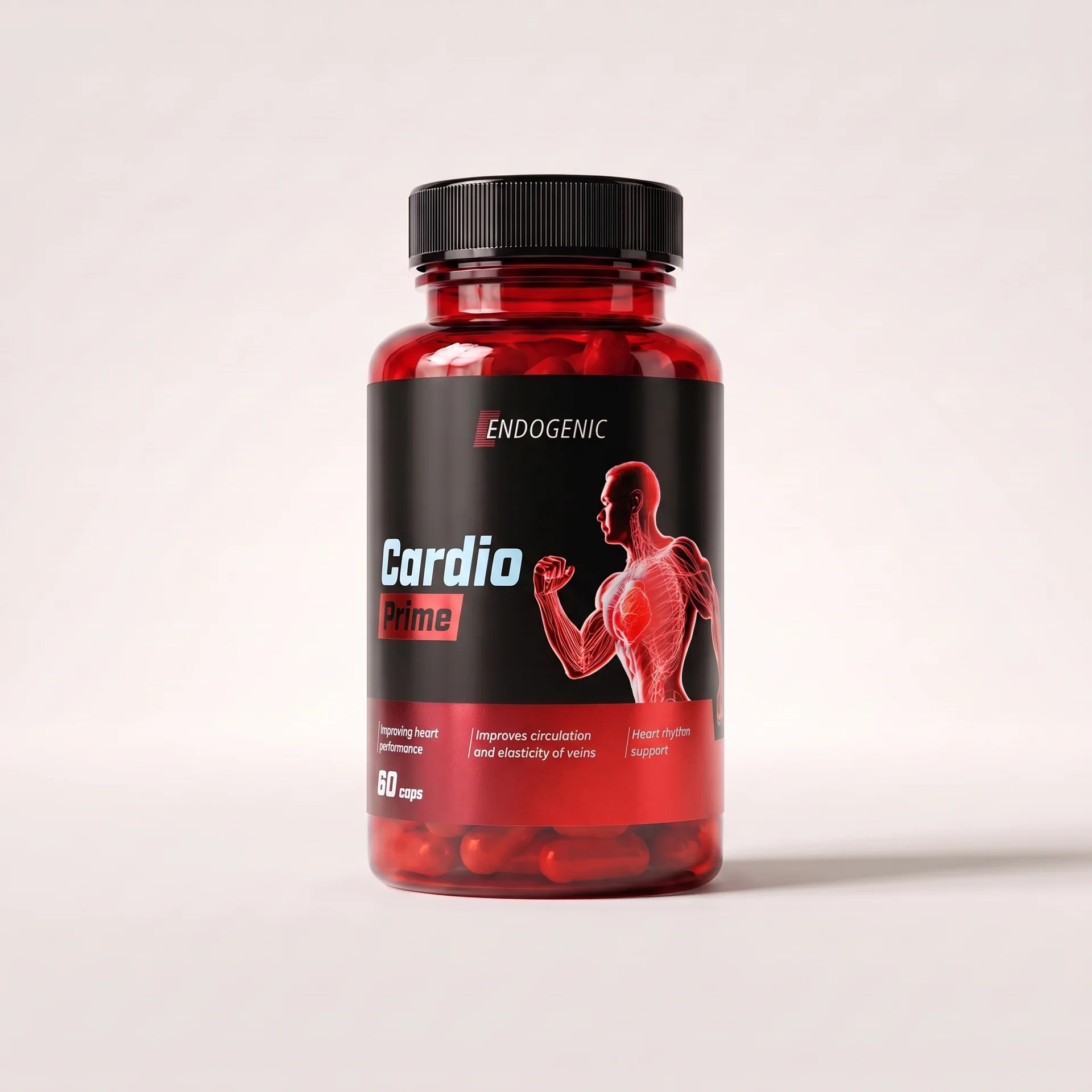
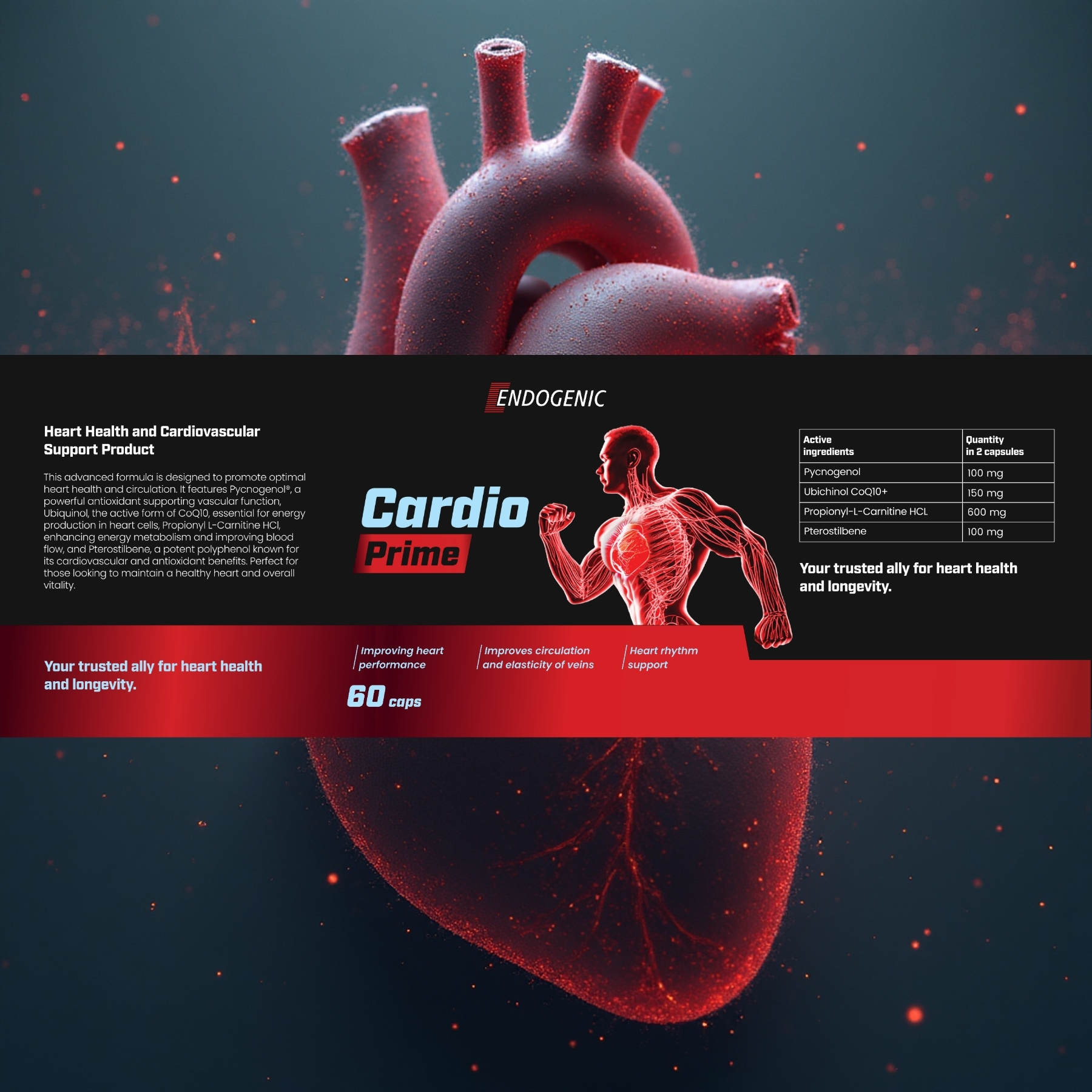
Cardio Prime – a capsule formula
Cardio Prime is the only product in this area whose product page declares dietary supplement status. The formula combines four ingredients, including ubiquinol (the reduced form of coenzyme Q10) and propionyl-L-carnitine. In the EU register of health claims, the claims relating to heart function include those for thiamine and for EPA and DHA, the latter at an intake of 250 mg per day. No such claims have been authorised for the ingredients of Cardio Prime, so the product is not described with promises of an effect on the heart.
Frequently asked questions (FAQ)
Are compounds from the heart area cardiological medicines?
No. A research reagent does not have medicine status, even if its reference molecule is the active substance of a medicine authorised in another country or in another form. Diagnosing and treating heart disease is a matter for a doctor, and RUO reagents are not intended for use in humans.
Why is meldonium prohibited in sport?
Meldonium was added to the List in 2016, after a period of observation in the Monitoring Program. As a substance that alters cellular energy metabolism, it now belongs to class S4.4.3 and is prohibited at all times, in and out of competition.
What did the SURPASS-CVOT trial show?
The trial included people with type 2 diabetes and cardiovascular disease. For the composite risk of cardiovascular death, myocardial infarction and stroke, tirzepatide met the non-inferiority criterion versus dulaglutide (HR 0.92; 95.3% CI 0.83–1.01), but the superiority criterion was not met. The result concerns a medicine used under medical supervision.
How does the GLP-1+GIP reagent differ from the medicine Mounjaro?
Mounjaro® is a tirzepatide medicine of confirmed pharmaceutical quality, authorised for specific indications. The GLP-1+GIP reagent is a research material whose identity and purity are confirmed by the batch COA, and the medicine’s clinical trial results, including SURPASS-CVOT, do not apply to it.