


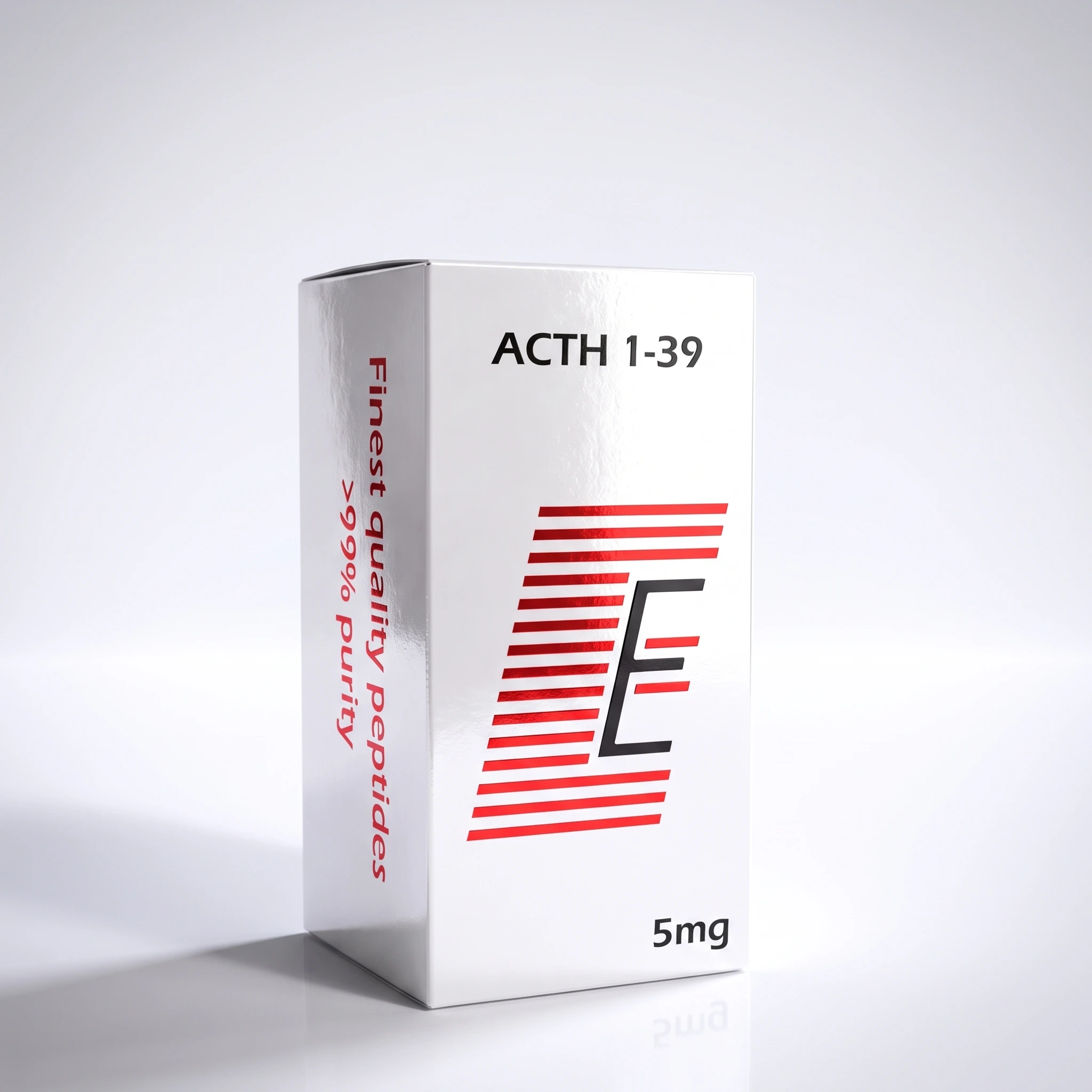
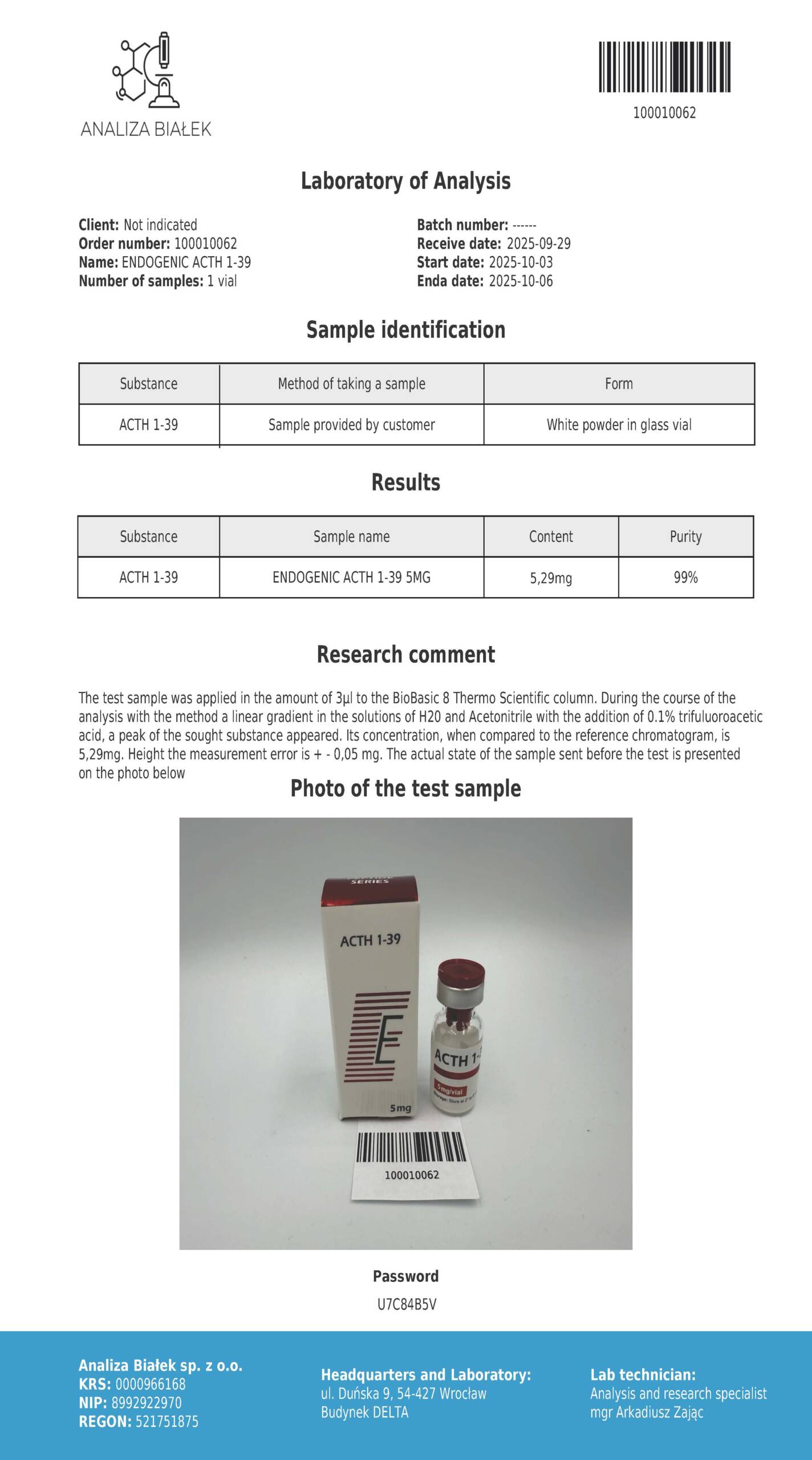
ACTH (adrenocorticotropin, adrenocorticotropic hormone) is also known as corticotropin – a full-chain, 39-amino acid hormone secreted by the anterior pituitary gland. It is formed from a larger precursor (proopiomelanocortin, POMC) and serves as the main regulator of the adrenal cortex. In the HPA axis, it stands between hypothalamic CRH and adrenal cortisol: CRH stimulates the pituitary gland to secrete ACTH, and ACTH triggers the production of cortisol in the adrenal glands. In the Pro-Body catalog, it is the RUO reference reagent for research on the stress axis and melanocortin receptors – not a medicinal form.
ACTH 1-39 5mg
ACTH (1-39) — full-chain 39-amino acid pituitary hormone for laboratory tests.
- Research Use Only reagent
- Molecular formula: C₂₀₇H₃₀₈N₅₆O₅₈S
- Molar mass: 4541 g/mol
- CAS number: 9002-60-2
- Form: lyophilisate in a vial
- Purity: ≥98% (HPLC)
59,99 €
With code BLACK: 47,99 €
Lowest price in the 30 days before the discount:
59,99 €
Fast shipping
Free delivery from 350 €
Returns policy
ACTH (1-39) - corticotropin RUO research reagent
- ACTH (1-39) — full-chain 39-amino acid pituitary hormone for laboratory tests.
- Reference agonist of the MC2R receptor: in adrenal cortex models it triggers steroidogenesis, in the HPA axis it closes the feedback loop with cortisol.
ACTH (corticotropin) is the active substance registered medicinal products in the USA and Europe. The full-chain hormone is available in the form of a repository (Acthar® Gel, USA), and its biologically active core ACTH 1-24 – as tetracosactide (Synacthen®), a diagnostic drug for assessing adrenal function. Reagent ACTH (1-39) RUO Pro-Body is in a different category: Research Use Only research material, is not a replacement registered drug, does not replace endocrine diagnostics or medical consultation.
WADA – corticotropins (including ACTH and corticosteroid-releasing analogues) are strictly prohibited in category S2 (peptide hormones, growth factors, related substances and mimetics). Communication of the product as an “adrenal regeneration peptide”, “natural cortisol booster” or “intranasal ACTH for athletes” is contrary to the Research Use Only framework and WADA’s S2 category. Reagent identity and purity are solely determined by the MS sequence and mass in the batch COA.
In neuroendocrinology, few hormones have such a clear position in the hierarchy of control as ACTH — adrenocorticotropin, i.e. corticotropin. It is a single chain of thirty-nine amino acids, secreted by the anterior pituitary gland, which controls the entire adrenal cortex. ACTH (1-39) belongs to the line Endogenous — reagents mapping molecules of endogenous origin, provided for research on neuroendocrinology, the stress axis and the pharmacology of melanocortin receptors.
This reagent delivers full chain hormone in a vials of lyophilisate for reconstitution — dry, stable powder from which the researcher independently prepares a working solution of the selected concentration. The vial format is logical here: ACTH 1-39 is a reference peptide in work on steroidogenesis, HPA axis feedback, and melanocortin signaling – contexts where freedom in the selection of working concentration is important for experimental design.
ACTH sits in the center hypothalamic-pituitary-adrenal (HPA) axis — the best described stress axis in physiology. The hypothalamus releases CRH, CRH stimulates the pituitary gland to secrete ACTH, and ACTH triggers the synthesis of cortisol in the adrenal cortex. Cortisol, in turn, feedback inhibits the hypothalamus and pituitary – a classic negative feedback loop. The molecular profile includes agonism of the MC2R melanocortin receptor in the adrenal cortex, regulation of the HPA axis, activity on other melanocortin receptors (MC1R/MC3R/MC5R) and the function of core 1-24 as a biologically active fragment.
Purity verified by HPLC ≥98%, identity confirmed by Q-TOF mass spectrometry, COA available for each batch. ACTH (1-39) belongs to a broader family research peptides used in modeling neuroendocrine axes.
ACTH as the top of the hypothalamic-pituitary-adrenal axis
ACTH (adrenocorticotropin, adrenocorticotropic hormone, corticotropin) is formed from a larger precursor protein – proopiomelanocortin (POMC) — which undergoes enzymatic cleavage in the corticotroph cells of the anterior pituitary. Other melanocortin peptides (α-MSH, β-MSH) and β-endorphin also come from the same precursor, which explains the structural relationship of ACTH to the melanocortin family and its activity on several receptors of this class.
In physiology, ACTH serves as the main regulator of the adrenal cortex. The sequence of events in the HPA axis is well described: a stress stimulus or circadian rhythm activates hypothalamic corticotropin-releasing hormone (CRH), CRH stimulates pituitary corticotroph cells to secrete ACTH, and ACTH – via the MC2R receptor in the stratum striatum and reticularis of the adrenal cortex – increases steroidogenesis, i.e. the synthesis and release of glucocorticoids (cortisol, corticosterone) and adrenal androgens.
The resulting cortisol closes the loop, feedback inhibiting both the hypothalamus and pituitary. This allows you to maintain steroidogenesis within a narrow, controlled range. In research, ACTH functions on two levels. The first one is physiology of the HPA axis — reference peptide for stress mechanisms, cortisol circadian rhythm and feedback. The second one is pharmacology of melanocortin receptors — ACTH is a natural MC2R ligand and also has affinity for MC1R, MC3R and MC5R, which makes it a comparative compound in work on pigmentation, the anti-inflammatory signal of melanocortins and the biology of the entire family of these receptors.
In this area, a related molecule that acts as a melanocortin agonist is Melanotan 2. In the Pro-Body catalog, ACTH (1-39) is the reference reagent for these two areas – a molecular tool, not a therapeutic form.
What is ACTH (1-39)?
ACTH (1-39) is a full-chain, linear 39-amino-acid peptide – the complete form of corticotropin, as opposed to the shortened, biologically active core 1-24 (tetracosactide). In vial format it is supplied as a lyophilisate for self-reconstitution.
- Common name: ACTH, ACTH 1-39, corticotropin, adrenocorticotropin, adrenocorticotropic hormone, corticotropin
- Sequence (N-terminus): Ser-Tyr-Ser-Met-Glu-His-Phe-Arg-Trp-Gly-Lys-Pro-Val-Gly-Lys-Lys-Arg-Arg-Pro-Val-Lys-Val-Tyr-Pro… (single-letter writing begins SYSMEHFRWGKPVGKKRRPVKVYP…) – Full sequence 1-39 for verification in the batch COA
- Active core: the first 24 residues (ACTH 1-24) are responsible for full biological activity on MC2R; residues 25-39 modulate the stability and immunological properties of the chain
- Chemical class: linear melanocortin peptide; agonist of the MC2R receptor (and other melanocortin receptors)
- Delivered form: white lyophilisate in a vial, for reconstitution with bacteriostatic water; research grade ≥98% HPLC
Table of physicochemical characteristics
| Parameter | Value | Attention |
|---|---|---|
| Name | ACTH (1-39), corticotropin | adrenocorticotropin |
| Line | Endogenous | — |
| Sequence (start) | SYSMEHFRWGKPVGKKRRPVKVYP… | full 39 residues to verify in COA |
| Number of amino acids | 39 | full chain hormone |
| Active core | residues 1-24 (tetracosactide) | full activity on MC2R |
| CAS number | 9002-60-2 | for corticotropin |
| Molar mass | ~4541 g/mol | mass for verification in the batch COA |
| Target receptor | MC2R (adrenal cortex) | activity also on MC1R/MC3R/MC5R |
| Physical form | lyophilisate (powder) | for reconstitution |
| HPLC purity | ≥98% | verification of purity and related impurities |
| Identity confirmation | Q-TOF mass spectrometry | molecular weight + sequence |
Mechanism of action at the molecular level
In the literature, ACTH is described as a compound with a clearly defined primary target (adrenal cortex) and a broader melanocortin profile. Below are five axes of activity, each with the name of the receptor or pathway and the ratio observed in the research models.
MC2R agonism and steroidogenesis in the adrenal cortex
This is the main, best documented axis. MC2R (melanocortin type 2 receptor) is a G protein-coupled receptor present almost exclusively in the adrenal cortex. ACTH binds MC2R, activates the cAMP/PKA cascade and triggers steroidogenesis — from the mobilization of cholesterol (StAR protein) by the enzymes of the pathway to the synthesis and release of cortisol, corticosterone and adrenal androgens (Gallo-Payet 2016).
In adrenocortical cell models and in vivo, ACTH 1-39 functions as a reference MC2R agonist – a reference point for measuring the steroidogenic response. MC2R is peculiar: it requires the accessory protein MRAP to properly respond to ACTH, making this axis a model system for research on the biology of melanocortin receptors.
HPA axis regulation and cortisol feedback
The second axis concerns ACTH as a link hypothalamic-pituitary-adrenal (HPA) axis. Cortisol produced under the influence of ACTH feedback inhibits the secretion of CRH in the hypothalamus and ACTH in the pituitary – a negative feedback loop that maintains steroidogenesis in the physiological range. In research models, ACTH 1-39 is used as a tool to analyze the dynamics of this loop: circadian rhythm, response to a stress stimulus and feedback inhibition mechanisms. This is a context in which the full-chain form of the hormone is the reference molecule for the entire physiology of stress.
Activity on MC1R, MC3R and MC5R – melanocortin profile
As a POMC-derived peptide, ACTH retains affinity for other melanocortin receptors. MC1R is responsible for pigmentation (melanogenesis in melanocytes), MC3R and MC5R they participate in anti-inflammatory signaling and metabolic regulation. In the literature, melanocortins are described in context anti-inflammatory effect outside the adrenal glands (Catania 2010) — a pathway important for the entire family of these receptors. For ACTH (1-39), this axis is secondary to MC2R, but makes it a comparative compound in studies on melanocortin biology.
ACTH stimulation test – diagnostic context for adrenal function
The fourth axis is the role of ACTH as a stimulus in adrenal stimulation test — a diagnostic tool for assessing the reserve of the adrenal cortex (Ospina 2016). In clinical practice, the role of the stimulus is played by the registered core 1-24 (tetracosactide, Synacthen®), not the RUO reagent. In basic research, ACTH 1-39 functions as a reference stimulator of steroidogenesis in experimental models – a context that distinguishes the research material from the diagnostic use in humans, which is the domain of the drug.
Fragment 1-24 as the biologically active core
The fifth axis concerns the structure itself. The full activity on MC2R is within first 24 amino acids chain – this fragment (tetracosactide) was retained in the diagnostic drug Synacthen®. Residues 25-39 are not required for steroidogenic activity, but modulate the stability and immunological properties of the full hormone (Bicknell 2008). For the researcher, this means a clear distinction: ACTH 1-39 is the complete endogenous hormone, ACTH 1-24 is its active core used pharmaceutically. Reference data mainly comes from work on MC2R biology and steroidogenesis (Gallo-Payet 2016; Clark 2016) and ACTH biosynthesis from POMC (Bicknell 2008).
Important distinction - full chain, active core, drug and reagent
ACTH (1-39) vs ACTH (1-24) – full hormone vs active core. ACTH 1-39 is a complete, 39-amino acid pituitary hormone. ACTH 1-24 is a truncated fragment covering the first 24 residues – tetracosactide, a biologically active core with full ability to stimulate MC2R, known as a diagnostic drug Synacthen®. Both stimulate steroidogenesis, but differ in chain length, mass (~4541 g/mol for 1-39 vs. ~2933 g/mol for 1-24), stability profile and regulatory status. This reagent is full chain ACTH 1-39, not tetracosactide.
RUO reagent vs. registered corticotropins. Full-chain ACTH is available on the pharmaceutical market as a repository of corticotropin (Acthar® Gel, USA), and its core 1-24 as tetracosactide (Synacthen®) — a diagnostic drug to assess adrenal function. These products are medicines with regulatory authorization, medical supervision and clinical indications. ACTH Reagent (1-39) RUO Pro-Body is not any of these and is not a substitute for them — it is a material for laboratory tests, without medicinal status and without use in humans.
ACTH is not a corticosteroid. This is a distinction central to understanding the molecule. Corticosteroids (cortisol, dexamethasone, prednisone) are steroids — low molecular weight lipid compounds acting on the glucocorticoid receptor. ACTH is peptide, which itself has no steroid activity: its role is to stimulating the adrenal cortex to produce its own cortisol through the MC2R receptor. ACTH is therefore one level higher in the cascade – it is a signal triggering steroidogenesis, not a steroid. Confusing these two classes leads to a misinterpretation of the mechanism.
COA as a binding identity document. It remains a binding signal of the party’s identity sequence and mass confirmed by mass spectrometry in COA, along with the determination of the chain length (39 vs. 24 residues). The trade name, description on the packaging or the abbreviation “ACTH” do not replace the certificate of analysis – the full-chain hormone and its active core are two different molecules that are resolved by MS, not the label.
Applications in scientific research
ACTH (1-39) as an RUO reagent is used in several research areas. The lyophilized vial format works well when the researcher needs the freedom to select the working concentration for a specific experimental system – from cell cultures to animal models of the HPA axis.
Steroidogenesis and MC2R biology. Adrenocortical cell cultures (adrenocortical lines, primary cultures) to measure the steroidogenic response – cortisol/corticosterone synthesis, StAR protein expression, activity of pathway enzymes. ACTH 1-39 functions as a reference MC2R agonist, including in studies investigating the role of the MRAP accessory protein in receptor signaling.
HPA axis and stress physiology. Animal models of the dynamics of the hypothalamic-pituitary-adrenal axis – circadian rhythm of cortisol, response to a stress stimulus, negative feedback mechanisms. ACTH 1-39 as a full-chain reference ligand allows the analysis of the entire CRH → ACTH → cortisol → feedback inhibition loop. In modeling adjacent neuroendocrine axes, researchers use related tools, such as the HPG axis GnRH analogue Alarelin or regulating the secretion of gonadoliberin Kisspeptin-10.
Pharmacology of melanocortin receptors. In vitro receptor systems (MC1R, MC3R, MC5R) for comparative studies on the selectivity, pigmentation (melanogenesis) and anti-inflammatory signal of melanocortins. ACTH as a natural ligand derived from POMC is a reference compound for the entire family of these receptors.
Research on adrenal function and the HPG axis. ACTH 1-39 as a reference stimulator of steroidogenesis in experimental models for assessing adrenal reserve – a background context, distinguished from the human diagnostic stimulation test that uses the registered core 1-24 (Synacthen®). In broader hormonal protocols, ACTH is sometimes combined with gonadotropin research tools such as menotropin HMG, modeling the lower segment of the reproductive axis.
Summary
ACTH (1-39) is a full-chain, 39-amino acid pituitary hormone – corticotropin (CAS 9002-60-2, ~4541 g/mol) – supplied as a lyophilized vial for reconstitution from the Endogenic line. It stands at the top of the hypothalamic-pituitary-adrenal (HPA) axis: through agonism of the MC2R receptor in the adrenal cortex, it triggers steroidogenesis – the synthesis of cortisol, corticosterone and adrenal androgens – and the resulting cortisol closes the negative feedback loop.
The melanocortin profile also includes activity on MC1R, MC3R and MC5R (pigmentation, anti-inflammatory signal). The full biological activity is contained in the first 24 residues of the chain – fragment 1-24 (tetracosactide), used pharmaceutically as Synacthen®. The regulatory profile remains clear and critical. Corticotropin is the active substance of registered drugs (Acthar® Gel, Synacthen®), and the ACTH (1-39) RUO reagent is not their substitute.
ACTH is not a corticosteroid – it is a peptide signal that triggers the production of its own cortisol, not the steroid itself. Corticotropins are strictly prohibited by WADA in category S2. In the Pro-Body catalog, ACTH (1-39) is available as a Research Use Only reagent – with HPLC purity ≥98%, MS Q-TOF confirmation and COA for each batch.
Bibliography
- Gallo-Payet N (2016). 60 YEARS OF POMC: Adrenal and extra-adrenal functions of ACTH. PubMed
- Clark AJ, Forfar R, Hussain M, Jerman J, McIver E, Taylor D, Chan L (2016). ACTH Antagonists. PubMed
- Bicknell A. B. (2008). The tissue-specific processing of pro-opiomelanocortin. PubMed
- Catania A, Lonati C, Sordi A, Carlin A, Leonardi P, Gatti S (2010). The melanocortin system in control of inflammation. PubMed
- Ospina NS, Al Nofal A, Bancos I, Javed A, Benkhadra K, Kapoor E, Lteif AN, Natt N, Murad MH (2016). ACTH Stimulation Tests for the Diagnosis of Adrenal Insufficiency: Systematic Review and Meta-Analysis. PubMed
Chemical reagent Research Use Only. ACTH (1-39) (lyophilized vial, Endogenic line) in the Pro-Body catalog is not a medicinal product, dietary supplement or food. It is not intended for administration to humans or animals outside a controlled experimental environment. Corticotropin is the active substance of registered medicines (Acthar® Gel, tetracosactide/Synacthen®) — the RUO reagent is not a substitute or a substitute for endocrine diagnostics.
Corticotropins are on the prohibited list DEFECT in category S2 and are strictly prohibited (in- and out-of-competition). Registered Athletes (ADAMS) must check the current list before making any decision. The information in the description is educational and scientific in nature and refers to reference physiology and results from experimental models – it does not constitute medical advice or administration instructions.
FAQ
ACTH binds the melanocortin type 2 receptor (MC2R), present almost exclusively in the adrenal cortex. After binding, the receptor activates the cAMP/PKA cascade, which triggers steroidogenesis – from the mobilization of cholesterol (StAR protein) through the enzymes of the pathway to the synthesis and release of cortisol, corticosterone and adrenal androgens. MC2R is peculiar: it requires the accessory protein MRAP for proper response. In adrenocortical cell models, ACTH 1-39 functions as a reference MC2R agonist. These are observations from experimental systems, not an effect confirmed by this reagent in humans.
ACTH 1-39 is a complete, full-chain hormone (39 residues, ~4541 g/mol). ACTH 1-24 is a truncated fragment covering the first 24 residues – tetracosactide, a biologically active core with full MC2R stimulating capacity, known as the diagnostic drug Synacthen®. Both stimulate steroidogenesis, but differ in chain length, mass, stability profile and regulatory status. This reagent is full chain ACTH 1-39, not tetracosactide – the difference is determined by the mass and the MS sequence recorded in the COA.
NO. ACTH is a peptide, not a steroid. Corticosteroids (cortisol, dexamethasone, prednisone) are low molecular weight lipid compounds acting directly on the glucocorticoid receptor. ACTH itself has no steroid activity – its role is to stimulate the adrenal cortex to produce its own cortisol via the MC2R receptor. ACTH is therefore one level higher in the cascade: it is a peptide signal triggering steroidogenesis, not a steroid. Confusing these two classes leads to a misinterpretation of the mechanism.
Corticotropins – including ACTH and corticosteroid-releasing peptides – are on the WADA prohibited list in category S2 (peptide hormones, growth factors, related substances and mimetics). The ban is absolute and applies permanently, in-competition and out-of-competition. The reason is the abuse potential for an increase in endogenous cortisol and an analgesic and anti-inflammatory effect. The RUO status of a reagent does not change this classification. Registered athletes (ADAMS) must absolutely check the current list before making any decision.
Reconstitution is the preparation of a working solution from dry powder in a research unit. In short: equalize the temperature of the vial and bacteriostatic water, disinfect the stoppers, take the calculated volume of solvent, introduce it slowly along the wall of the vial (not into powder), dissolve without shaking (rotation or spontaneous dissolution) and store the clear solution at 2-8°C.
Full chain peptides are sensitive to shear and foaming – aggressive mixing promotes aggregation. The concentration of the working solution is selected by the researcher for the experimental setup; is a parameter of study design, not a recommendation for use.
0.0
0 reviews
This product has no reviews yet.
Related products
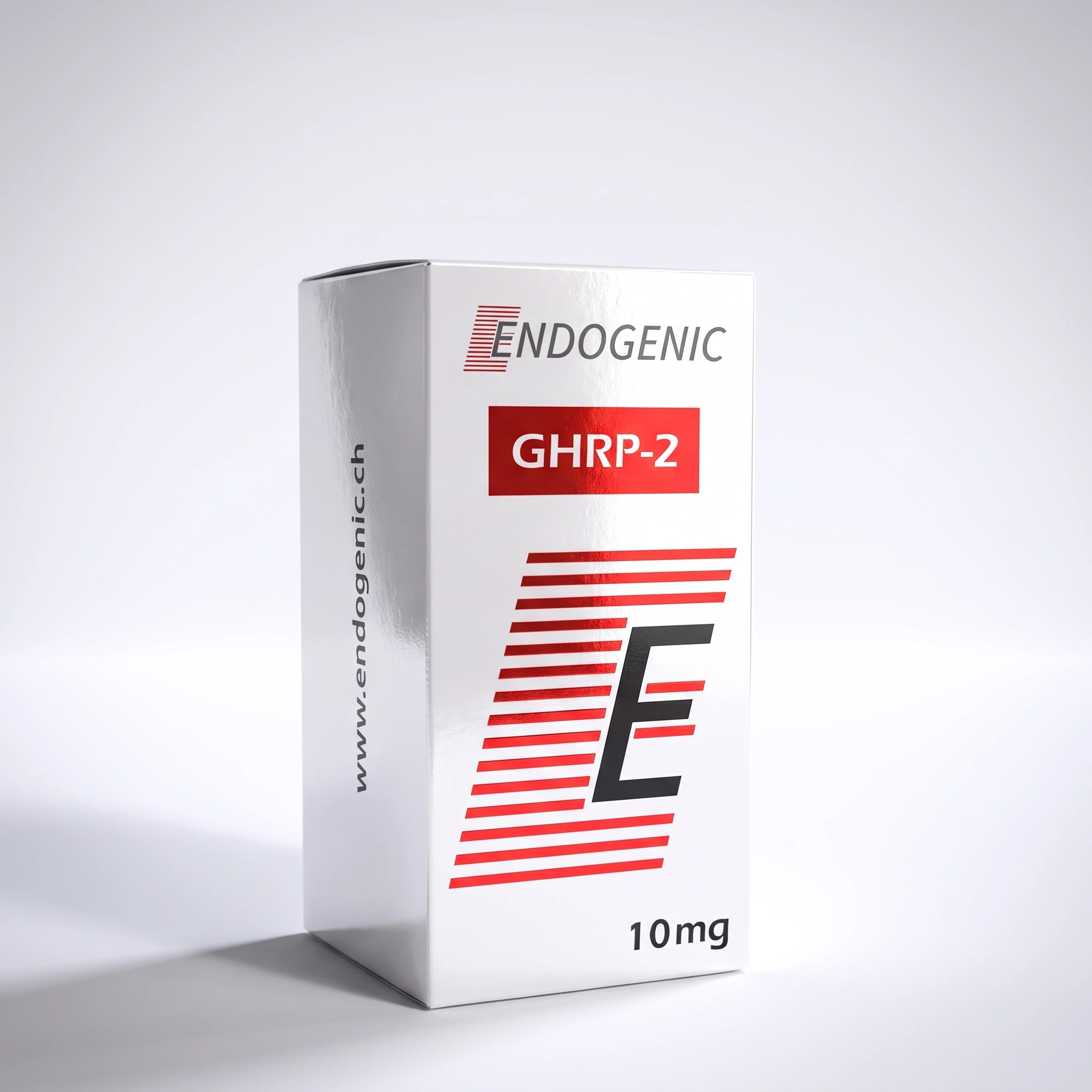
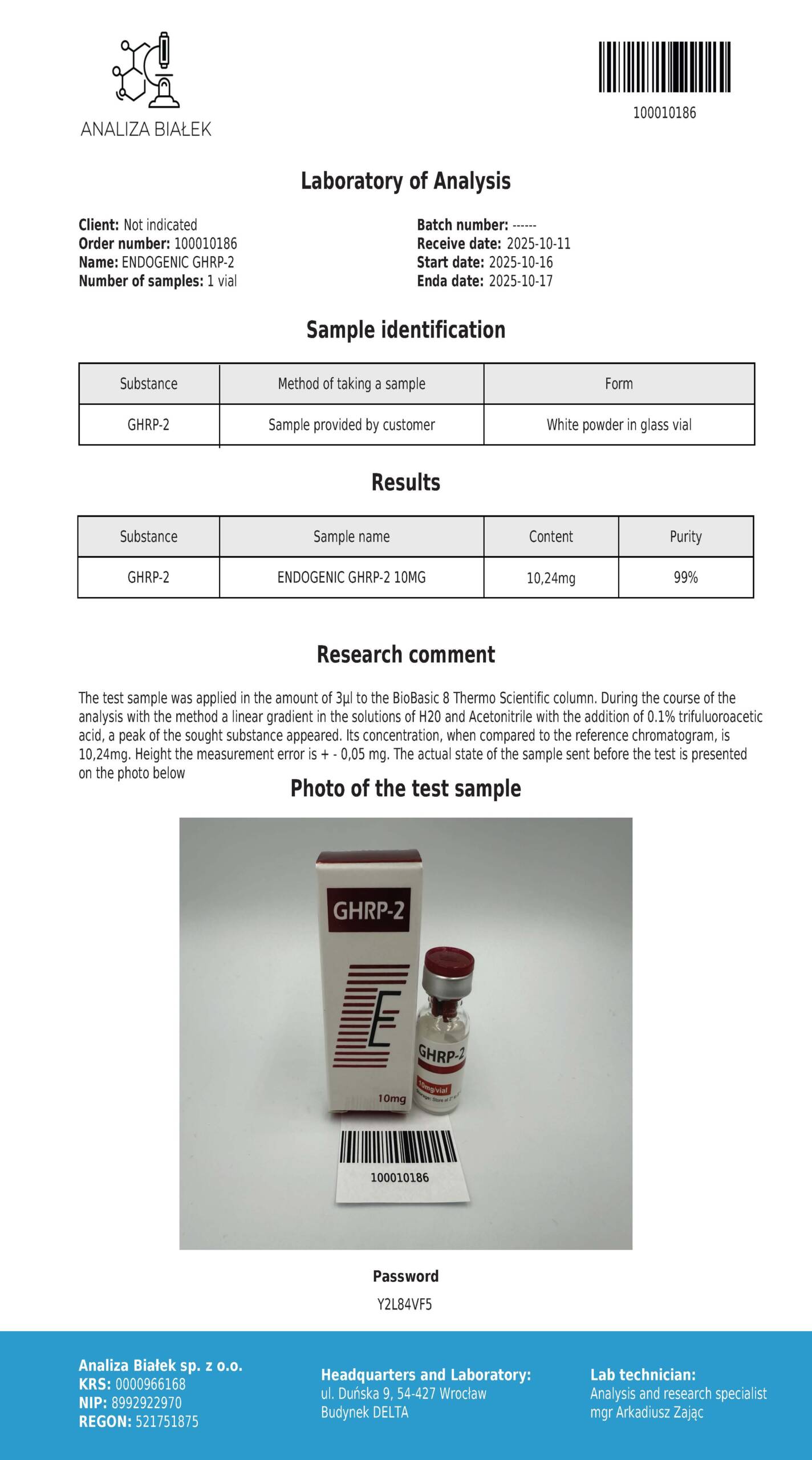
GHRP-2 10mg
GHRP-2 10mg
19,99 €