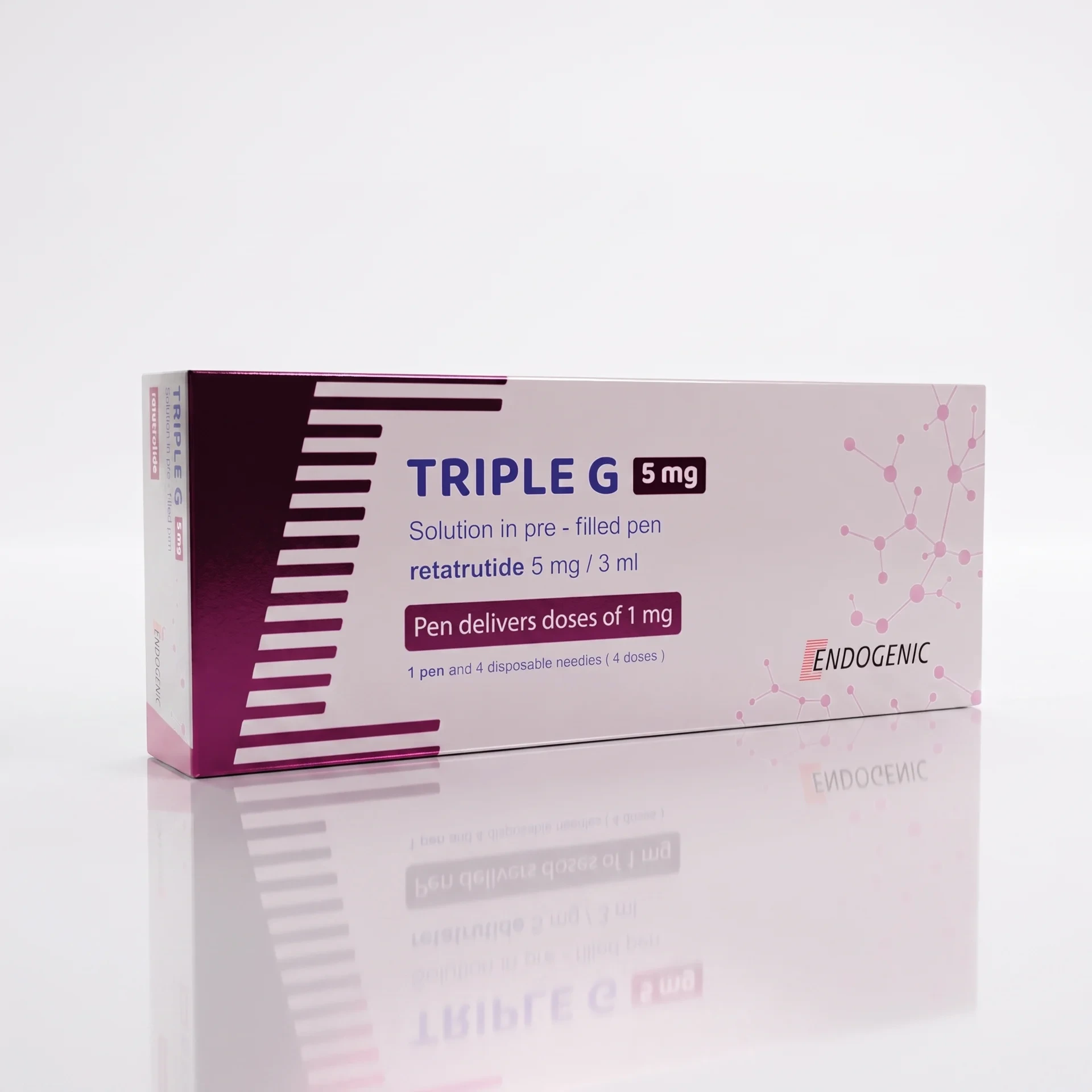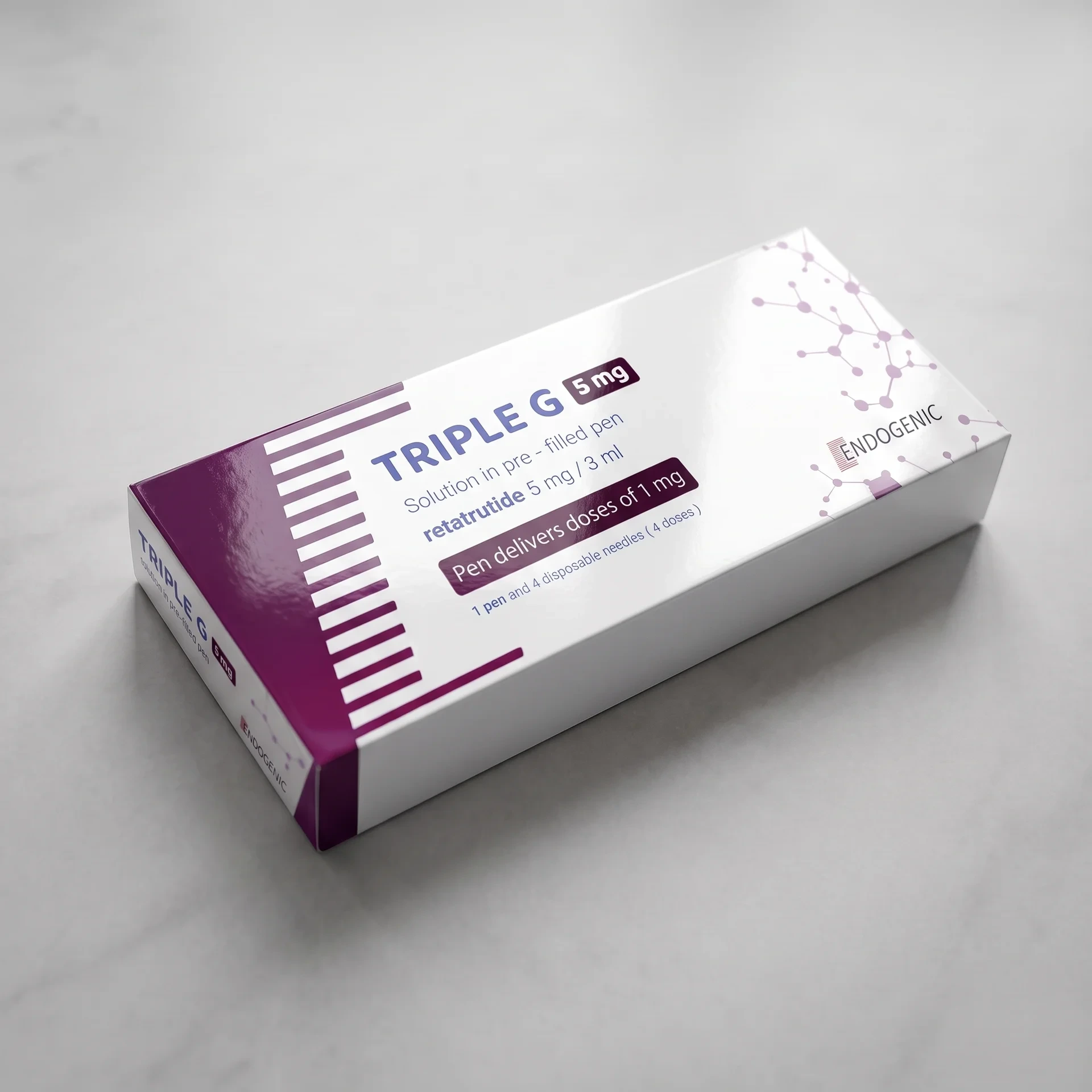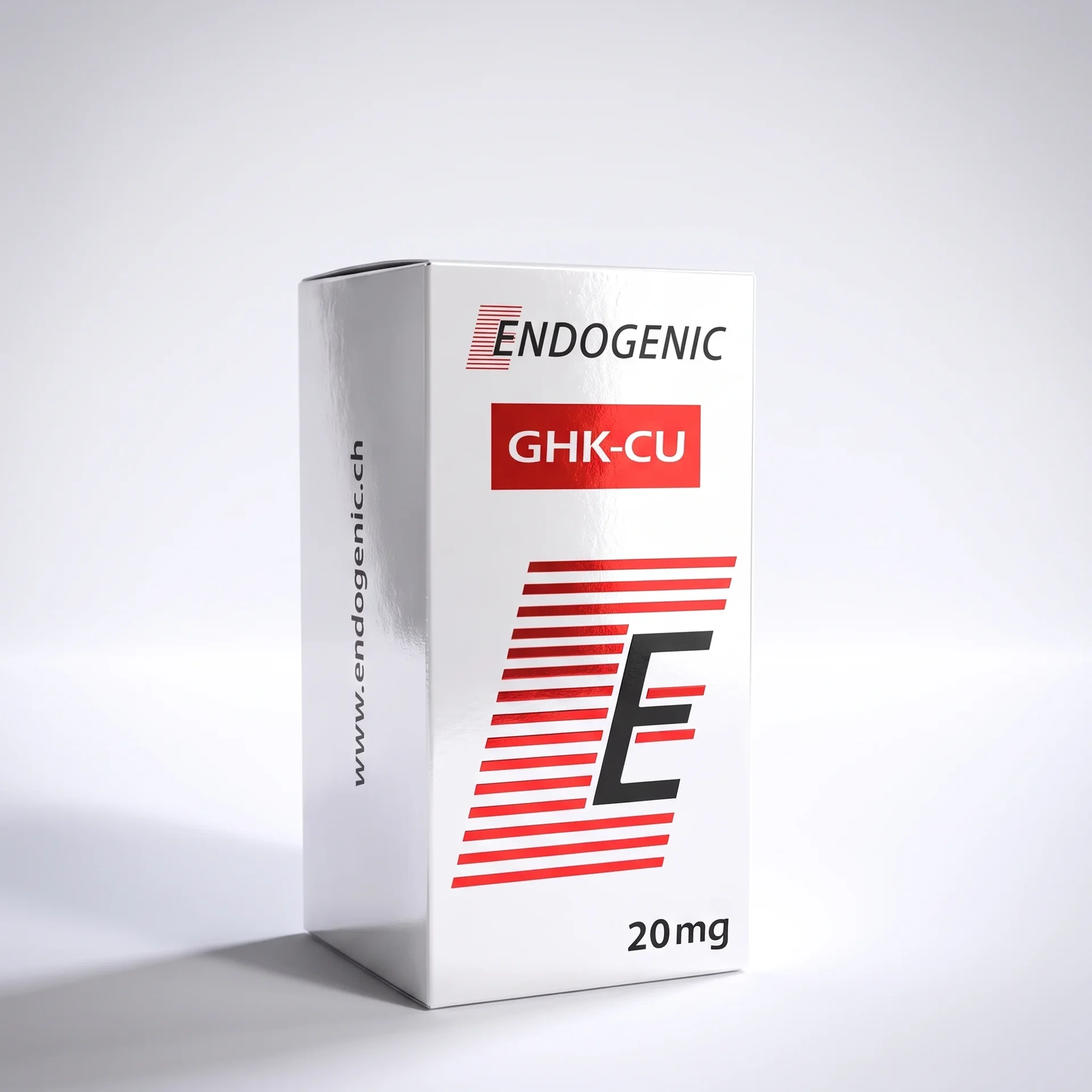
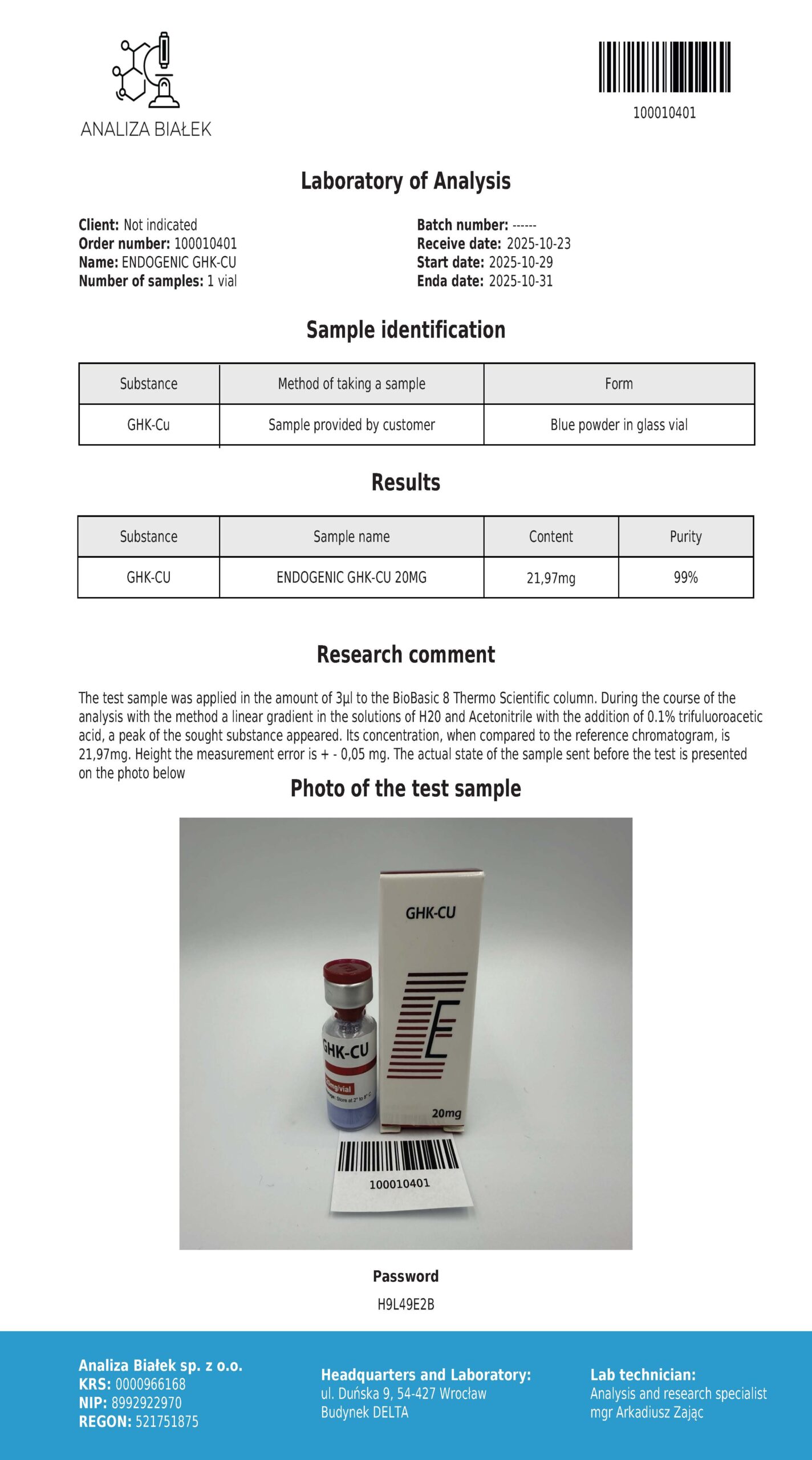
These are two different regulatory frameworks for the same compound. GHK-Cu in cosmetics (creams, rejuvenating serums) is allowed in the EU under the Cosmetic Regulation (EC 1223/2009), with aesthetic claims and application to the skin. This product is systemic form of RUO — lyophilisate in a reconstitution vial, intended only for laboratory tests on systemic models. It is not a cosmetic, is not a medicine and is not intended for use on humans or animals. Mixing these frameworks (e.g. communication “cosmetics for injection”) is contrary to compliance and unacceptable.
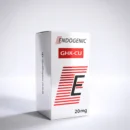
GHK-CU 20mg
GHK-Cu (copper tripeptide GHK-Cu) 20 mg of lyophilisate is a natural plasma tripeptide Gly-His-Lys complexed with a copper ion – a reagent for research on connective tissue remodeling, collagen synthesis and copper transport. Research Use Only reagent
23,99 €
With code BLACK: 19,19 €
Lowest price in the 30 days before the discount:
23,99 €
Fast shipping
Free delivery from 350 €
Returns policy
GHK-Cu 20 mg - copper tripeptide, research reagent
- GHK-Cu (copper tripeptide GHK-Cu) 20 mg of lyophilisate is a natural plasma tripeptide Gly-His-Lys complexed with a copper ion - a reagent for research on connective tissue remodeling, collagen synthesis and copper transport.
- Research Use Only reagent
Product status information
Chemical reagent intended exclusively for laboratory tests (Research Use Only). It is not a medicinal product, dietary supplement or food. It is not intended for use on humans or animals. Sales only to registered research units and laboratories.
GHK-Cu (copper peptide GHK-Cu) is one of the best characterized plasma peptides in the literature on connective tissue remodeling – a short tripeptide with the sequence glycine-histidine-lysine (Gly-His-Lys), complexed with the Cu²⁺ copper ion. Belongs to the line Endogenous Pro-Body, including peptides that naturally occur in the human body and are the subject of research on physiological tissue repair pathways. The history of this compound begins in the 1970s, when Loren Pickart isolated from human plasma the factor responsible for the different behavior of liver tissue in culture – and determined that it was the copper-binding tripeptide GHK.
The following decades of research shifted the interest from isolated observations to a broad profile: stimulation of the synthesis of extracellular matrix proteins, modulation of the expression of genes related to tissue repair and the function of a carrier of copper ions into cells. The level of endogenous GHK in plasma declines with age – from approximately 200 ng/ml in young people to significantly lower values in old age – which has made this tripeptide the subject of research on the biology of aging in connective tissue.
This reagent is supplied as 20 mg lyophilisate in a vial, for reconstitution with bacteriostatic water in laboratory conditions – in the form of systemic RUO intended for research on system models.
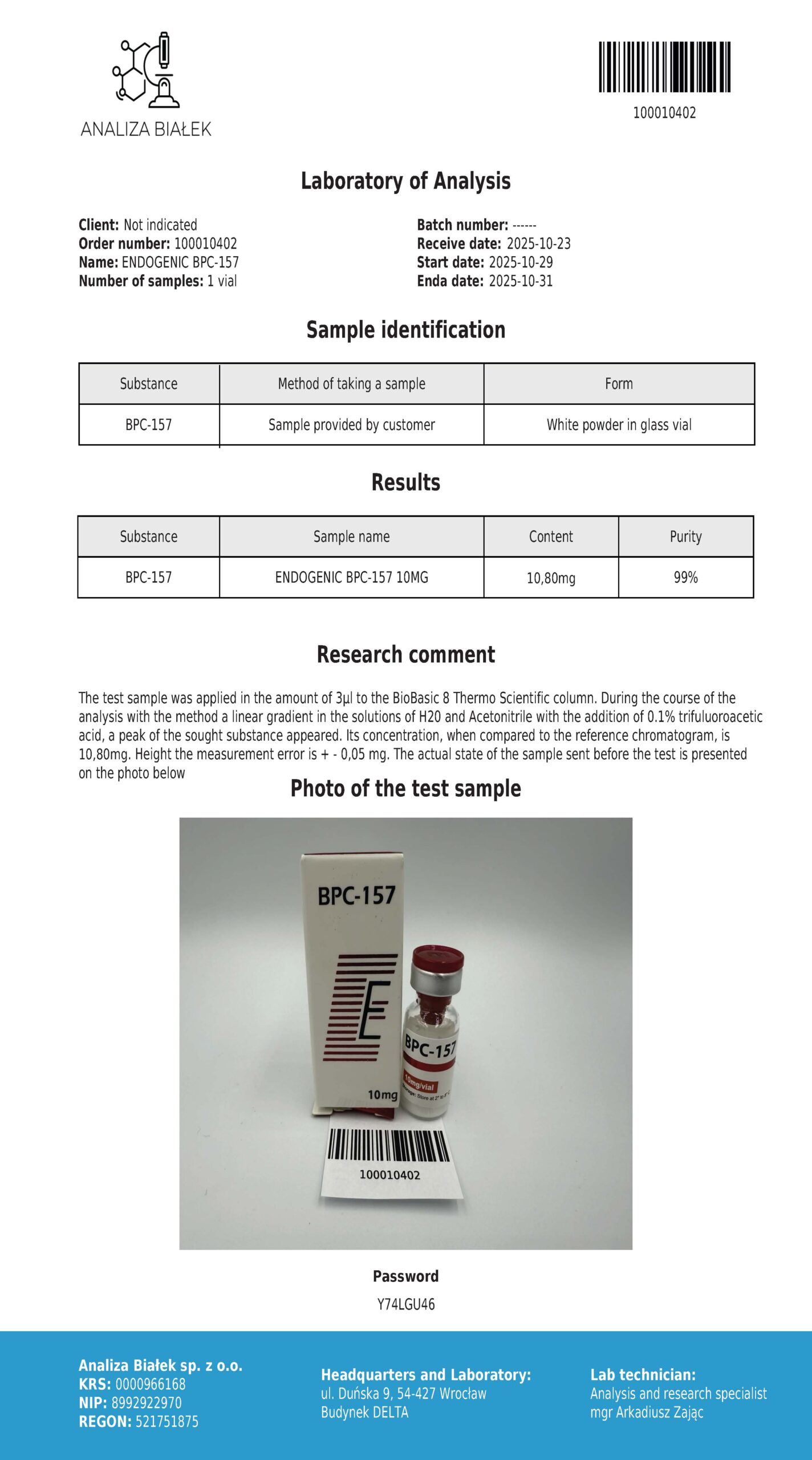
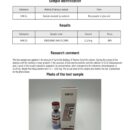
Purity verified by HPLC ≥98%, identity confirmed by mass spectrometry, COA available for each batch.
Regulatory status
GHK-Cu as a cosmetic ingredient is permitted in the EU under the Cosmetic Regulation (EC 1223/2009) and is found in skin care creams and cheeses. This reagent is a systemic form of RUO – lyophilized reconstitution vial intended for laboratory testing – and NOT a cosmetic product or drug. GHK-Cu in systemic form (parenteral, research) has not been registered as a medicinal product in the EU, the USA or anywhere in the world.
Not authorized by EFSA as an ingredient of a dietary supplement. Marketing the product as a “regeneration peptide for athletes”, “wound healing support” or “injectable rejuvenation cosmetic” is contrary to the Research Use Only framework.
Plasma copper tripeptide
Human plasma contains a number of short regulatory peptides that act as signalers in tissue repair and remodeling processes. GHK is one of the best described – a natural glycine-histidine-lysine tripeptide with exceptional affinity for copper(II) ions. Under physiological conditions, GHK occurs in equilibrium with plasma copper, forming a GHK-Cu complex, which is treated as the biologically active form of this peptide.
The uniqueness of GHK results from the combination of two properties. First, the histidine residue in the sequence creates a stable binding site for the Cu²⁺ ion – this is a classic copper-chelating motif that makes GHK a physiological carrier of this element.
Secondly, the GHK-Cu complex itself exhibits activity at the level of fibroblasts and extracellular matrix cells, modulating the synthesis of structural proteins of connective tissue. This combination of transport and signaling functions distinguishes GHK-Cu from simple copper chelates. Loren Pickart, who isolated and characterized GHK, in the following decades conducted transcriptomic studies showing that GHK-Cu affects the expression of hundreds of genes – related to tissue repair, antioxidant, anti-inflammatory and matrix remodeling (Pickart & Margolina 2018; Pickart et al. 2014).
This shift from a single observation of a “plasma factor” toward a gene expression modulator profile defines much of the contemporary literature on this tripeptide.
The pharmacological profile of GHK-Cu observed in preclinical models covers a broad spectrum of activity:
- Stimulation of extracellular matrix synthesis — influence on the production of collagen, elastin and glycosaminoglycans in dermal fibroblasts
- Pro-regenerative and pro-angiogenic effects — in in vivo and in vitro wound healing models
- Modulation of gene expression — in transcriptomic studies, the impact on hundreds of tissue repair and antioxidant defense genes
- Transport of copper ions — GHK as a physiological carrier of Cu²⁺, a cofactor of matrix enzymes
- Antioxidant and anti-inflammatory activity — reduction of oxidative stress markers in cell models
GHK-Cu is a model ligand for testing in the group of plasma peptides connective tissue remodeling and copper biology — combines a signaling function with trace element transport, making it a tool for studying the interface between copper metabolism and extracellular matrix repair.
What is GHK-Cu?
Chemically, GHK-Cu is a complex of a tripeptide with a copper(II) ion.
- Common name: GHK-Cu, copper tripeptide, copper peptide GHK-Cu
- Chemical name: glycyl-L-histidyl-L-lysine: complex with copper(II)
- Synonyms: Copper peptide GHK-Cu, copper tripeptide-1, GHK-Cu, copper prezatide
- Peptide sequence: Gly-His-Lys (GHK)
- CAS number: 49557-75-7 (GHK-Cu); GHK without copper – 72957-37-0 (in case of uncertainty – “to be verified with the batch COA”)
- Molar mass of GHK (peptide): 340.38 g/mol; the mass of the complex with copper is higher by the Cu²⁺ ion (to be verified in the COA of the batch)
- Chemical class: tripeptide complexed with copper(II) ion; natural plasma peptide
- Delivered form: lyophilisate 20 mg in a vial, for reconstitution with bacteriostatic water; systemic form of RUO; pharmaceutical grade ≥98% HPLC
Origin: GHK was isolated from human plasma in the 1970s – Loren Pickart determined that the glycine-histidine-lysine tripeptide was responsible for the observed factor influencing the behavior of liver cells in culture, and that its active form was a complex with copper (GHK-Cu). In the following decades, the compound was developed as a cosmetic ingredient (creams, rejuvenating serums under the Cosmetic Regulation) and as a research tool in work on wound healing, matrix remodeling and copper biology.
Endogenous plasma GHK levels decline with age, which has made this tripeptide a focus of research on connective tissue aging. As a systemic reagent, RUO GHK-Cu remains a tool for studying collagen synthesis, repair gene expression, and copper transport in laboratory models.
Mechanism of action at the molecular level
GHK-Cu acts through several parallel, interrelated mechanisms observed in preclinical models. They combine a signaling function (modulation of gene expression and matrix protein synthesis) with a transport function (delivery of copper ions to cells). Pharmacological profile observed in preclinical models:
- Modulation of connective tissue remodeling — in fibroblast cultures, GHK-Cu stimulates the synthesis of collagen, elastin and glycosaminoglycans (including dermatansulfate and chondroitin sulfate). Maquart and colleagues demonstrated stimulation of collagen synthesis by GHK-Cu in fibroblasts (Maquart et al. 1988). The mechanism leads to increased production of extracellular matrix components, which in the models translates into tissue remodeling and reconstruction.
- Pro-regenerative and pro-angiogenic effects — in in vivo (rodent) and in vitro wound healing models, GHK-Cu promotes cell migration, angiogenesis and matrix reconstruction; acceleration of wound closure and improvement in the quality of remodeled tissue were observed (Pickart 2008)
- Modulation of gene expression — Pickart transcriptomic studies indicate that GHK-Cu affects the expression of hundreds of genes related to tissue repair, antioxidant defense, anti-inflammation and matrix remodeling. In expression profile analyses, the compound acted as a modulator “resetting” the expression pattern towards a repair profile (Pickart et al. 2014 – “GHK and DNA: resetting the human genome to health”)
- Transport of copper ions — GHK acts as a physiological carrier of copper(II) ions, delivering this trace element to cells. Copper is a cofactor of enzymes important for connective tissue, including: lysyl oxidase (cross-linking of collagen and elastin) and superoxide dismutase (SOD) — antioxidant enzyme. The transport function connects GHK-Cu activity with copper metabolism in the cell
- Antioxidant and anti-inflammatory activity — in cell models, GHK-Cu reduces oxidative stress markers and modulates inflammatory mediators; This profile is consistent with the function of copper as a SOD cofactor and with the observed modulation of antioxidant defense genes
Profile observed in models (synthesis):
- Activity at the level of fibroblasts and extracellular matrix cells – stimulation of the synthesis of structural proteins
- Copper transport function coupled with the activity of Cu²⁺-dependent enzymes
- Modulation of repair and antioxidant gene expression in transcriptomic studies
- Pro-angiogenic and pro-regenerative profile in wound healing models
In research models, GHK-Cu is interpreted as bifunctional extracellular matrix modulator — a signal stimulating the synthesis of connective tissue components and a carrier providing copper as a cofactor for enzymes responsible for the maturation and cross-linking of this matrix.
IMPORTANT DISTINCTION
This reagent is GHK-Cu in the systemic form RUO — lyophilisate in a reconstitution vial, intended for laboratory tests on system models. This different regulatory framework than GHK-Cu used in cosmetics.
• GHK-Cu cosmetic — ingredient of skin care creams and cheeses, permitted in the EU under the Cosmetic Regulation (EC 1223/2009); aesthetic claims (in vitro), application to the skin. They describe this distinct framework and the role of copper peptides in care peptide cosmetics Endogenous.
• GHK-Cu RUO systemic (this product) — Research reagent vial, reconstitution mold, Research Use Only frame; it is not a cosmetic, it is not a medicine, it is not intended for use on humans or animals.
The phrases “stimulation of collagen synthesis”, “regenerative effect” and “modulation of gene expression” in the context of this description refer only to observations in preclinical models (cell cultures, wound healing models in rodents, transcriptomic studies). They do not constitute a guarantee of effect in humans or a suggestion of using GHK-Cu as a “regeneration peptide”, “healing support” or “injectable cosmetic”.
Applications in scientific research
GHK-Cu is used in research on connective tissue remodeling, copper biology and regulation of tissue repair gene expression. In in vivo models (rodents, wound healing models, skin damage models), its influence on the synthesis of extracellular matrix, angiogenesis, the quality of remodeled tissue and inflammatory markers is examined. In vitro models (cultures of human and animal fibroblasts, keratinocytes, cell lines for transcriptomic studies) investigate the synthesis of collagen and elastin, the profile of gene expression and the transport of copper ions. Specific research directions include:
- Remodeling of the extracellular matrix — synthesis of collagen, elastin and glycosaminoglycans in fibroblasts; the role of GHK-Cu in the remodeling of connective tissue
- Wound healing models — assessment of angiogenesis, cell migration and the quality of remodeled tissue in in vivo and in vitro models
- Transcriptomics and modulation of gene expression — analysis of the expression profile of repair, antioxidant and anti-inflammatory genes under the influence of GHK-Cu (Pickart et al. 2014)
- Copper biology and Cu²⁺-dependent enzymes — GHK as a copper carrier; influence on the activity of lysyl oxidase (cross-linking of collagen/elastin) and SOD (antioxidant defense)
- Oxidative stress and the antioxidant response — reduction of oxidative stress markers in cell models
GHK-Cu is sometimes combined in research protocols with other regenerative and tissue-protective peptides – e.g. BPC-157 10mg (VEGF/FAK pathway, angiogenesis) or ARA-290 (innate repair receptor, anti-inflammatory effect) – when the goal is to compare different tissue repair mechanisms. Any such combination remains within the framework of preclinical models. In the context of research on the aging of connective tissue, GHK-Cu is also combined with telomeric peptide in a ready-made duo Epithalon + GHK-Cu, combining the telomere pathway with the copper matrix modulator.
Summary
GHK-Cu (copper peptide GHK-Cu) is a natural plasma tripeptide with the sequence glycine-histidine-lysine, complexed with the copper ion Cu²⁺, isolated by Loren Pickart in the 1970s. The best documented profile of this compound combines two functions: modulation of connective tissue remodeling (stimulation of the synthesis of collagen, elastin and glycosaminoglycans in fibroblasts) and transport of copper ions as a cofactor of matrix enzymes (lysyl oxidase, SOD). Transcriptomic studies show the effect of GHK-Cu on the expression of hundreds of tissue repair, antioxidant and anti-inflammatory genes, and wound healing models show a pro-regenerative and pro-angiogenic profile.
This reagent is systemic form of RUO — lyophilisate 20 mg in a vial, reconstitution with bacteriostatic water, HPLC purity ≥98%, MS Q-TOF, COA for each batch — and should be distinguished from cosmetic GHK-Cu (Cosmetic Regulation EC 1223/2009). Regulatory Status – Research Use Only; lack of registration as a drug for the systemic form; DISADVANTAGE: not on the list (endogenous compound).
Related cosmetic peptides and materials
In research on peptides modulating the skin matrix, GHK-Cu is sometimes combined with other peptides used topically in skin care. A variant is available with a higher peptide content GHK-Cu 50mg, and research on reducing the visibility of wrinkles uses, among others, Matrixyl 3000 (palmitoyl tripeptide) and Snap-8 (octapeptide modulating facial tension). The role and mechanism of peptides in care preparations is discussed in more detail in the article about what they are peptides in cosmetics, and the combination of the three most frequently studied ingredients is described in the review GHK-Cu, Snap-8 and Matrixyl. All of these materials are related to the cosmetic framework (fusible application) and are separate from this RUO reagent.
Bibliography
- Pickart L, Margolina A (2018). Regenerative and Protective Actions of the GHK-Cu Peptide in the Light of the New Gene Data. PubMed
- Pickart L, Vasquez-Soltero JM, Margolina A (2014). GHK and DNA: resetting the human genome to health. PubMed
- Pickart L (2008). The human tri-peptide GHK and tissue remodeling. PubMed
- Maquart FX, Pickart L, Laurent M, et al. (1988). Stimulation of collagen synthesis in fibroblast cultures by the tripeptide-copper complex glycyl-L-histidyl-L-lysine-Cu2+. PubMed
- Siméon A, Emonard H, Hornebeck W, Maquart FX (2000). The tripeptide-copper complex glycyl-L-histidyl-L-lysine-Cu2+ stimulates matrix metalloproteinase-2 expression by fibroblast cultures. PubMed
FAQ
In fibroblast cultures, GHK-Cu stimulates the synthesis of extracellular matrix proteins – collagen, elastin and glycosaminoglycans (Maquart et al. 1988). At the level of expression regulation, Pickart’s transcriptomic studies indicate that the compound affects the expression of hundreds of genes related to tissue repair, antioxidant defense and anti-inflammation – in profile analyses, it acted as a modulator shifting the expression pattern towards the repair profile (Pickart et al. 2014). All of these observations are from preclinical models and cell cultures and do not represent a guarantee of effect in humans.
The histidine residue in the GHK sequence creates a stable binding site for the Cu²⁺ ion, thanks to which the tripeptide serves as a physiological carrier of copper – it delivers this trace element to cells. Copper is a cofactor of enzymes important for connective tissue: lysyl oxidase (responsible for cross-linking and maturation of collagen and elastin) i superoxide dismutase (SOD) — antioxidant defense enzyme. The transport function couples the activity of GHK-Cu with copper metabolism and the activity of enzymes dependent on this element.
GHK-Cu is not currently on the WADA Prohibited Substances List. Compound is an endogenous plasma tripeptide produced physiologically in the human body – which makes its analytical identification in anti-doping protocols non-trivial. Still registered athletes (ADAMS) should independently verify the current WADA Prohibited List before making any decision and be aware that the compound’s status may change in future updates.
The blue color comes from the complex of the copper(II) ion with the GHK tripeptide and is a natural feature of the properly complexed GHK-Cu form. This is a visual signal of the presence of copper in the solution. The solution should be clear, blue, without sediment or turbidity – the presence of particles or discoloration will disqualify the batch. The lyophilisate itself also has a characteristic blue color before dissolution.
The lyophilisate is dissolved with bacteriostatic water introduced on the inside wall of the vial, without a violent jet onto the powder and without vigorous shaking – see “Reconstitution Protocol” section above for detailed procedure. The volume of solvent is selected to the target working concentration (e.g. 2 ml of water per 20 mg = 10 mg/ml). The solution should be clear and blue; store it in the refrigerator (2-8°C), protected from light, and for longer storage, portion it and freeze it.
5.0
1 review
-
Igor
 Polski
GHK-Cu 20 mg – wszystko na plus
Szukałem GHK-Cu 20 mg i trafiłem na PRO-BODY. Fajnie, że wszystko jest jasno opisane i można łatwo porównać różne warianty peptydu miedziowego. Fiolka dobrze zabezpieczona, etykieta czytelna, a samo zamówienie bez żadnych problemów. Ogólnie bardzo pozytywnie.
-
Sajmon
Polski
Product review
Polecamy :)
Customers also bought