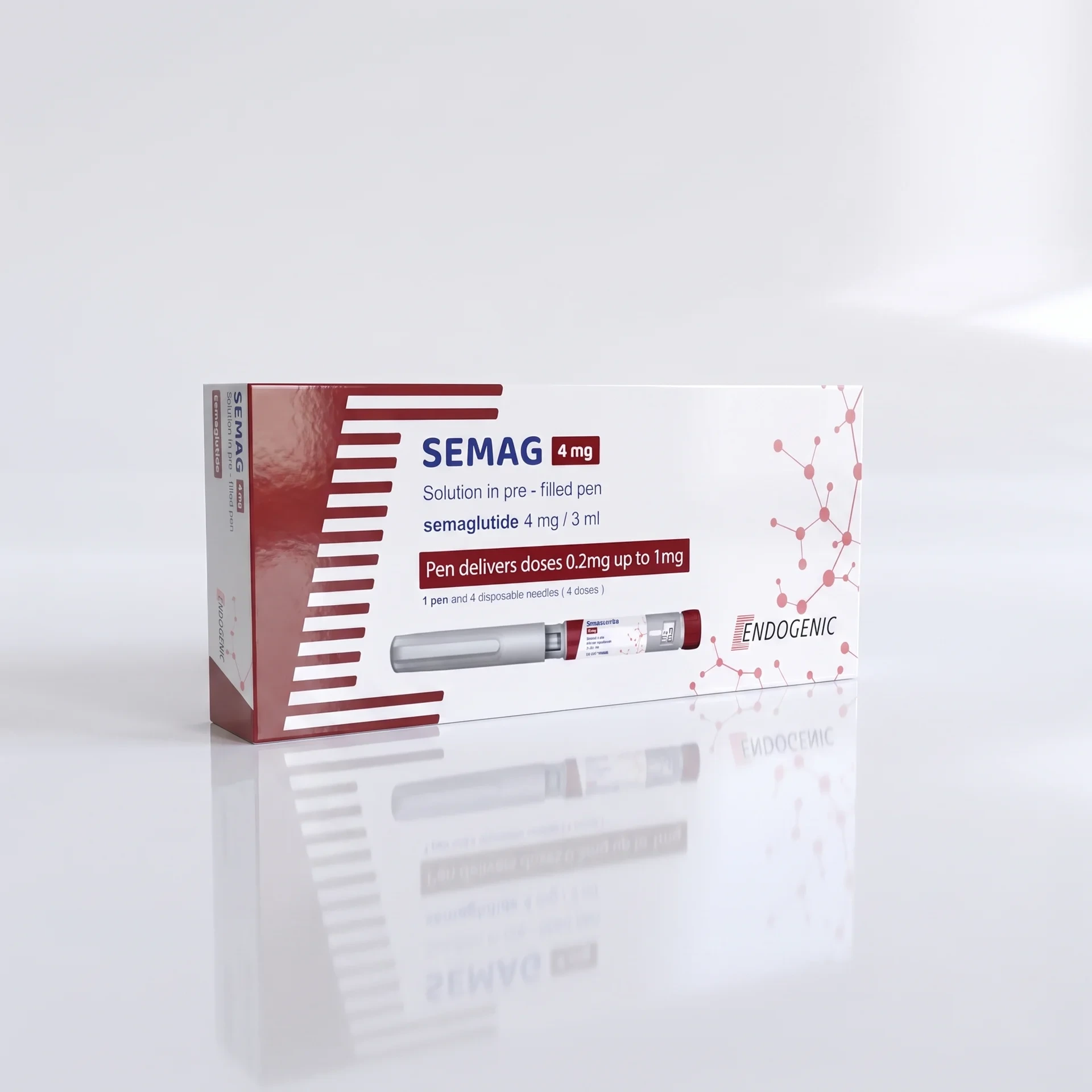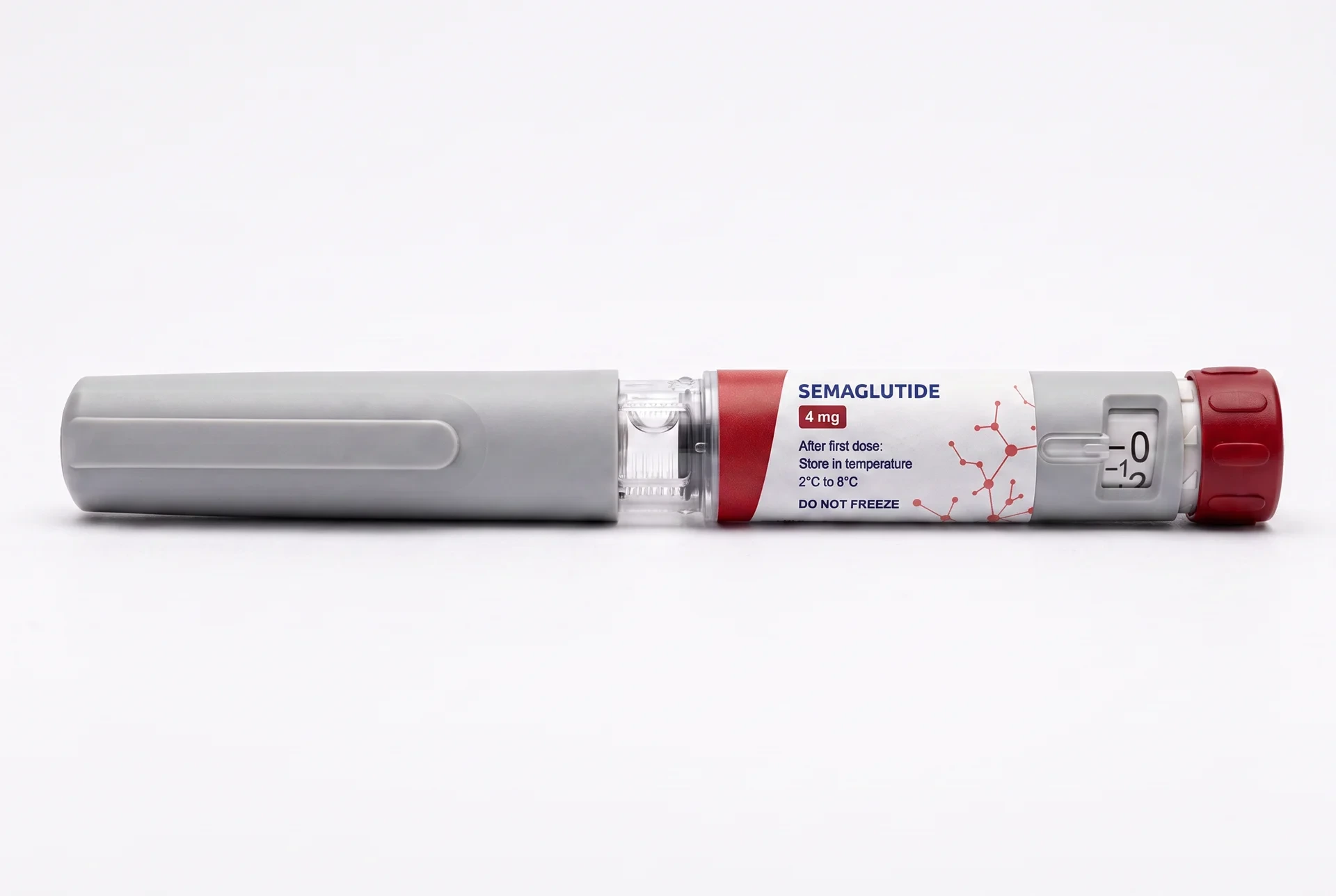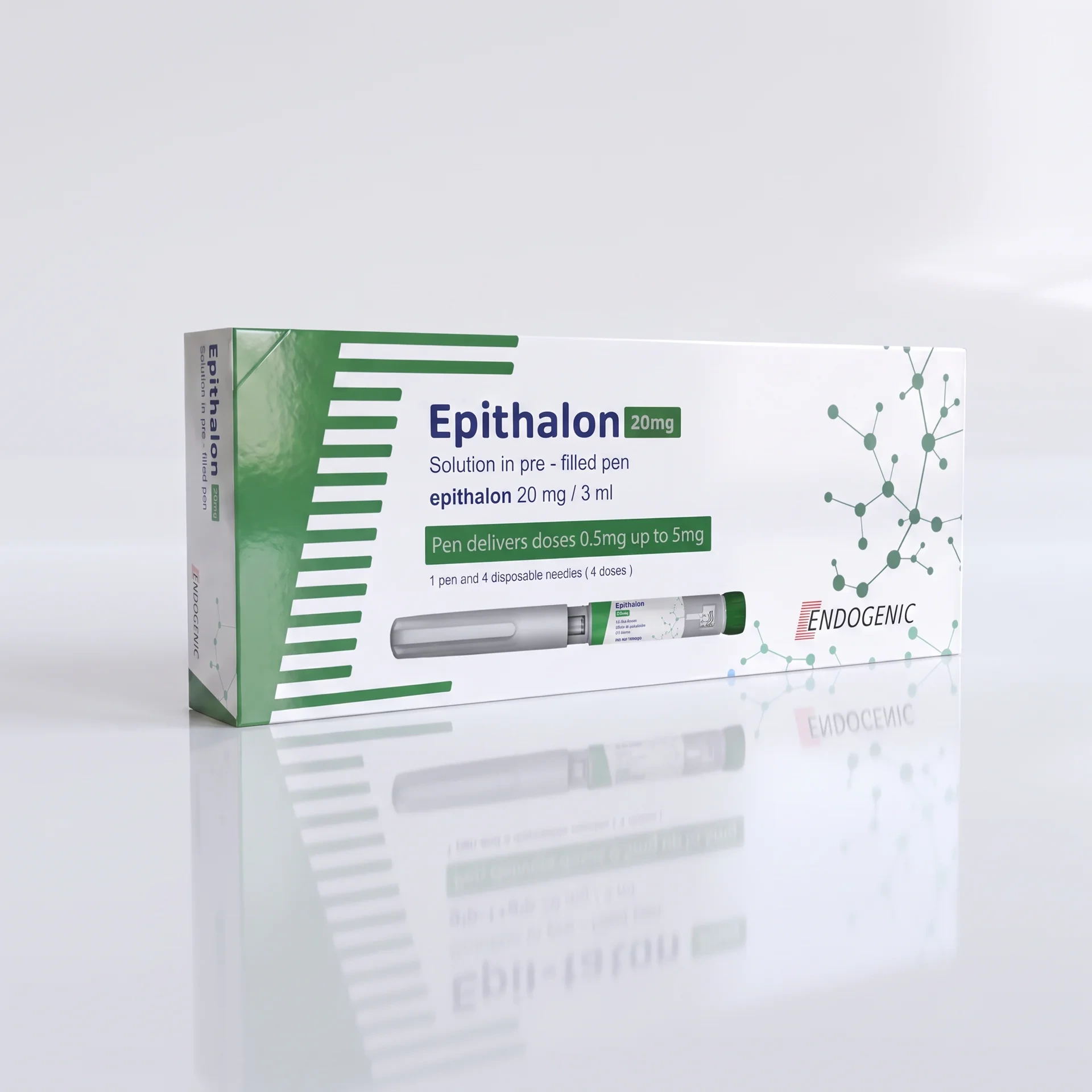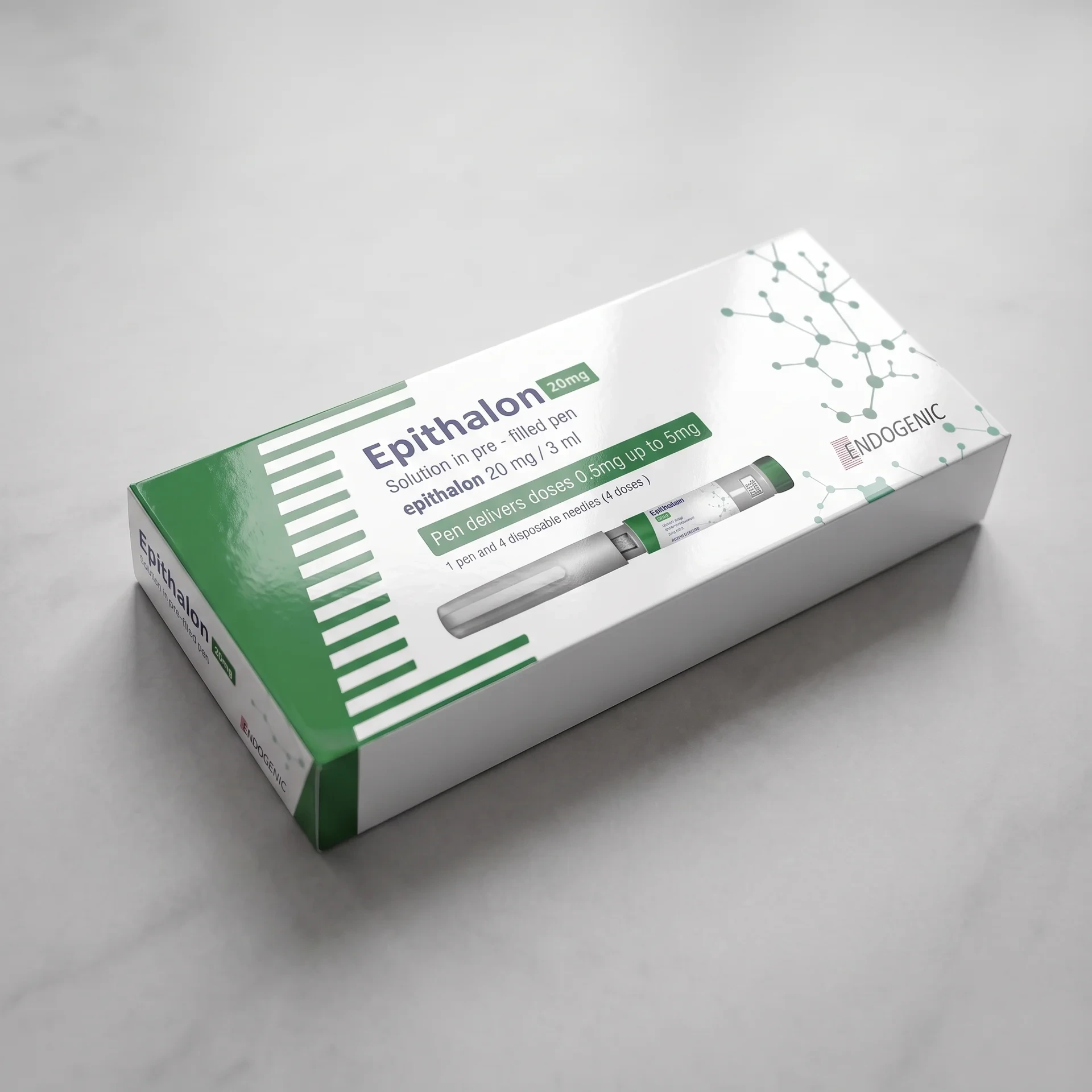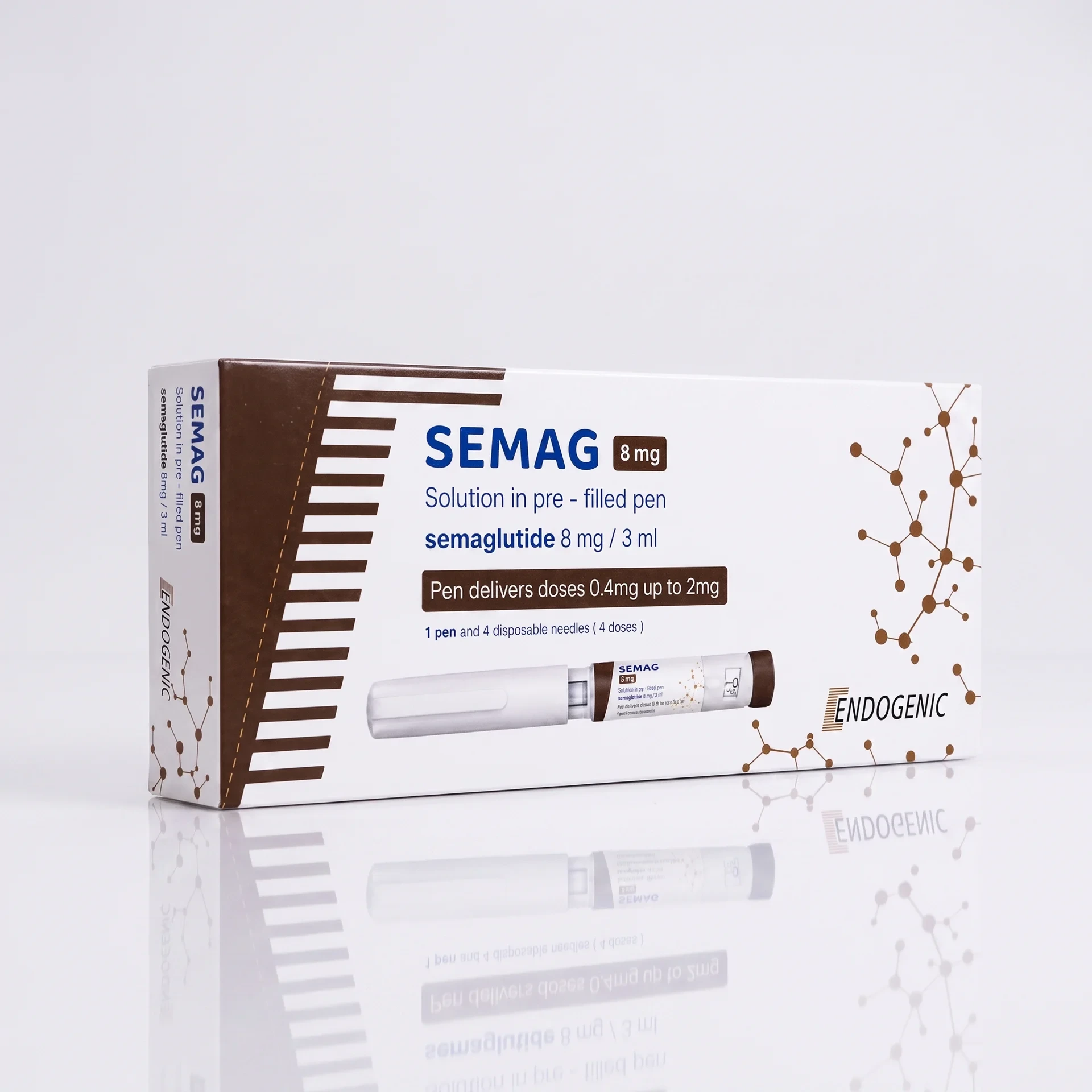
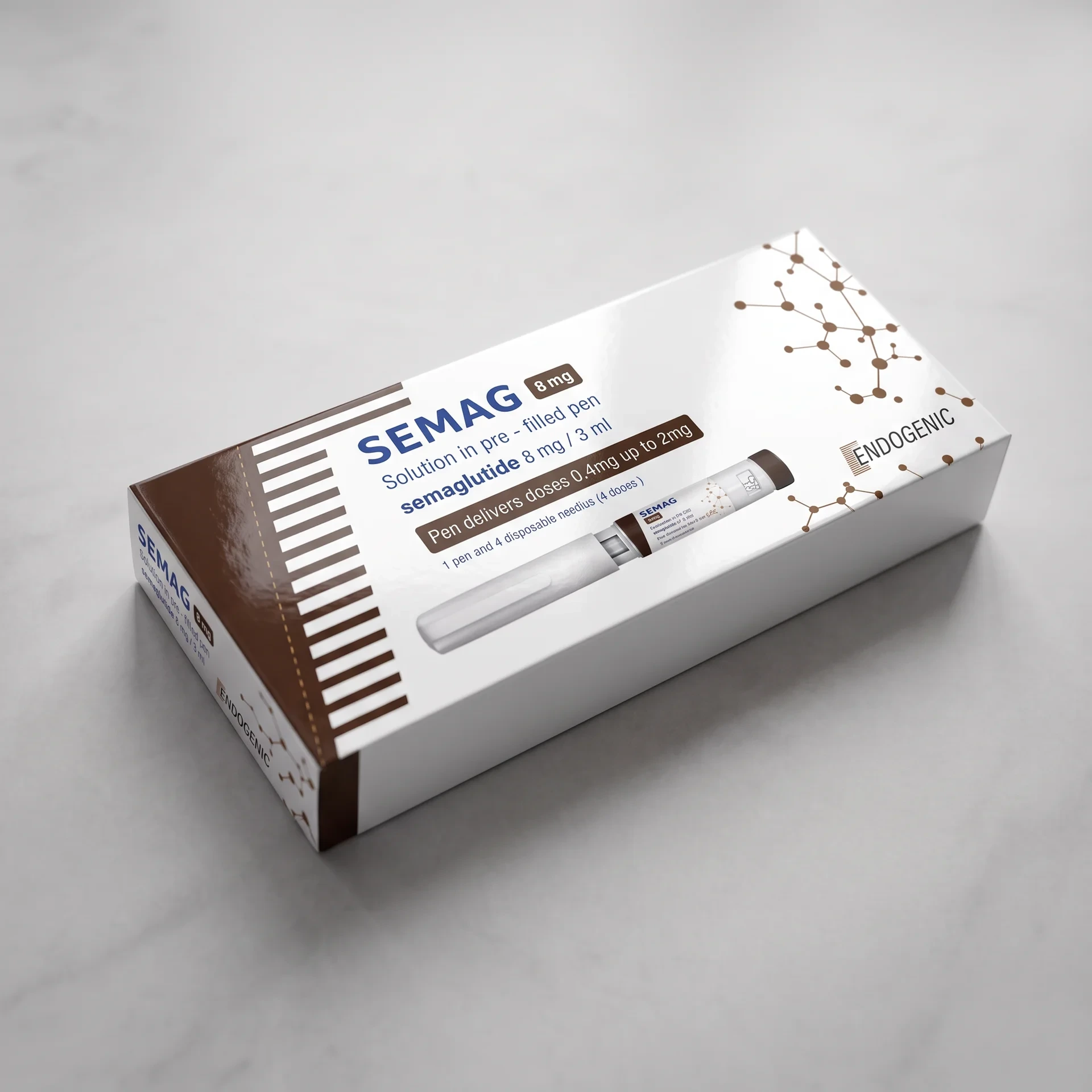
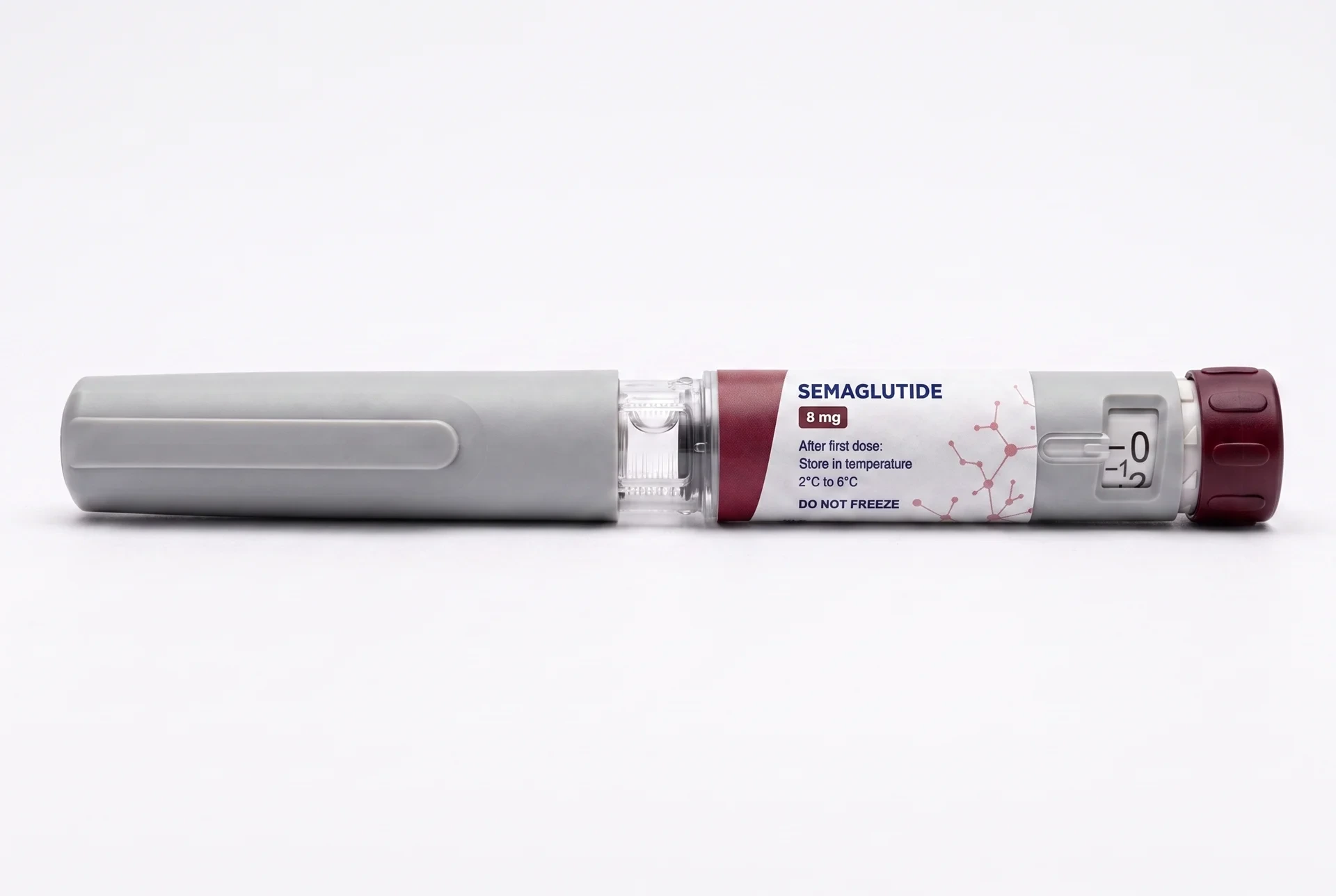
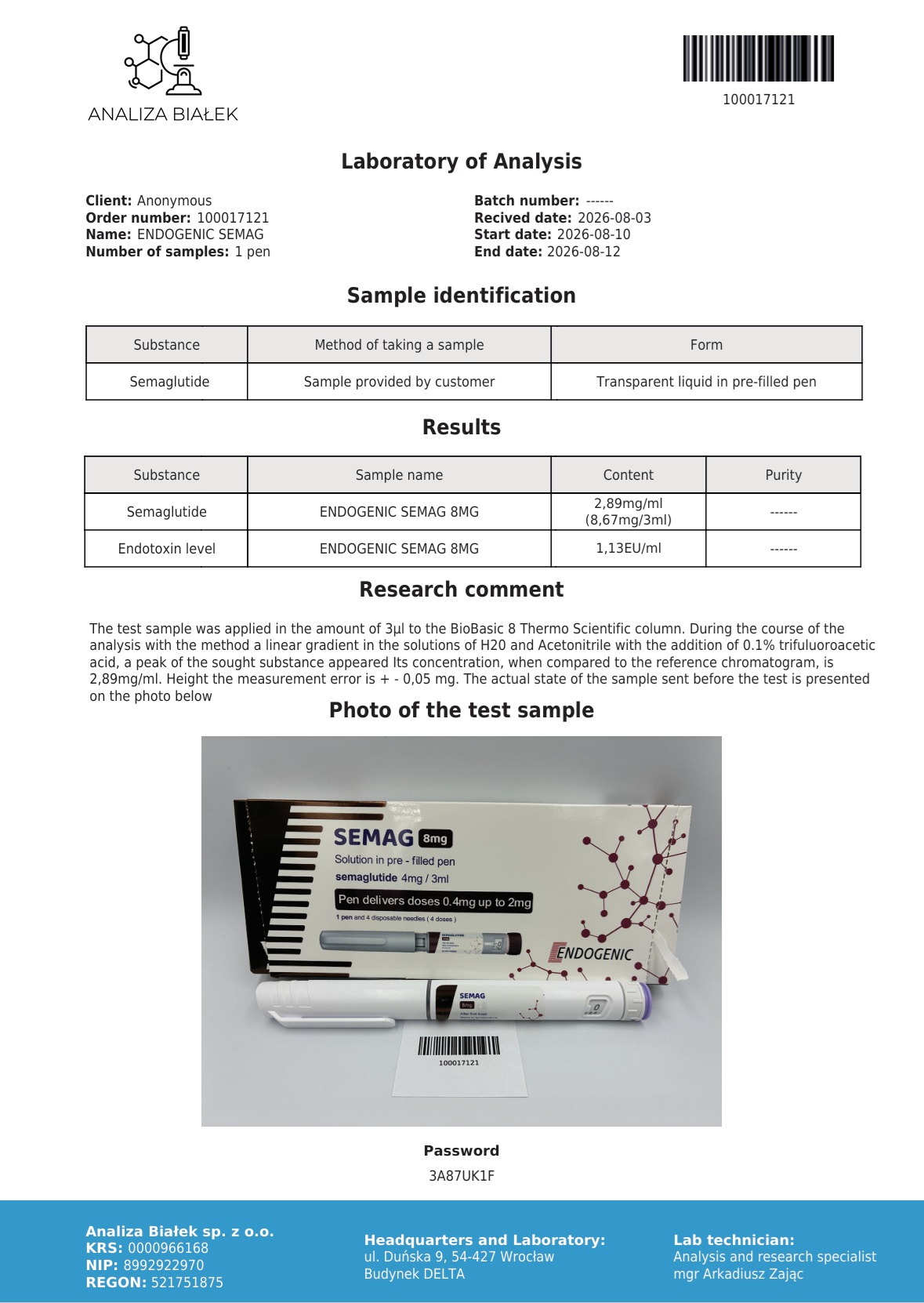
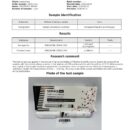
The active substance is the same — semaglutide. The differences concern the regulatory framework. SEMA G PEN is a Research Use Only reagent with analytical documentation (COA, HPLC, MS). Ozempic® and Wegovy® are Novo Nordisk medicines with a full EMA/FDA registration dossier, available by prescription only under medical supervision. The RUO pen is not a medicinal form and does not replace medical consultation.
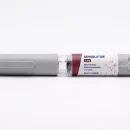
SEMA G 8mg PEN
SEMA G 8 mg PEN — semaglutide, a GLP-1 receptor monoagonist, in a pre-dissolved pen for laboratory research. The higher-amount variant (alongside 2 mg and 4 mg) — the highest nominal concentration for protocols requiring larger doses or increased assay frequency.
166,99 €
With code BLACK: 133,59 €
Lowest price in the 30 days before the discount:
166,99 €
Fast shipping
Free delivery from 350 €
Returns policy
SEMA G 8 mg PEN — semaglutide in a pre-dissolved solution pen
- Semaglutide: a GLP-1R agonist.
- Format: pre-dissolved PEN applicator, 8 mg.
- Research Use Only laboratory reagent.
Sema G 8 mg is one of the most clinically documented peptides of the past decade — a GLP-1 receptor monoagonist that underpins the entire modern landscape of incretin pharmacology. The reference literature includes the SUSTAIN (type 2 diabetes) and STEP (obesity) programmes, with endpoints reported in the New England Journal of Medicine and The Lancet. The molecule was developed by Novo Nordisk, which holds the marketing authorisations for Ozempic®, Wegovy® and Rybelsus®.
In the Pro-Body catalogue the same peptide appears within a separate regulatory framework — as an RUO research reagent in a pre-dissolved pen format. This format simplifies laboratory work: it requires no reconstitution of a lyophilisate and allows precise withdrawal of the peptide under controlled conditions. It is a technical solution for researchers working with semaglutide in in vitro and in vivo models — not a medicinal form, not a therapeutic analogue for administration to humans. Semaglutide belongs to the broad group of peptides used in metabolism research.
8 mg is the higher-dose variant in the SEMA G PEN line. Alongside it, SEMA G 2 mg — the starter variant and SEMA G 4 mg — the standard variant are available. A nominal concentration of 8 mg per pen is the highest in this line, intended for research protocols that require high working molarities at the smallest volume withdrawn from the pen — useful where the injection volume into a model, or the source volume for serial dilutions, needs to be as small as possible.
The higher the source concentration, the more important micro-volume precision becomes: at 8 mg per pen a small withdrawal error translates into a larger change in working concentration than in the 2 mg variant, so dosing accuracy and control of the dilution curve are especially important in this variant for experimental reproducibility.
SEMA G 8 mg PEN is a research reagent (Research Use Only) in the form of a pre-dissolved pen. The active substance — semaglutide — is also marketed as a medicine authorised by the EMA and FDA under the trade names Ozempic® (type 2 diabetes) and Wegovy® (obesity), likewise in a pen format. These two occurrences of the same peptide represent two separate regulatory frameworks.
Semaglutide as a pharmaceutical medicine (Ozempic®, Wegovy®) is available by prescription only and requires medical supervision. The Semaglutide RUO reagent is not a substitute for a medicinal product and does not replace medical consultation. The identity of the active substance does not erase this boundary.
What is semaglutide?
Semaglutide is a GLP-1 receptor (GLP-1R) monoagonist — a stabilised analogue of the endogenous glucagon-like peptide-1. The molecule comprises 31 amino acids, with a molecular mass of about 4113 Da. Relative to human GLP-1, structural modifications were introduced that stabilise the peptide against enzymatic degradation and extend its half-life.
C18 fatty-acid acylation — the attached chain enables reversible binding to serum albumin. Albumin acts as a reservoir: the molecule circulates partly bound, and is gradually released and degraded. The result in models: a serum half-life of about 7 days (the weekly regimen in the Ozempic® and Wegovy® clinical protocols).
The substance was developed by Novo Nordisk. FDA approvals: Ozempic® 2017 (T2 diabetes), Rybelsus® 2019 (oral form), Wegovy® 2021 (obesity). The EMA authorised analogous indications in the EU.
Chemical characteristics
| Parameter | Value |
|---|---|
| Common name | Semaglutide |
| Pharmacological class | GLP-1 receptor monoagonist (GLP-1R) |
| Number of amino acids | 31 |
| Molecular mass | ~4113 Da |
| Structural modifications | C18 fatty-acid acylation, reversible albumin binding |
| Serum half-life | ~7 days (weekly regimen in the Ozempic®/Wegovy® clinical protocols) |
| Physical form | Pre-dissolved solution in a pen |
| Nominal concentration | 8 mg / pen (high-dose variant of the line) |
| HPLC purity | ≥98% |
| Identity confirmation | Mass spectrometry (MS) |
Sema G - Mechanism of action in research
Activation of the GLP-1 receptor triggers a cascade of four complementary effects reported in the clinical and preclinical literature.
Glucose-dependent insulin secretion. In pancreatic β-cells, activation of the G-protein-coupled GLP-1R increases cAMP levels, which potentiates insulin release in response to a glucose load. The mechanism is glucose-dependent — under normoglycaemia, insulin secretion is not significantly stimulated. In experimental practice this means a model of glycaemic control coupled to glucose level, rather than constant secretory stimulation.
Suppression of glucagon secretion postprandially in pancreatic α-cells — combined with insulin stimulation, this provides two-point control of postprandial glycaemia.
Central action — appetite modulation. GLP-1R in the hypothalamic arcuate nucleus mediates satiety signalling — as a working analogy, semaglutide prolongs the “enough food” signal in the brain. Slowed gastric emptying additionally extends post-meal satiety in models.
The reference data come from Novo Nordisk research programmes: SUSTAIN (Marso et al. 2016, SUSTAIN-6 — cardiovascular endpoints in type 2 diabetes) and STEP (Wilding et al. 2021, STEP-1 — obesity). STEP-1 reported a mean body-weight reduction of about 14.9% at 68 weeks of intervention with semaglutide 2.4 mg weekly vs placebo.
SEMA G PEN (RUO) vs the pharmaceutical pen
| Feature | SEMA G PEN (RUO) | Ozempic® / Wegovy® (medicine) |
|---|---|---|
| Regulatory status | Research reagent (Research Use Only) | Authorised medicine (EMA, FDA) |
| Active substance | Semaglutide (the same peptide) | Semaglutide (the same peptide) |
| Manufacturer | Pro-Body | Novo Nordisk |
| Documentation | COA per batch, HPLC ≥98%, MS | Full EMA/FDA registration dossier |
| Indication | Laboratory research | Type 2 diabetes (Ozempic®), obesity (Wegovy®) |
| Sale | Chemical reagent trade | Prescription only |
| Supervision | No medical supervision | Treating physician, pharmacovigilance |
| Label | “For research use only. Not for human use” | Full medicine package leaflet |
The active substance is the same (semaglutide); the products come from two separate regulatory lines with different documentation and intended use. The Novo Nordisk pen is a medicinal product with a patient leaflet, SmPC and EMA pharmacovigilance. The RUO pen in the Pro-Body catalogue is a chemical reagent with analytical documentation (COA, HPLC, MS). The identity of the peptide does not erase the distinction between regulatory frameworks. SEMA G 8 mg PEN, despite its high nominal concentration, does not thereby acquire the status of a medicine — the higher concentration relates solely to the reagent configuration for laboratory work.
Applications in scientific research
As an RUO reagent, SEMA G PEN finds use in several directions. The 8 mg variant is chosen where a protocol requires a high source concentration at a small withdrawal volume.
GLP-1 axis pharmacology. Receptor-activity assays, GLP-1R selectivity profiling, EC50 measurements in cell cultures with cAMP and β-arrestin reporters. The pen format facilitates precise withdrawal of solution for serial dilutions.
Animal models of insulin resistance and obesity. DIO mice, ob/ob and db/db models, Zucker rats. Endpoints: body weight, composition (DEXA, NMR), OGTT/ITT, HOMA-IR, lipid profile. Semaglutide serves as a reference GLP-1R mono-agonist for comparisons with newer analogues.
Pharmacokinetics and central action on appetite. The PK profile of acylated GLP-1 analogues, albumin-binding kinetics, behavioural satiety models, POMC neuron activation in the arcuate nucleus.
Comparative analyses with other GLP-1 analogues — liraglutide, dulaglutide, exenatide, and the dual GLP-1R/GIPR agonist tirzepatide. Semaglutide serves as the reference mono-agonist for SAR (structure–activity relationship) work. A newer-generation triple GLP-1/GIP/glucagon agonist is available for research as TRIPLE G 10mg PEN (retatrutide).
Working with the pre-dissolved pen
The guide below describes the technical handling of the pen in the context of a laboratory research reagent. It is not an instruction for administration to humans or animals — an RUO pen is not a pharmaceutical form for injection into humans. The pen format is technical in nature: it provides a stable, pre-dissolved source of the peptide for further experimental work.
- Pen contents. SEMA G 8 mg PEN contains 8 mg of pre-dissolved semaglutide in solution (the configured volume may vary by batch — see the COA for details). This is the highest nominal concentration in the line — when planning the dilution curve, account for the higher source molarity relative to the 2 mg and 4 mg variants.
- Working with the pen. Solution is withdrawn with a laboratory syringe or a dosing applicator of microlitre precision. The solution should be clear — turbidity, sediment or a colour change signal that the batch is not fit for further work. At the high 8 mg concentration, micro-volume precision has a greater impact on the final working concentration — a small withdrawal error here translates into a larger change in molarity than in the lower variants.
- Working solutions. For in vitro receptor assays, the picomolar-to-nanomolar scale is used as standard. Working concentrations are prepared by serial dilutions in PBS at pH 7.4 or in buffers compatible with the specific experimental system. With the 8 mg variant, one most often starts from a greater stock dilution than with 2 mg.
- Stability. Unopened pen: typically up to 24 months at 2–8°C, protected from light (see the COA for details). After first opening: typically up to 28 days at 2–8°C. Avoid freeze-thaw cycles — acylated peptides are sensitive to thermal denaturation.
- A peptide calculator makes it easier to convert the starting concentration from the pen to the desired working concentration when planning serial dilutions — especially useful with the high-dose variant, where the dilution range is wider.
- This is not an instruction for administration to humans. The clinical regimens of semaglutide (Ozempic®, Wegovy®) described in the SmPC apply solely to the medicines authorised by Novo Nordisk — not to research reagents.
A critical comparison of semaglutide with the dual GIP/GLP-1 agonist — together with head-to-head trial results — is discussed in the article Tirzepatide vs Semaglutide — which is better.
Research
- Wilding JPH, Batterham RL, Calanna S, Davies M, Van Gaal LF, Lingvay I, et al. (2021). Once-Weekly Semaglutide in Adults with Overweight or Obesity. PubMed
- Marso SP, Bain SC, Consoli A, Eliaschewitz FG, Jódar E, Leiter LA, et al. (2016). Semaglutide and Cardiovascular Outcomes in Patients with Type 2 Diabetes. PubMed
- Frías JP, Davies MJ, Rosenstock J, Pérez Manghi FC, Fernández Landó L, Bergman BK, et al. (2021). Tirzepatide versus Semaglutide Once Weekly in Patients with Type 2 Diabetes. PubMed
- Davies M, Færch L, Jeppesen OK, Pakseresht A, Pedersen SD, Perreault L, et al. (2021). Semaglutide 2·4 mg once a week in adults with overweight or obesity, and type 2 diabetes (STEP 2). PubMed
- Lau J, Bloch P, Schäffer L, Pettersson I, Spetzler J, Kofoed J, et al. (2015). Discovery of the Once-Weekly Glucagon-Like Peptide-1 (GLP-1) Analogue Semaglutide. PubMed
FAQ
The difference is the nominal concentration of semaglutide in the pen. The 8 mg variant is the highest concentration in the line — chosen for research protocols requiring high working molarities at a minimal source volume. SEMA G 2 mg (the starter variant) works well at lower working concentrations, while SEMA G 4 mg (the standard variant) is an intermediate configuration. At 8 mg, the precision of micro-volume withdrawal has a greater impact on the reproducibility of the dilution curve.
No. It is an RUO reagent for laboratory research. The medicine authorised in the EU for the obesity indication is Wegovy® (Novo Nordisk) — and only that product is subject to pharmaceutical regulation as a therapy, available on prescription.
No. The pen format is a pre-dissolved semaglutide solution — ready for withdrawal with a syringe or dosing applicator, without adding any solvent. This is a fundamental difference from lyophilisates in vials.
Typically up to 28 days at 2–8°C from the first withdrawal. Detailed stability data are provided in the batch COA. Avoid freeze-thaw cycles.
The current WADA Prohibited List does not directly name GLP-1 agonists as a separate category; the substance nonetheless remains of interest to the anti-doping movement. Its status may change in future editions — registered athletes (ADAMS) must verify the current list and the Monitoring Program before any decision.
The medicinal form of semaglutide (Ozempic®, Wegovy®, Rybelsus®) derives from EMA/FDA registration, has a full registration dossier, a patient leaflet and pharmacovigilance supervision. SEMA G PEN RUO is a chemical reagent with analytical documentation (COA, HPLC, MS), intended solely for further laboratory research. The identity of the peptide does not erase the distinction between regulatory frameworks.
0.0
0 reviews
This product has no reviews yet.
Customers also bought