



Muscles
Other categories
27 products
Black Week
Black Week deals before everyone else
Sign up for the newsletter and get access to the Black Week promotion before other customers.
By signing up you agree to receive the Pro-Body newsletter with news and promotions. You can unsubscribe at any time with one click in the e-mail. Privacy policy
Muscles – SARMs, growth hormone secretagogues and growth factors in muscle tissue research
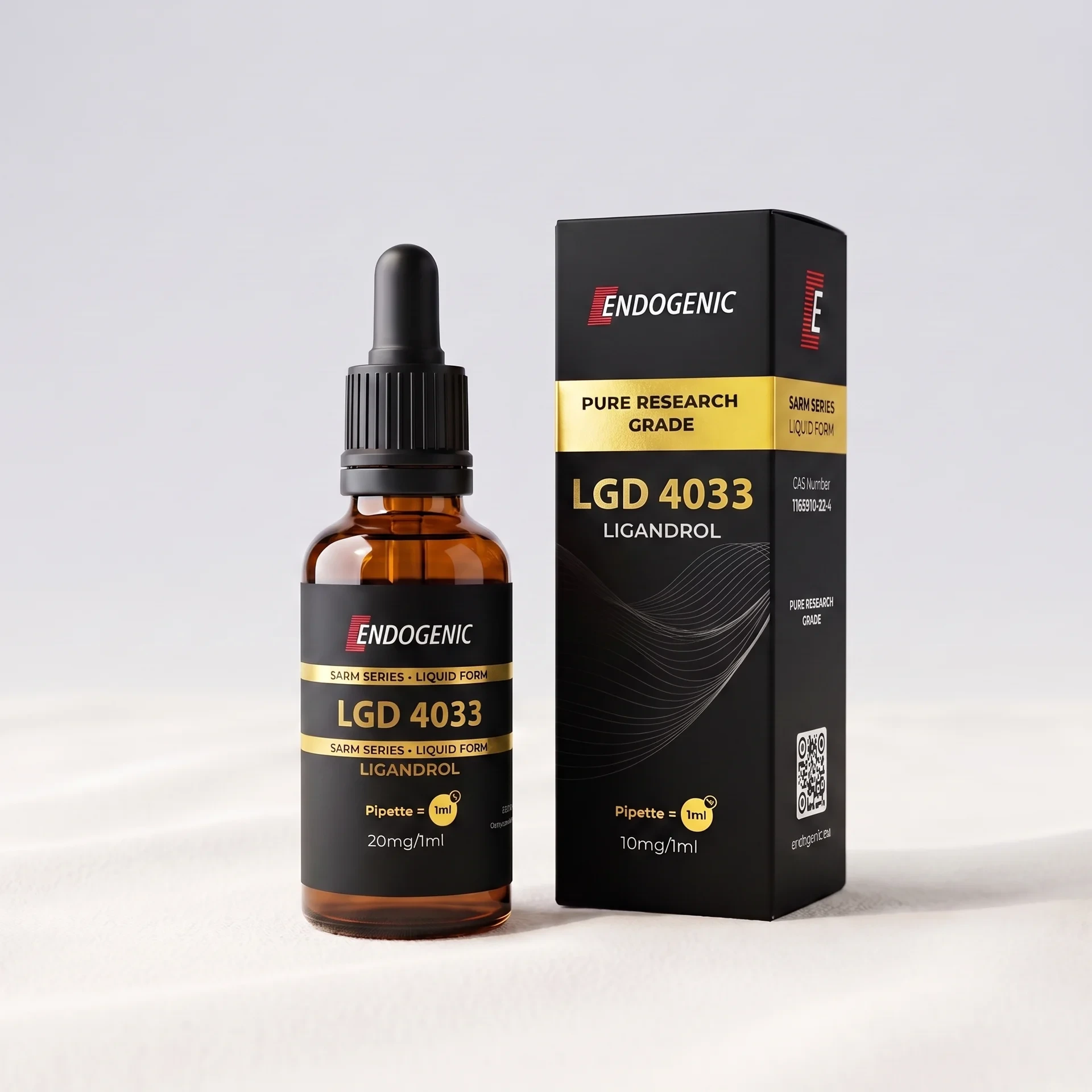
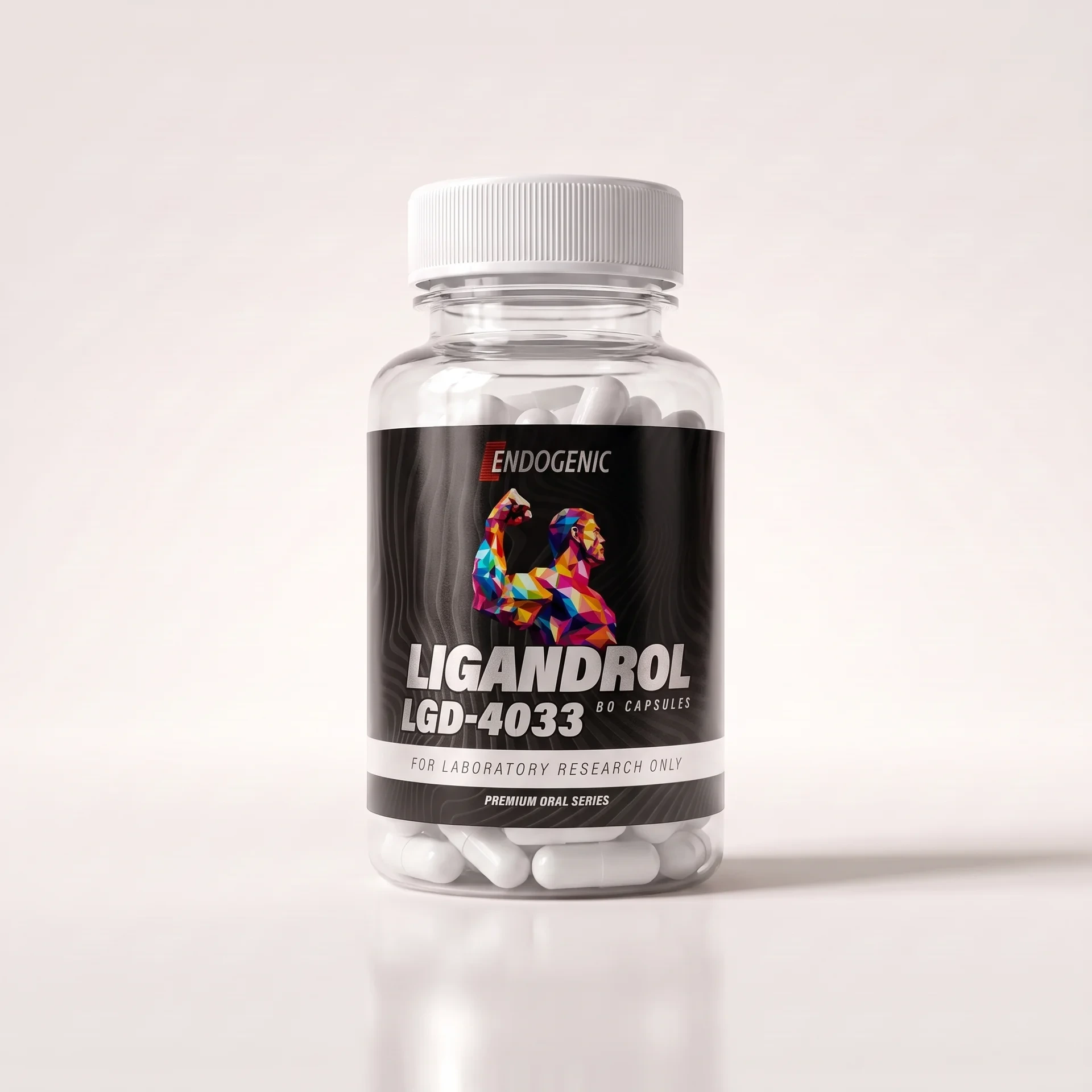
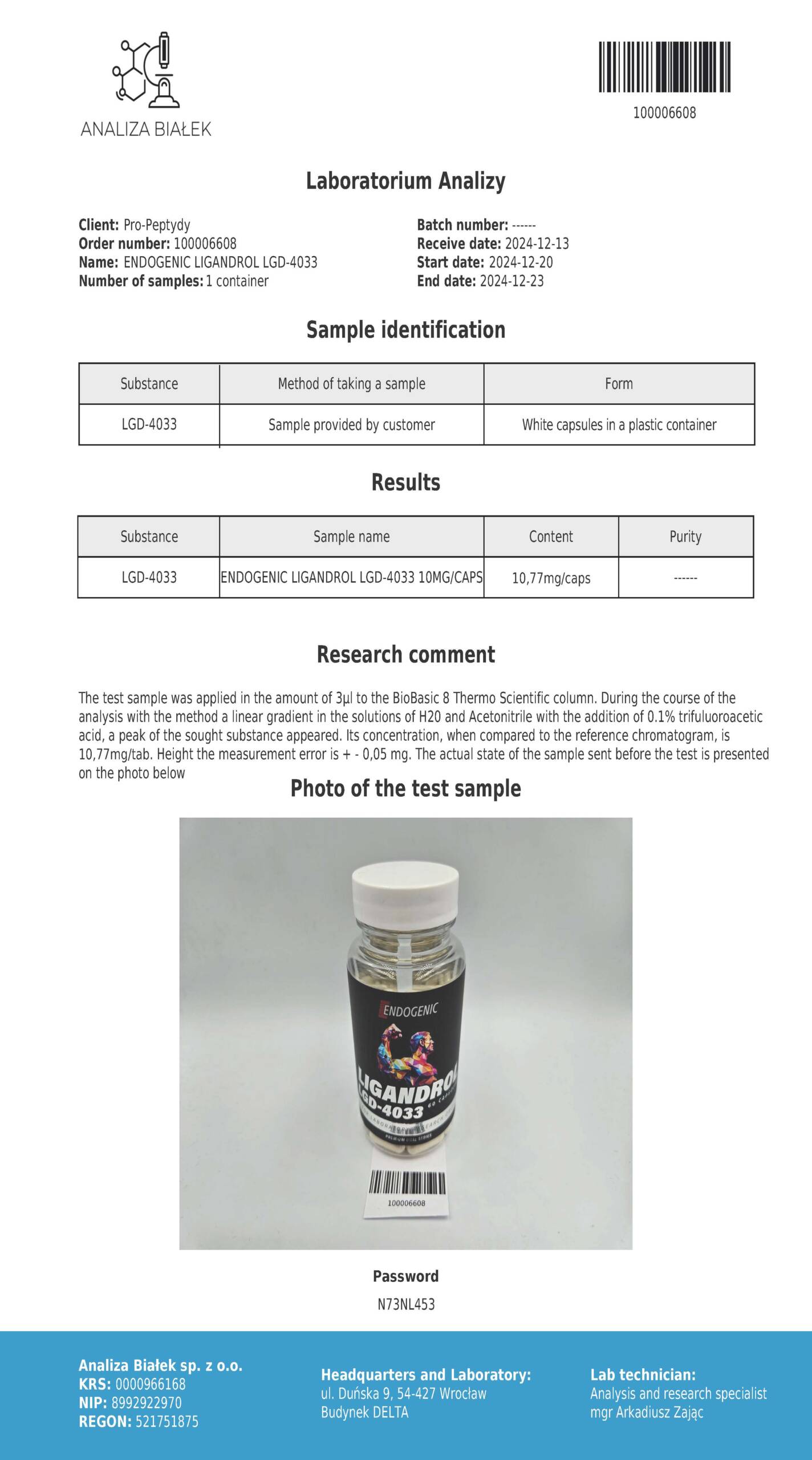
In a 21-day phase I study, LGD-4033 increased lean body mass in healthy men and, over the same period, lowered their total testosterone, sex hormone-binding globulin (SHBG), HDL cholesterol and triglycerides in a dose-dependent manner (Basaria et al., 2013). This single result sums up the literature of the area well: compounds that change body composition in models and short studies also interfere with hormonal and metabolic regulation.
Three pathways studied in muscle tissue
The androgen receptor: SARMs and YK-11
Selective androgen receptor modulators (SARMs) were meant to stimulate the androgen receptor in muscle and bone while sparing the prostate and skin. In practice this selectivity is relative: in the LGD-4033 study, follicle-stimulating hormone (FSH) and free testosterone also fell at the highest dose, and the parameters returned to baseline only after the compound was stopped.
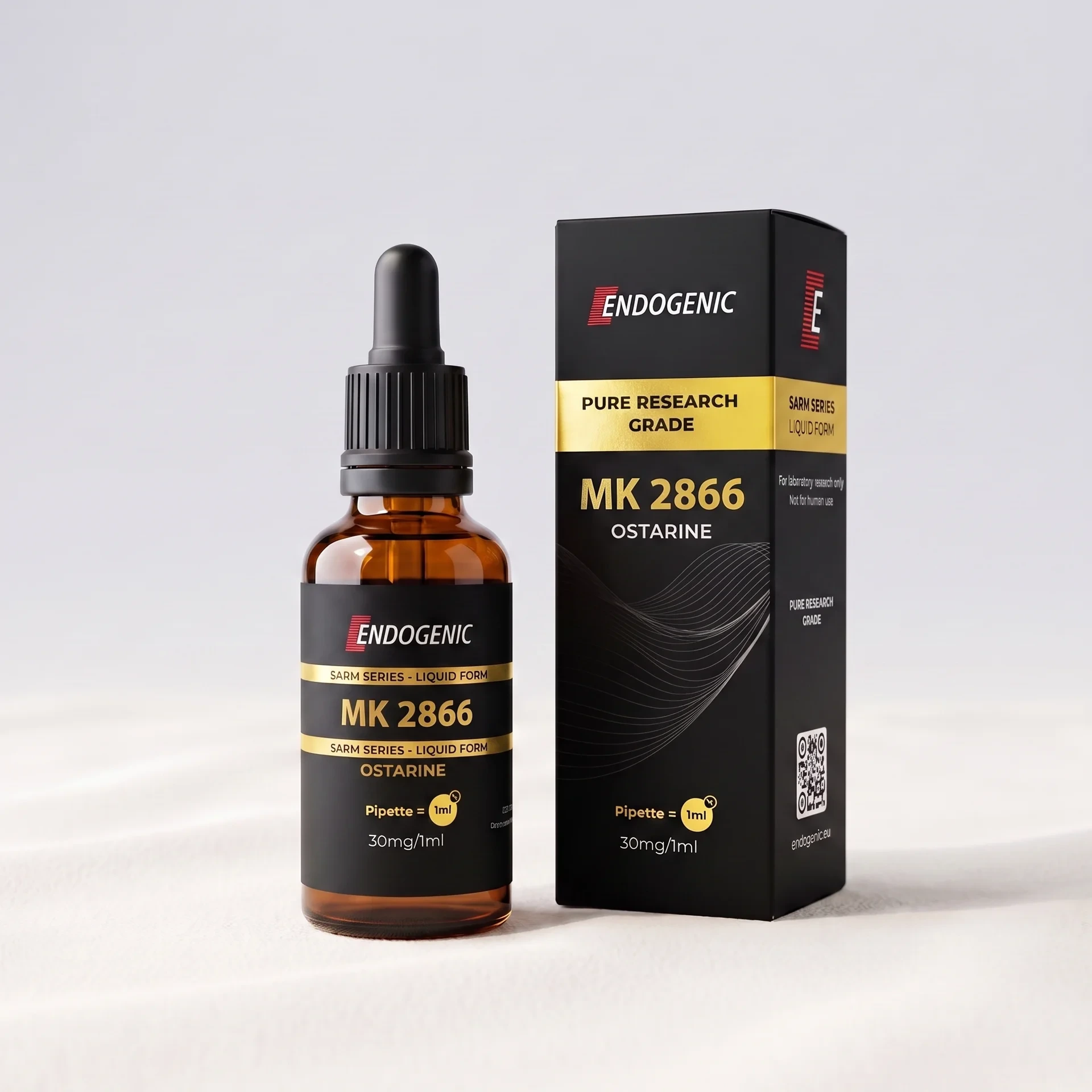
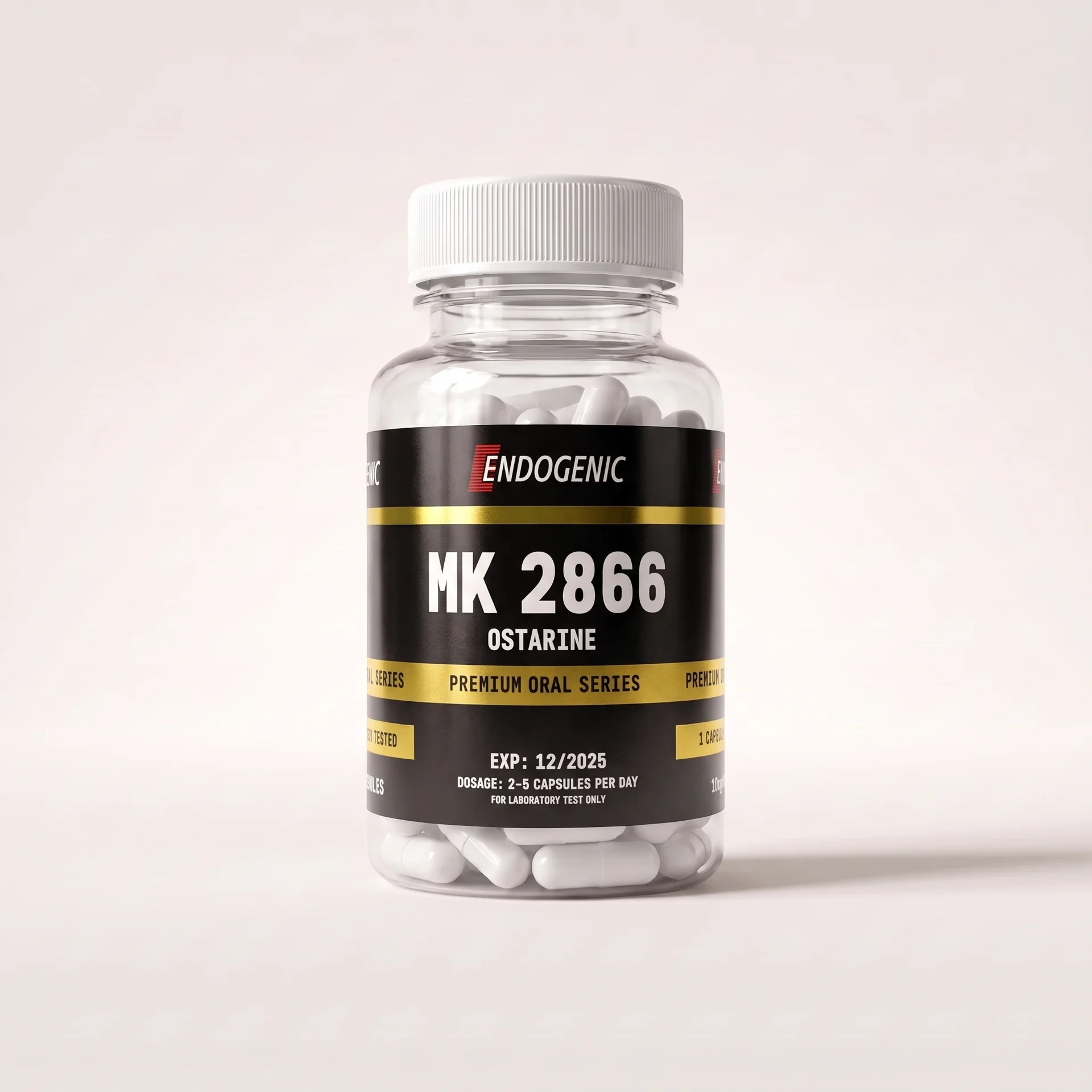
Most of what is known about the safety of RAD-140 in humans comes from case reports of drug-induced liver injury (Leung et al., 2022), myopericarditis (Schwartzman et al., 2024) and heart failure, the last described by authors from Poland (Skorupski et al., 2024). YK-11 has a steroidal structure, and in myoblast cultures its anabolic action depended on follistatin (Kanno et al., 2013), so classing it as a classic SARM is a simplification. The area also includes MK-2866 (enobosarm, ostarine), RAD-150, S-23 and S4 (andarine), in capsules and in solution.
The growth hormone axis: GH secretagogues, GHRH analogues and somatropin
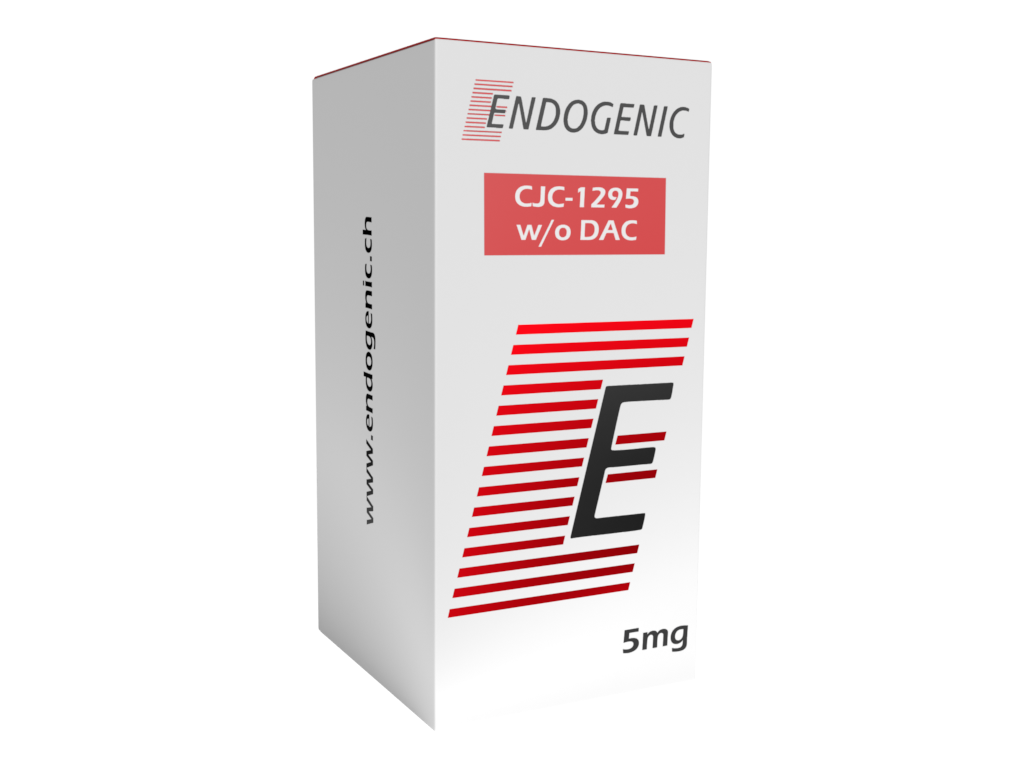
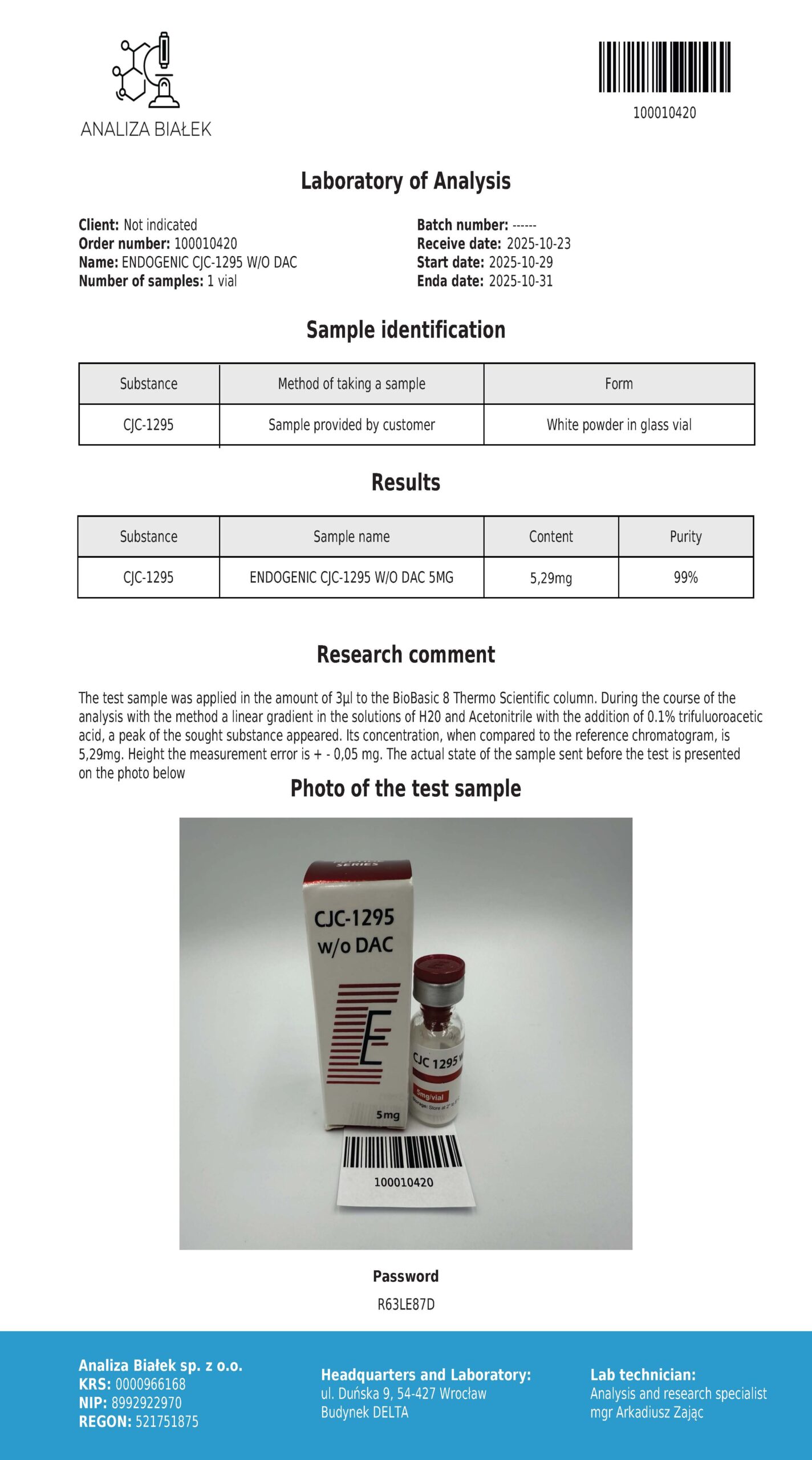
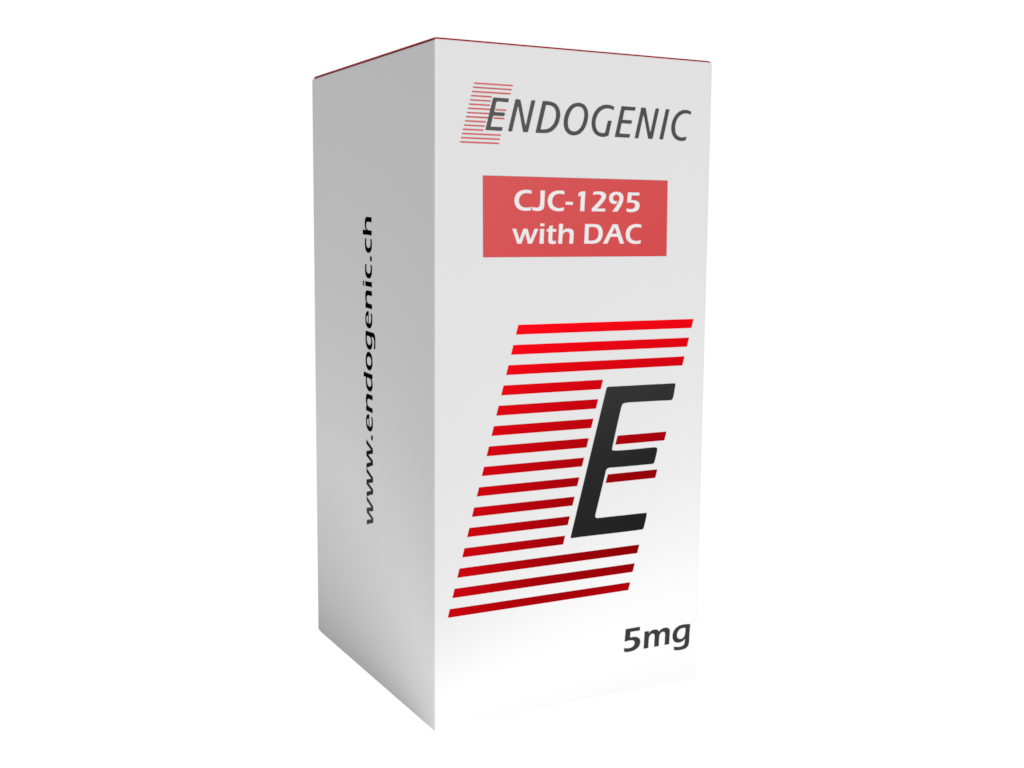
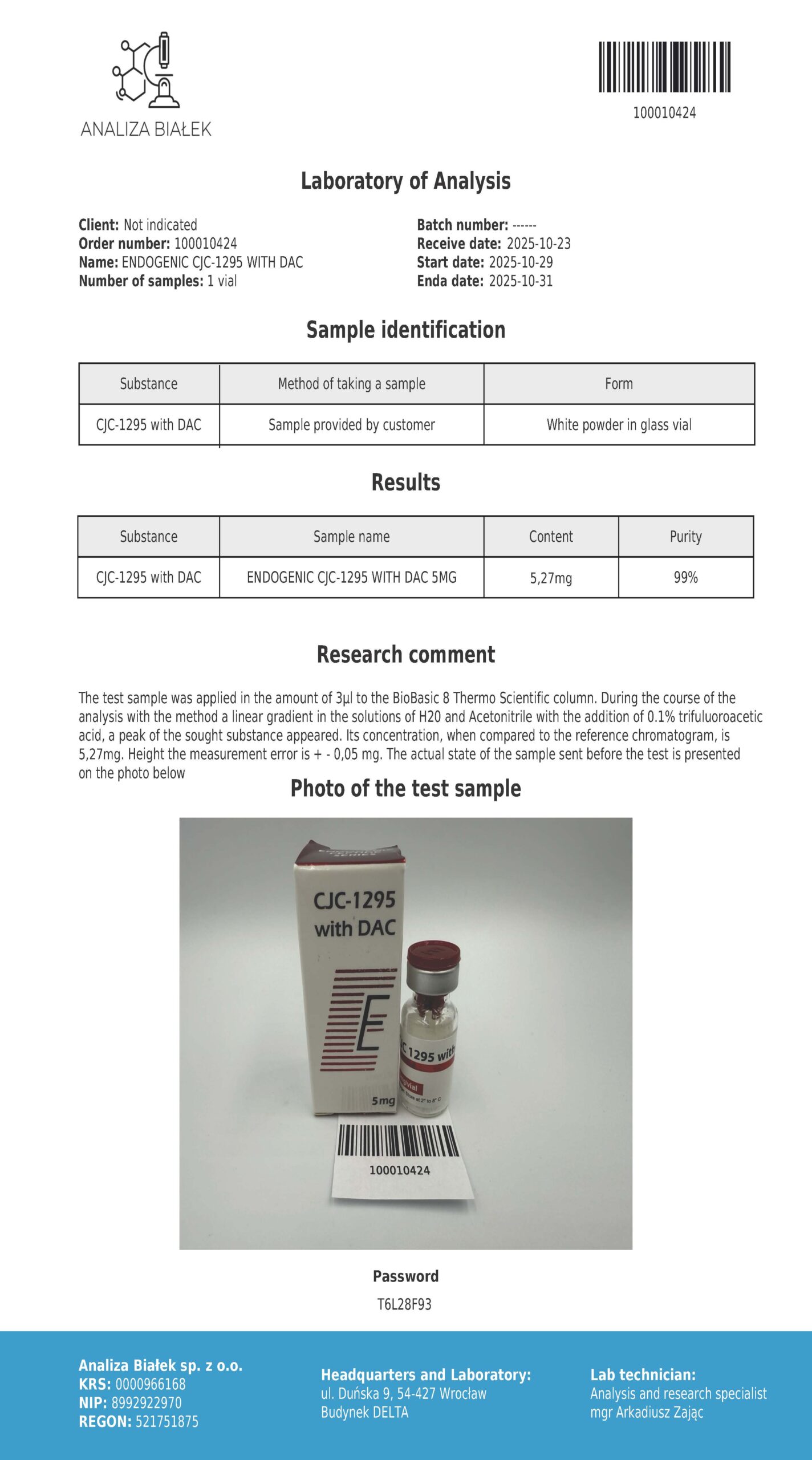
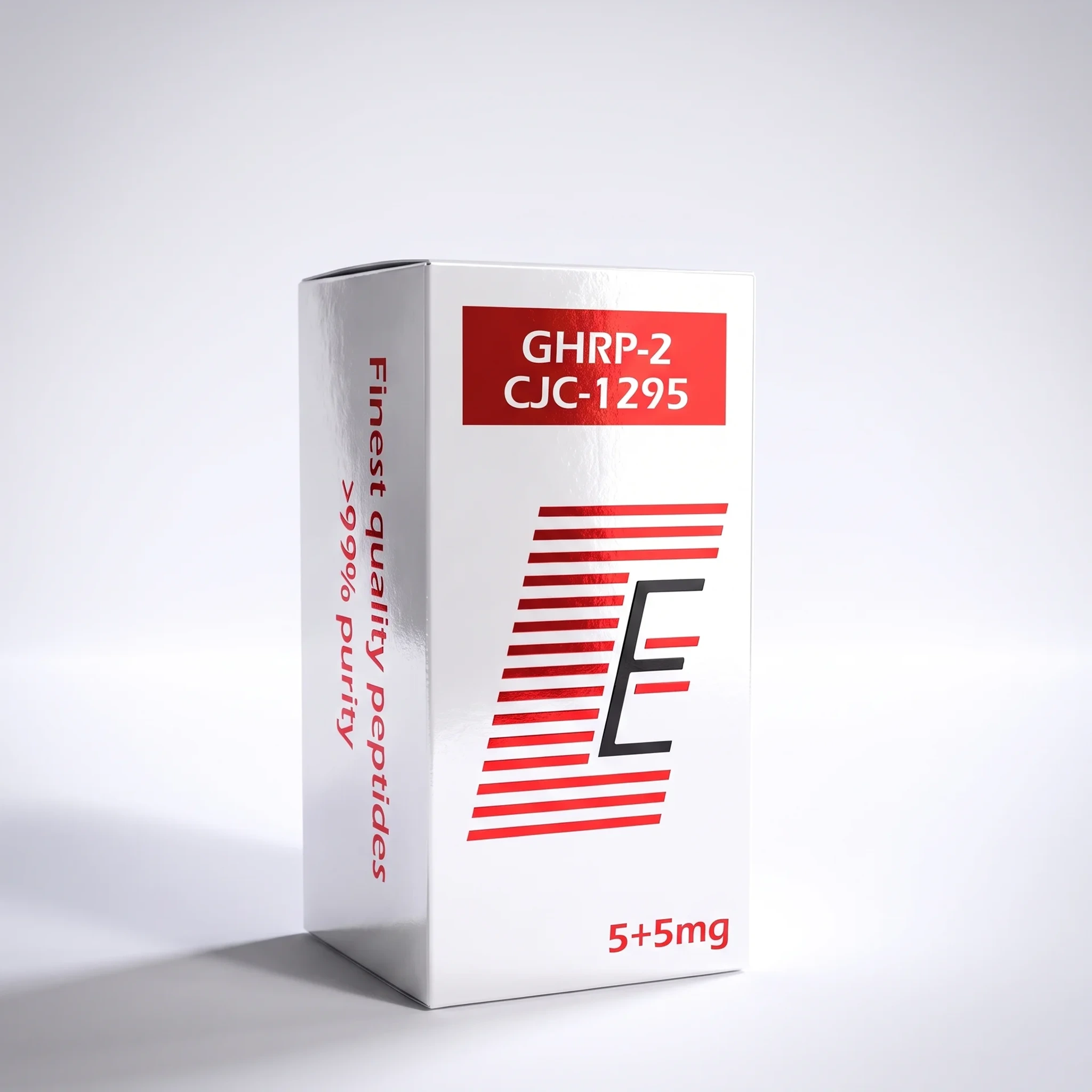
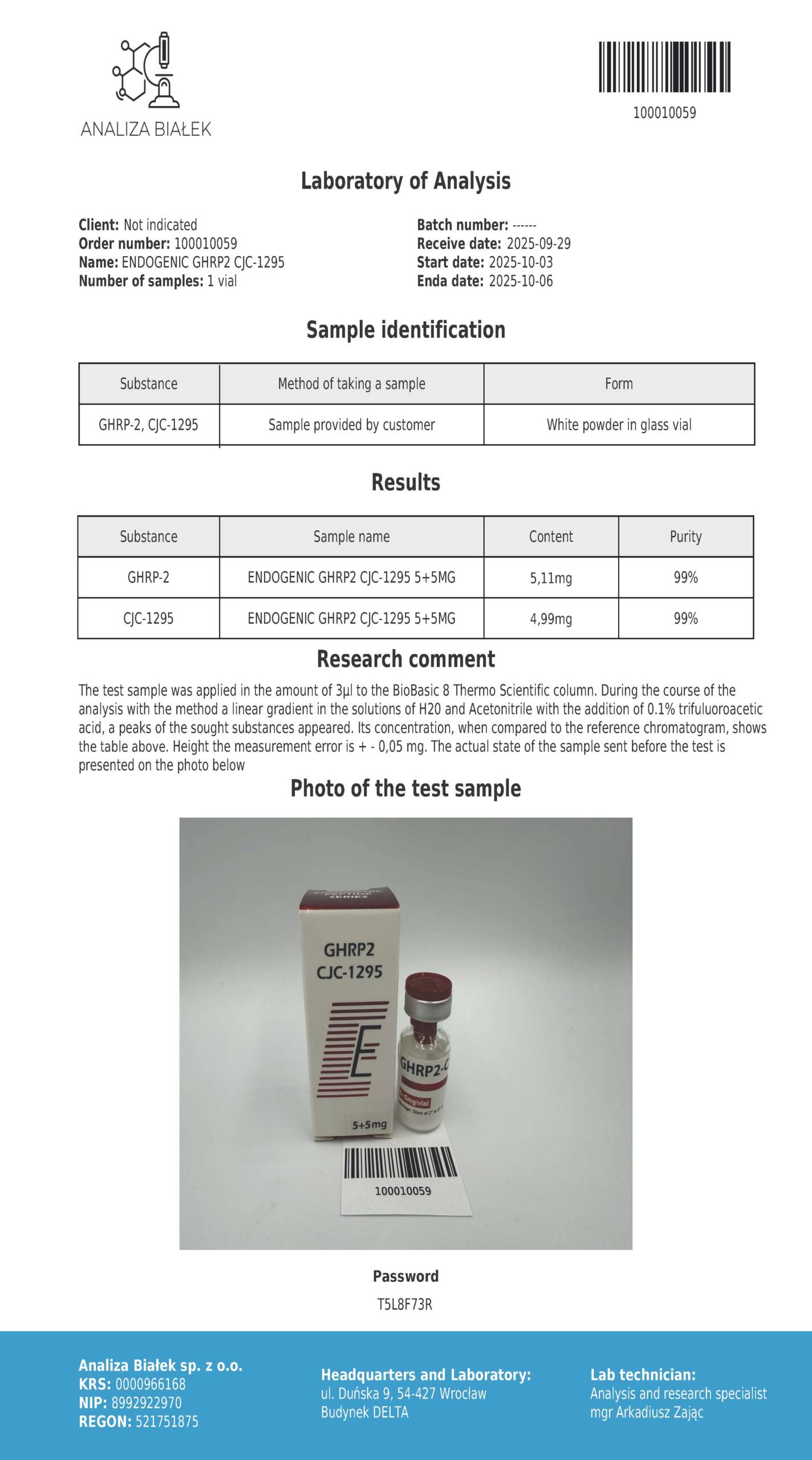
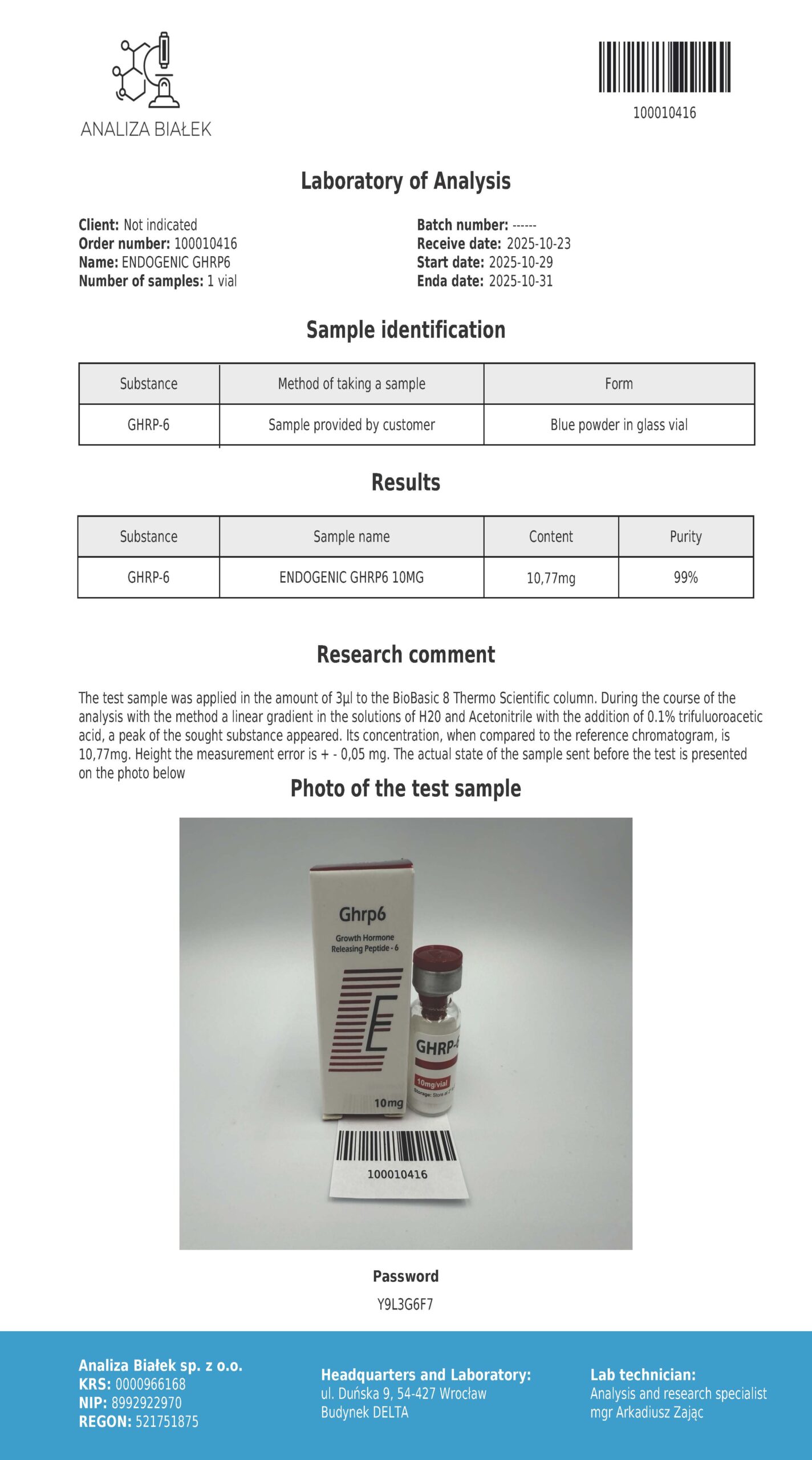
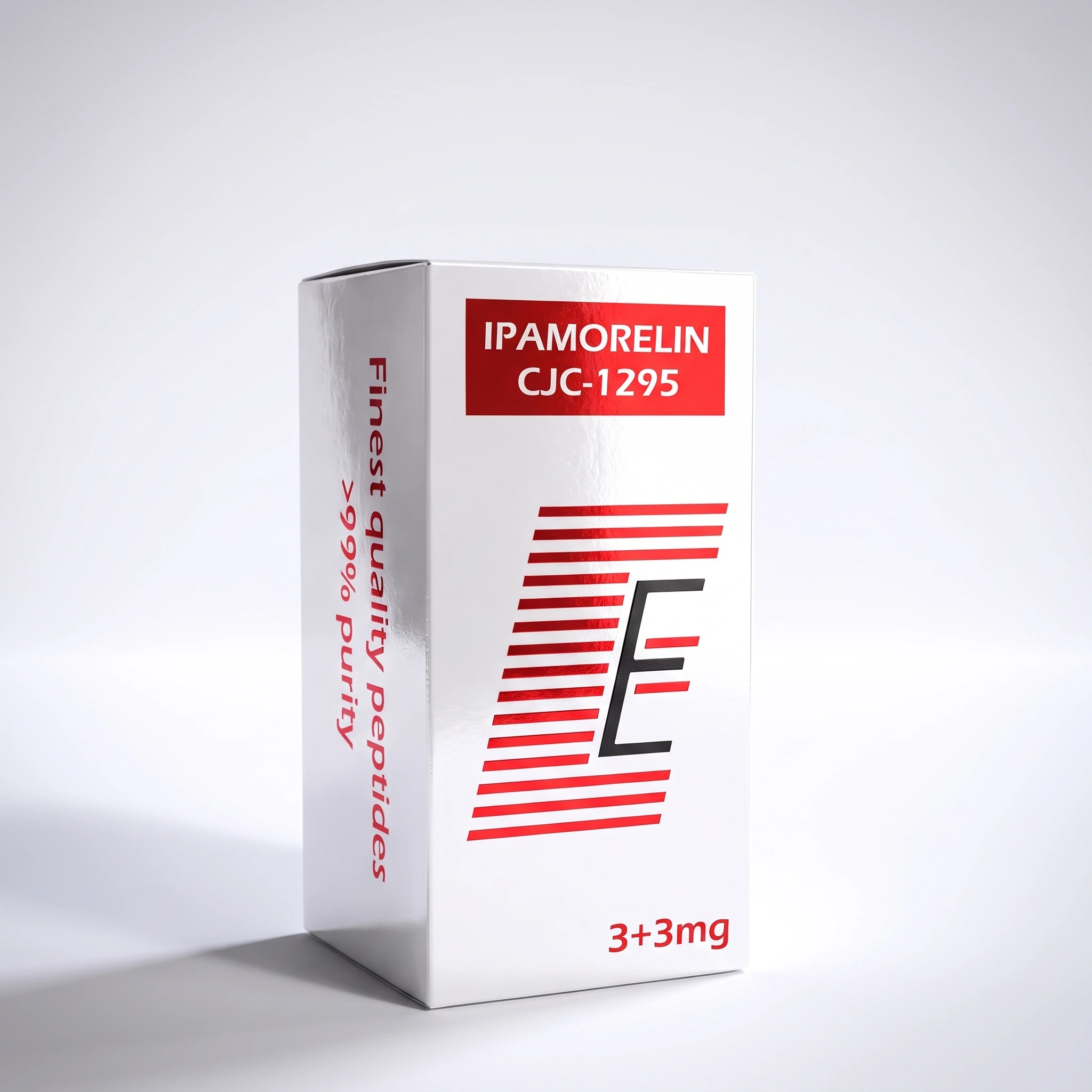
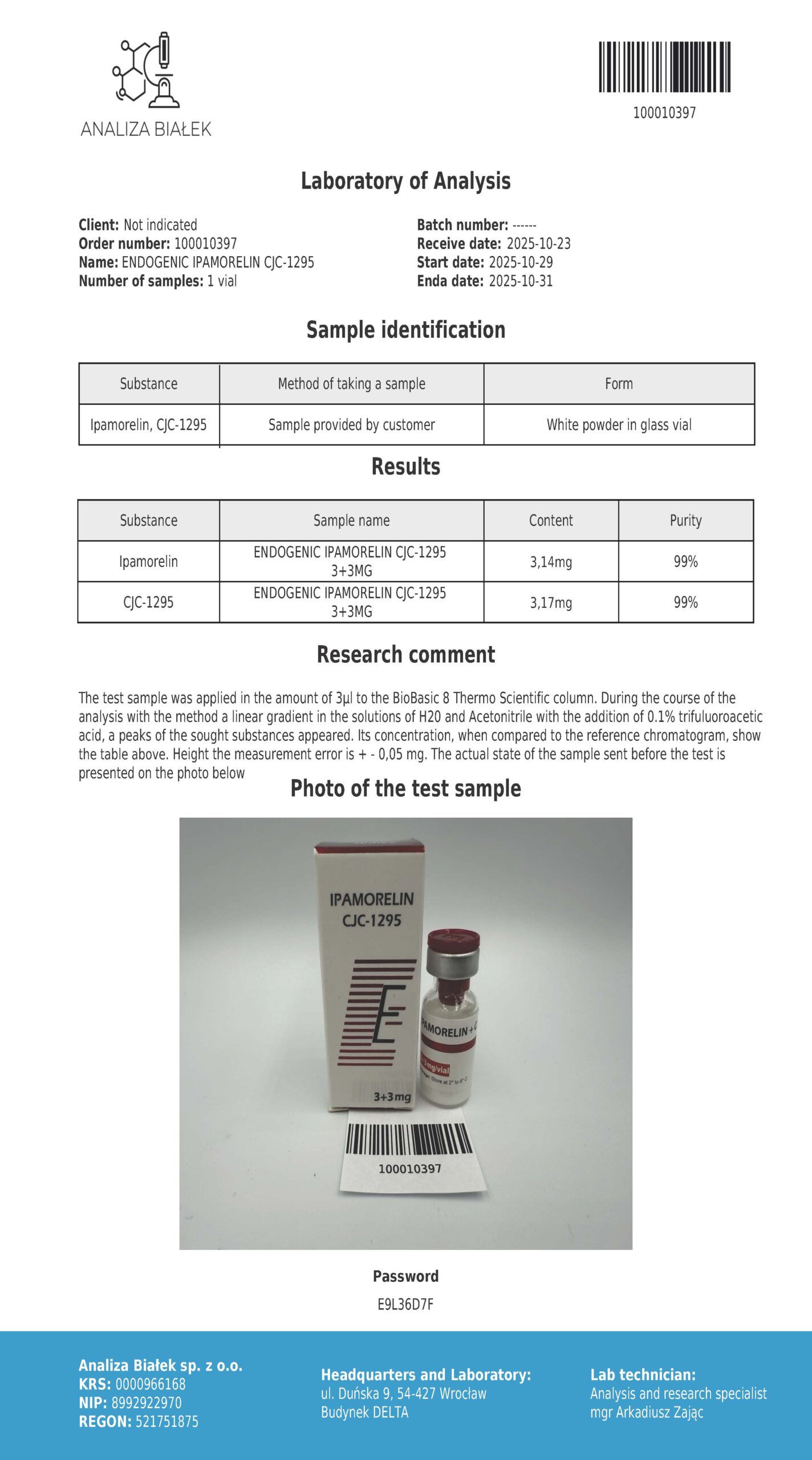
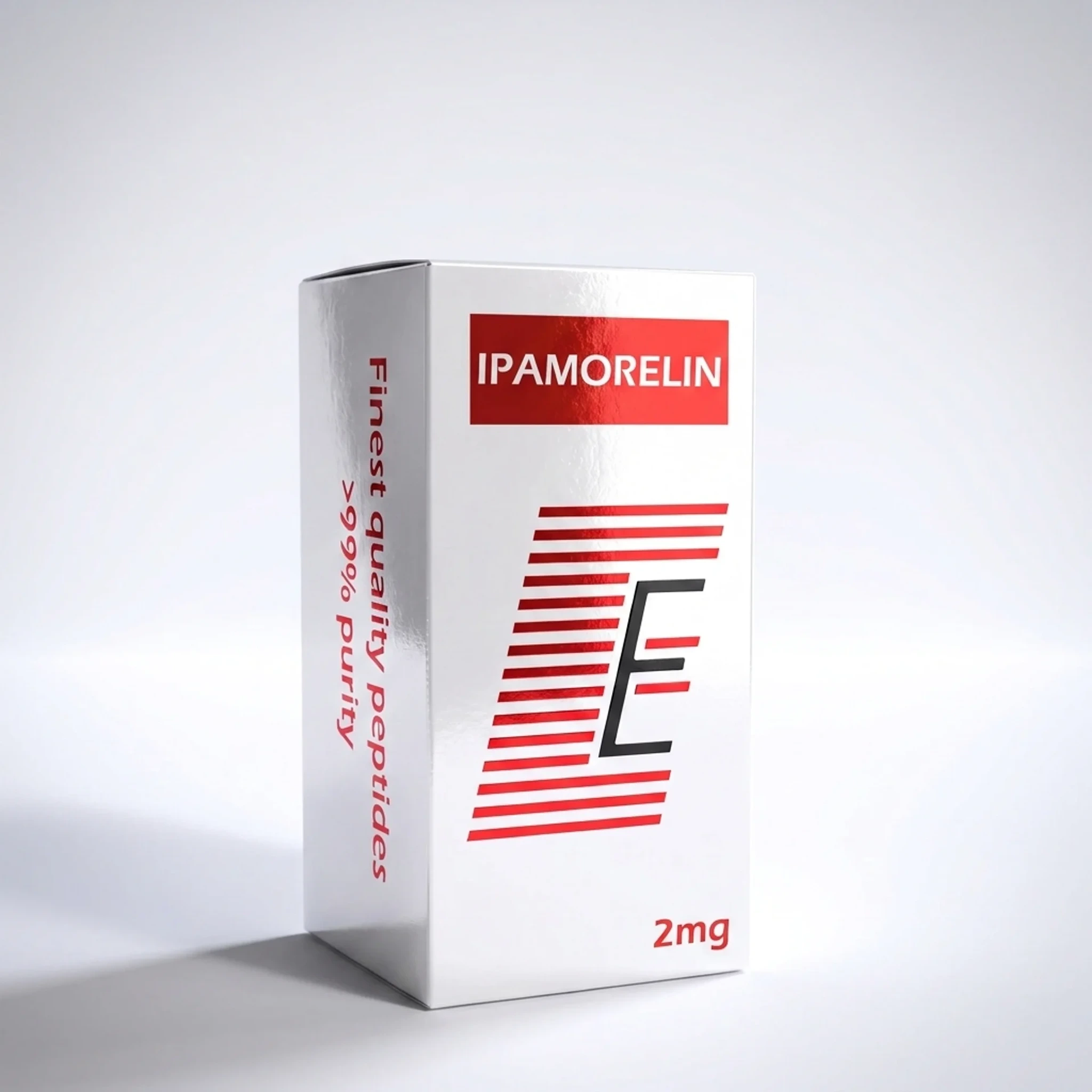
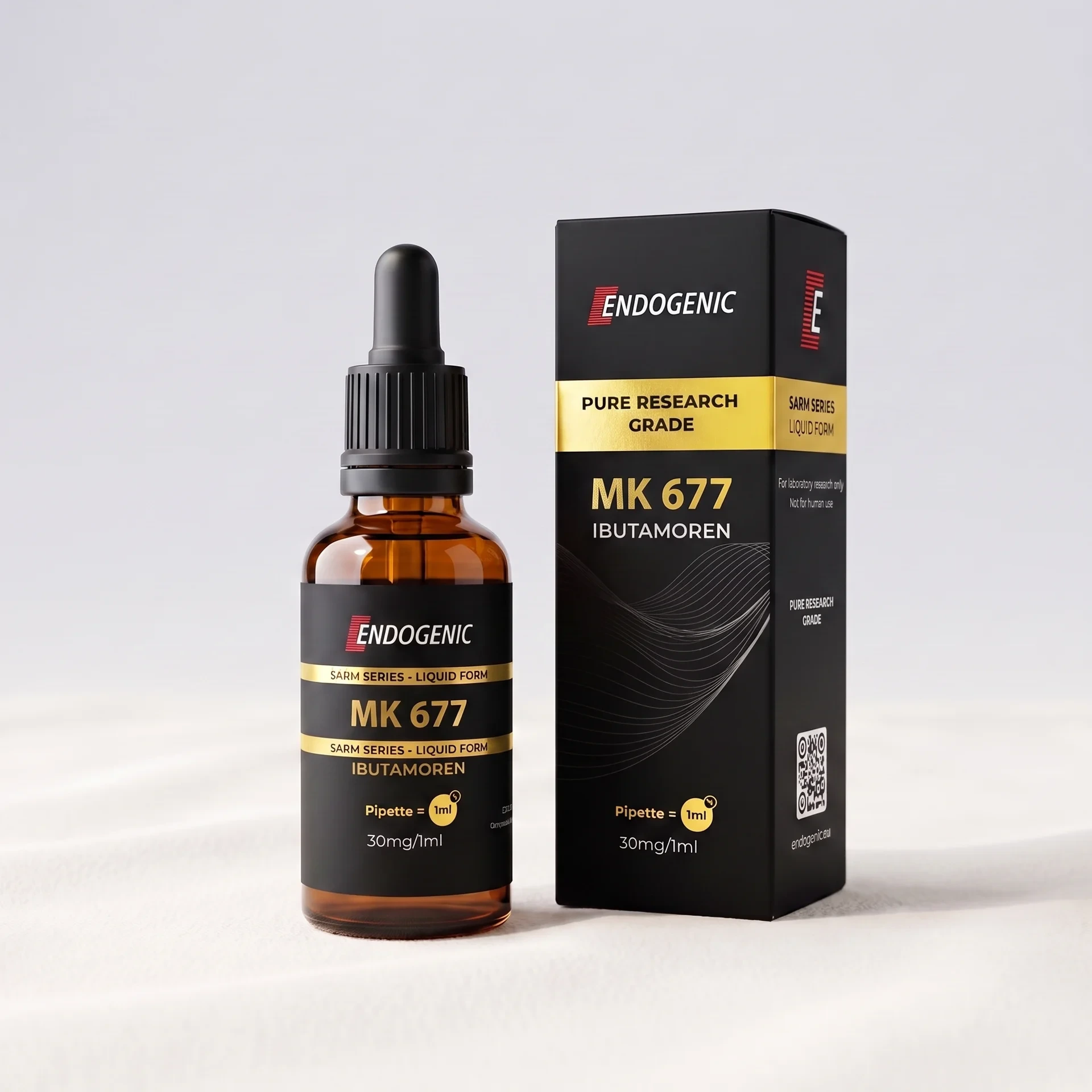
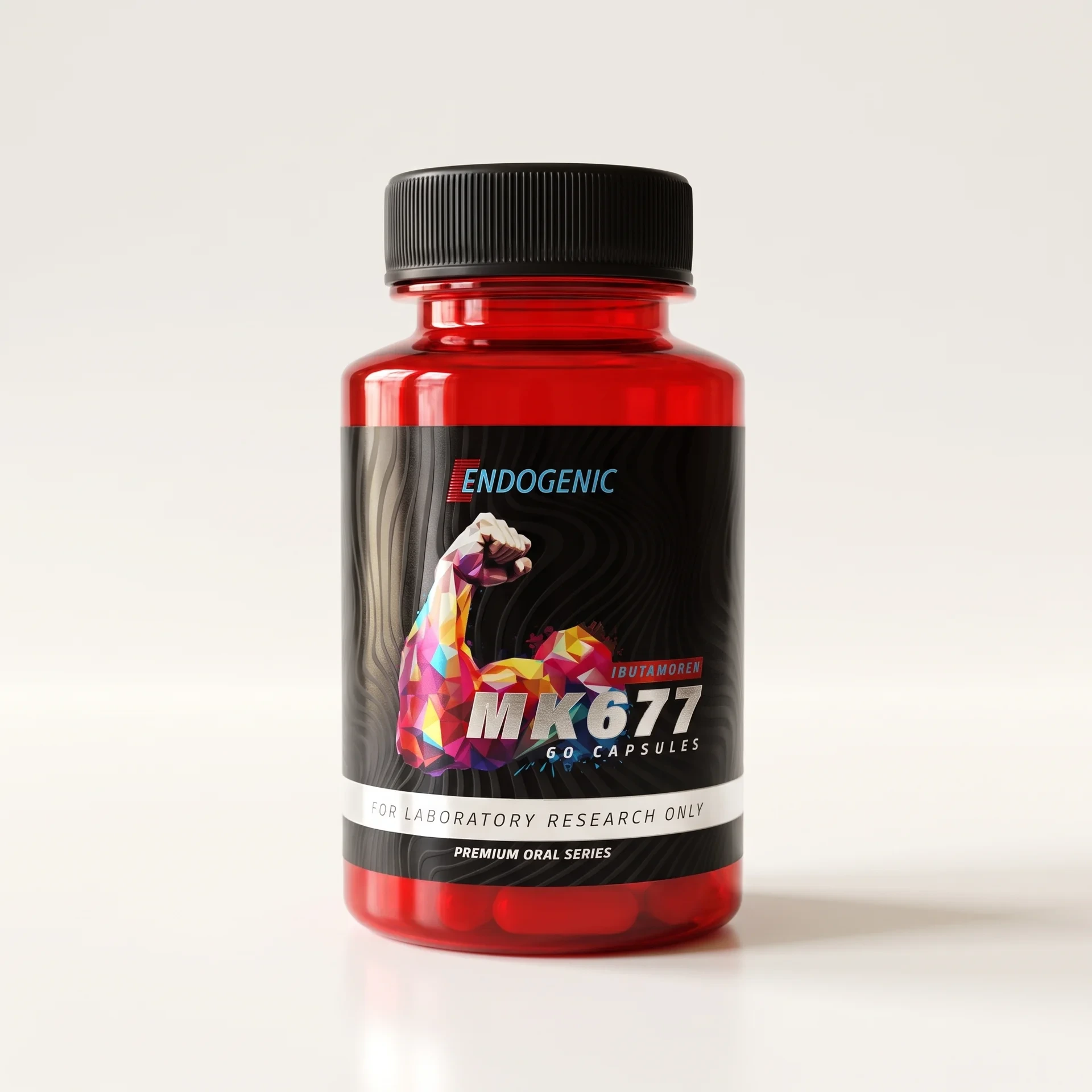
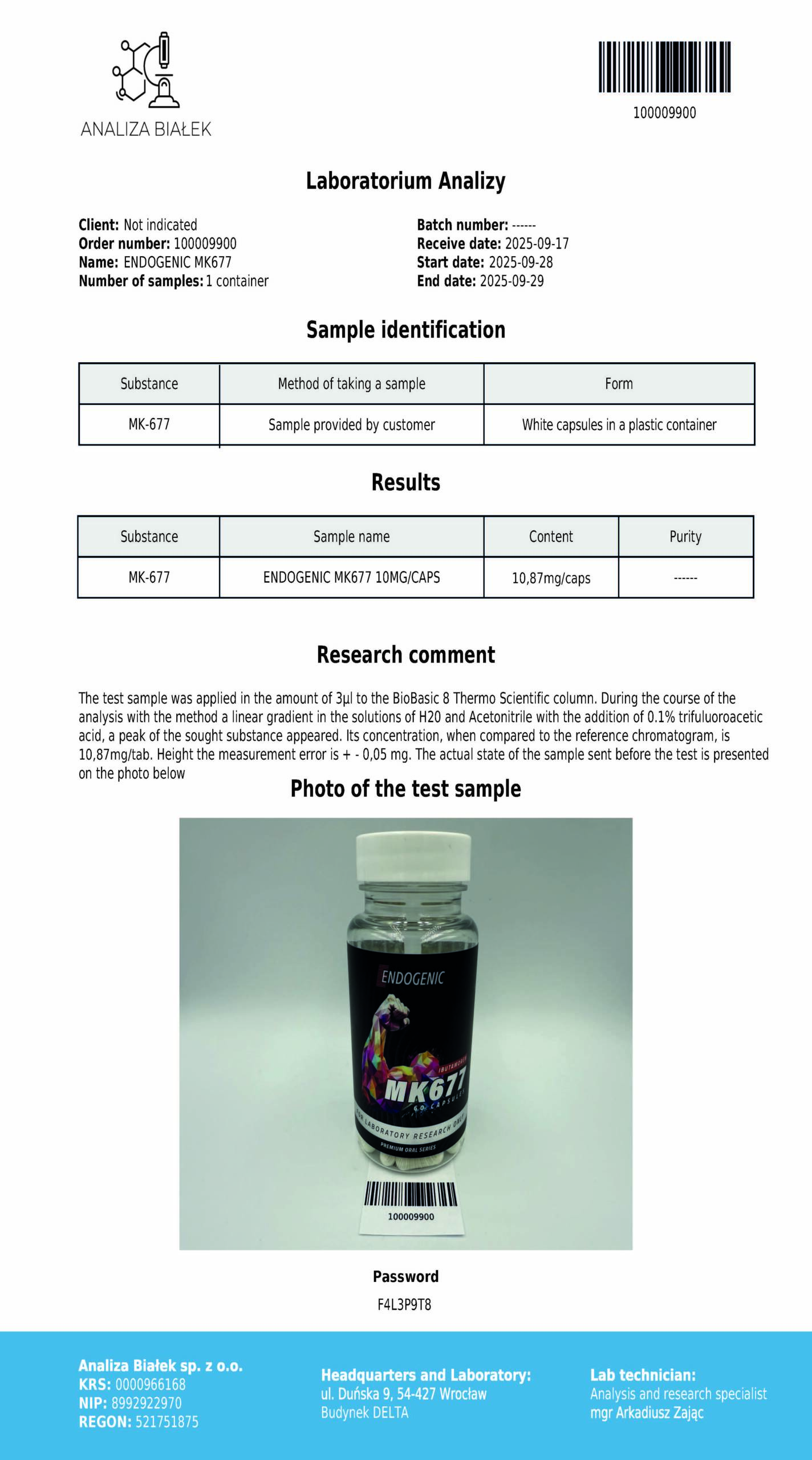
Growth hormone affects muscle largely indirectly, through IGF-1 produced in the liver and in muscle tissue itself. Its release is stimulated by two groups of compounds from this area: GHRH analogues (CJC-1295 with DAC and without DAC) and secretagogues acting on the ghrelin receptor, both peptide ones (Ipamorelin, GHRP-2, GHRP-6) and the non-peptide MK-677 (ibutamoren). The peptide secretagogues are also collected in the growth hormone-boosting peptides category.
A two-year, placebo-controlled study of ibutamoren included people aged 60–81. After one year, lean body mass had increased by 1.1 kg in the ibutamoren group and fallen by 0.5 kg in the placebo group, and the researchers also recorded a deterioration in glucose metabolism (Nass et al., 2008). Somatropin, the full-sequence growth hormone, is present in this area as Oxytropin PEN; products with this sequence are collected in the 191-amino-acid sequence category.
Growth factors: IGF-1 DES, IGF-1 LR3 and PEG-MGF
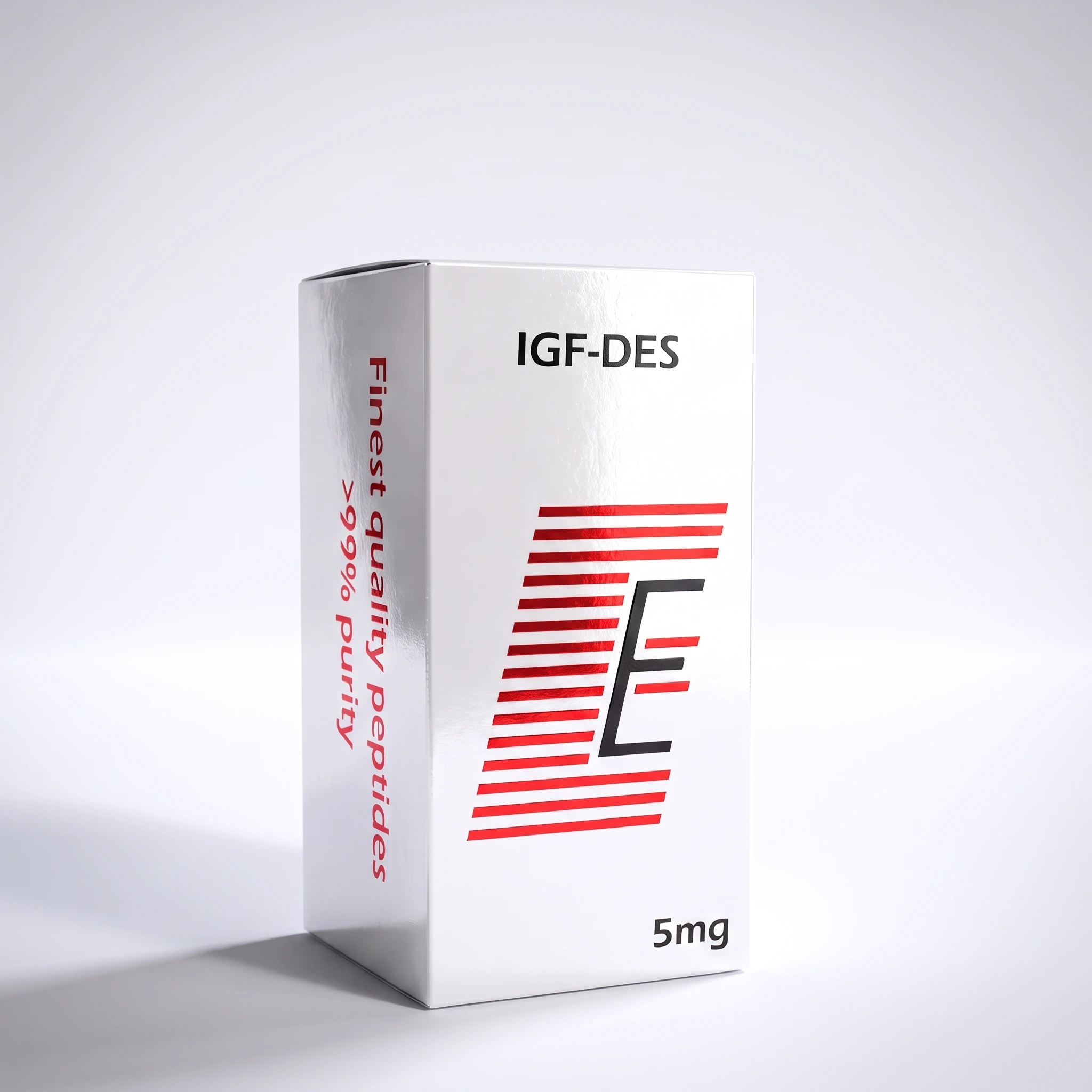
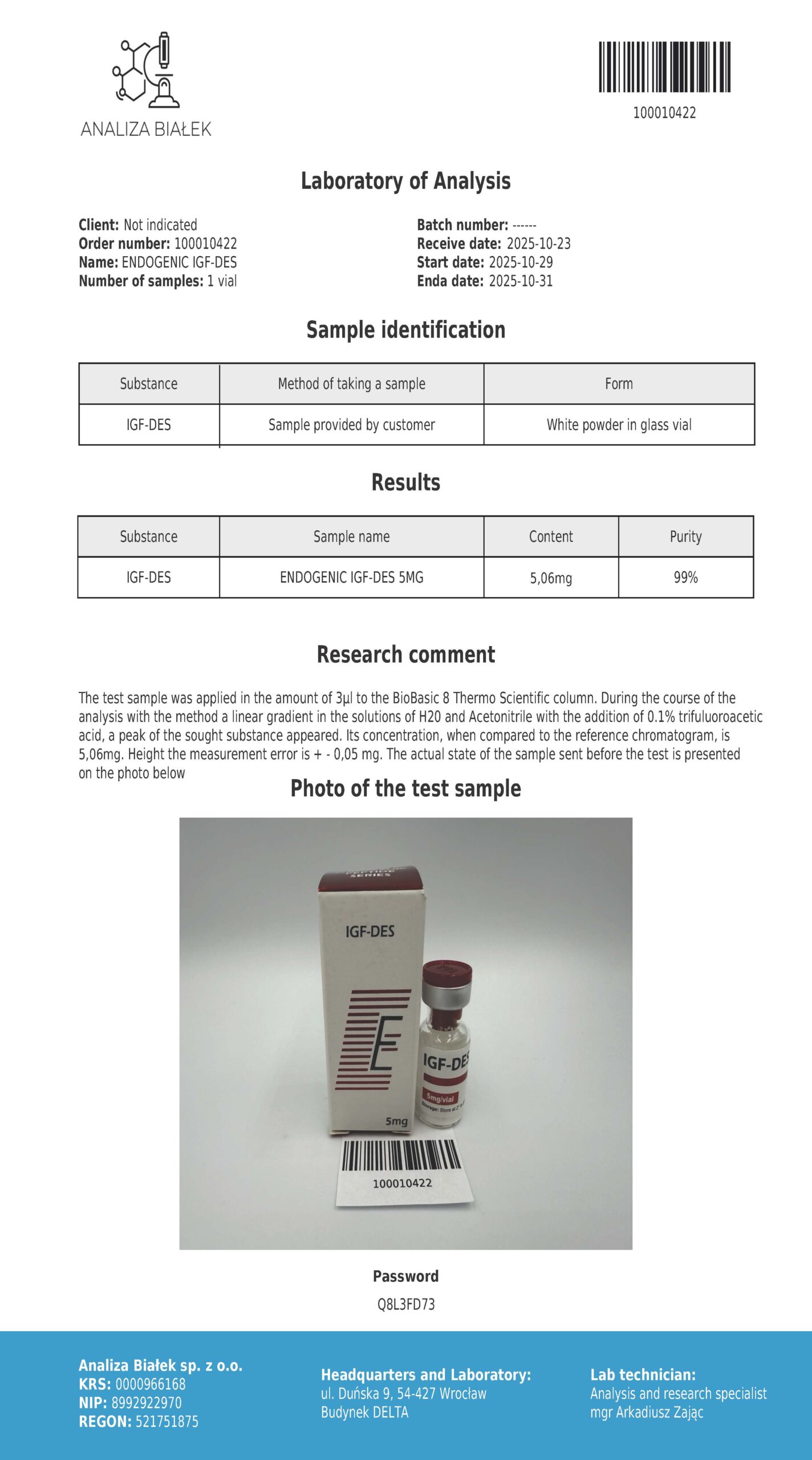
In serum, IGF-1 circulates bound to IGFBP proteins, which limit its availability to tissues. IGF-1 DES is a form truncated by three N-terminal amino acids, so it binds IGFBPs more weakly. IGF-1 LR3, present in this area as Oxymedin (IGF-1 LR3), 2 pieces, has arginine at position 3 and an N-terminus extended by 13 amino acids, which also limits IGFBP binding and prolongs its action. PEG-MGF is a PEGylated form of mechano growth factor (MGF), a variant produced by alternative splicing of IGF-1 gene mRNA in muscle under mechanical load. The WADA List names both IGF-1 and its analogues and MGF in section S2.3.
Other products in this area
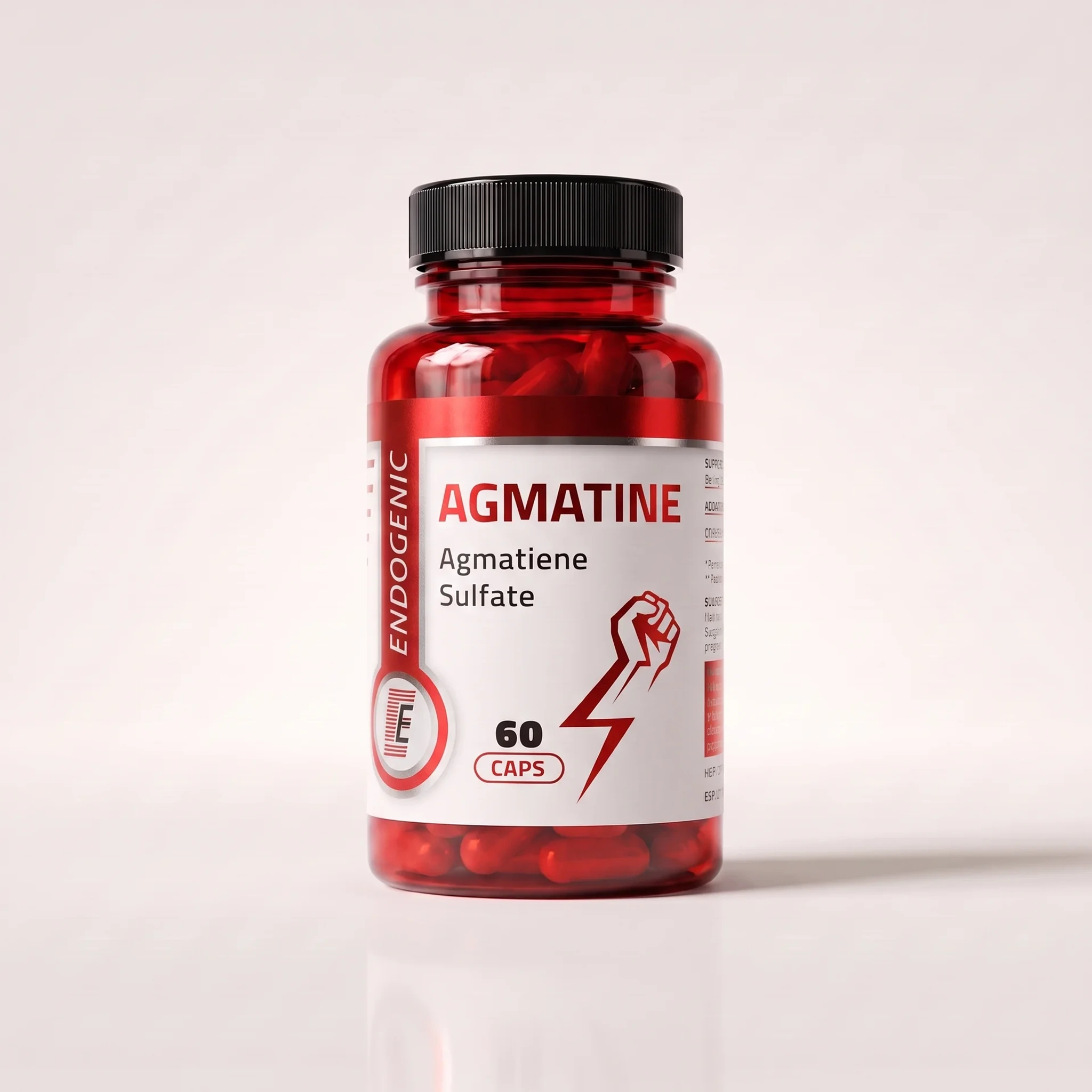
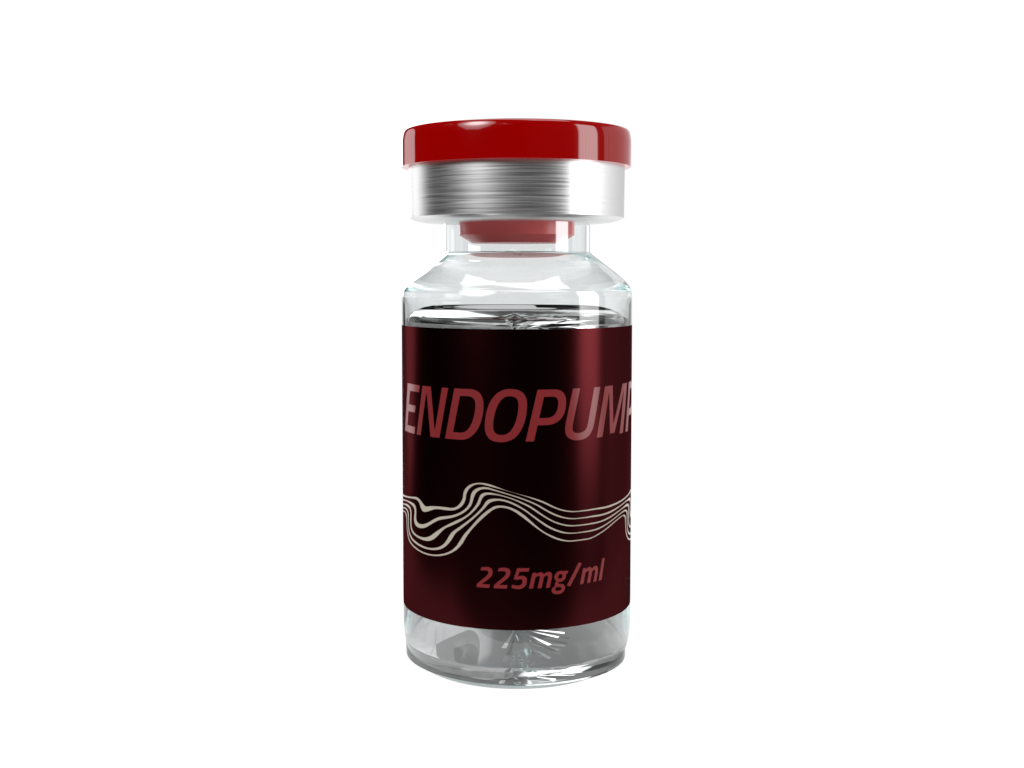
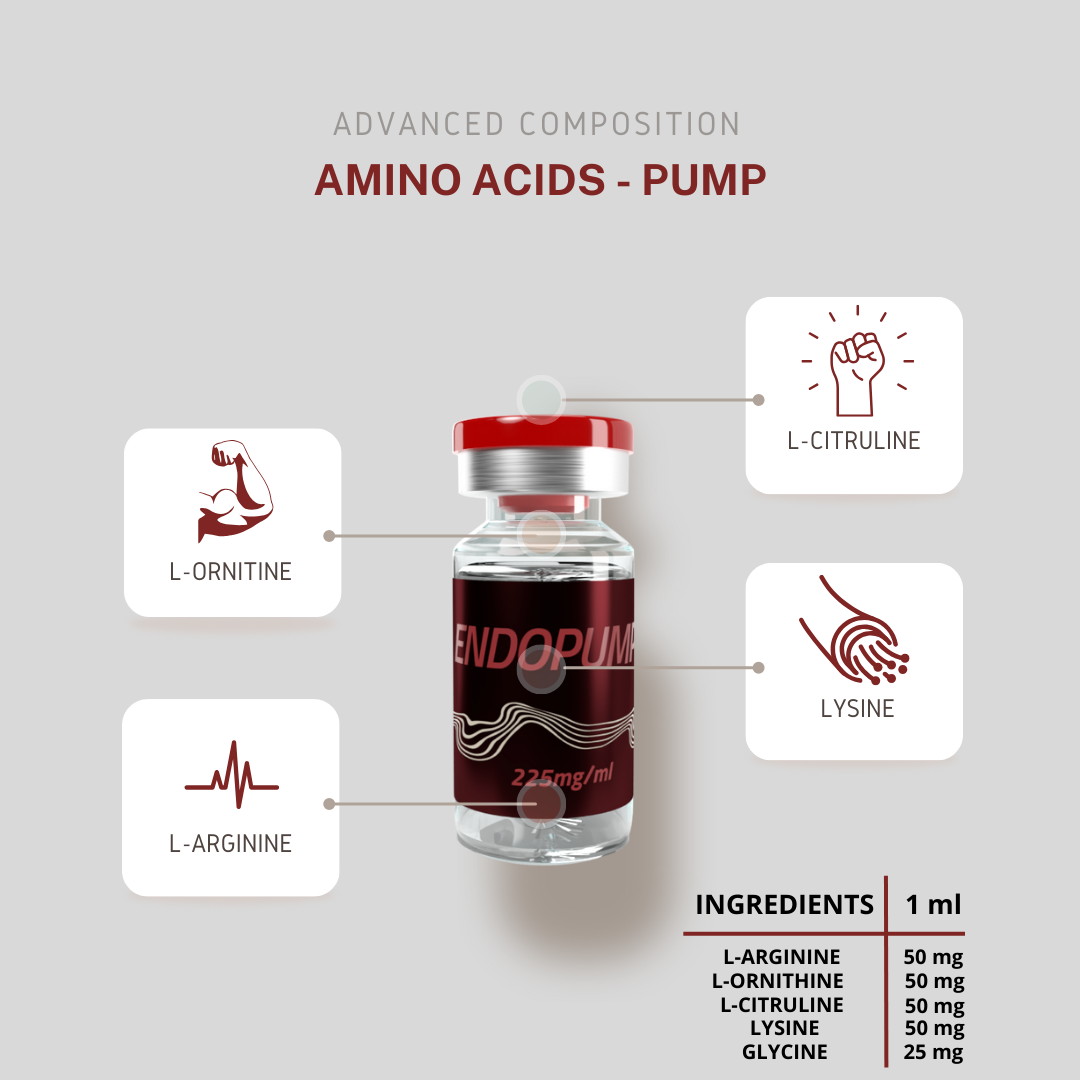
The area also includes GW-501516 liquid, a PPARδ agonist described in more detail in the metabolism area, and two products that are not research reagents: Agmatine 500 mg, which its product page describes as a dietary supplement, and Endopump, an injectable amino acid solution labelled as a preparation for adults (21+). Endopump is covered by the amino acids category.
Safety: what is known from studies and case reports
In the phase I study, LGD-4033 lowered testosterone and HDL cholesterol, and case reports after RAD-140 include liver injury and cardiac complications. In the two-year study, ibutamoren worsened glucose metabolism, and IGF-1 and its analogues have insulin-like effects, with a risk of hypoglycaemia. Most products in this area are reagents for laboratory research and are not intended for use in humans; the safety data describe the properties of the substances.
Frequently asked questions (FAQ)
Do SARMs act selectively on muscle alone?
Not entirely. Tissue selectivity means a predominant effect in muscle and bone over the prostate, not an absence of effects on the rest of the body. Even in a short phase I study, LGD-4033 suppressed the hormonal axis and lowered HDL cholesterol.
What is Oxytropin in this area?
It is somatropin, the growth hormone with the full 191-amino-acid sequence, in a ready-to-use pen. Growth hormone is the active substance of medicines used in GH deficiency, but the reagent is neither such a medicine nor a substitute for one. On the WADA List, growth hormone falls under section S2.2.3.
How do GHRH analogues differ from secretagogues acting on the ghrelin receptor?
They act on two different pituitary receptors. GHRH analogues, such as CJC-1295, mimic the hypothalamic GH-releasing hormone, while secretagogues, such as ipamorelin or MK-677, stimulate the ghrelin receptor. Stimulating both receptors at once produces a stronger growth hormone release than stimulating either one alone, hence the products that combine both types of compound.
Are products from the muscles area permitted in sport?
SARMs fall under section S1.2, growth hormone, its secretagogues and growth factors under section S2, and GW-501516 under S4.4.1. All of these listed groups and compounds are prohibited at all times, and anti-doping laboratories have methods to detect them. The anti-doping status of other products in this area must be checked separately.