



Peptides
Black Week
20% off everything with code BLACK
Click and the code is added to your cart.
Until Monday 30 Nov, 23:59 (Polish time).
Black Friday
20% off everything with code BLACK
Click and the code is added to your cart.
Until Monday 30 Nov, 23:59 (Polish time).
Last day
20% off everything with code BLACK
The code works until 23:59 today (Polish time).
Other categories
108 products
-
'/%3E%3C/svg%3E)
-
-
'/%3E%3C/svg%3E)
-
'/%3E%3C/svg%3E)
-
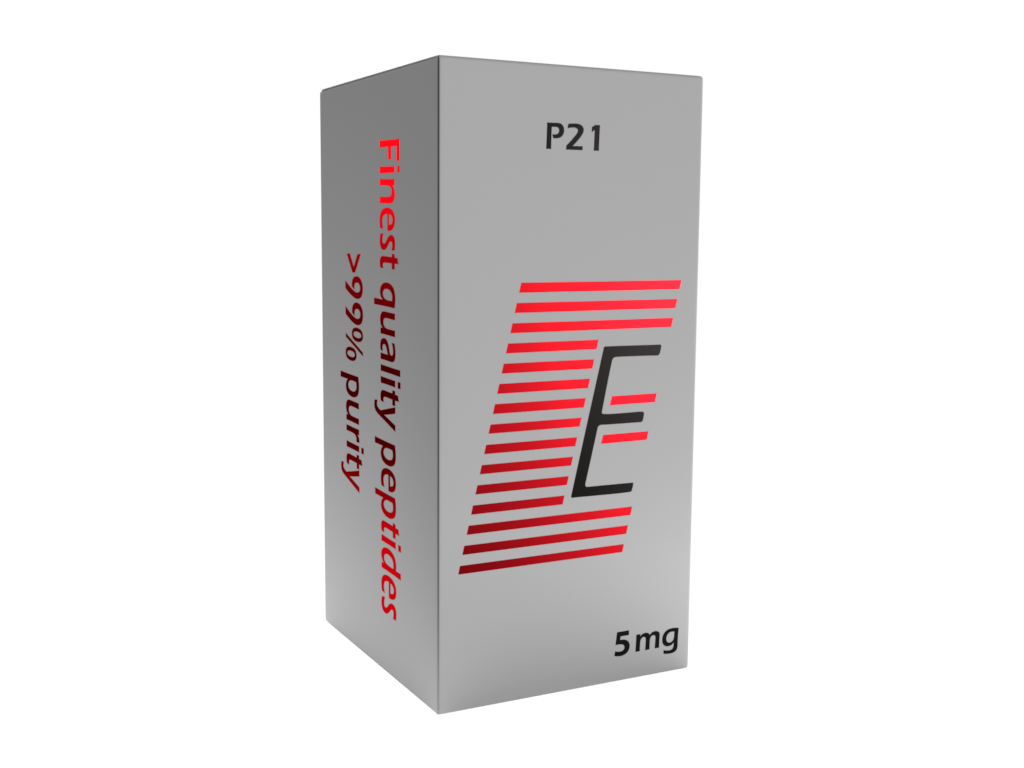
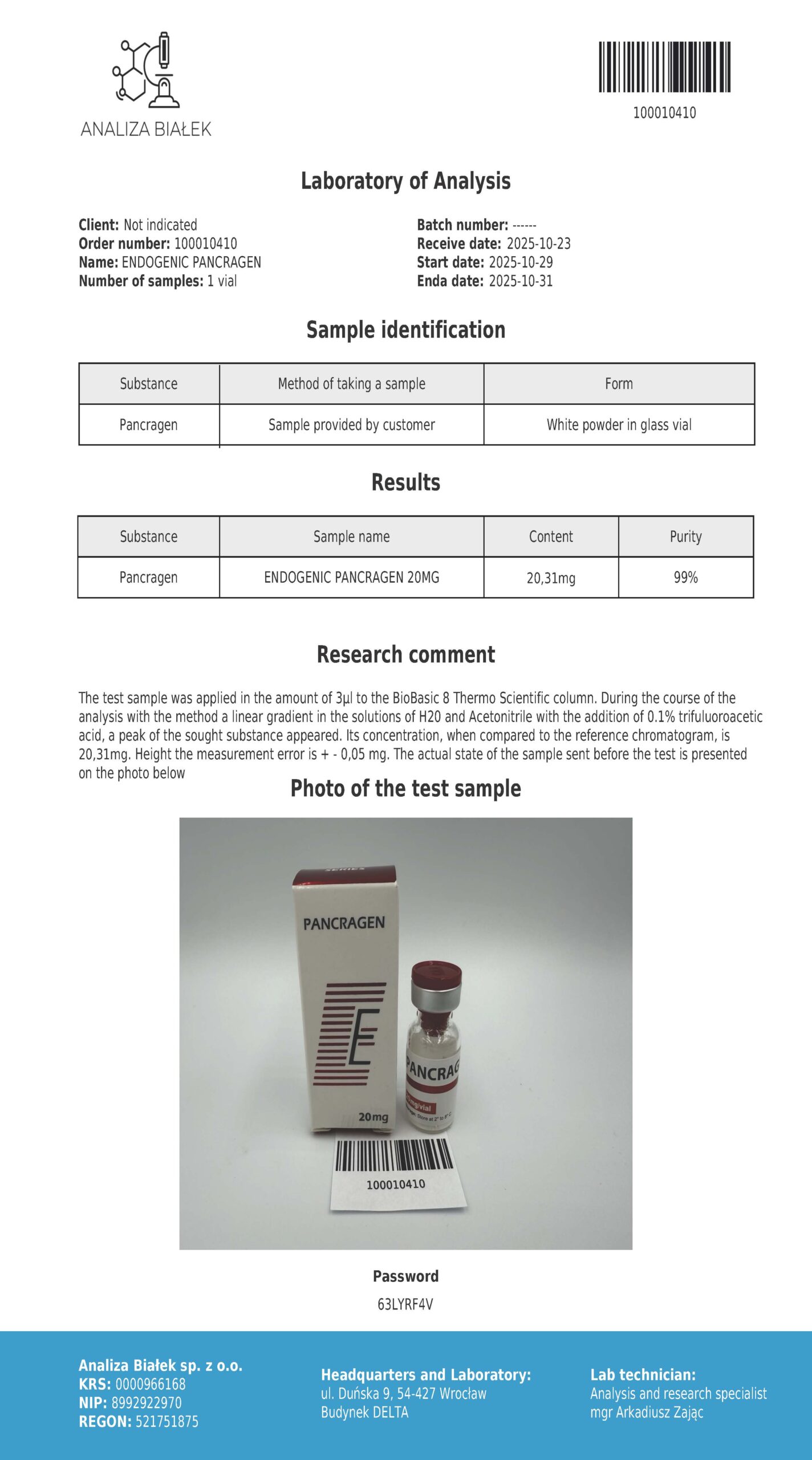
P21 5mg P21 5mg42,99 €
-
'/%3E%3C/svg%3E)
-
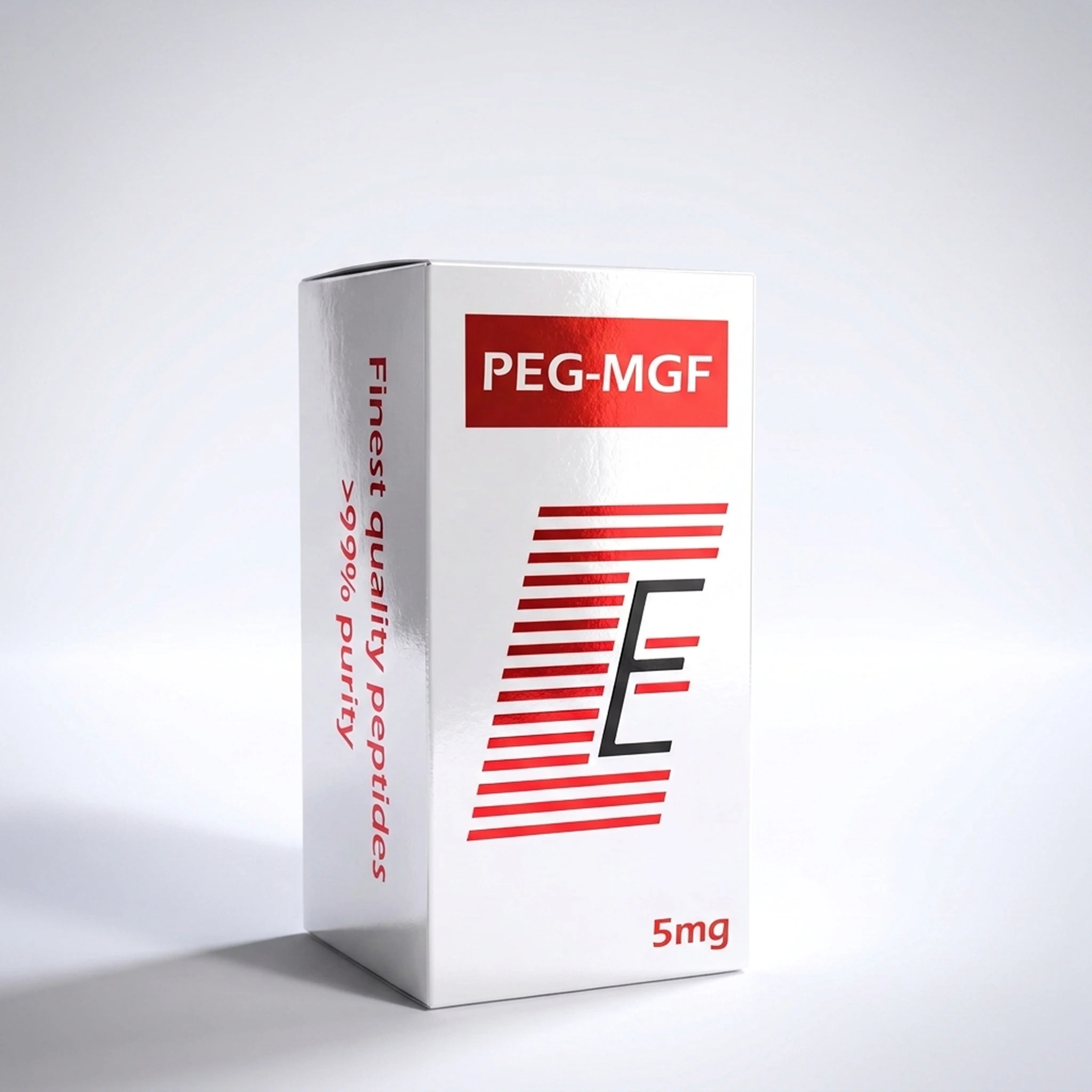
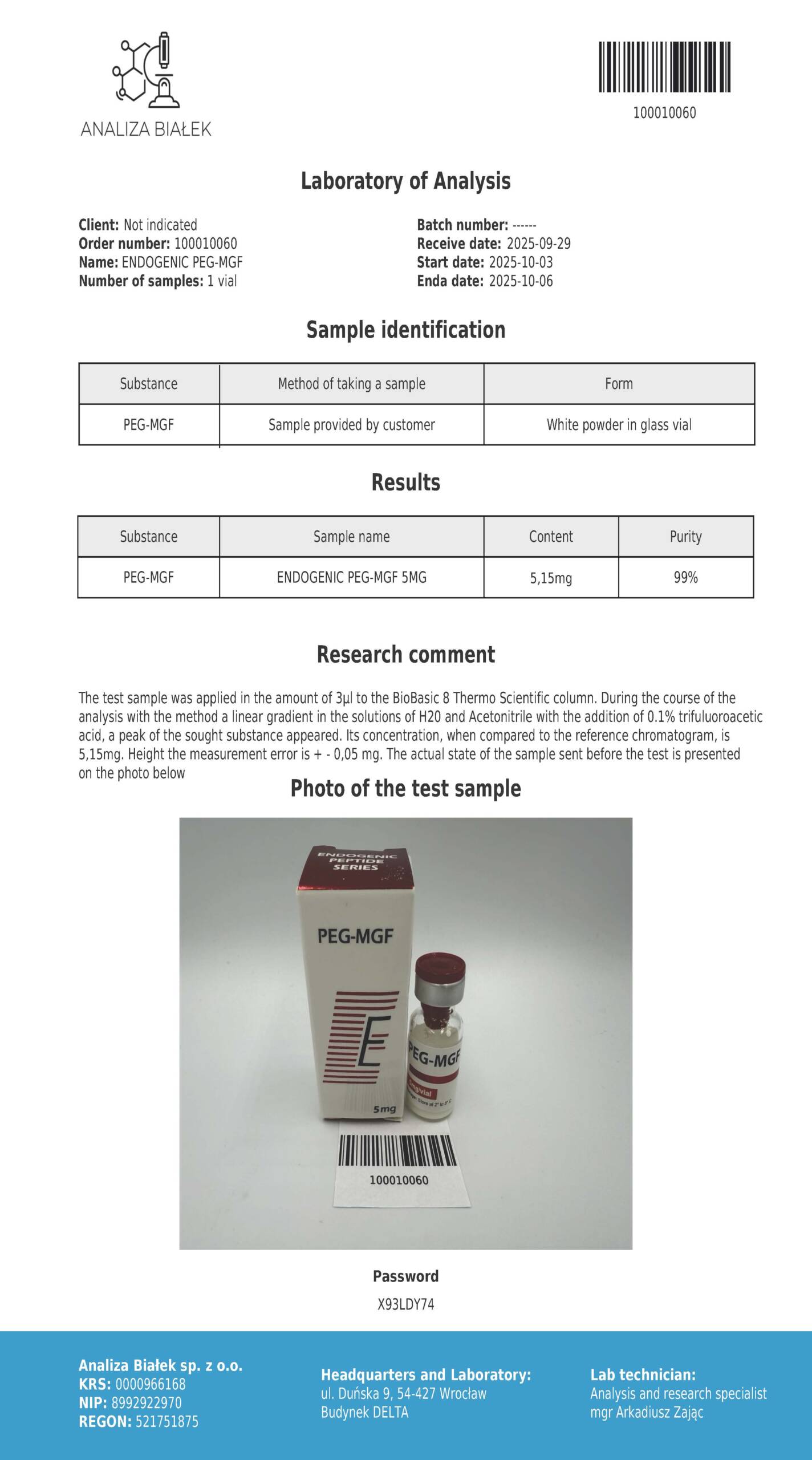
PEG-MGF 5mg PEG-MGF 5mg35,99 €
-
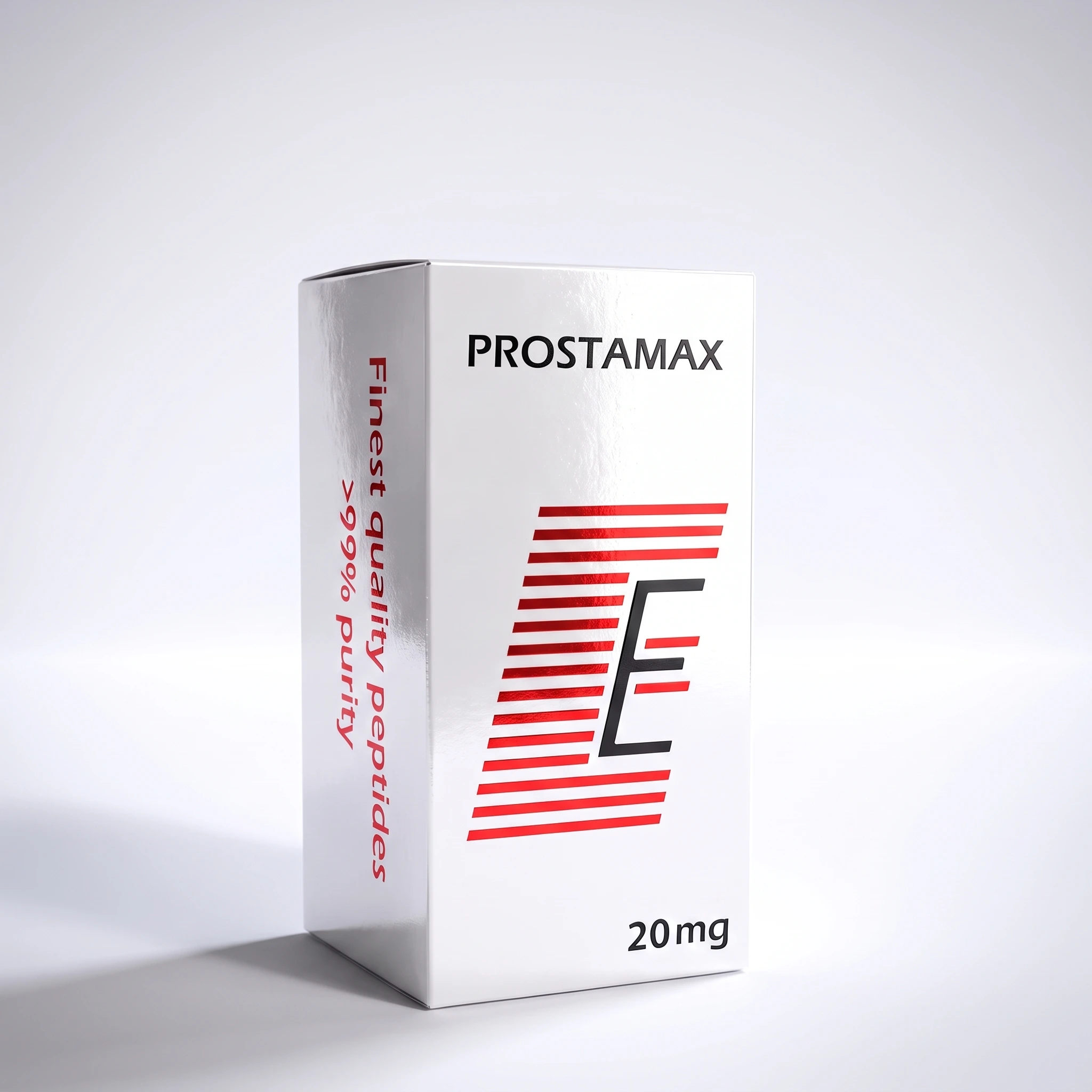
Prostamax Prostamax37,99 €
-
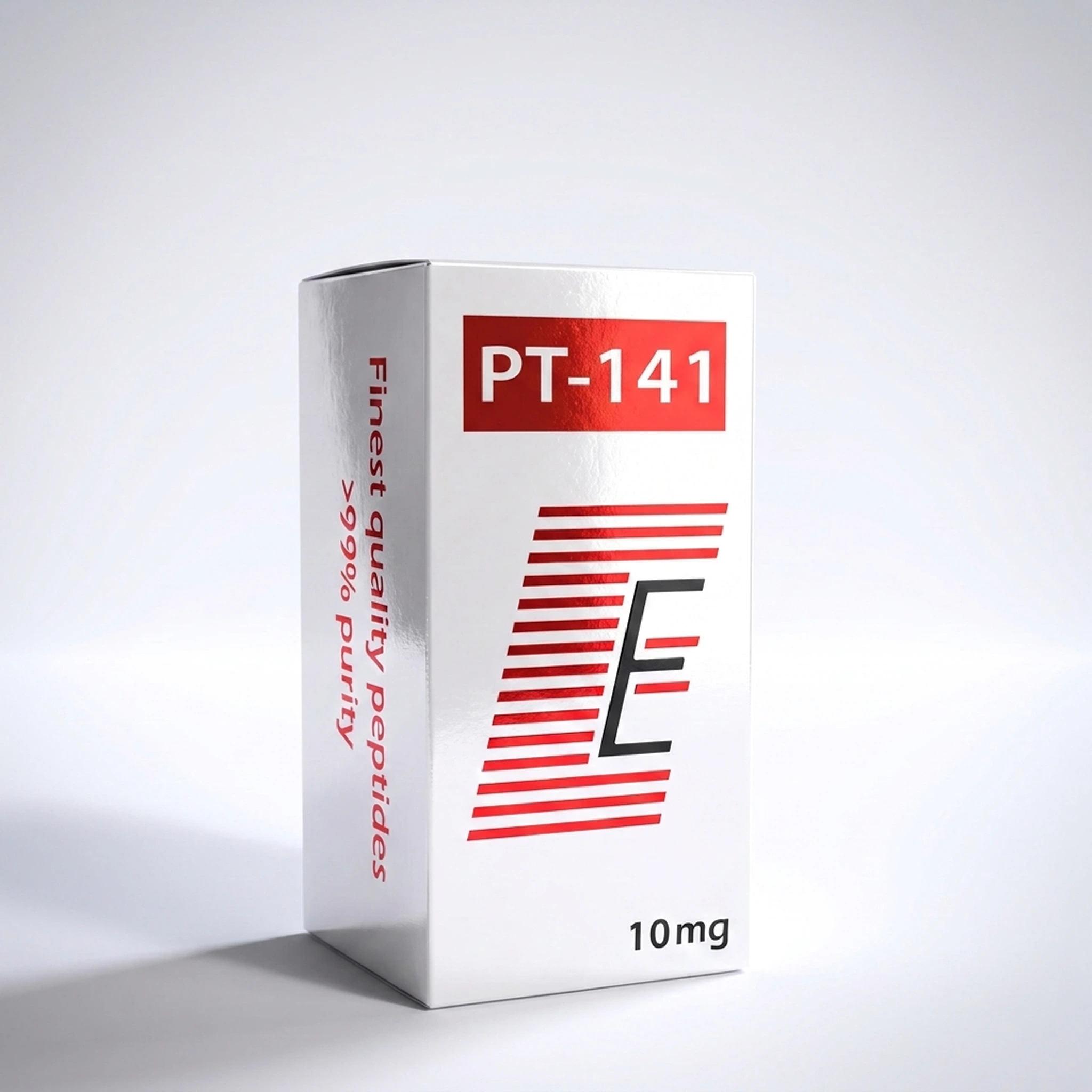
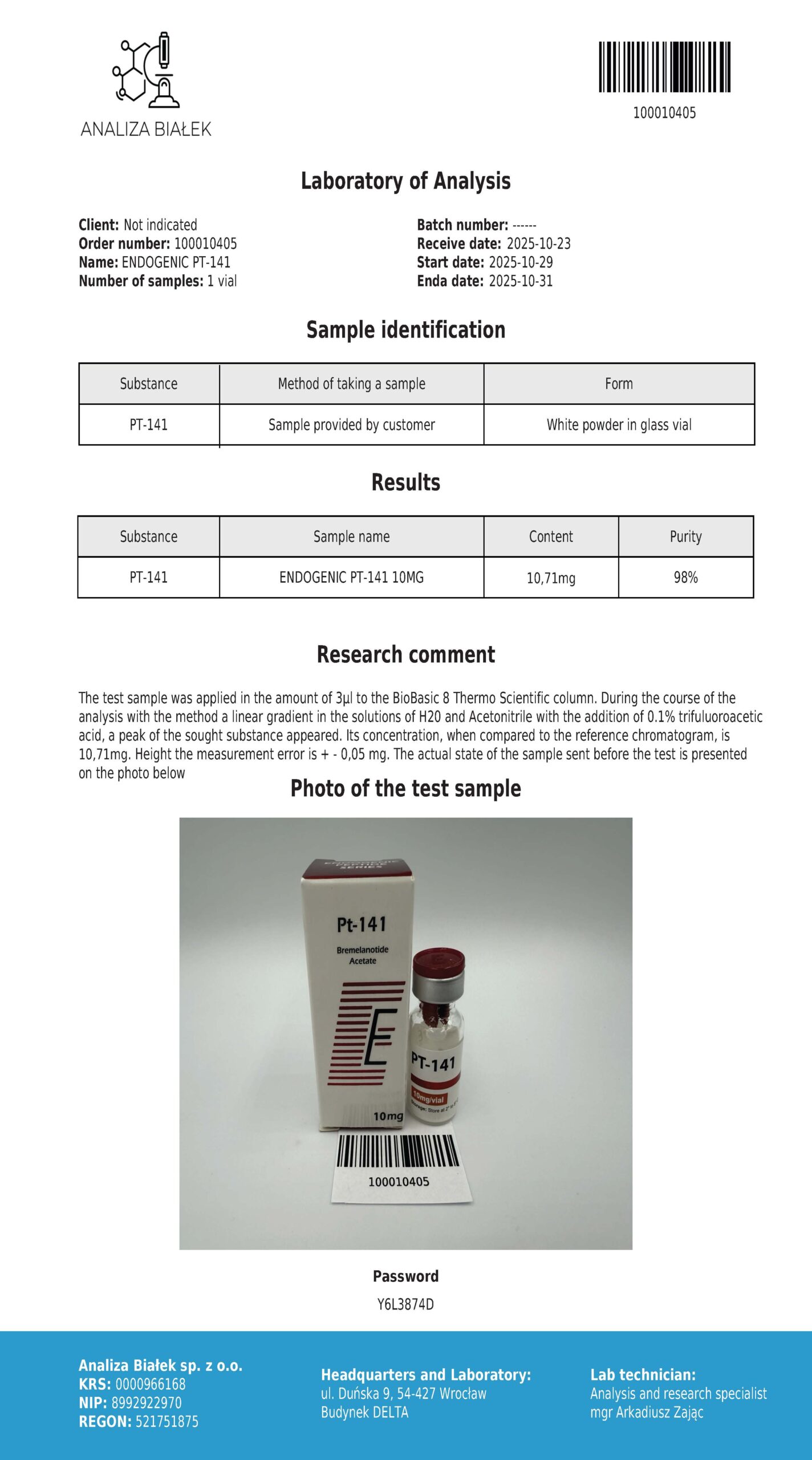
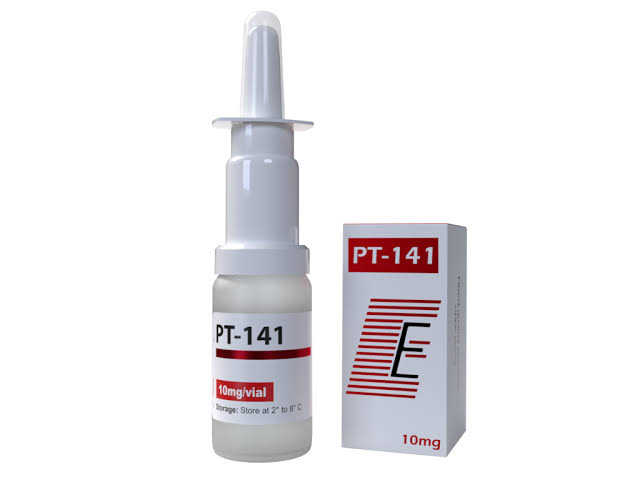
PT-141 10mg PT-141 10mg35,99 €
-
-
PT-141 Spray PT-141 Spray40,99 €
-
Black Week
Black Week deals before everyone else
Sign up for the newsletter and get access to the Black Week promotion before other customers.
By signing up you agree to receive the Pro-Body newsletter with news and promotions. You can unsubscribe at any time with one click in the e-mail. Privacy policy
Peptides - Endogenic line research reagents
The entire Pro-Body peptide range starts from this category. From here, paths lead to the thematic subcategories and to the categories for each form. A peptide is a short chain of amino acids. In this range, every one is a research reagent: a tool for studying signalling pathways. The Endogenic line reproduces molecules of endogenous origin or their direct derivatives, from regenerative fragments to hormone analogues. The descriptions stick to Research Use Only principles: they say what a molecule does in a cellular or animal model, not what it “will do” in a human.
Here we sort peptides by two criteria at once: mechanistic family and physical form. The family tells you which pathway a molecule modulates: regenerative, metabolic, nootropic or hormonal. The form tells you only the state in which the reagent reaches the laboratory: a lyophilisate in a vial, a solution in a PEN applicator, a solution in a nasal spray or a powder in a capsule. The same BPC-157 is available in a vial, in capsules and as a spray, so choosing the form is a logistical decision for the researcher.
Compound families in this category
The category covers several groups with distinct mechanisms. Each is studied in a different area of physiology, and some have counterparts with medicinal status.
Regenerative peptides
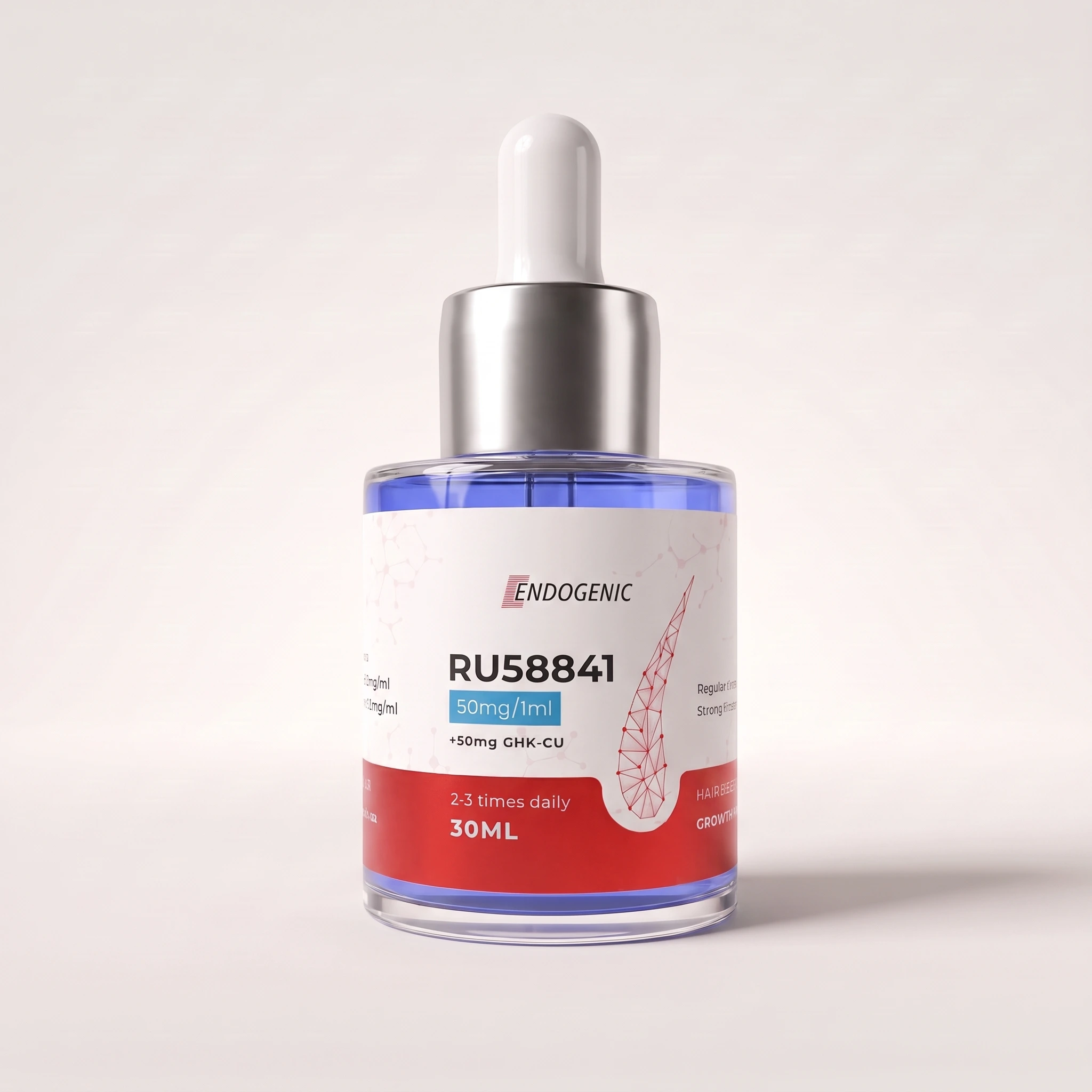
BPC-157, TB-500 (a thymosin β4 fragment) and the copper peptide GHK-Cu are fragments and tripeptides studied in tissue repair models. In the preclinical literature they appear in work on angiogenesis, fibroblast migration and extracellular matrix remodelling. You will find the full selection in the peptides for regeneration category.
Metabolic and incretin peptides
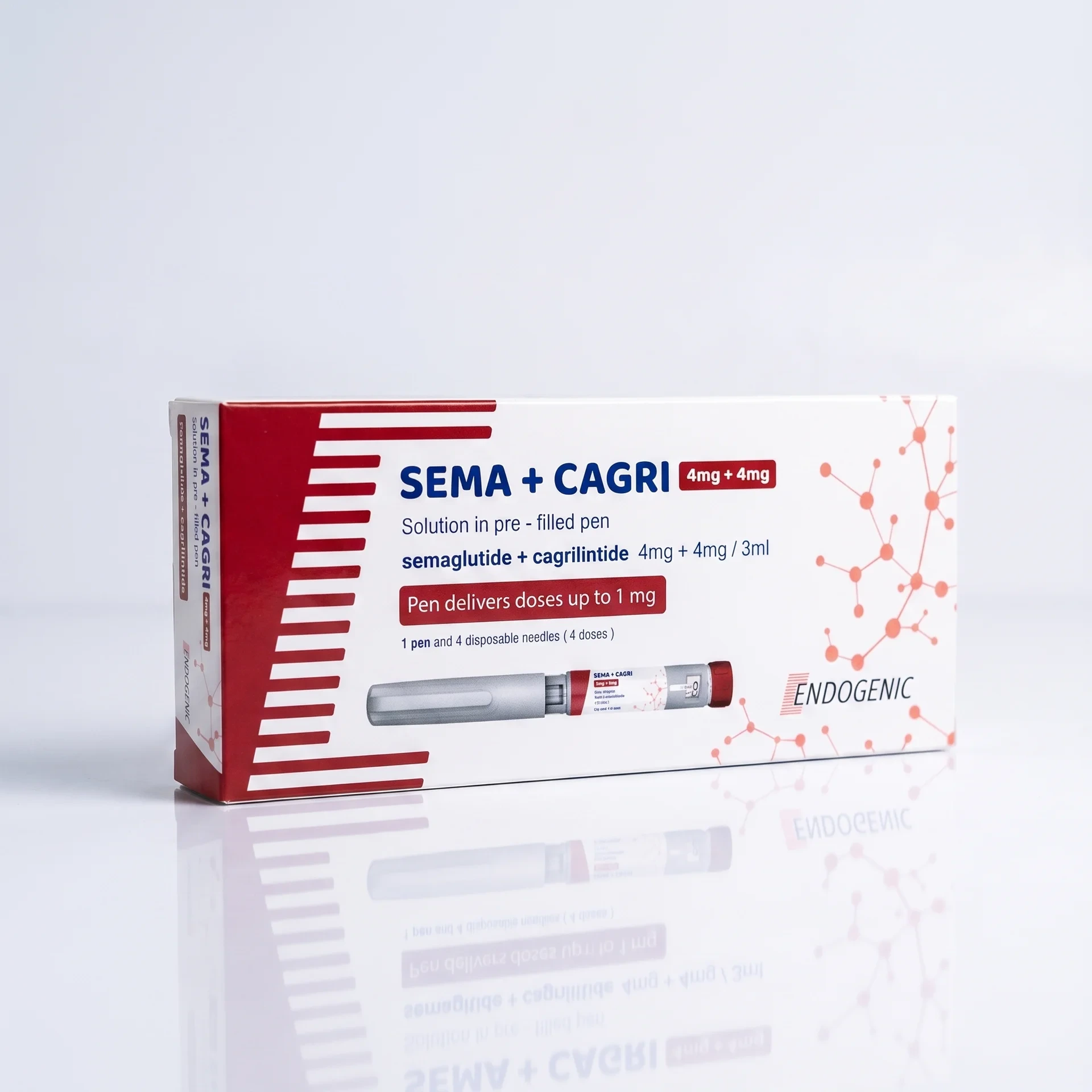
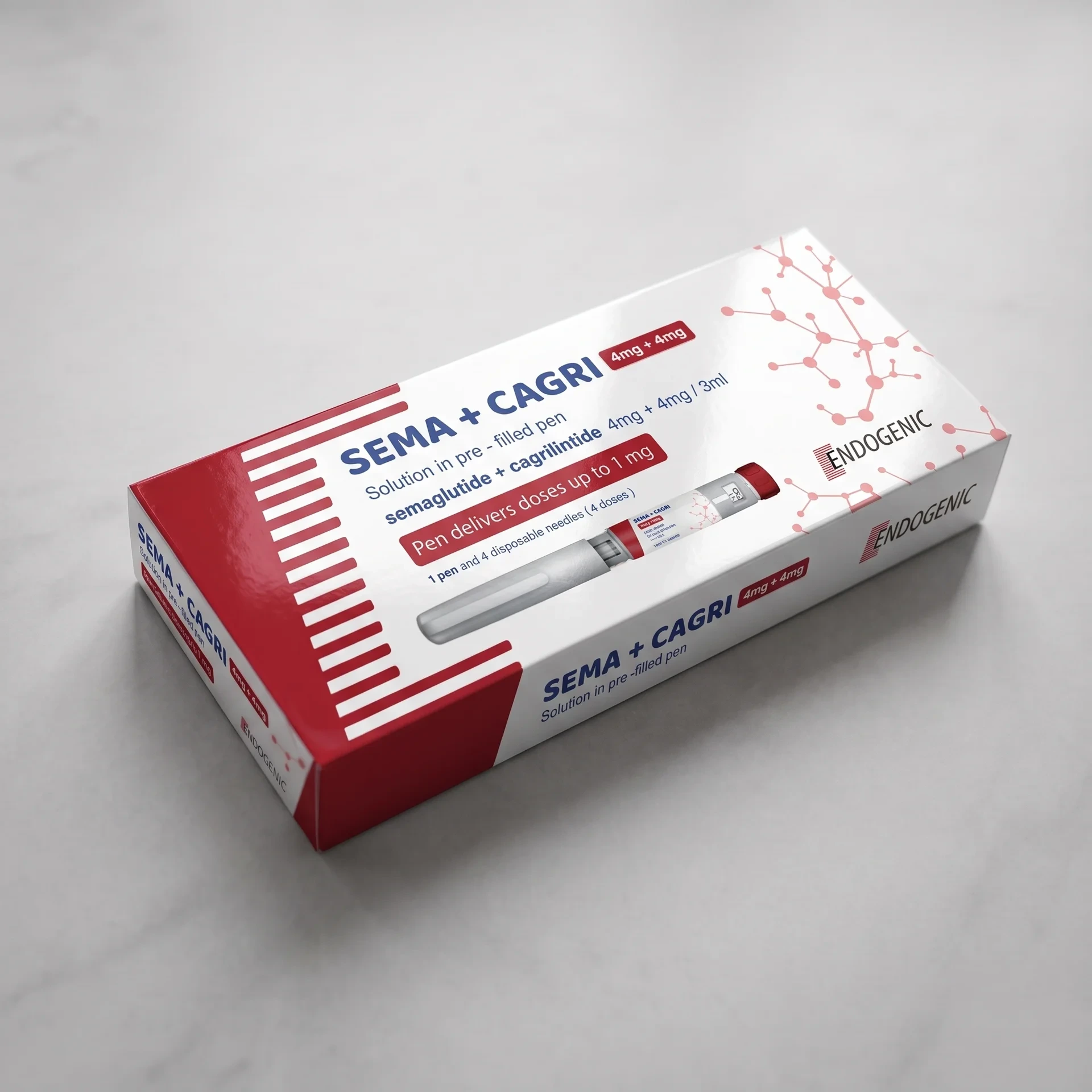
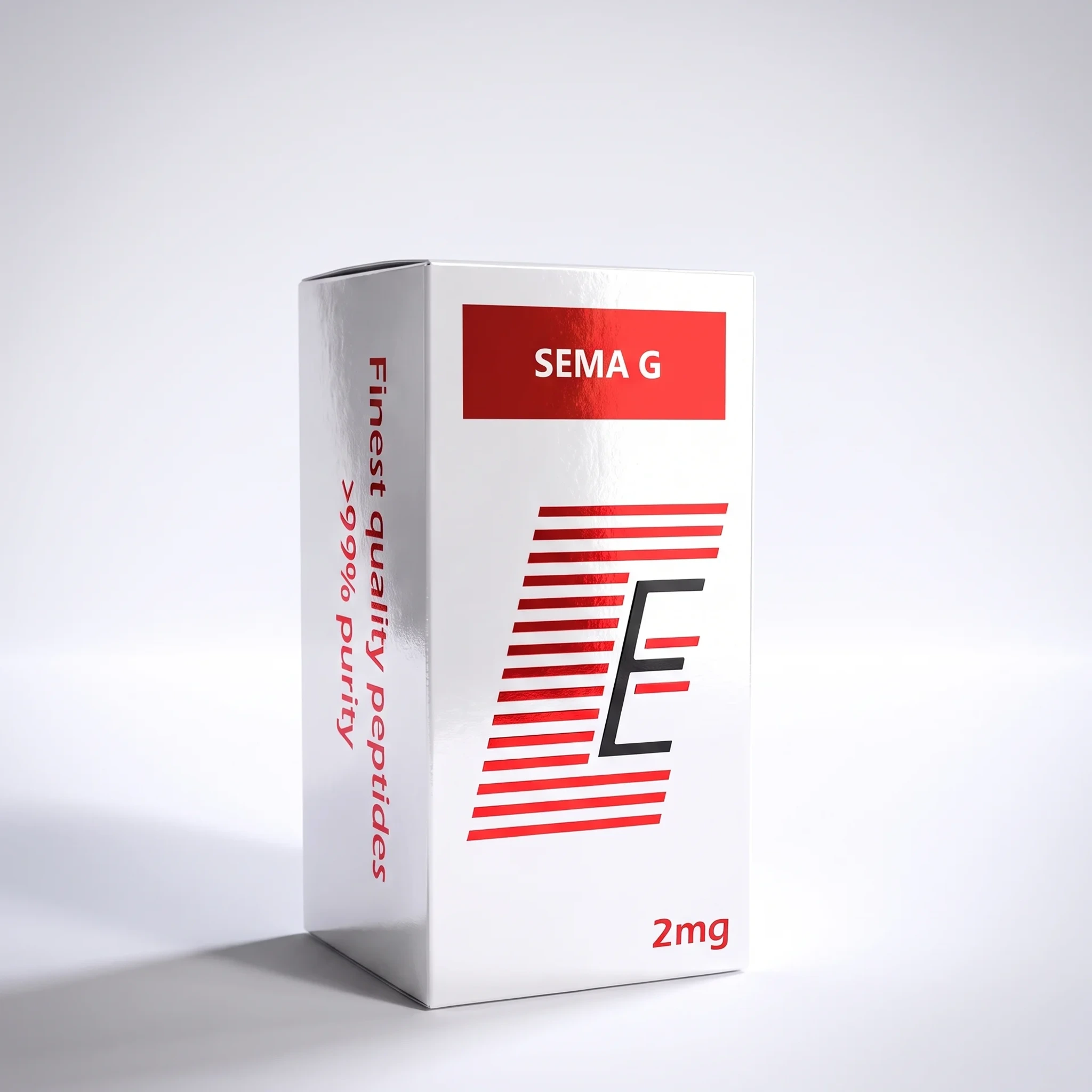
Analogues of the incretin hormones (GLP-1, GIP, glucagon and amylin) are studied in models of energy homeostasis and central appetite regulation. From a regulatory standpoint this is the most sensitive group, because its counterparts are authorised medicines. The metabolic reagents are collected in the fat-burning peptides category.
Nootropic peptides
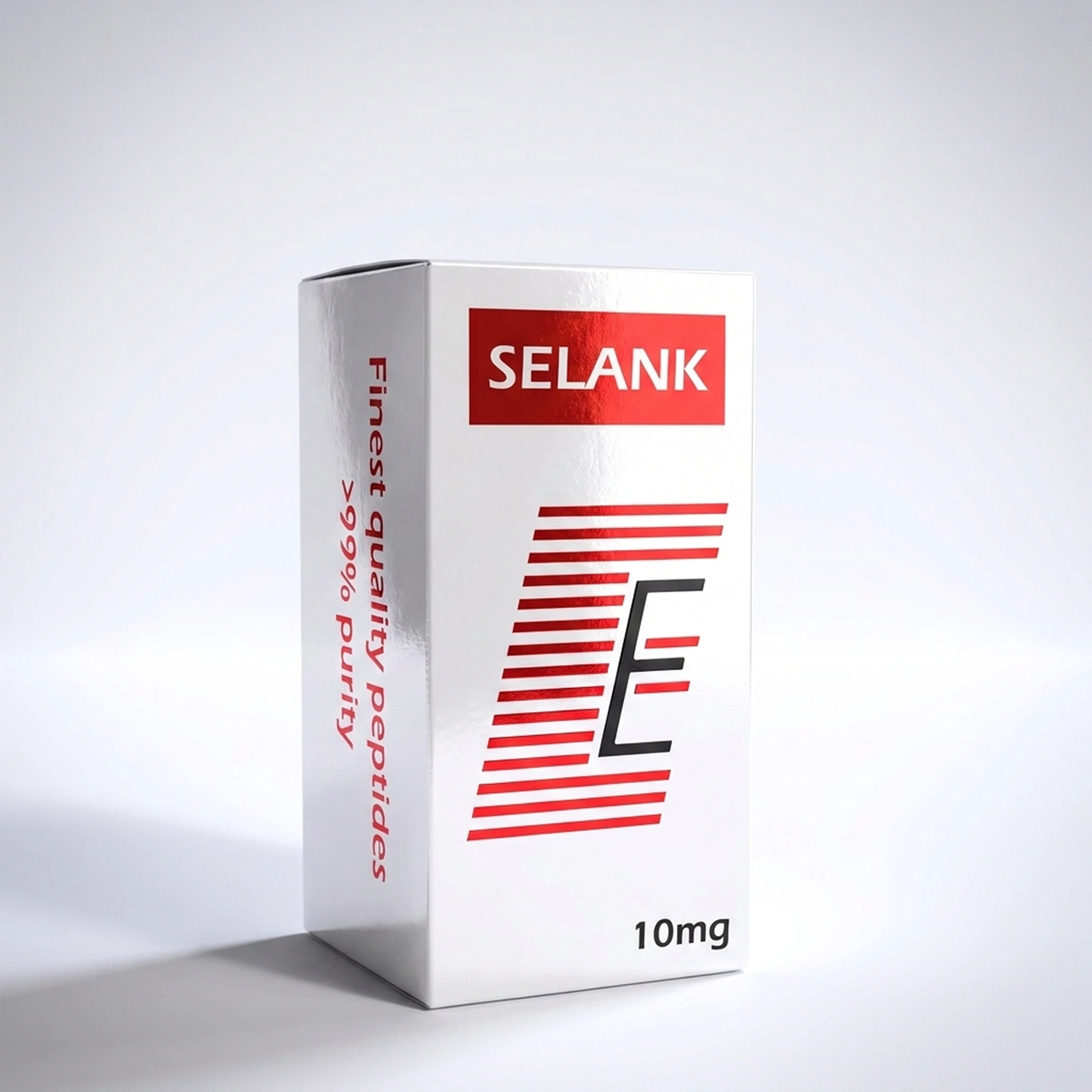
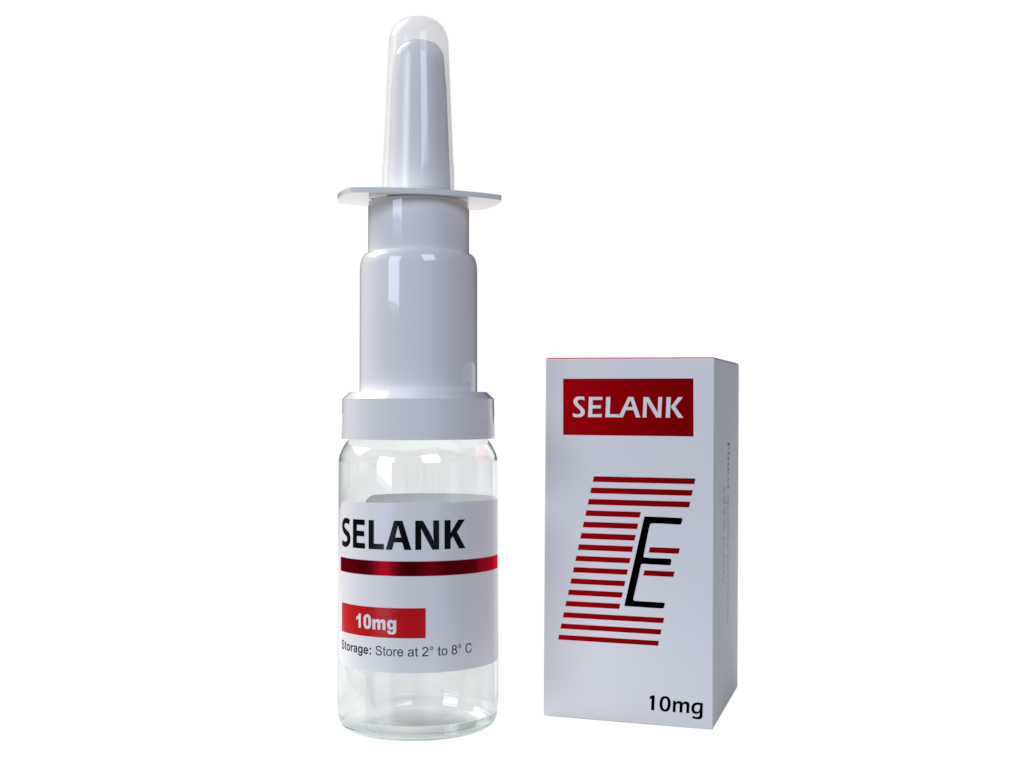
Semax and Selank (analogues of an ACTH fragment and of tuftsin), together with cortical bioregulators such as Cortagen, are short neuropeptides. They were designed to separate central activity from the hormonal action of the parent molecule. In rodent models, researchers study how they induce neurotrophins (BDNF/NGF) and what their anxiolytic profile looks like. They are collected in the peptides for brain function category.
The GH/IGF axis, immunomodulation, melanocortins and bioregulators
The remaining families are growth hormone secretagogues and IGF-1 analogues (the GH/IGF-1 axis, WADA S2). There are also immunomodulatory peptides, led by Thymosin α1, the counterpart of the medicine Zadaxin. On top of that come the melanocortins PT-141 and Melanotan 2, active at MC receptors, and the peptide bioregulators of the Khavinson school: short regulatory sequences assigned to individual tissues. In models, each of these groups acts through a different receptor and a different pathway.
Regulatory status
Some reagents in this category have counterparts authorised as medicines, and these are separate regulatory entities. The incretin analogues correspond to the medicines Ozempic®/Wegovy® (semaglutide) and Mounjaro®/Zepbound® (tirzepatide). Thymosin α1 has its counterpart in the medicine Zadaxin, PT-141 in Vyleesi, oxytocin in Syntocinon and recombinant somatropin in Genotropin. Pro-Body RUO reagents are not substitutes for these medicines and do not replace medical consultation. WADA status varies: BPC-157 is listed in section S0 (non-approved substances), while GH/IGF-1 axis peptides and related peptide hormones fall under section S2. Athletes registered in the ADAMS system must check the current list before any decision, because the status of individual molecules can differ.
Applications in scientific research
Peptides from this category serve as reagents in work on receptor signalling and tissue physiology. Working concentrations and the route of administration are set by the researcher according to the methodology of their protocol, so the category gives no doses or schedules. The main research directions:
- Receptor pharmacology: affinity and functional selectivity at incretin, melanocortin and GHS-R receptors and at neurotrophic factor receptors in recombinant expression systems
- Tissue regeneration models: angiogenesis, fibroblast migration and extracellular matrix remodelling in cell cultures and animal models
- Neuropharmacology of regulatory peptides: BDNF/NGF expression, nose-to-brain transport, behavioural profile in rodent models
- Metabolism and the hormonal axis: glucose homeostasis, GH/IGF-1 axis signalling, central appetite regulation
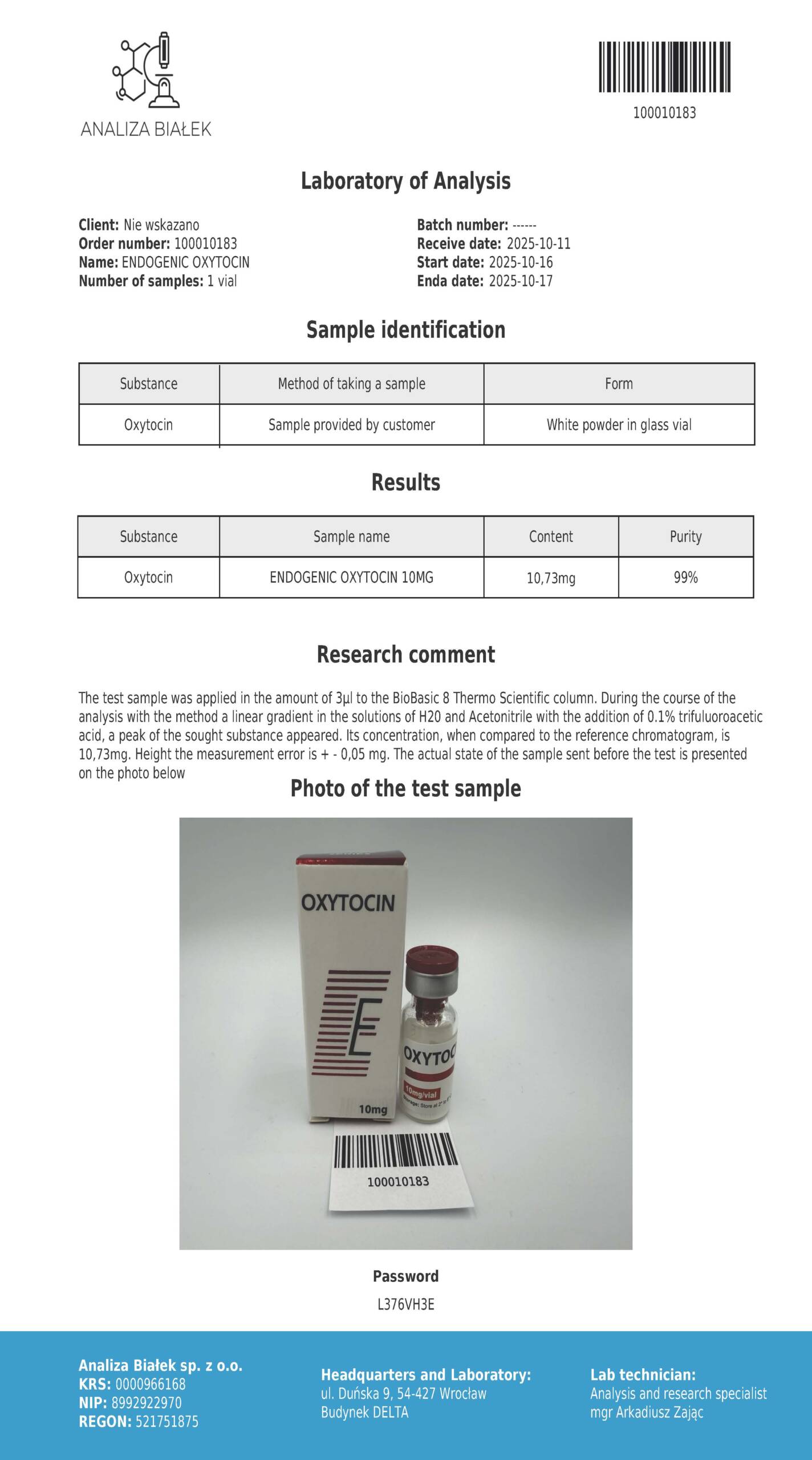
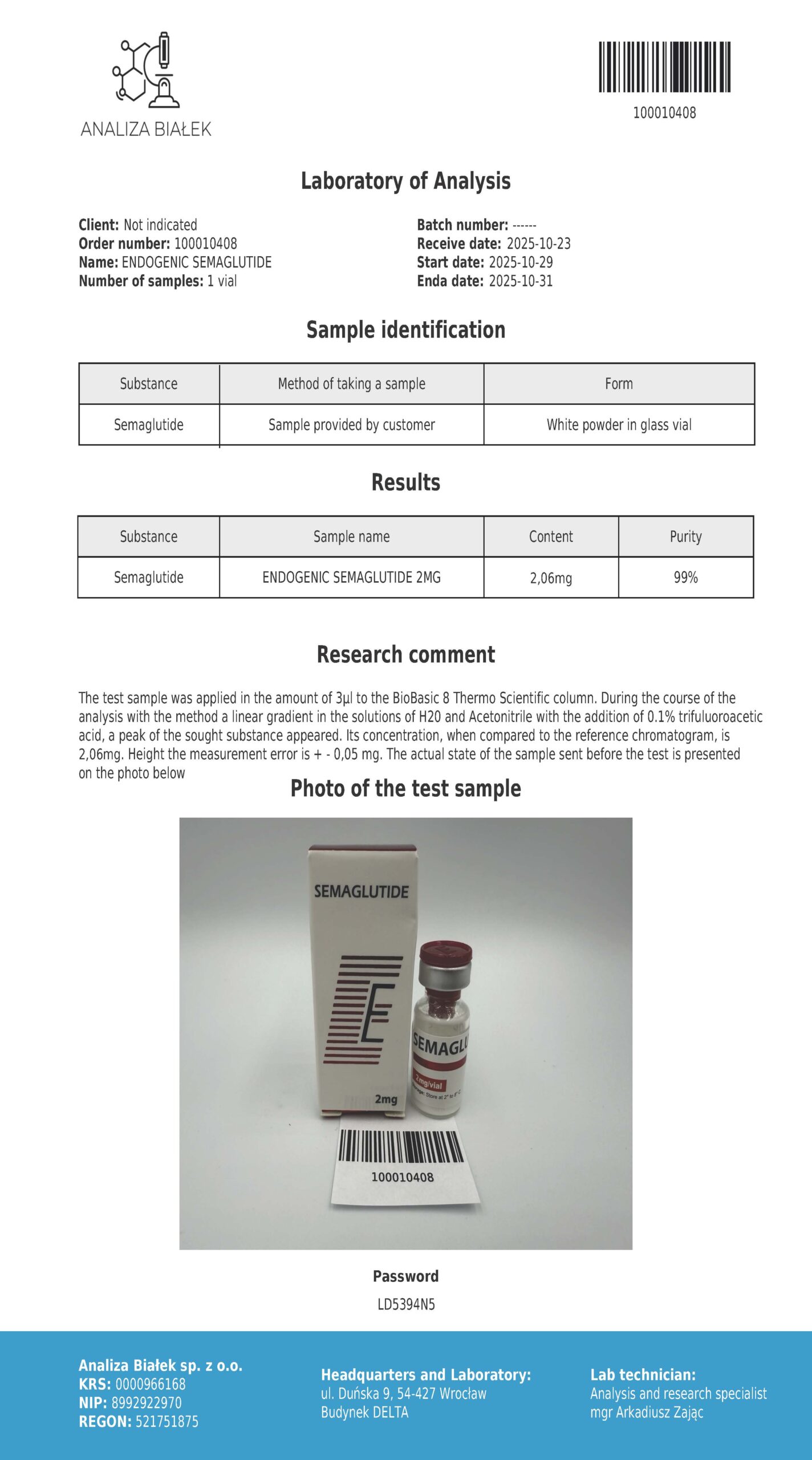
- Identity and purity characterisation: confirming sequence and mass by MS and determining HPLC purity in the batch COA
Scientific perspective
The observations attributed to these peptides come from cellular and animal models and, for some incretins and hormones, also from clinical trials of their medicinal counterparts. Terms such as “regenerative activity” or “nootropic profile” refer here to a result in a research model, not a guaranteed effect in a person using the reagent. Extrapolating data between molecules of the same family calls for caution, and extrapolating from an authorised medicine to a research reagent calls for particular caution, because they differ in formulation, purity and validation status.
Important distinction
Membership of this category describes a reagent’s mechanistic family and form. It says nothing about efficacy. Consumer slogans such as “a peptide for weight loss”, “a recovery shot” or “a memory spray without a prescription” are contrary to RUO principles.
Forms available in this category
The same peptide can reach the laboratory in several forms, which differ in how much preparation they need before work begins. The researcher chooses the form according to the requirements of the protocol:
- Vial with lyophilisate: a dry form for the researcher to reconstitute. The researcher selects the solvent and working concentration, and this form offers the longest storage stability
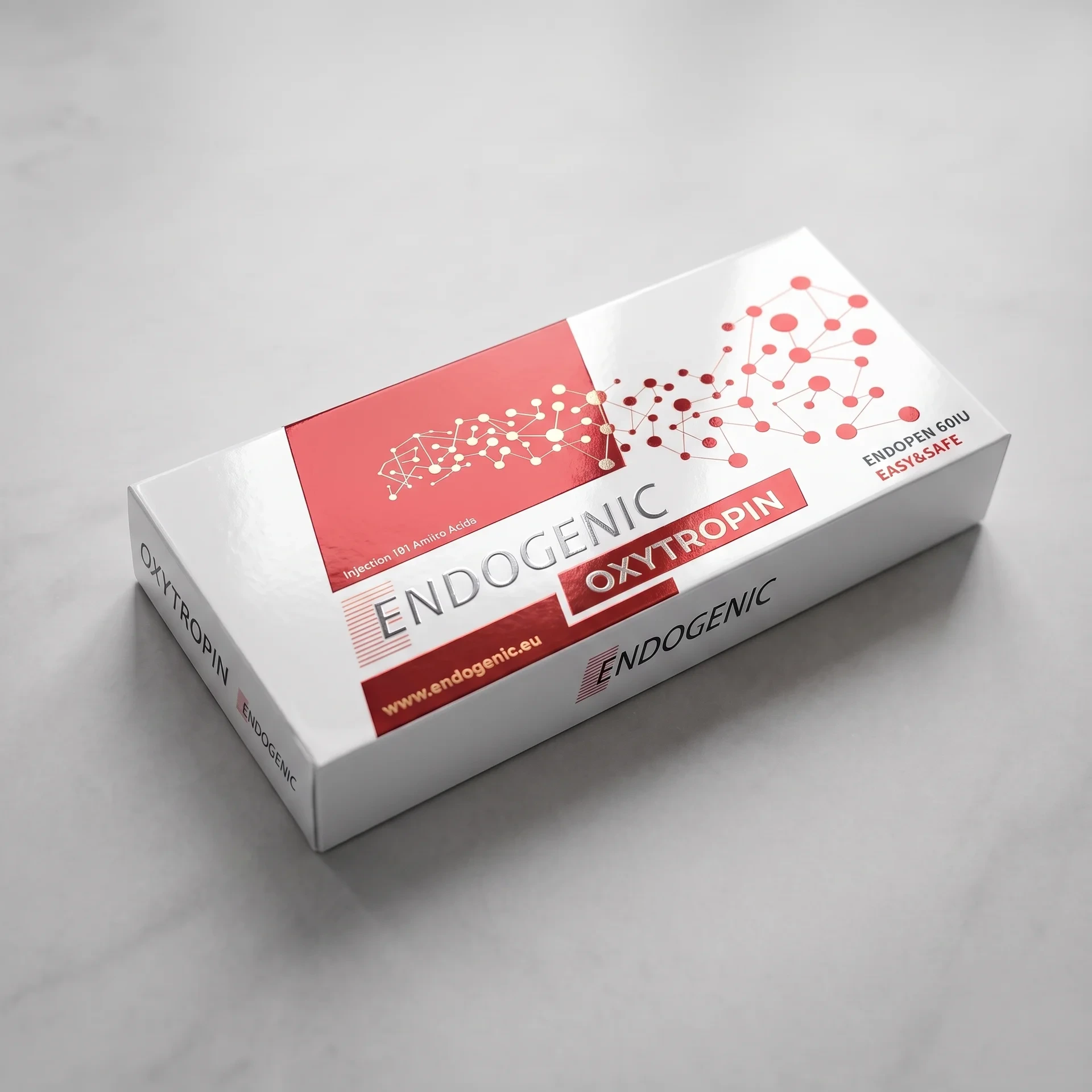
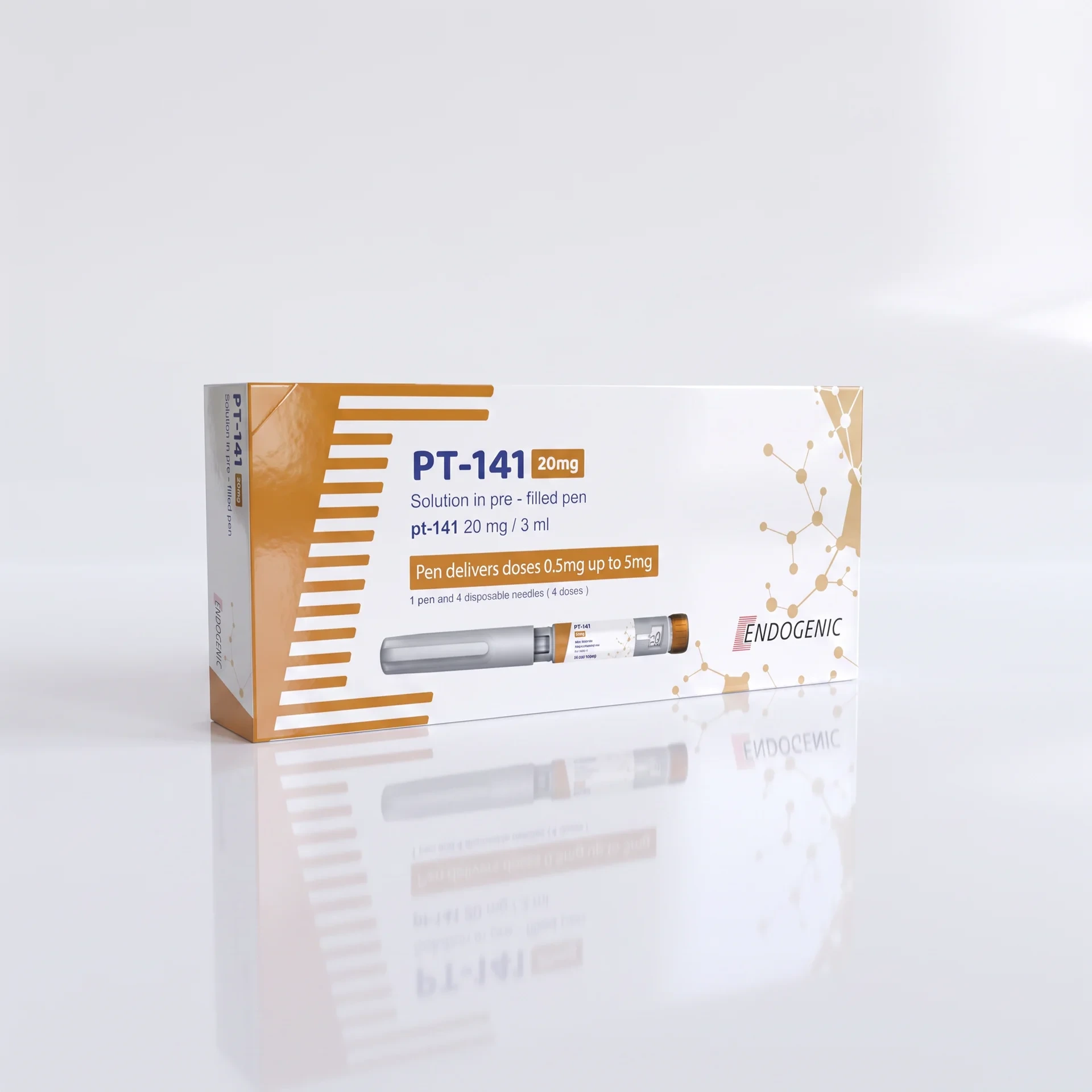
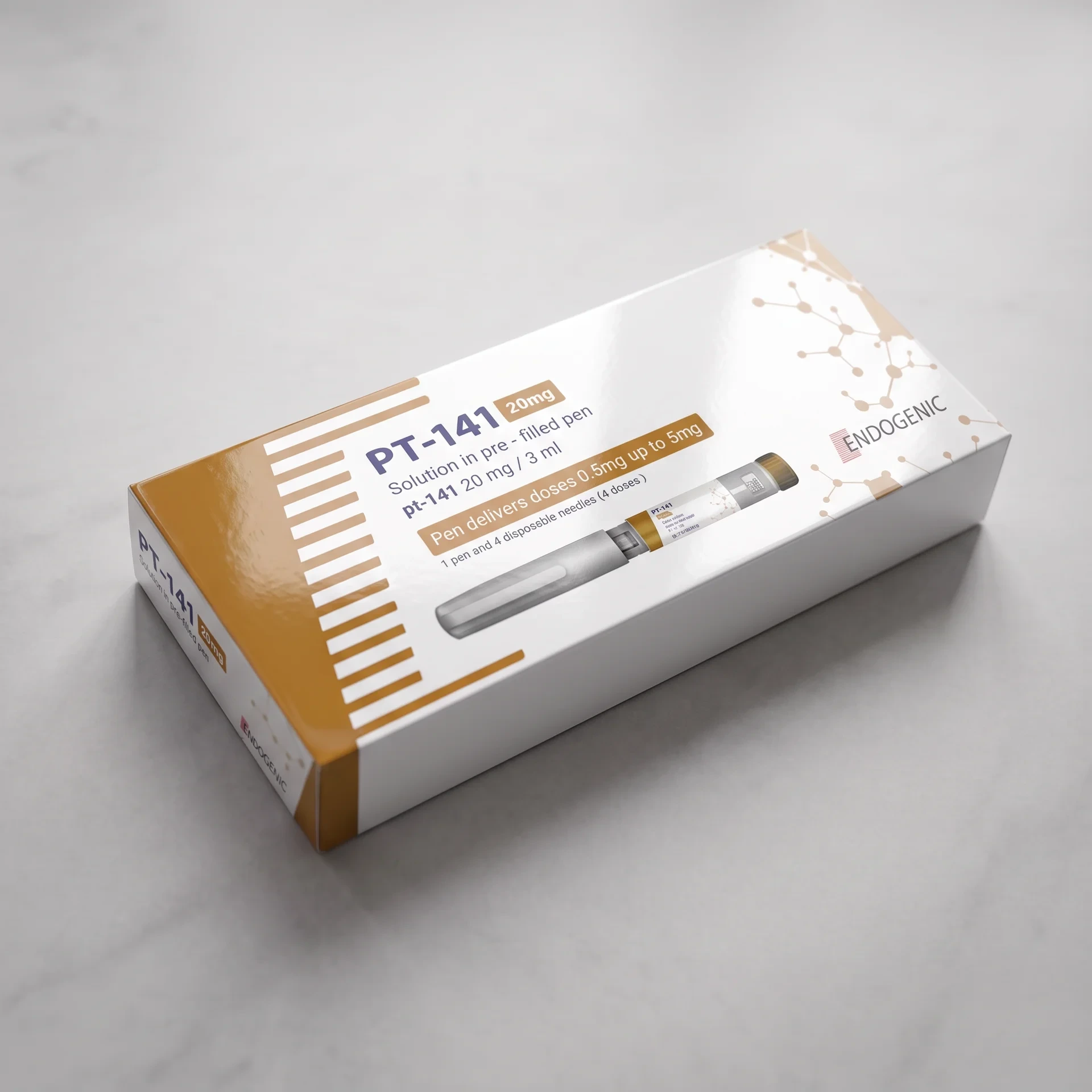
- PEN (multi-dose applicator): a factory-prepared solution in an applicator calibrated for a series of repeatable withdrawals. These are collected in the peptide pens category
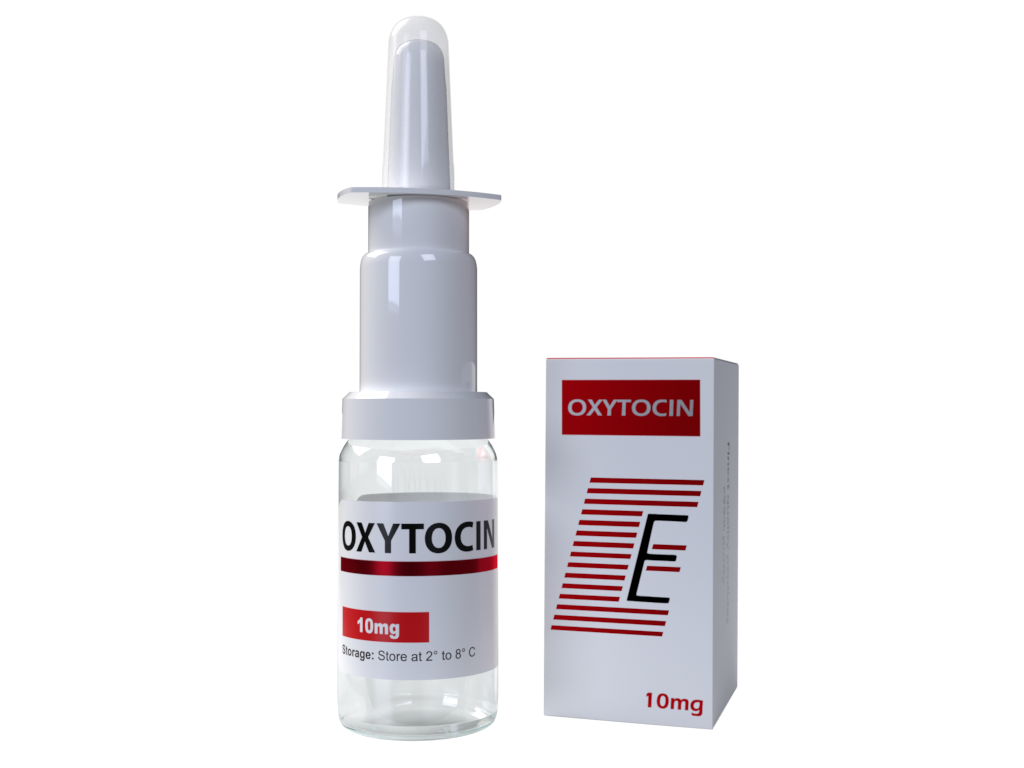
- Nasal spray: a solution for intranasal application, either ready-made or prepared from a kit. These are collected in the nasal spray peptides category
- Capsules: an oral form in which the peptide content, measured in micrograms or milligrams, is small compared with the mass of the capsule filler
Frequently asked questions (FAQ)
What is this category: a single reagent or a collection?
A collection. It is the parent category that divides the whole peptide range into thematic subcategories (regeneration, metabolism, brain function) and forms (vial, PEN, nasal spray, capsules). It organises the catalogue so that a researcher can reach the right family and form.
Does the form of a reagent say anything about the purpose of a study?
No. The form is a logistical decision, since the same compound is often available as a lyophilisate, a solution in a pen and a nasal spray. The research direction is set by the molecule’s mechanistic family and the researcher’s protocol.
Which peptides have counterparts among medicines?
Mainly the incretin analogues (Ozempic®/Wegovy®, Mounjaro®/Zepbound®), Thymosin α1 (Zadaxin), PT-141 (Vyleesi), oxytocin (Syntocinon) and recombinant somatropin (Genotropin). A research reagent and an authorised medicine are separate regulatory entities, so RUO material is not a substitute for a medicine.
How can the identity of an ordered peptide be confirmed?
Only through the sequence and mass given in the batch certificate of analysis (COA). With multi-receptor analogues, the trade name alone does not settle the structure. Identity is decided by mass spectrometry confirmation and the HPLC result, and a COA is available for every Pro-Body batch.