


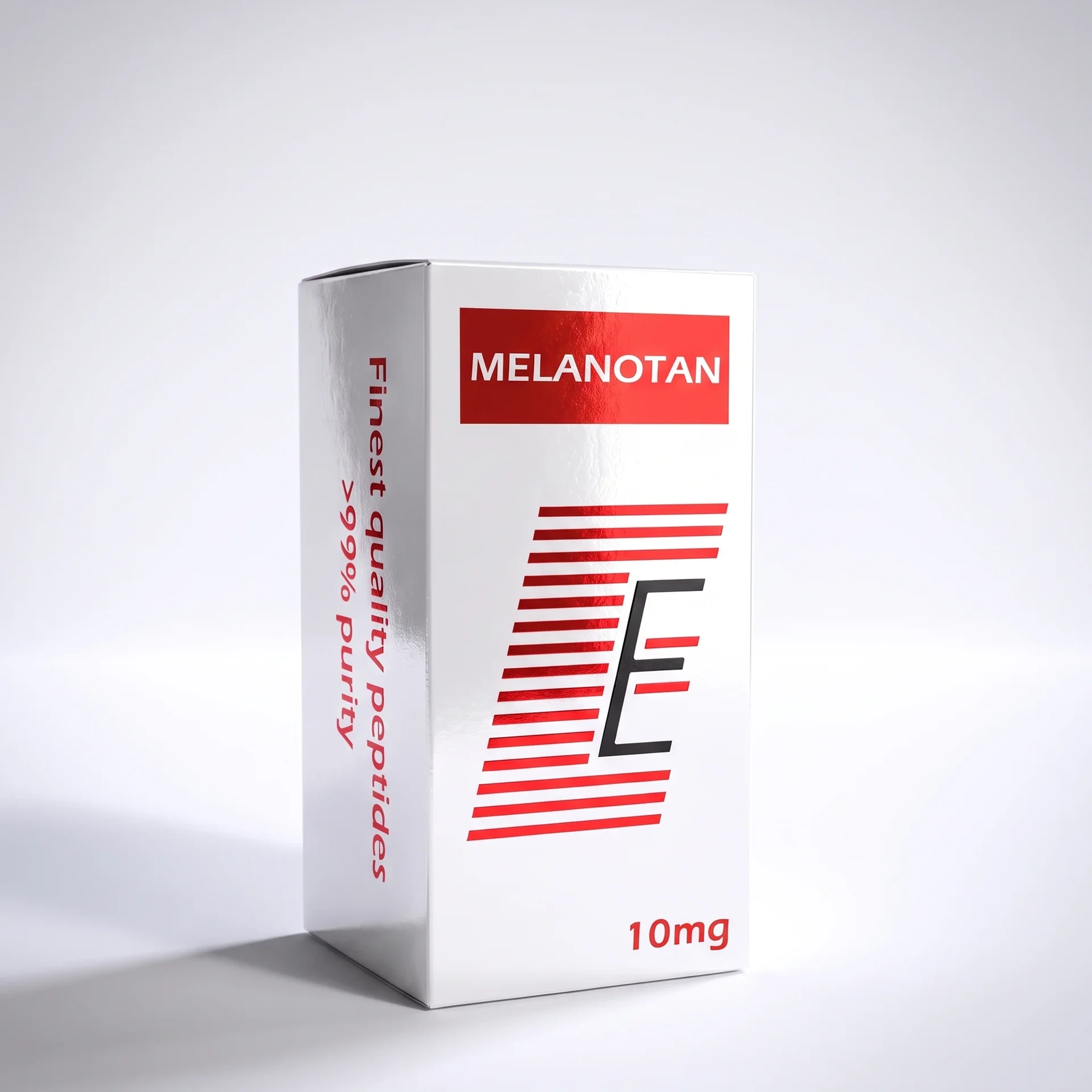

Vials
Other categories
63 products
-
'/%3E%3C/svg%3E)
-
MIF-1 50mg MIF-1 50mg118,99 €
-
-
-
'/%3E%3C/svg%3E)
-
-
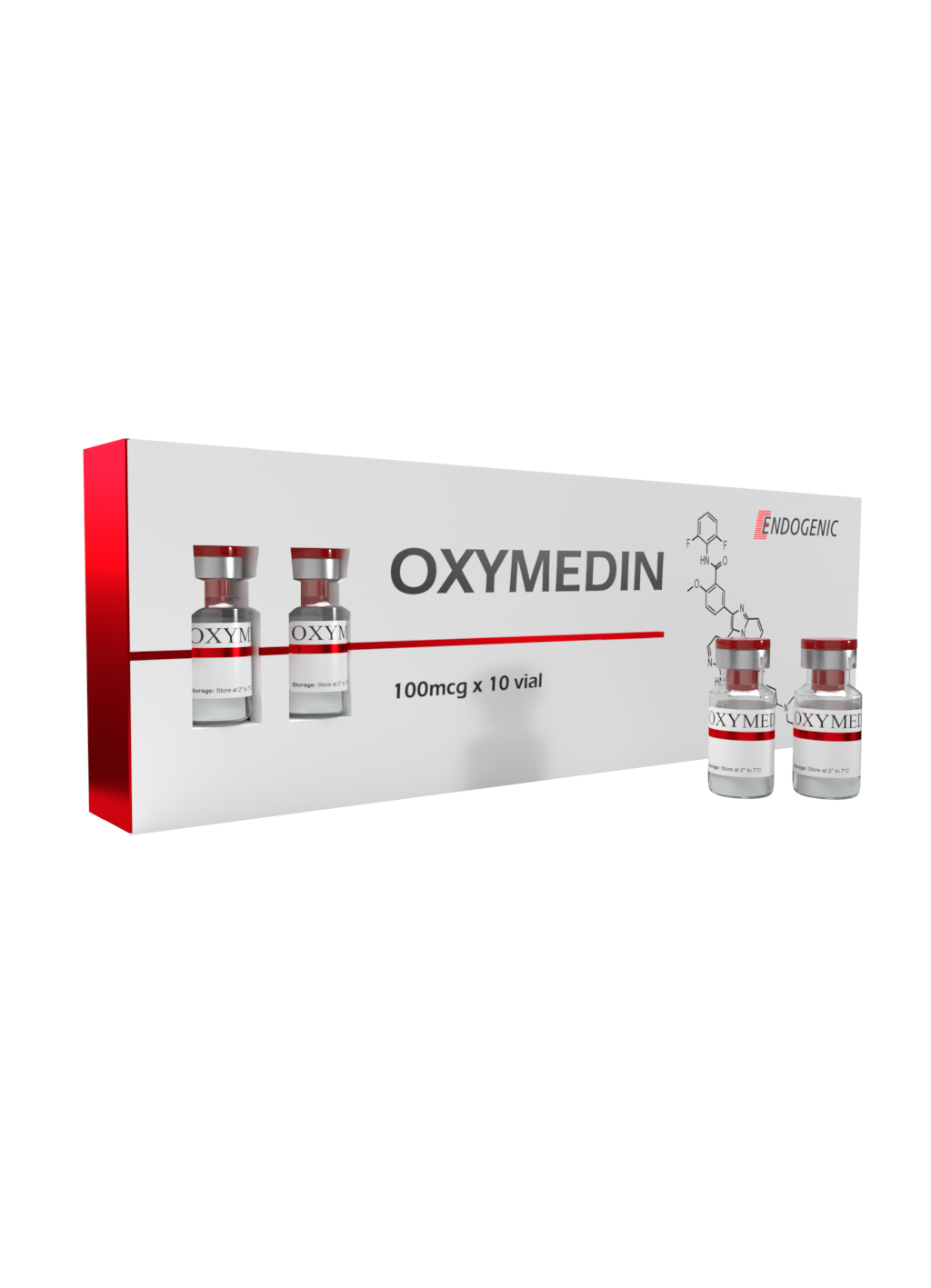
'/%3E%3C/svg%3E) Oxymedin Oxymedin285,99 €
-
-
'/%3E%3C/svg%3E)
-
'/%3E%3C/svg%3E)
-
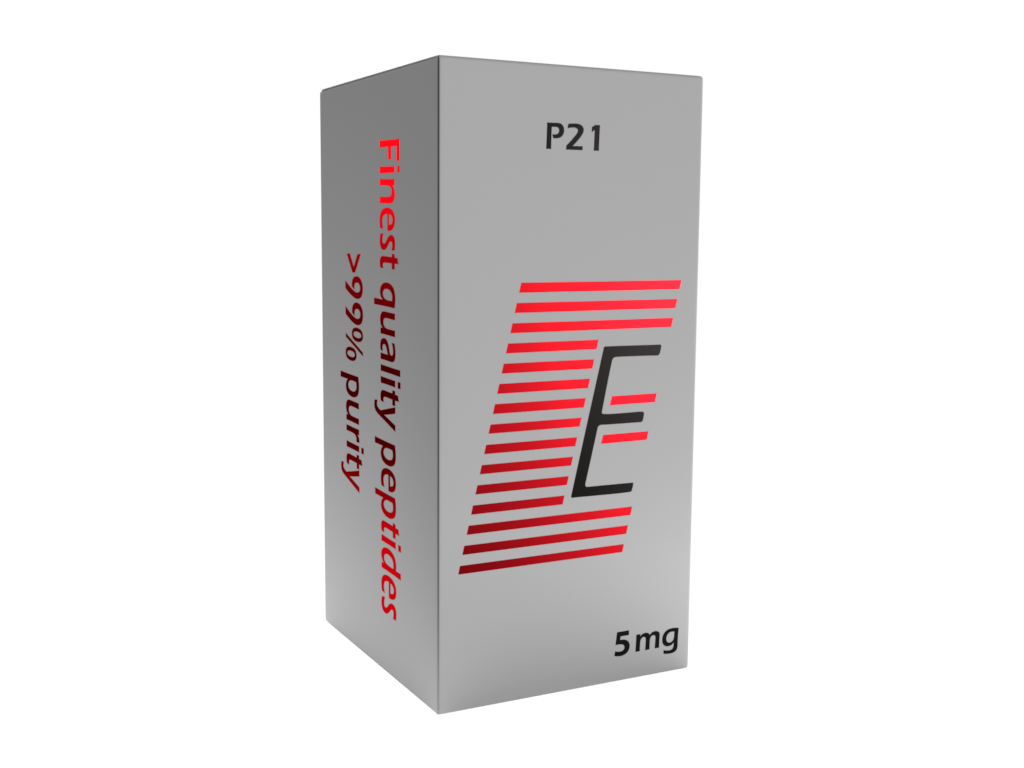
P21 5mg P21 5mg42,99 €
-
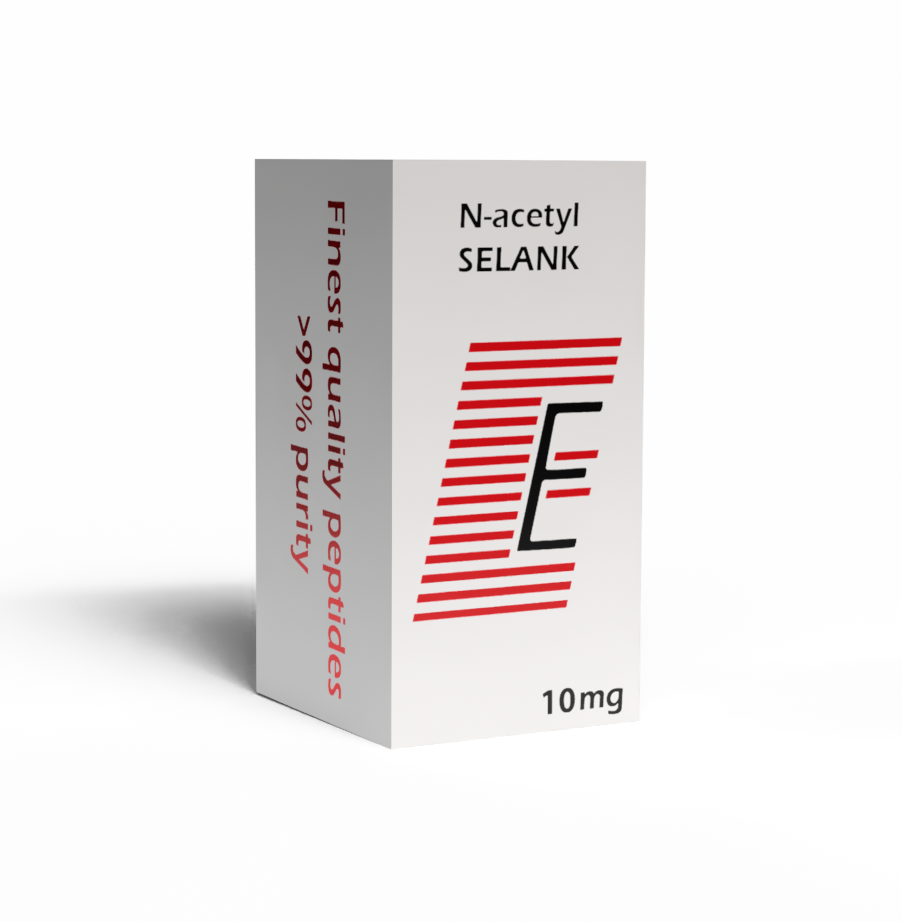
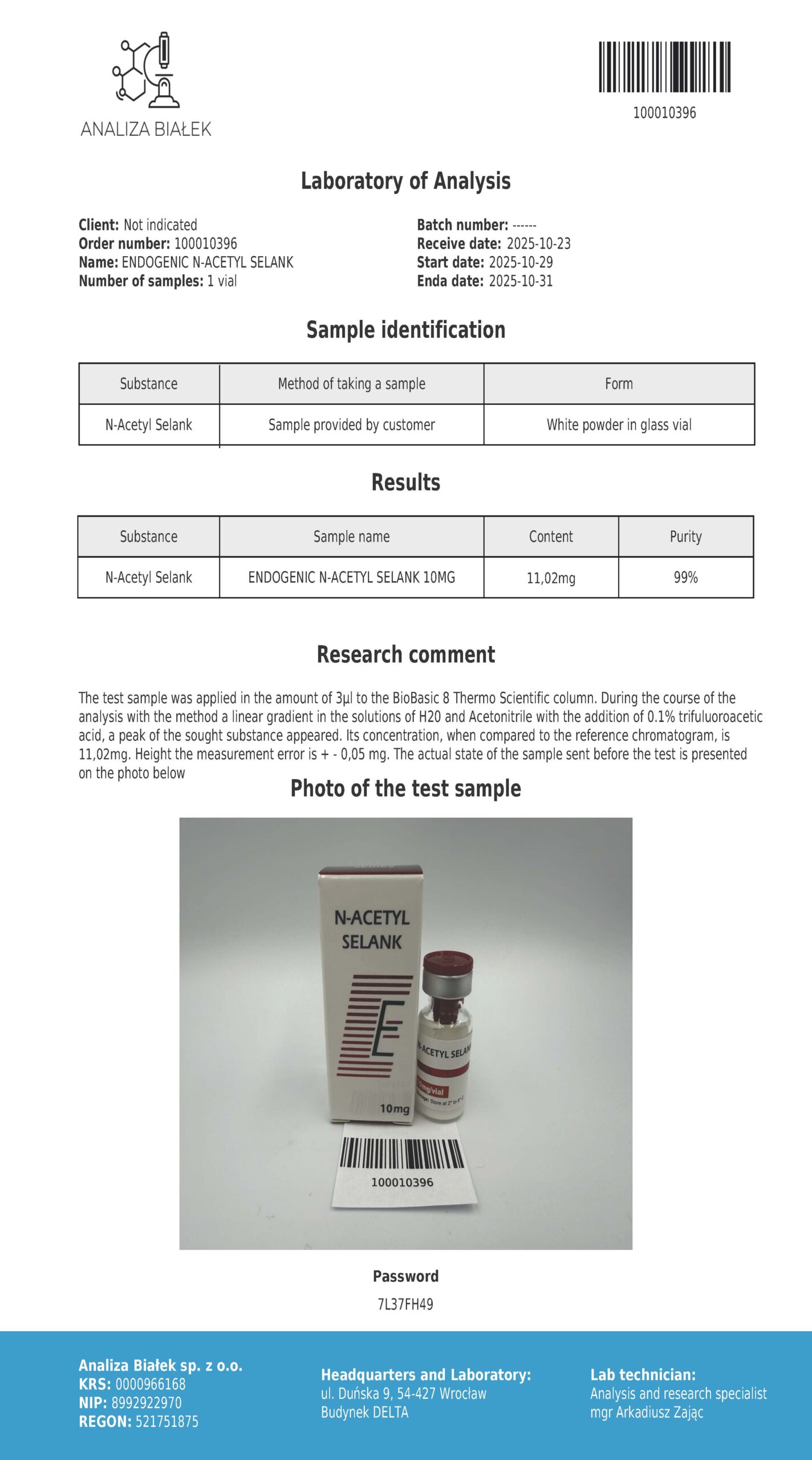
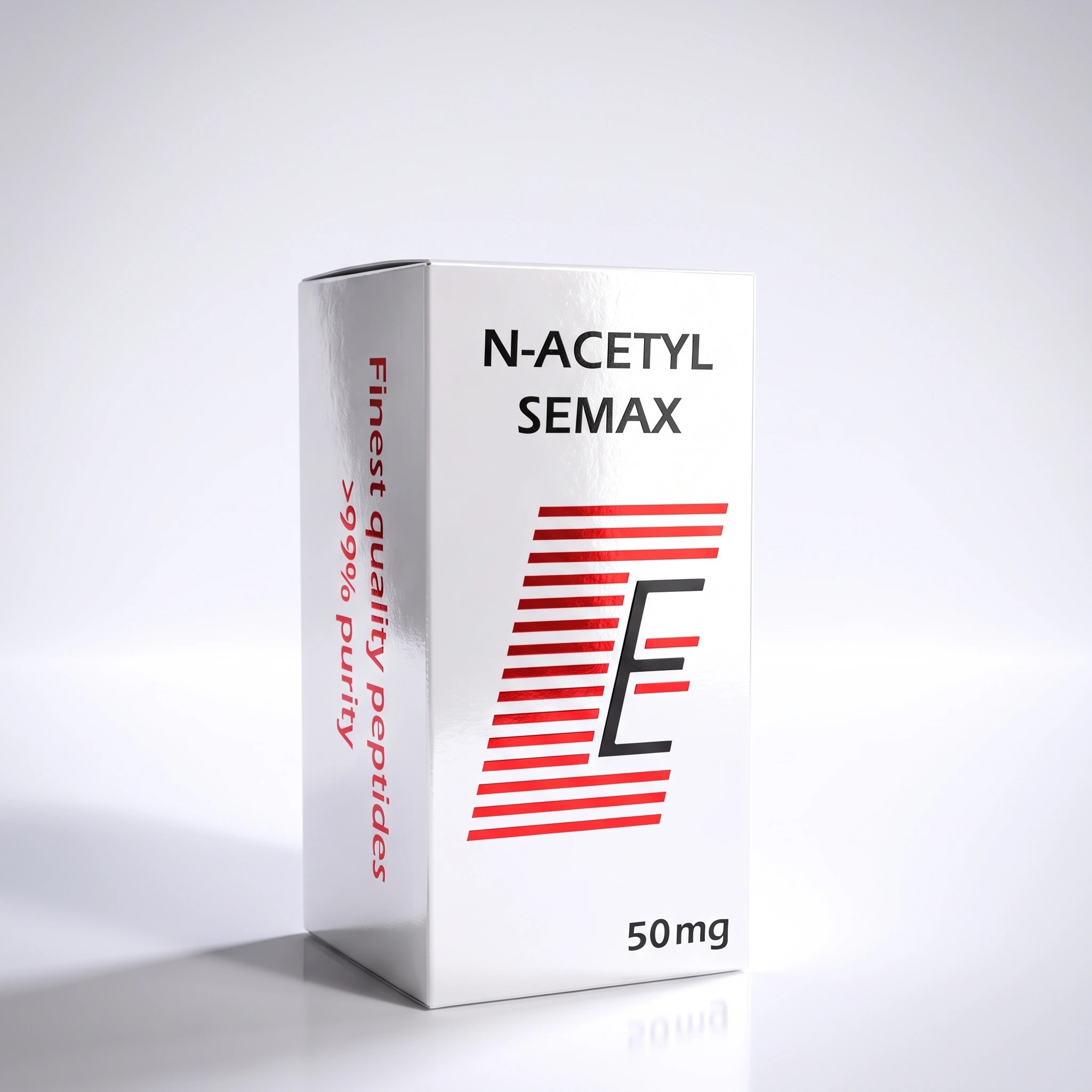
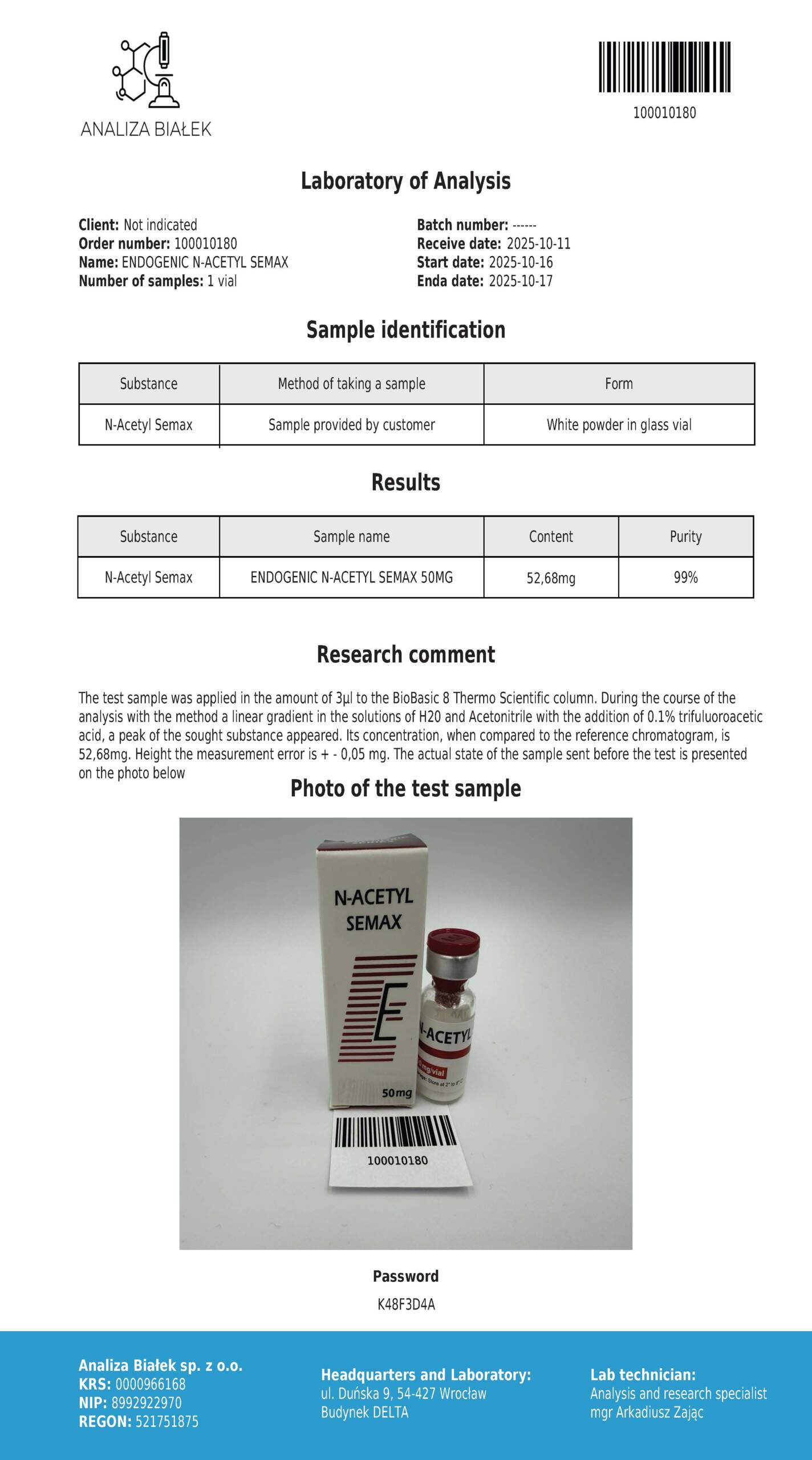
Black Week
Black Week deals before everyone else
Sign up for the newsletter and get access to the Black Week promotion before other customers.
By signing up you agree to receive the Pro-Body newsletter with news and promotions. You can unsubscribe at any time with one click in the e-mail. Privacy policy
Peptides in vials - reagents for reconstitution
Reagents in this category reach the laboratory as a lyophilisate in a vial: a dry powder that must be reconstituted before use. The researcher dissolves it in a solvent, usually bacteriostatic water. The resulting working solution is used in protocols for injection-based applications in cellular and animal models. The “injections” label therefore describes the reagent’s target physical state: a clear solution prepared on site.
Lyophilisate is the default form for most peptides, so this form covers almost the entire peptide catalogue, from regenerative fragments through incretin analogues to GH axis secretagogues. The form does not determine the research direction. BPC-157 and semaglutide alike reach the laboratory as a lyophilisate, and the research question is decided by the molecule’s family and the protocol. The dry form has one key advantage: the longest storage stability, because the absence of water slows hydrolysis and degradation processes.
What you will find in this category
The category brings together three things: the reagent as a lyophilisate, the solvent needed to prepare it and, as an alternative, a form already dissolved at the factory.
The starting form of most peptides
The parent peptides category gives a full overview of the families: regenerative, metabolic, nootropic and hormonal. From there, the researcher can move on to a specific compound.
Solvent for reconstitution
To prepare a working solution from the lyophilisate, the researcher needs a solvent of controlled quality. The standard is bacteriostatic water: water for reconstitution with a preservative system, which allows the solution to be drawn from a multi-dose vial repeatedly.
The alternative: a factory-prepared solution
When a protocol values ready-to-use convenience over freedom to choose concentrations, the alternative to the lyophilisate is a factory-prepared solution in an applicator. This form is collected in the peptide pens category.
Regulatory status
This form also includes reagents whose counterparts are authorised medicines, among them the incretin analogues (counterparts of Ozempic®/Wegovy® and Mounjaro®/Zepbound®) and recombinant somatropin (Genotropin). A reagent and a medicine are separate regulatory entities: Pro-Body RUO reagents are not substitutes for these medicines and do not replace medical consultation. WADA status depends on the specific compound. Regenerative fragments may fall under section S0 (non-approved substances), and GH/IGF-1 axis peptides and peptide hormones under section S2. An athlete registered in the ADAMS system must check the current list for the molecule in question before making any decision.
Applications in scientific research
A working solution prepared from the lyophilisate serves as a reagent in in vitro and in vivo models. The concentration and route of administration are set by the protocol methodology. The category gives no doses or schedules. Main applications:
- In vivo rodent models: protocols that require a precisely measured working solution of defined concentration and purity
- Cell cultures: adding the reagent to the medium in dilution series and assessing the concentration-dependent response
- Pharmacokinetics and solution stability: comparing the molecule’s stability in the aqueous phase and in the lyophilisate, monitoring degradation by HPLC
- Reconstitution optimisation: choosing the solvent, concentration and storage conditions of the working solution so that the experiment is reproducible
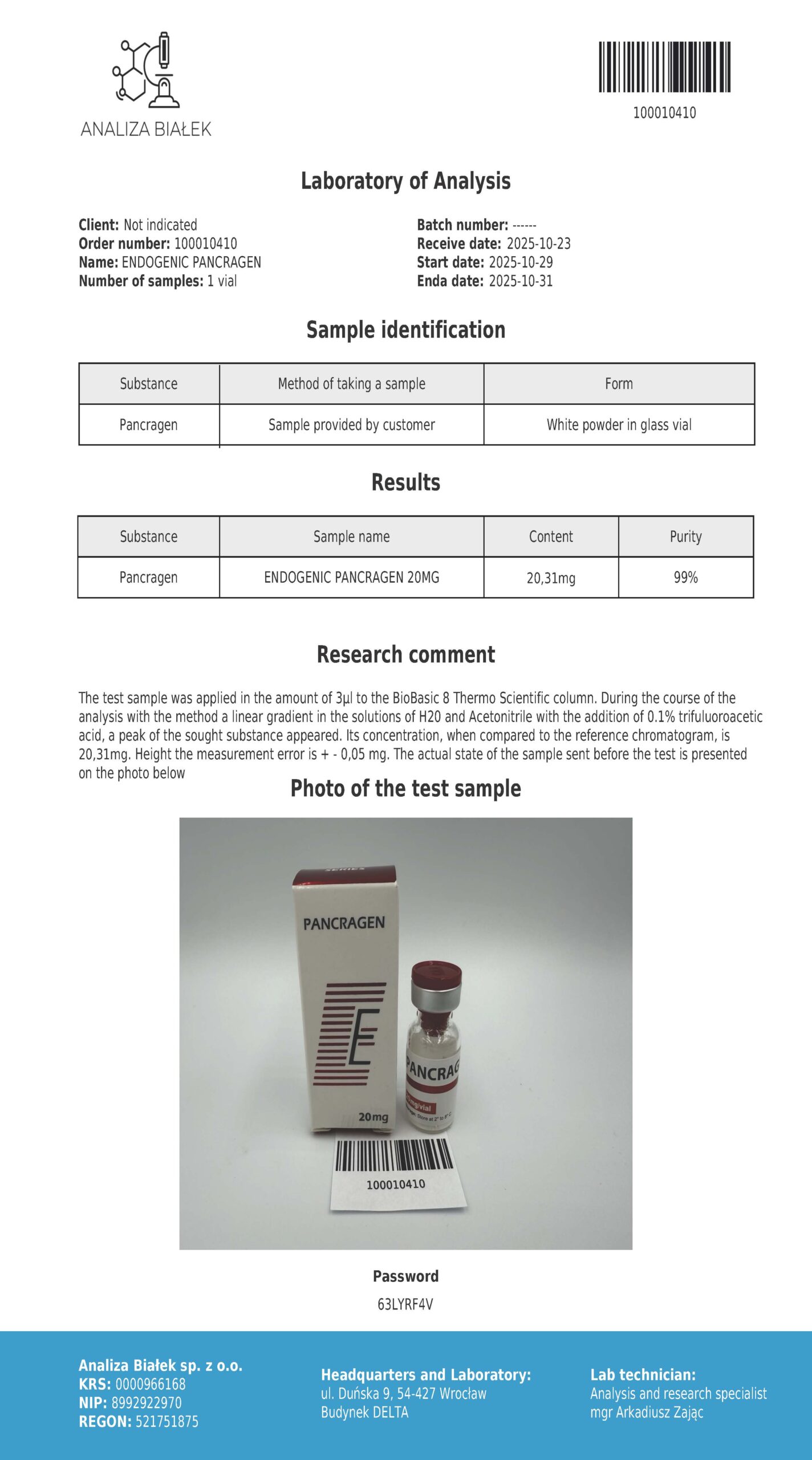
- Identity and purity characterisation: confirming sequence and mass by MS and determining HPLC purity in the batch COA before the solution is prepared
Scientific perspective
The quality of a working solution starts with the quality of the lyophilisate and the solvent. A peptide in the aqueous phase is less stable than the dry form and degrades faster. That is why the solution is usually prepared immediately before use and, if stored for longer, monitored by HPLC. The way the solvent is introduced also affects the integrity of the molecule, and the reproducibility of results depends on that integrity.
Important distinction
The term “injections” is not an instruction for administration to humans. The category does not and cannot contain guidance on injecting humans, because such messaging contradicts RUO principles. The identity of the ordered material is decided by the sequence and mass confirmed in the batch COA, not by the trade name on the vial.
Working with this form
Reconstituting a lyophilisate is a standard laboratory procedure, and it usually runs as follows:
- Choosing the solvent: the researcher selects the solvent (usually bacteriostatic water) and a volume suited to the planned working concentration
- Adding the solvent down the wall: the solvent is introduced slowly, with the stream directed at the vial wall rather than straight onto the lyophilisate cake
- No shaking: the vial is gently swirled until fully dissolved. Shaking creates shear forces and foam, which can damage the peptide
- Checking the solution: the working solution should be clear. Cloudiness or sediment is a signal to verify it
- Storage: the prepared solution is kept in a refrigerator (2–8 °C) and used up sooner than the lyophilisate. Identity and the declared concentration are given in the batch COA
Frequently asked questions (FAQ)
What does “injectable form” mean in a category of RUO reagents?
The target form: a working solution that the researcher prepares from the lyophilisate for injection-based applications in laboratory models. The description concerns the reagent’s physical state and how it is prepared. It is not an instruction for administration in humans, nor a suggestion of such use.
What should the lyophilisate be reconstituted with?
The standard is bacteriostatic water, because its preservative system allows repeated withdrawals from a single vial. The solvent volume and target working concentration are chosen by the researcher in line with the protocol.
Why must the vial not be shaken?
Vigorous shaking generates shear forces and foam, which can denature sensitive peptides and lower the purity of the working solution. That is why the solvent is run down the vial wall and the vial is gently swirled until the contents dissolve.
Is every peptide in the catalogue available in this form?
Almost every one. Lyophilisate is the default form for most peptides, so the injectable form covers nearly the whole catalogue. Some compounds are also available as a factory-prepared solution in a pen or as a nasal spray.