



Brain
Black Week
20% off everything with code BLACK
Click and the code is added to your cart.
Until Monday 30 Nov, 23:59 (Polish time).
Black Friday
20% off everything with code BLACK
Click and the code is added to your cart.
Until Monday 30 Nov, 23:59 (Polish time).
Last day
20% off everything with code BLACK
The code works until 23:59 today (Polish time).
Other categories
42 products
-
'/%3E%3C/svg%3E)
-
-
'/%3E%3C/svg%3E) MIF-1 50mg MIF-1 50mg118,99 €
-
-
-
-
'/%3E%3C/svg%3E)
-
'/%3E%3C/svg%3E)
-
'/%3E%3C/svg%3E)
-
-
-

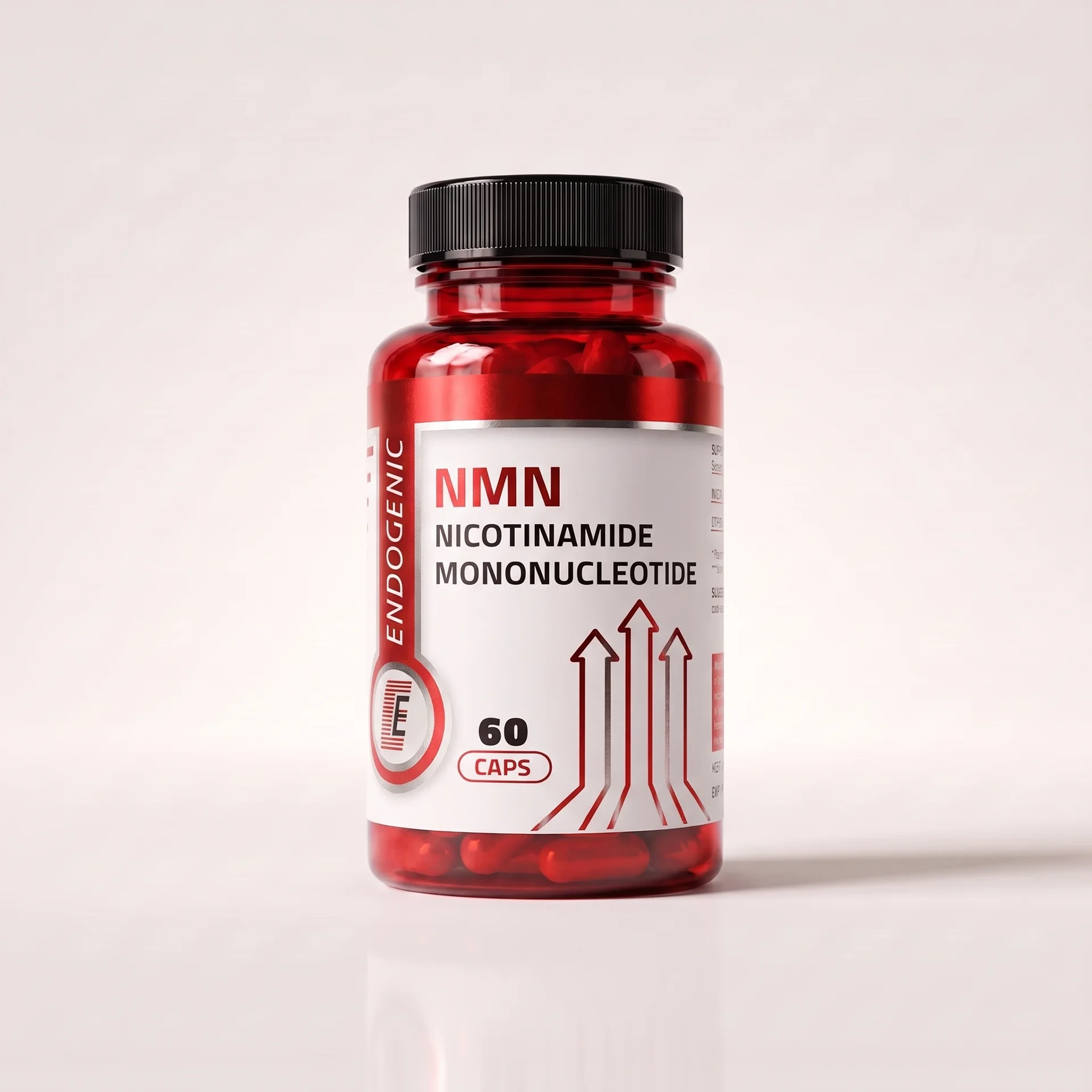

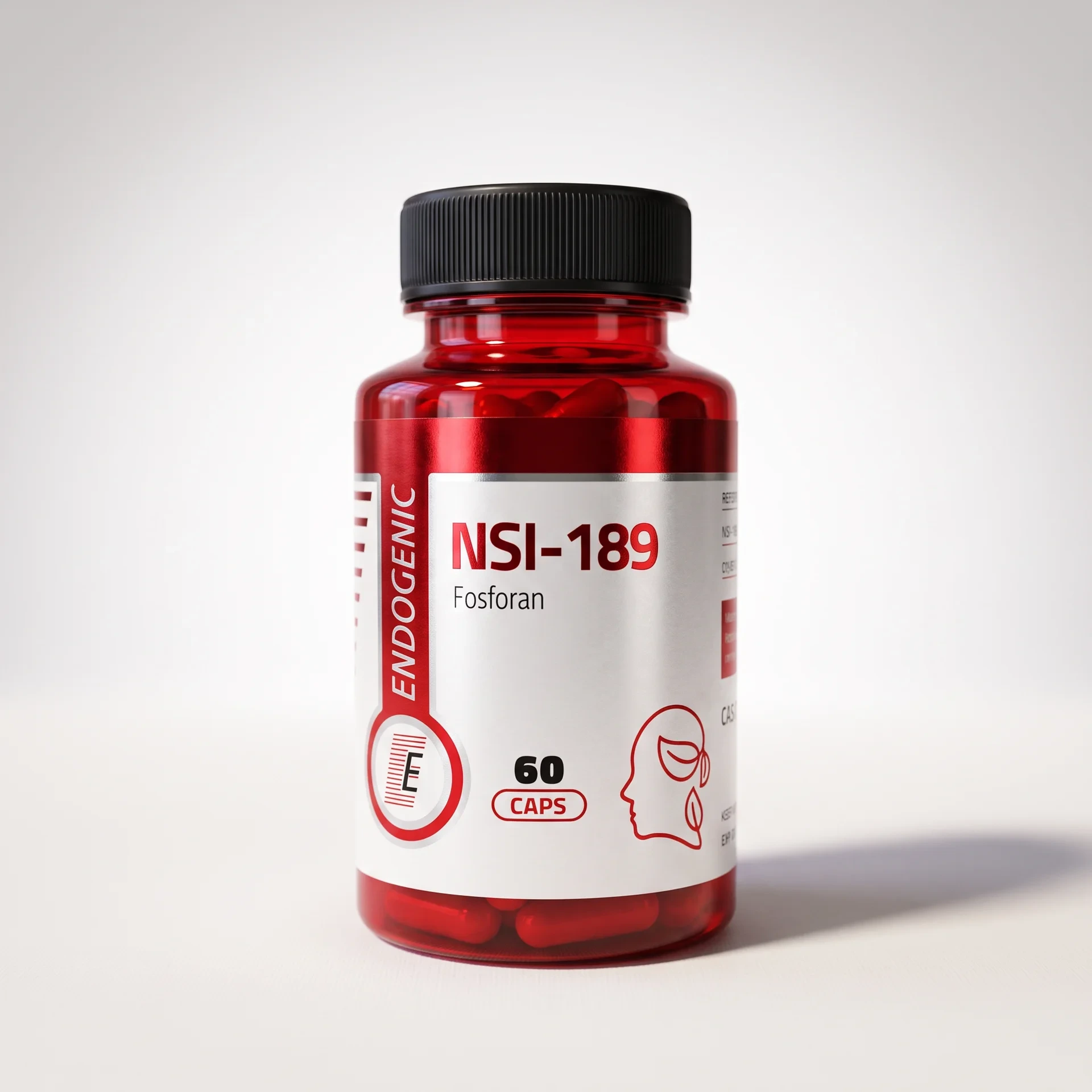
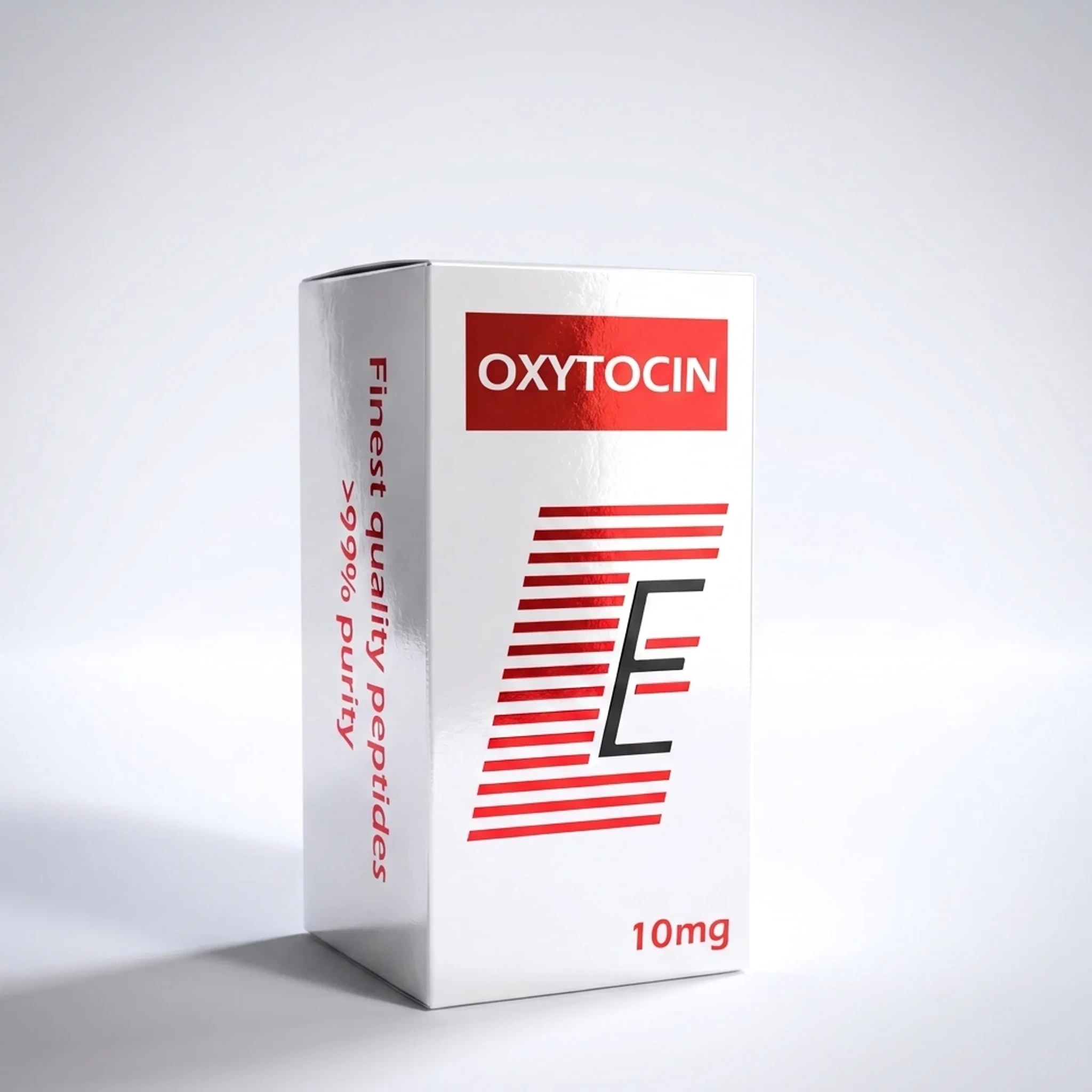
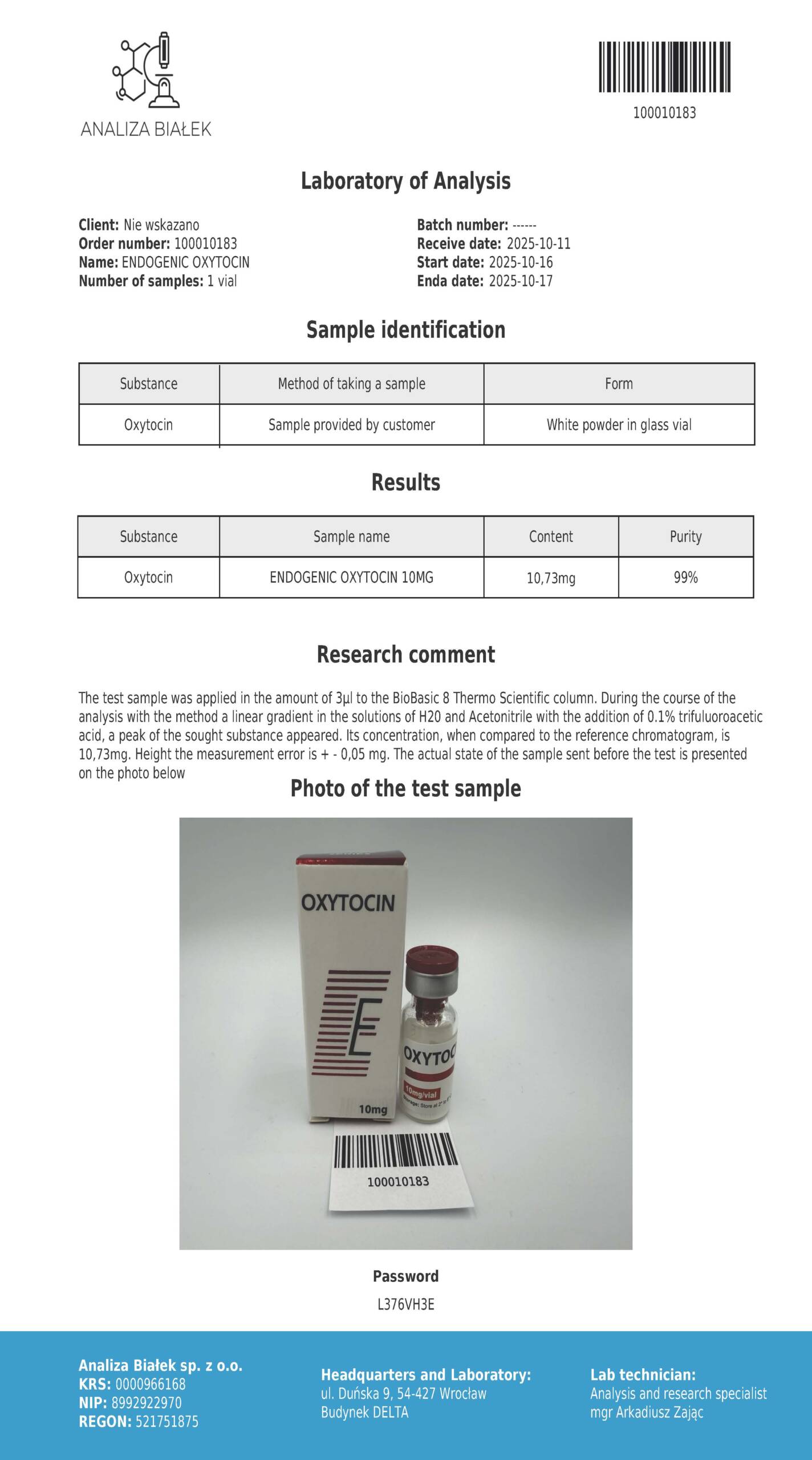
Brain – nootropic peptides and compounds studied for cognitive function
In Russia, Semax and Selank are medicines sold in pharmacies, while in the European Union they have no marketing authorisation at all. Attaching an acetyl group to their chain is enough to create a new compound that is not a medicine in any country and that the WADA Prohibited List treats differently from the parent molecule. This example shows well why, in the brain area, each molecule is assessed on its own rather than by the name of its family.
The area collects compounds studied in the context of cognitive function, neuroprotection and the stress axis: regulatory peptides, bioregulators, neuropeptides and hormones, small molecules from neuropharmacological research, and preparations for adults. They differ in mechanism and legal status, from medicines authorised in a single country to substances without authorisation and preparations containing stimulants prohibited in sport. The peptides from this area are also collected in the goal-based category peptides for brain function.
Compound families in the brain area
Regulatory peptides: Semax, Selank and their derivatives
Semax 50mg is a heptapeptide built from the ACTH(4-7) fragment extended by the Pro-Gly-Pro sequence, with none of the hormonal activity of corticotropin. Selank 10mg is an analogue of tuftsin, a four-amino-acid fragment of immunoglobulin G, extended by the same tripeptide. Both were developed in Russia, where they are authorised as medicines in the form of nasal drops. The literature, much of it in Russian, covers animal models of memory, attention and anxiety, as well as clinical trials conducted in Russia.
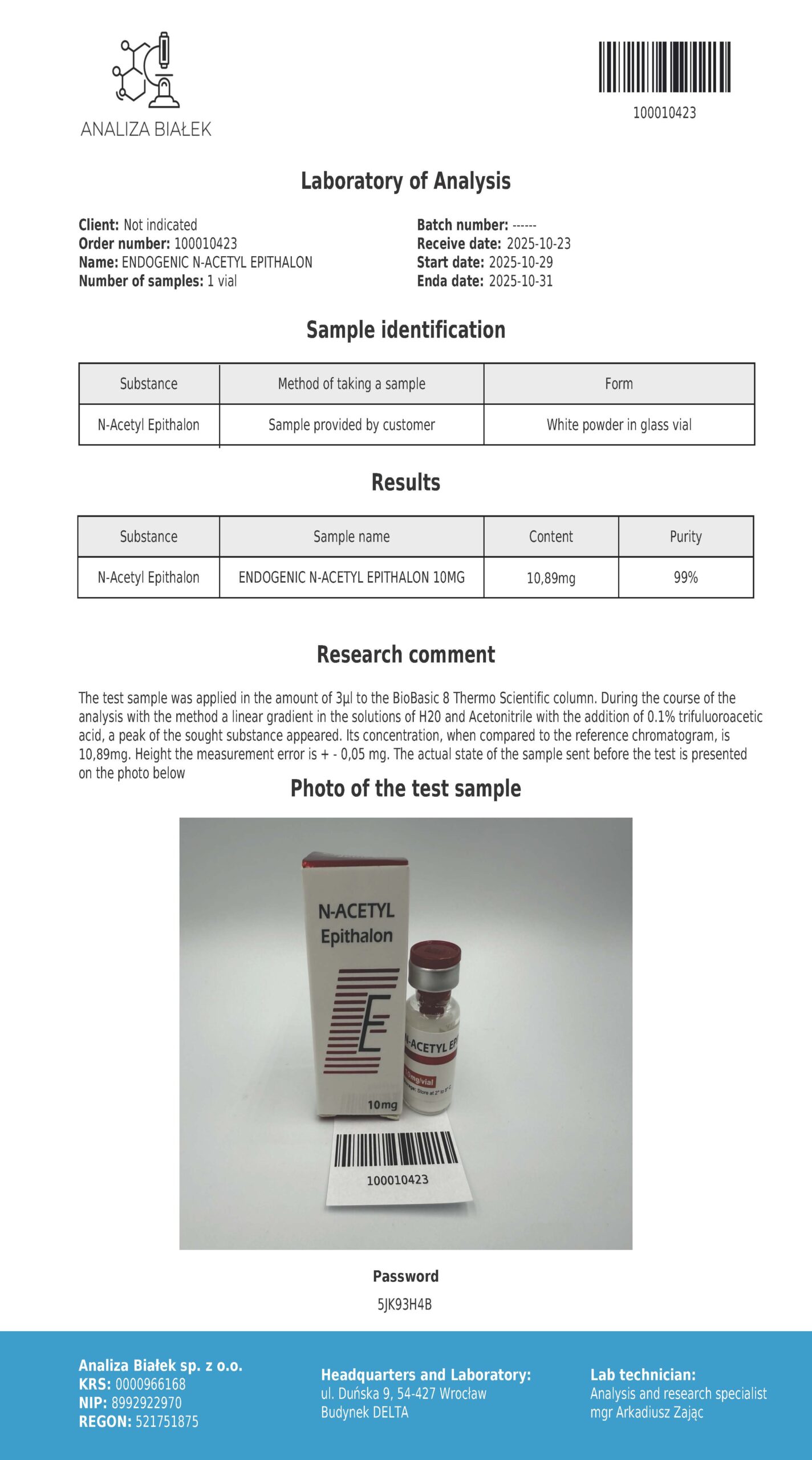
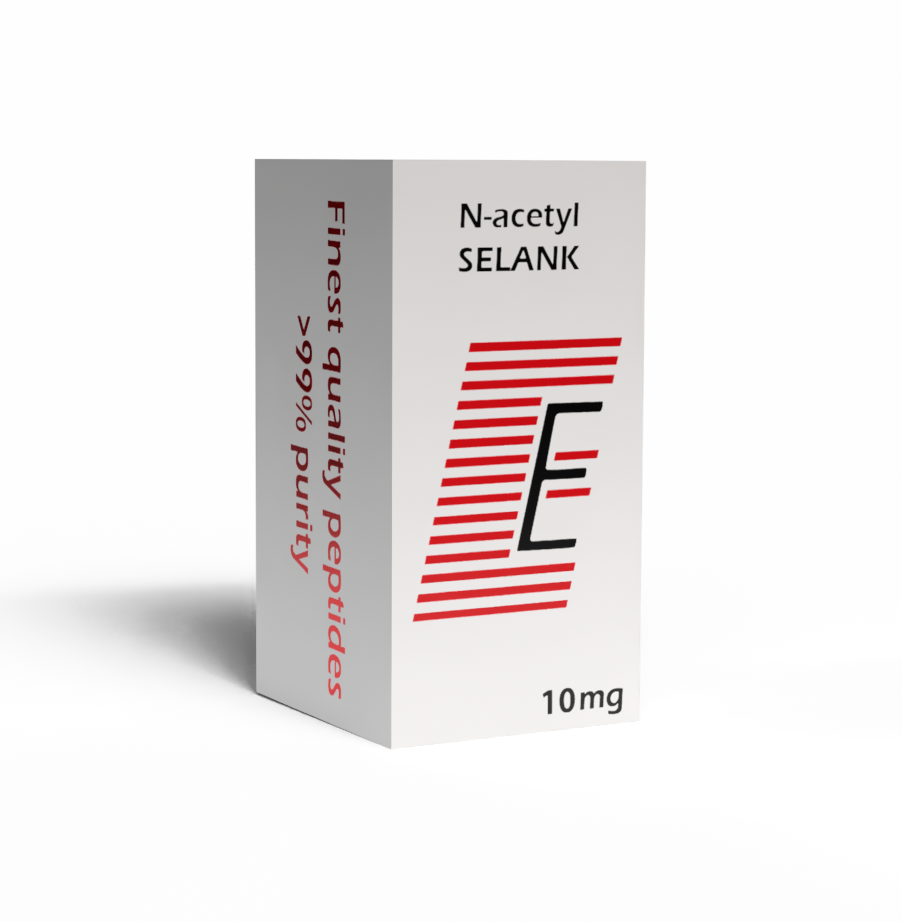
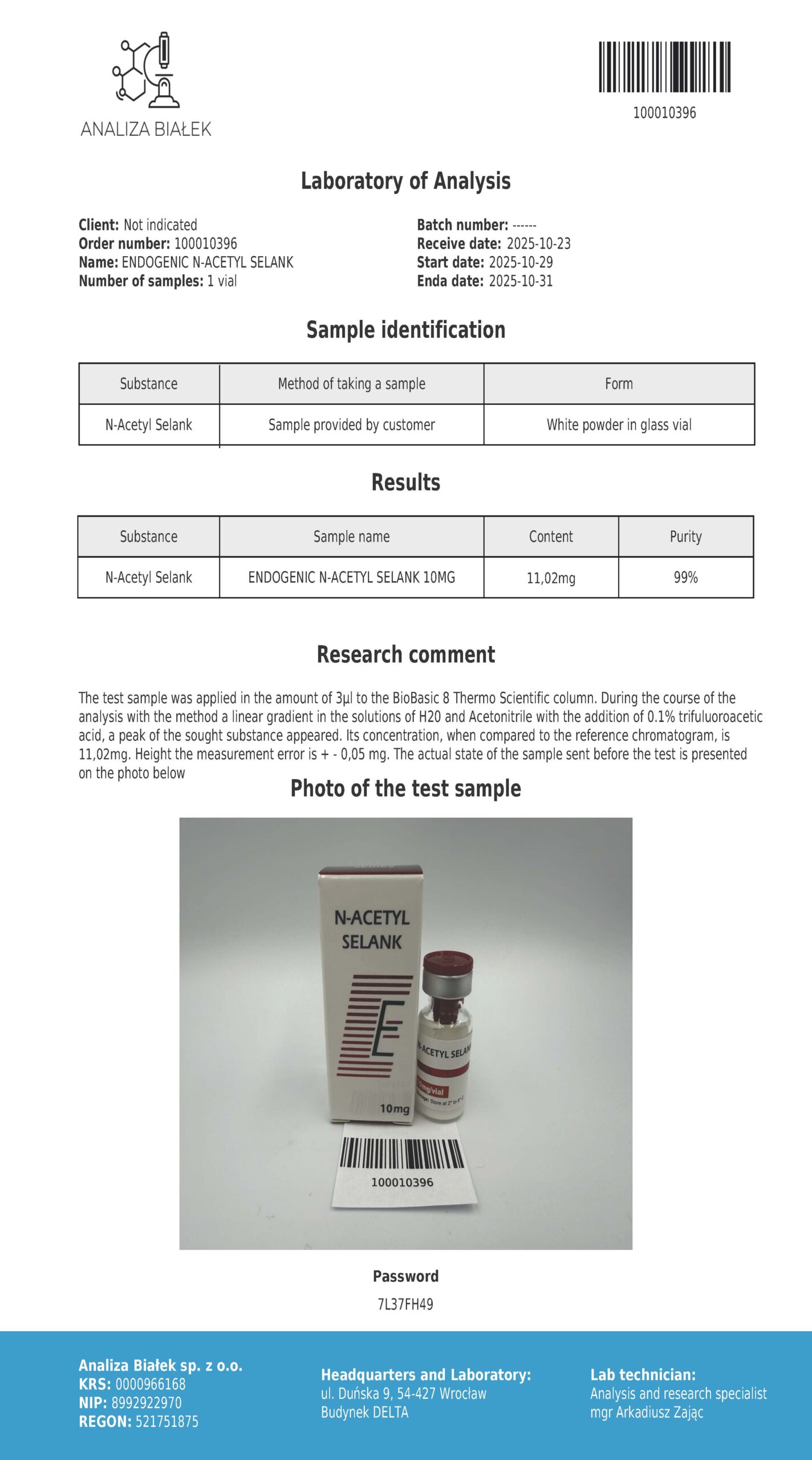
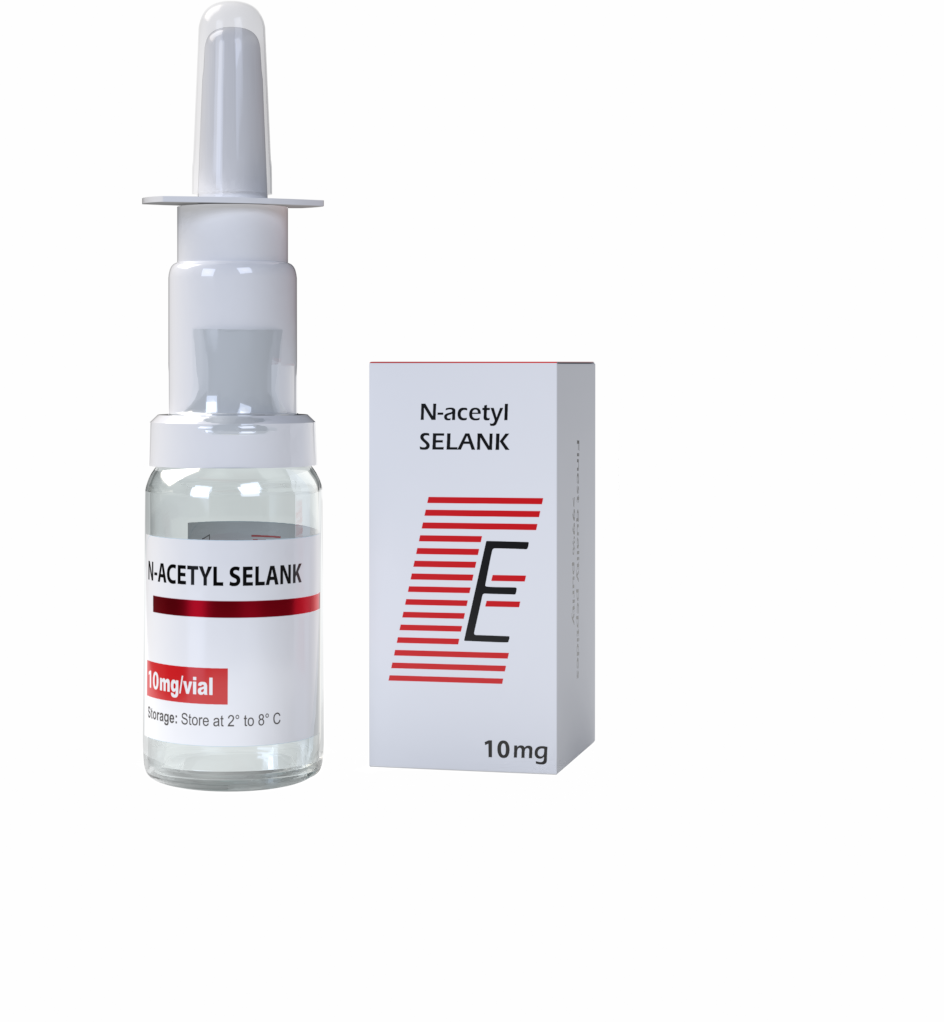
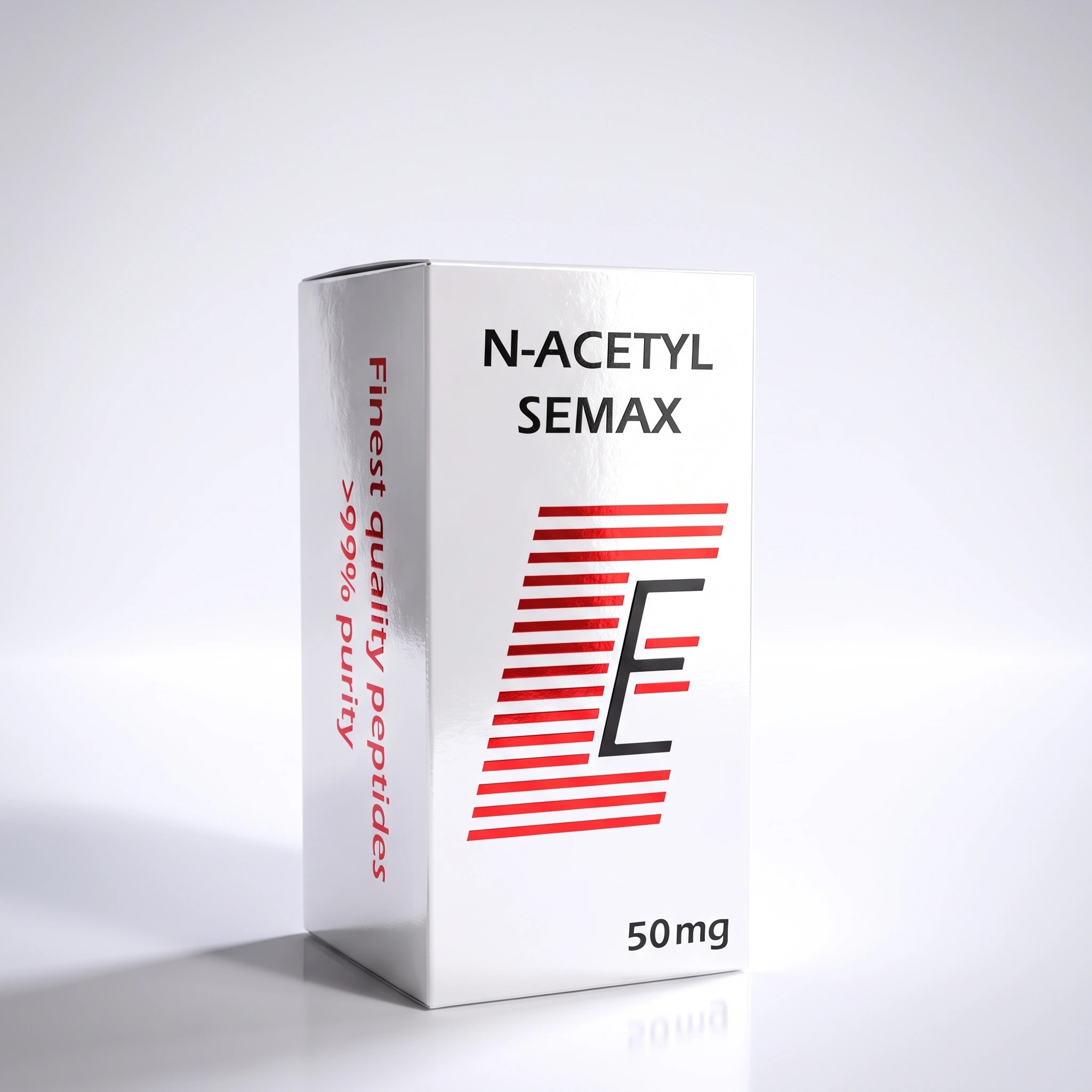
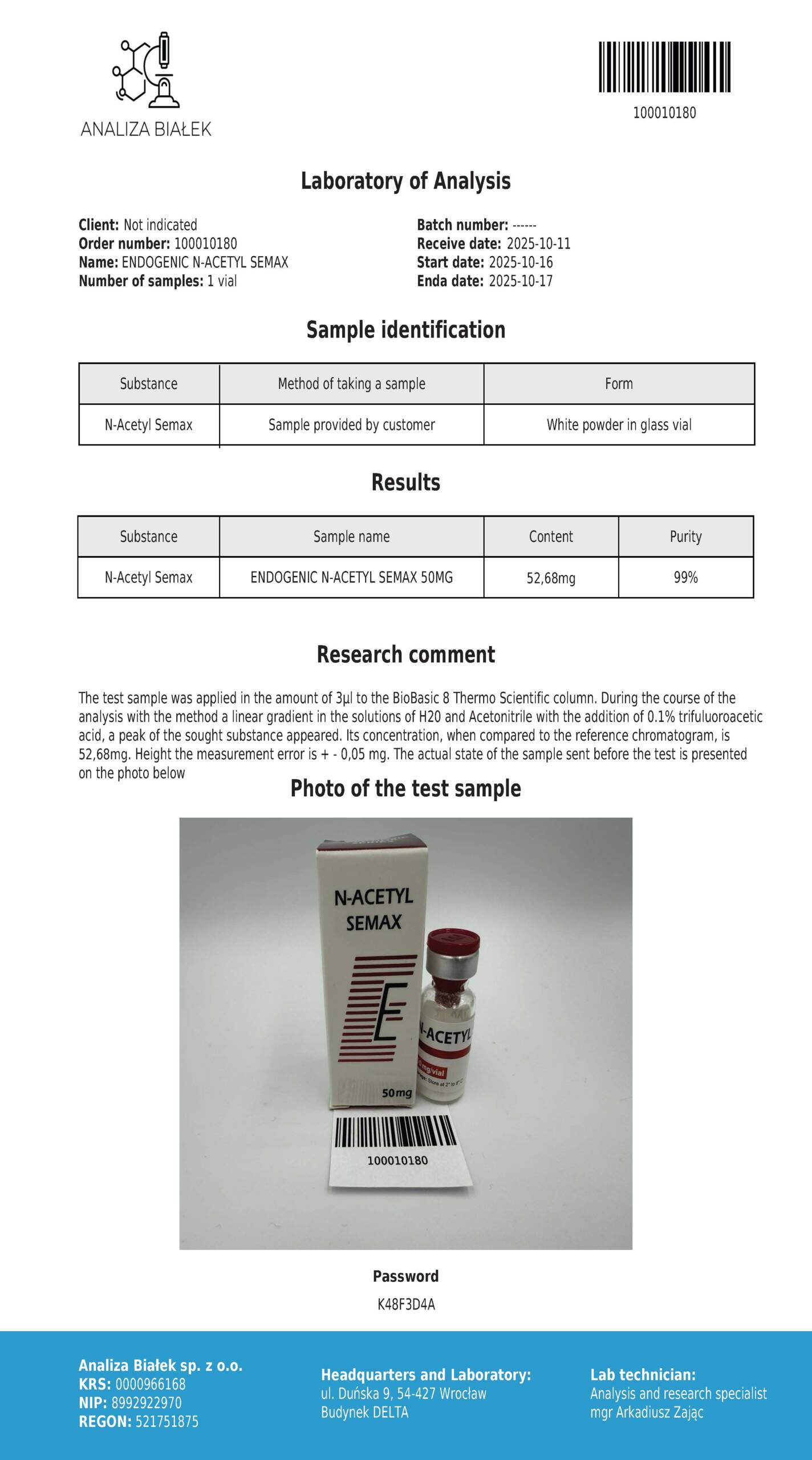
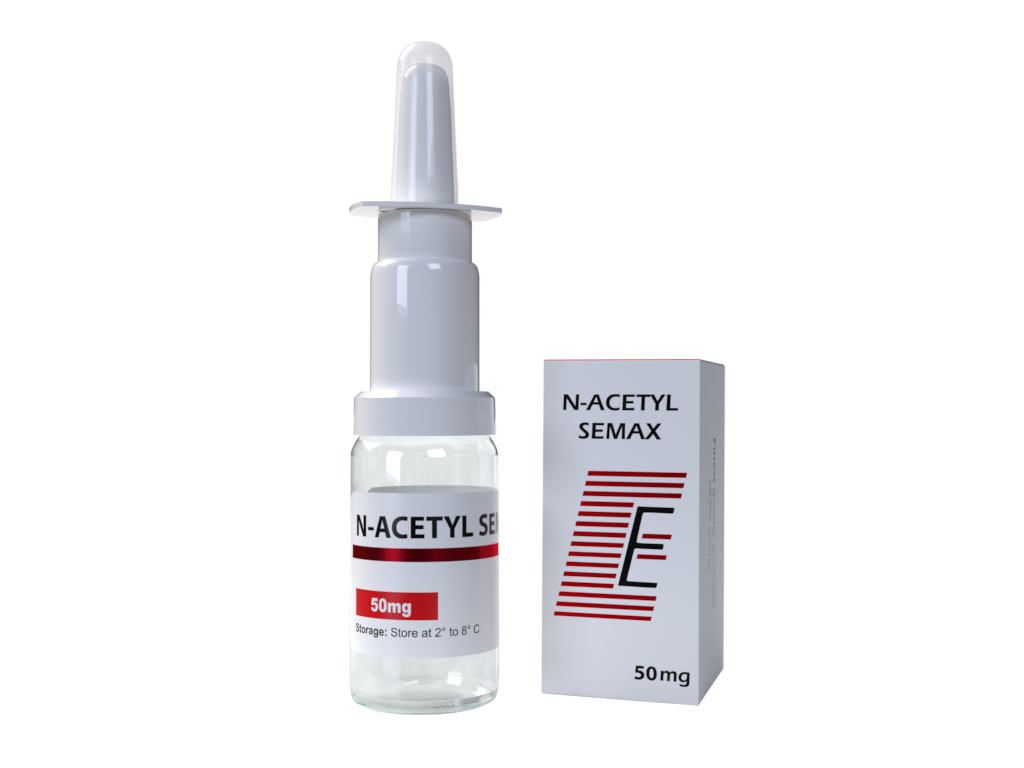
The area also includes modified versions of both peptides: N-acetyl Semax, N-acetyl Selank, ADALANK (N-acetylated, C-amidated Selank) and Adamax (modified Semax). N-terminal acetylation and C-terminal amidation are meant to protect the peptide from breakdown by peptidases, but they create distinct chemical compounds. None of these has marketing authorisation as a medicine, so research findings on Semax and Selank do not automatically carry over to them.
Bioregulators and pineal peptides: Epithalon and Cortagen
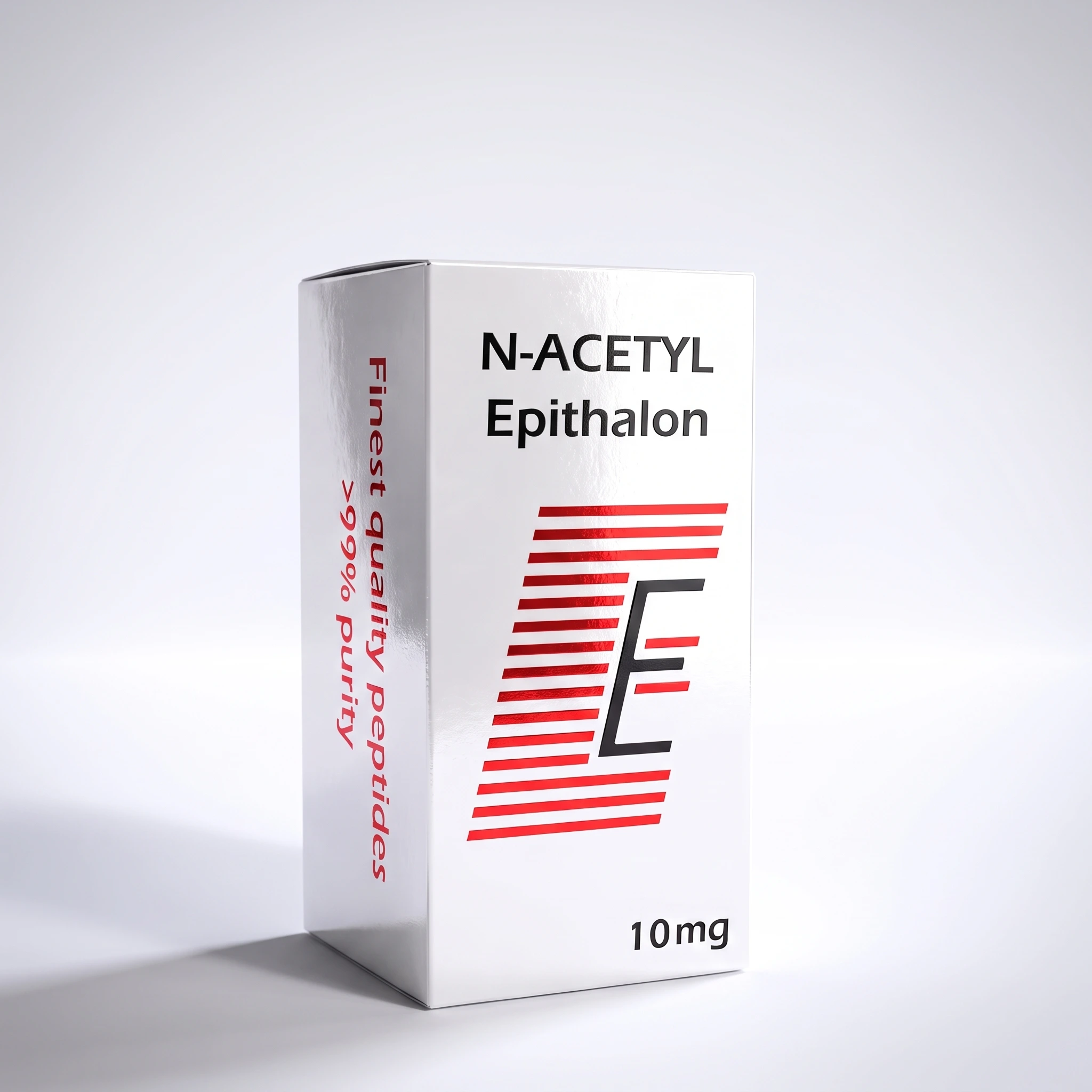
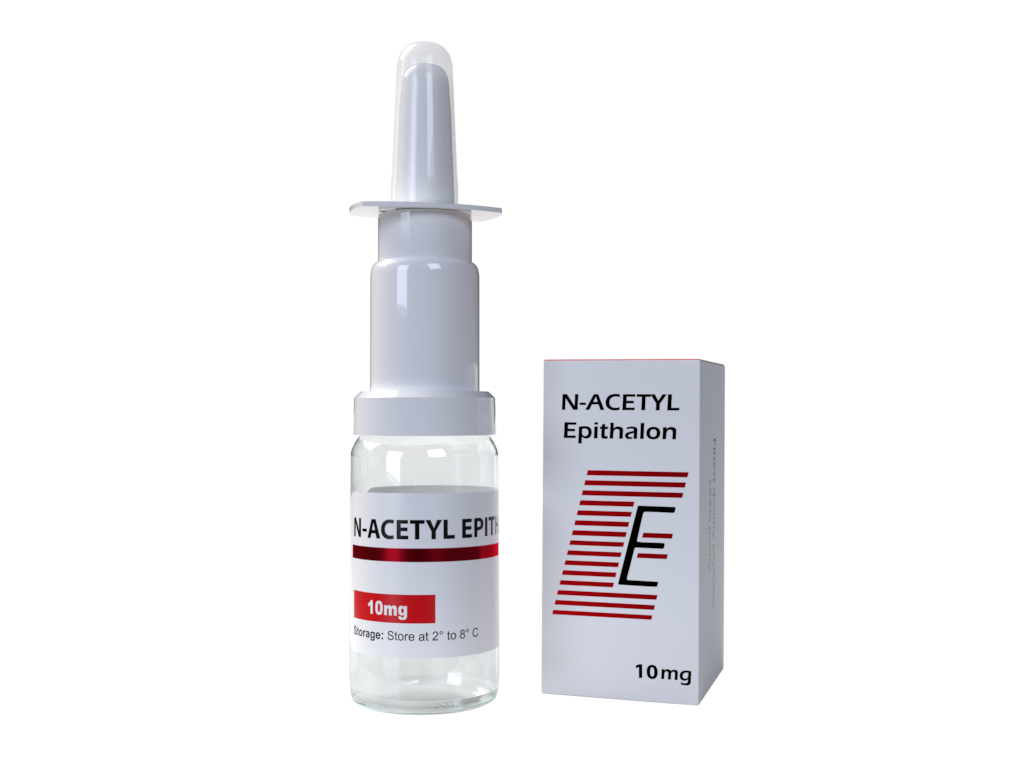
Epithalon 10mg is the tetrapeptide Ala-Glu-Asp-Gly, developed from the amino acid composition of epithalamin, a pineal gland extract. Cortagen, a short peptide attributed to cerebral cortex tissue, emerged from the same tradition. Both molecules have been described mainly in work from a single centre in St Petersburg, in models of cellular and animal ageing. The claim most often repeated about Epithalon, telomerase activation, has limited confirmation outside that circle; the state of the evidence is discussed in the post Epitalon and telomeres. Epithalon is also available in this area in N-acetylated form, in a pen and as a nasal spray.
Neuropeptides and hormones: oxytocin, ACTH 1-39, MIF-1 and ARA-290
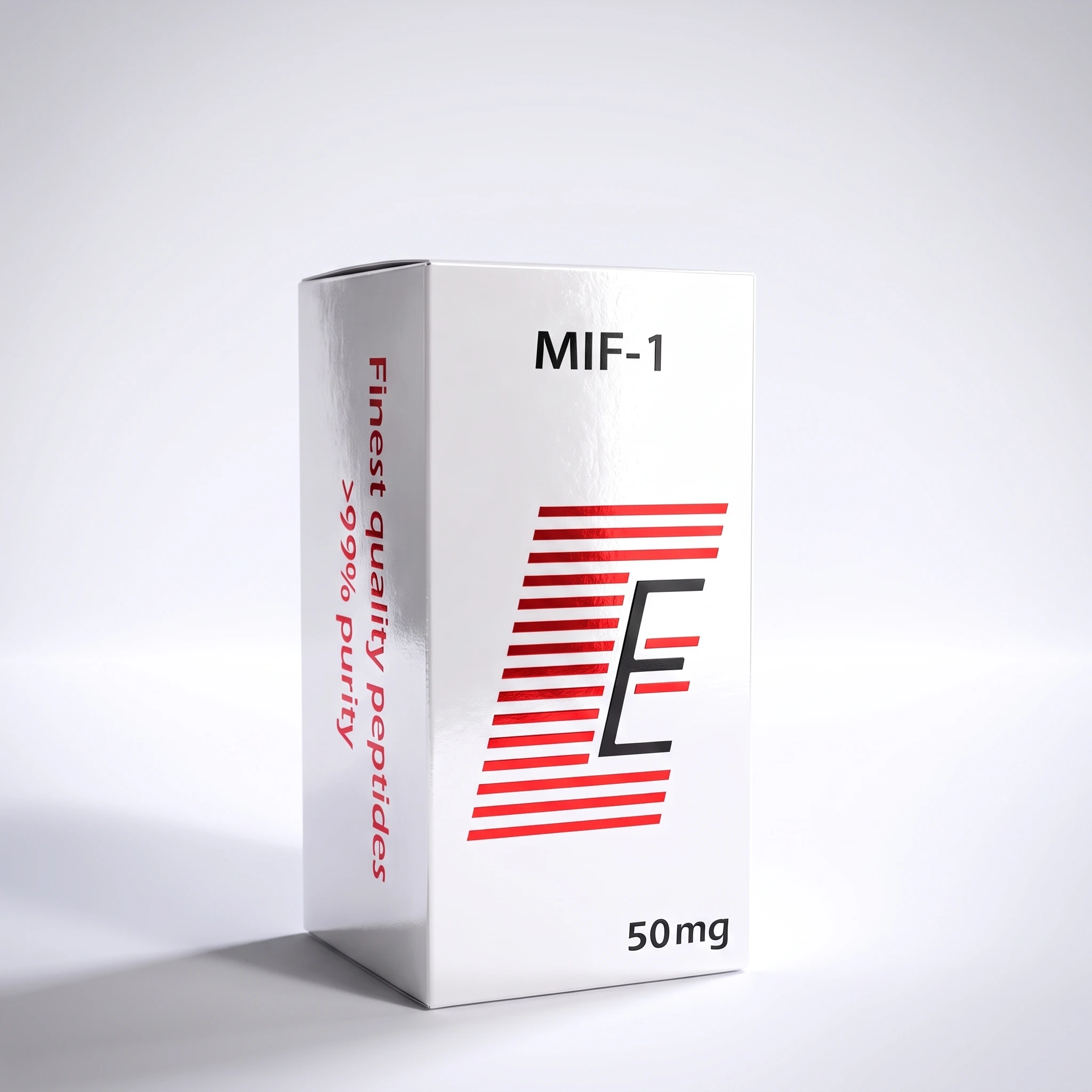
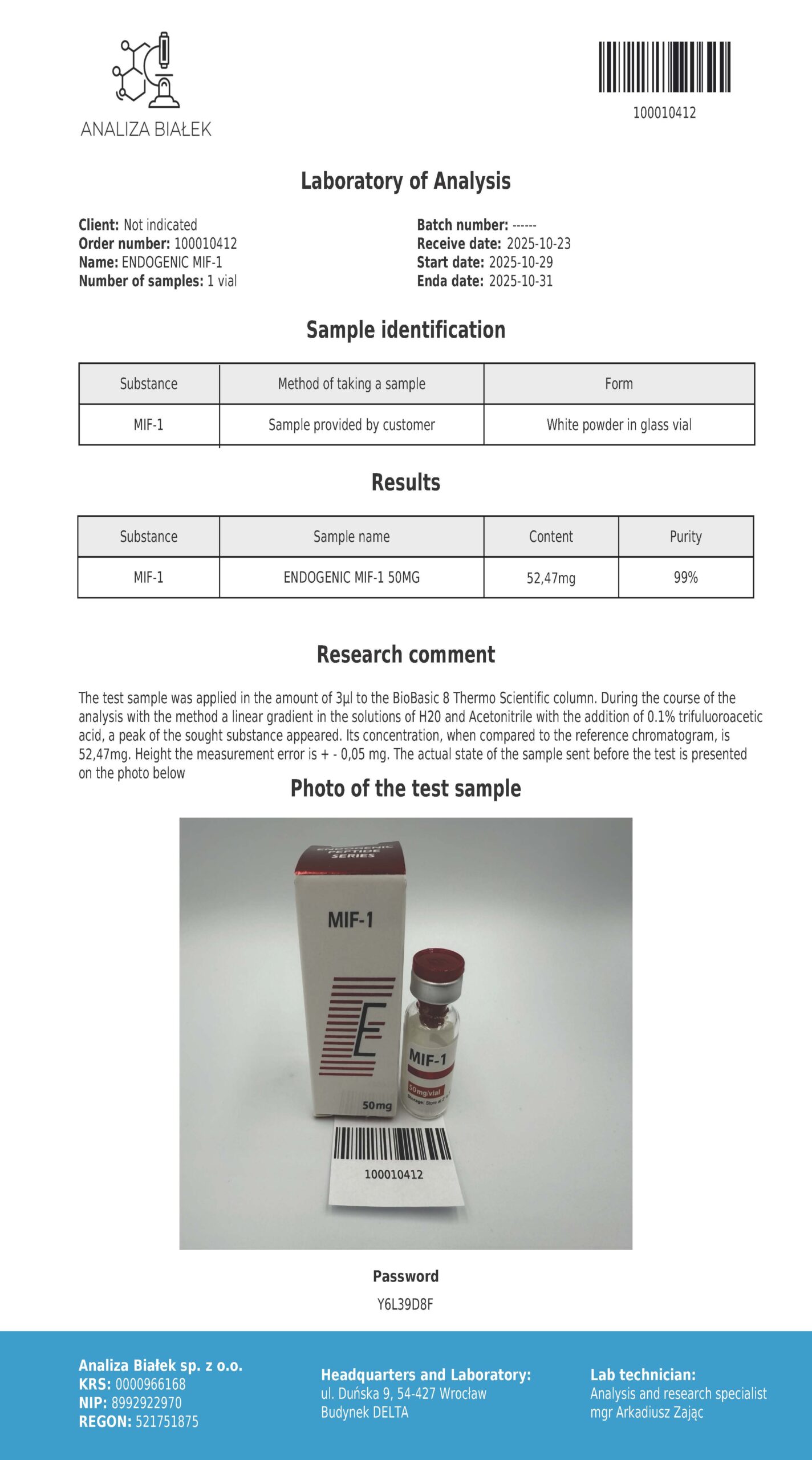
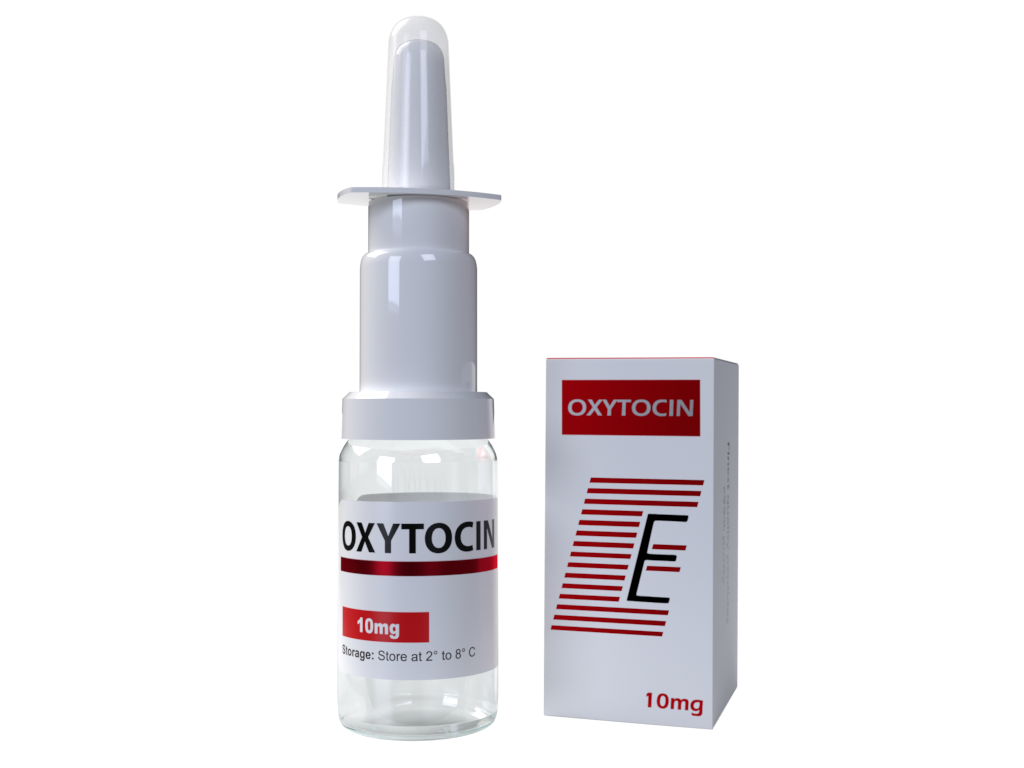
Oxytocin is a neuropeptide produced in the hypothalamus and studied in the context of social bonding and the stress response; as a medicine (e.g. Syntocinon®) it is used in obstetrics. ACTH 1-39 is the full 39-amino-acid sequence of corticotropin, the pituitary hormone that stimulates the adrenal cortex. MIF-1 (Pro-Leu-Gly-NH₂) is a hypothalamic tripeptide that, together with its analogues, was studied in depression and Parkinson’s disease; it never gained marketing authorisation.
ARA-290 (cibinetide) is an 11-amino-acid peptide designed from a fragment of erythropoietin. It activates the innate repair receptor but does not stimulate red blood cell production. In a small randomised pilot study it was assessed in patients with sarcoidosis and symptoms of small fibre neuropathy (Heij et al., 2012).
Small molecules from neuropharmacological research
P21 is a derivative of a ciliary neurotrophic factor (CNTF) fragment, studied in mouse models of neurodegeneration and neurogenesis. DIHEXA is an angiotensin IV analogue, described as a modulator of the HGF/c-Met system and studied in rat models of memory impairment. NSI-189 went through early clinical trials in depression but did not gain authorisation. 9-MBC (9-methyl-β-carboline) has been studied in cultures of dopaminergic neurons.
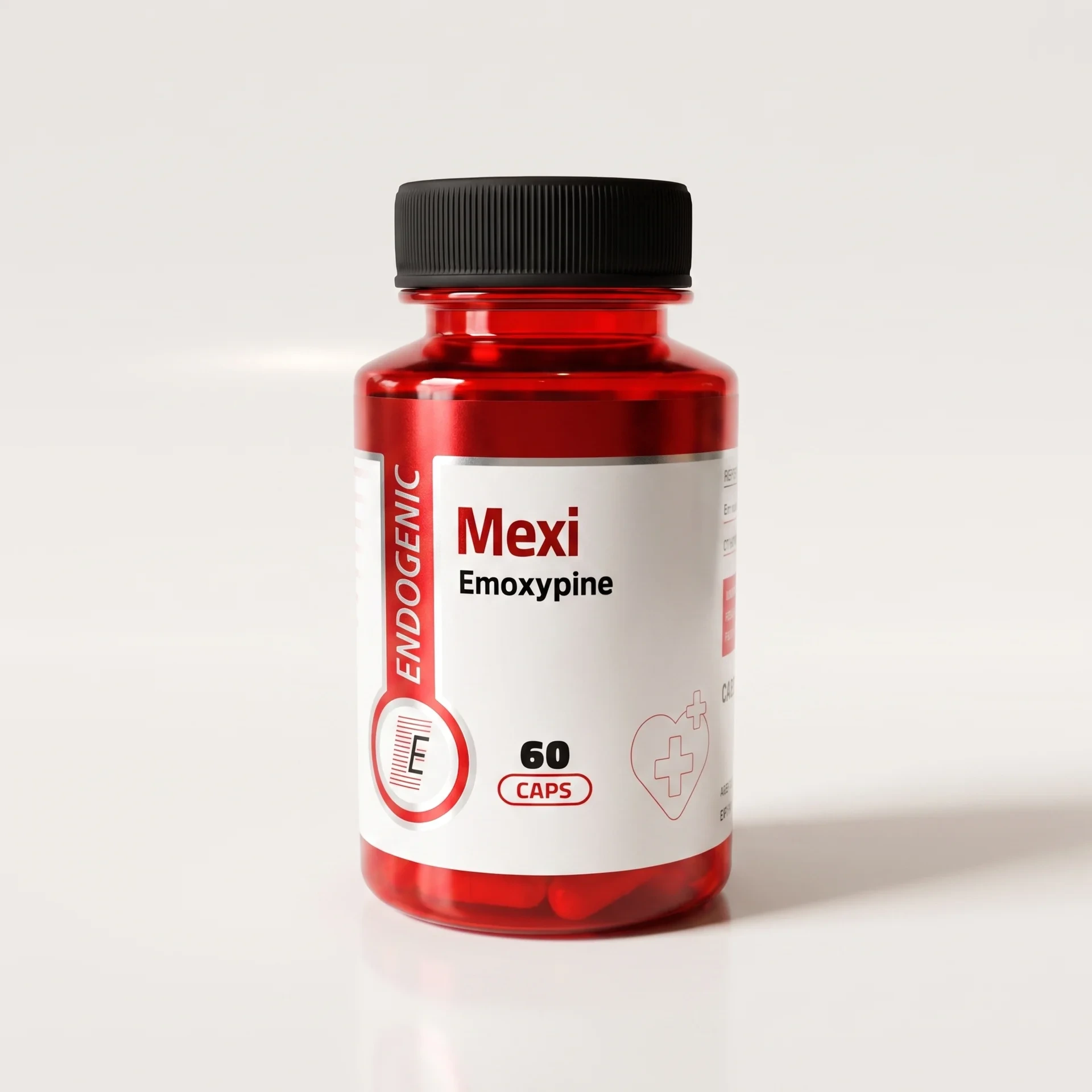
Alongside them are compounds authorised as medicines in individual countries: emoxypine (Mexidol®) and noopept in Russia, and meldonium, an anti-ischaemic medicine authorised in Latvia and Russia (Mildronate®). The WADA Prohibited List names meldonium explicitly.
Preparations for adults (21+) and compounds prohibited in competition
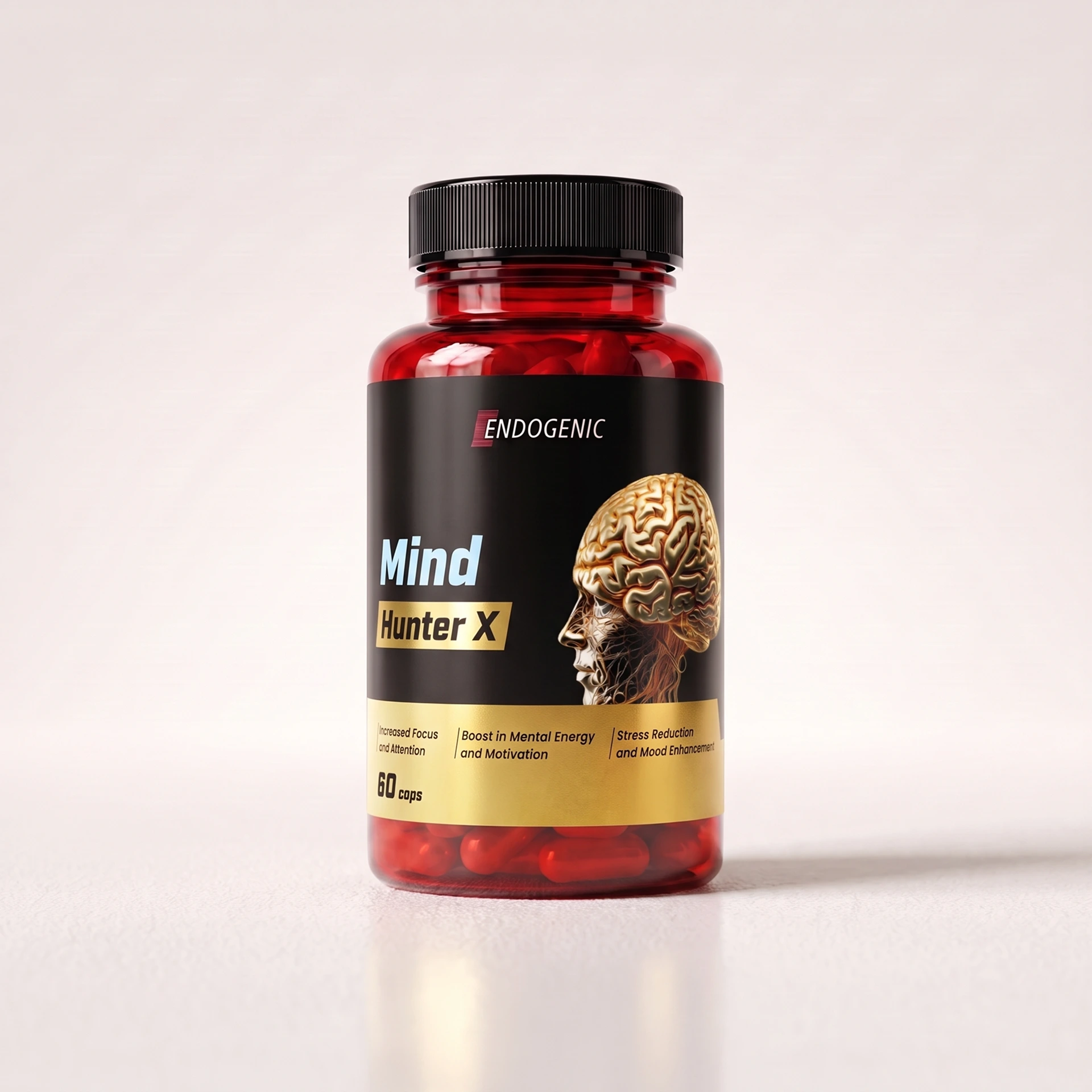
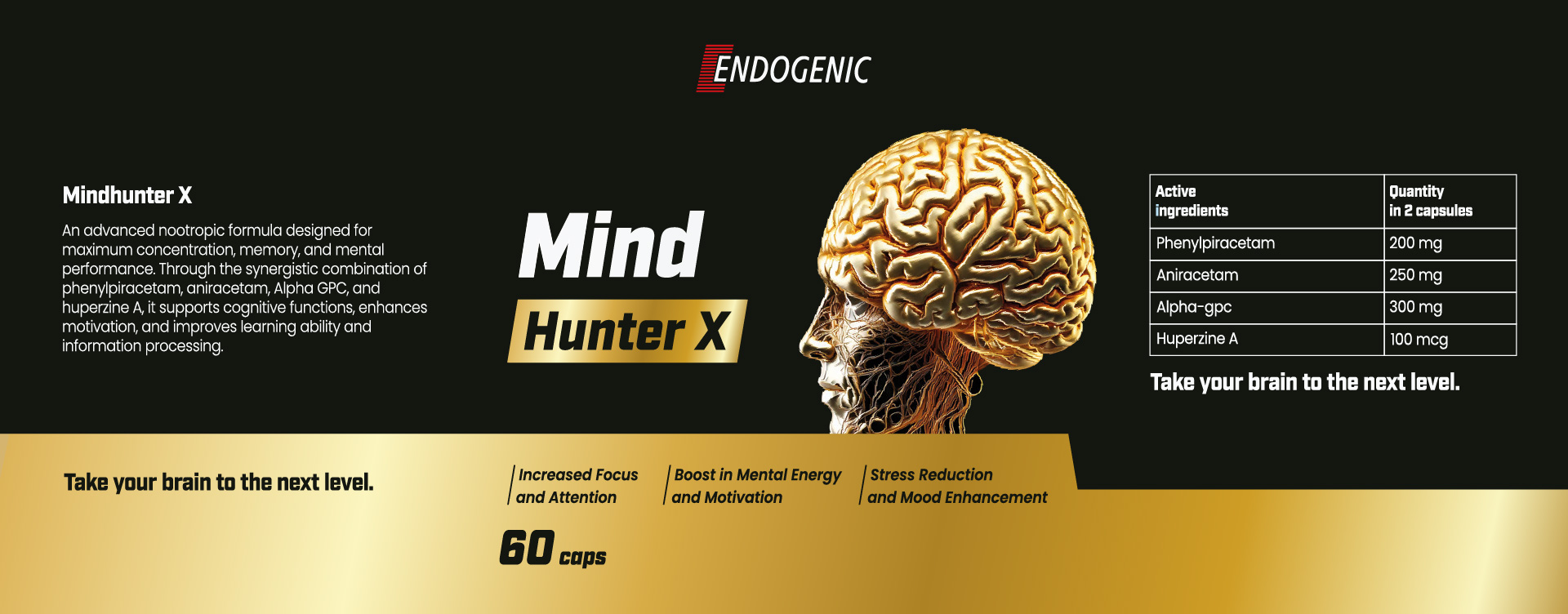
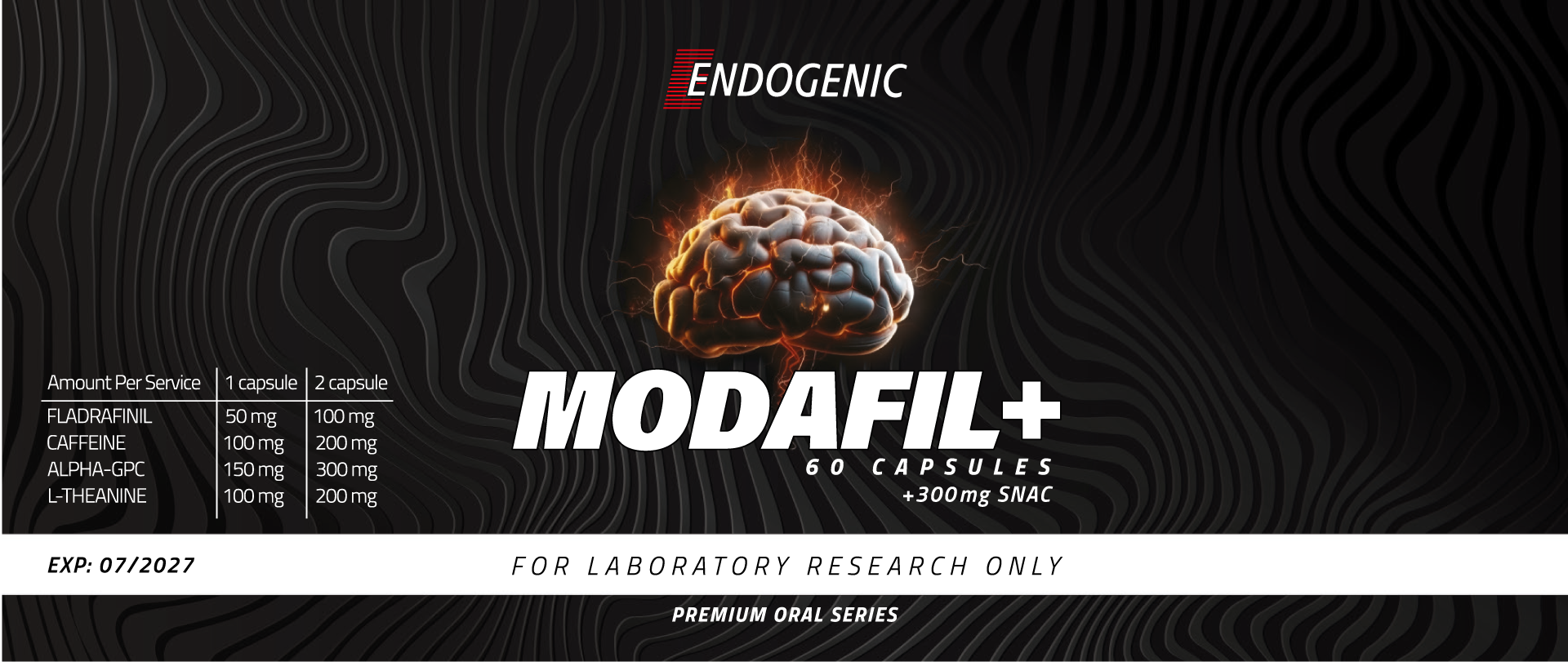
The shop labels some products in this area as preparations for adults (21+), which meet the definition of neither a dietary supplement nor a medicine. Modafil contains fladrafinil, a prodrug metabolised to compounds with a modafinil-like profile, with added caffeine, Alpha-GPC and L-theanine. MINDHUNTER X combines phenylpiracetam (fonturacetam) with aniracetam, Alpha-GPC and huperzine A. The WADA Prohibited List names fladrafinil and fonturacetam among the stimulants prohibited in competition, as it does bromantane.
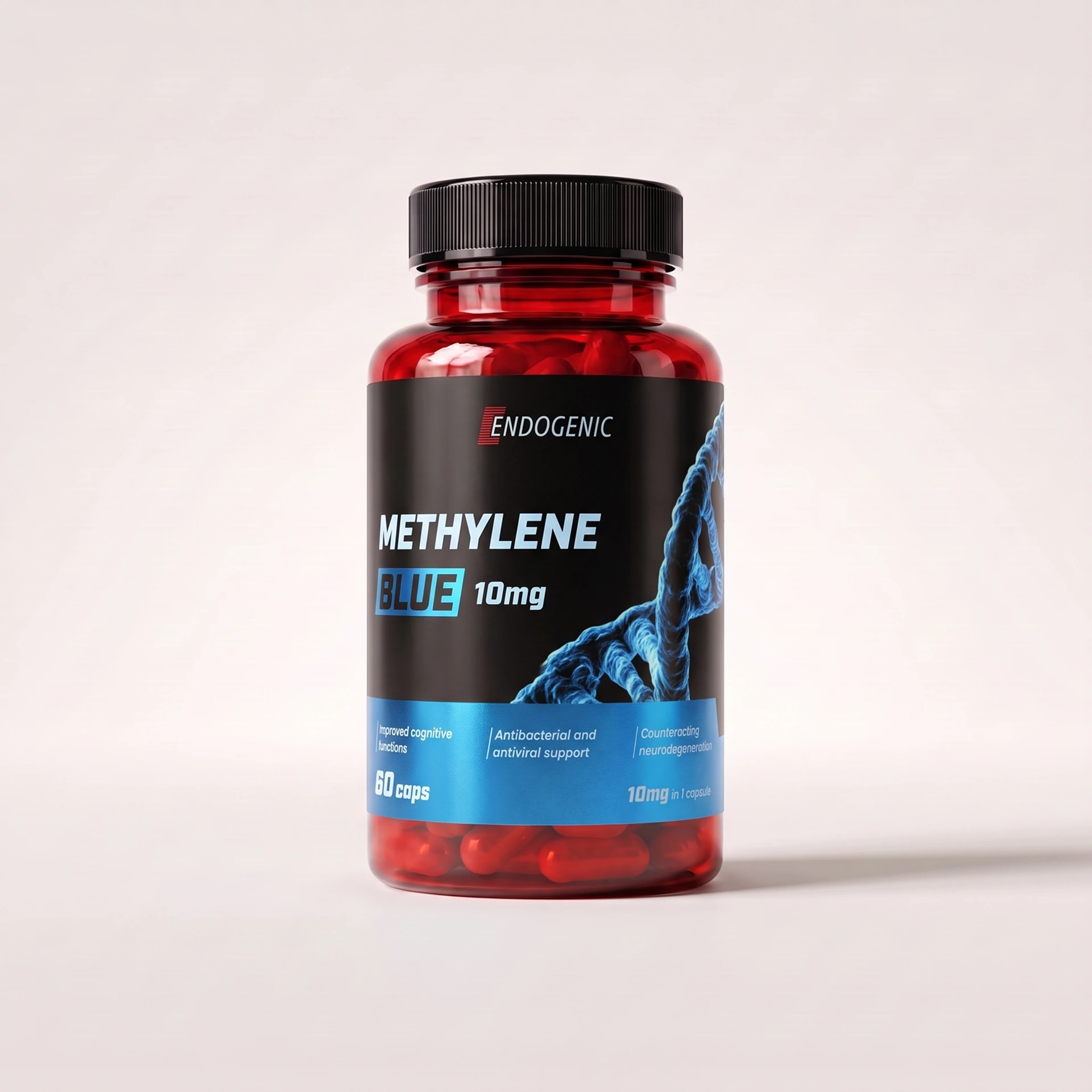
The area also includes phenibut, a GABA derivative that acts on the GABA-B receptor; sulbutiamine, a lipophilic thiamine derivative authorised as a medicine in France; and methylene blue, a dye with a long history of medical use, studied as a modulator of mitochondrial function.
Safety: interactions and the risk of dependence
Methylene blue is a potent monoamine oxidase A inhibitor. Combined with serotonergic medicines, including SSRIs, SNRIs and tricyclic antidepressants, it can cause serotonin syndrome; the US FDA warned about this interaction in 2011 following reports of serious cases. Phenibut carries a risk of tolerance and withdrawal symptoms, and wakefulness-promoting compounds raise blood pressure and heart rate and disrupt sleep. The warnings concern the properties of the substances; the RUO reagents in this area are not intended for use in humans, and the contraindications of the 21+ preparations are given on the product page.
Frequently asked questions (FAQ)
Do peptides from the brain area improve memory in humans?
The area describes a research direction, not an effect. Most data come from animal models and cell cultures, and the clinical trials, where they exist, concern medicines authorised in Russia or programmes that did not end in authorisation. RUO reagents are not intended for use in humans.
How does Semax differ from N-acetyl Semax?
In the modification at the end of the chain and in status. N-acetyl Semax carries an acetyl group at the N-terminus, intended to increase its resistance to peptidases. Semax is a medicine authorised in Russia, while its N-acetylated derivative has no marketing authorisation in any country, so on the WADA List it falls under class S0.
Which products from the brain area contain substances prohibited in competition?
Modafil (fladrafinil), MINDHUNTER X (fonturacetam, also known as phenylpiracetam) and Bromantan. The 2026 WADA List names all three substances in section S6.A. The other classes present in this area, S0, S2 and S4.4, apply at all times, including out of competition.
Can methylene blue be combined with antidepressants?
No. Methylene blue inhibits monoamine oxidase A and, combined with serotonergic medicines, can cause serotonin syndrome, a life-threatening condition. Anyone taking any psychiatric medication should discuss this risk with their doctor.