P21 5mg
P21 5mg
42,99 €
Free delivery on orders over €350. Fast delivery.



Black Week
20% off everything with code BLACK
Click and the code is added to your cart.
Until Monday 30 Nov, 23:59 (Polish time).
Black Friday
20% off everything with code BLACK
Click and the code is added to your cart.
Until Monday 30 Nov, 23:59 (Polish time).
Last day
20% off everything with code BLACK
The code works until 23:59 today (Polish time).
Other categories
42 products
Black Week
Sign up for the newsletter and get access to the Black Week promotion before other customers.
By signing up you agree to receive the Pro-Body newsletter with news and promotions. You can unsubscribe at any time with one click in the e-mail. Privacy policy
NSI-189 was developed as a compound that stimulates neurogenesis (the formation of new neurons) independently of monoamine reuptake. In a phase 2 trial in 220 patients with major depression, it did not improve the primary endpoint, the MADRS score, in either of the two study groups. In one of them, better results appeared on some patient-rated questionnaires and in some cognitive tests, but not all (Papakostas et al., 2020).
A similar gap between a clear effect in a model and a weaker or inconclusive result in humans recurs in the data on several other compounds in this category. For each one, therefore, we state the type of study the result comes from. The products are organised by the functions studied: memory and learning, attention and wakefulness, the stress response and mood, neuroprotection, and the energy metabolism of nerve cells. The same range is organised by compound family under area of action: brain.
Dihexa is an angiotensin IV analogue developed in Joseph Harding’s laboratory as a pro-cognitive compound. In 2025 the journal retracted this group’s paper on the dependence of its action on the HGF/c-Met system (Benoist et al., 2014). In 2021 the same journal added an expression of concern to the paper assessing its pro-cognitive action (McCoy et al., 2013). An independent group reported improved spatial learning in the Morris water maze and reduced glial activation in APP/PS1 mice, a model of Alzheimer’s disease (Sun et al., 2021). The data on Dihexa come from animal models. In this category it is available as DIHEXA 5mg peptide in capsules.
P21 appears in the literature as P021, a peptidomimetic derived from ciliary neurotrophic factor (CNTF). Added to the feed of female 3xTg-AD mice for 12 months, it reduced tau hyperphosphorylation and reversed deficits in memory, neurogenesis and synaptic plasticity. The authors linked this effect to increased BDNF and reduced GSK-3β kinase activity (Kazim et al., 2014). The molecule studied has the sequence Ac-DGGL(A)G-NH2, which the product page (P21 peptide) does not give, so only the batch COA confirms that the reagent matches the compound studied.
9-Methyl-β-carboline (9-MBC), given to rats for ten days, improved spatial learning in the radial maze, raised dopamine levels in the hippocampus and increased the dendritic branching of dentate gyrus neurons. After five days there was no such effect (Gruss et al., 2012).
Huperzine A, a compound from the club moss Huperzia serrata, is used in China for Alzheimer’s disease. A meta-analysis of 20 randomised trials (1,823 patients) found improved cognitive test scores, but most of the trials had a high risk of bias (Yang et al., 2013). For mild cognitive impairment, a Cochrane review found no trial meeting its inclusion criteria (Yue et al., 2012). In this category, huperzine A is available as a single product (Huperzine A) and as an ingredient of MINDHUNTER X.
Even authorised stimulant medicines improve cognitive function in healthy people only slightly. In a series of meta-analyses, the overall effect was 0.12 for modafinil and 0.21 for methylphenidate (standardised mean difference). The authors rated these effects as small (Roberts et al., 2020). The products in this category are not those medicines. Modafil Endogenic contains fladrafinil, a separate molecule that these meta-analyses do not cover, and the MINDHUNTER X nootropic contains fonturacetam (phenylpiracetam). The WADA List names both substances, as it does Bromantan, among the stimulants prohibited in competition.
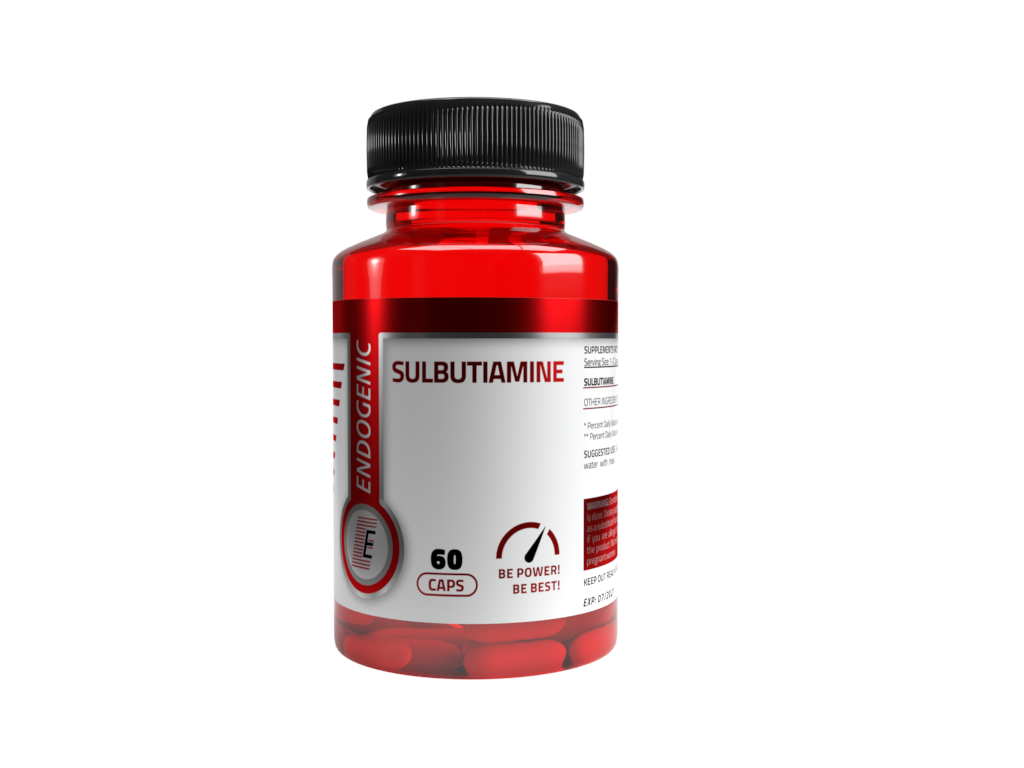
Sulbutiamine (isobutyryl thiamine disulphide) is a vitamin B1 derivative. In a randomised trial in 326 patients with chronic post-infectious fatigue, it did not reduce fatigue compared with placebo. The authors considered the only difference, in women after one week, to need confirmation (Tiev et al., 1999). In this category it is available as Sulbutiamine 400mg, a preparation for adults (21+).
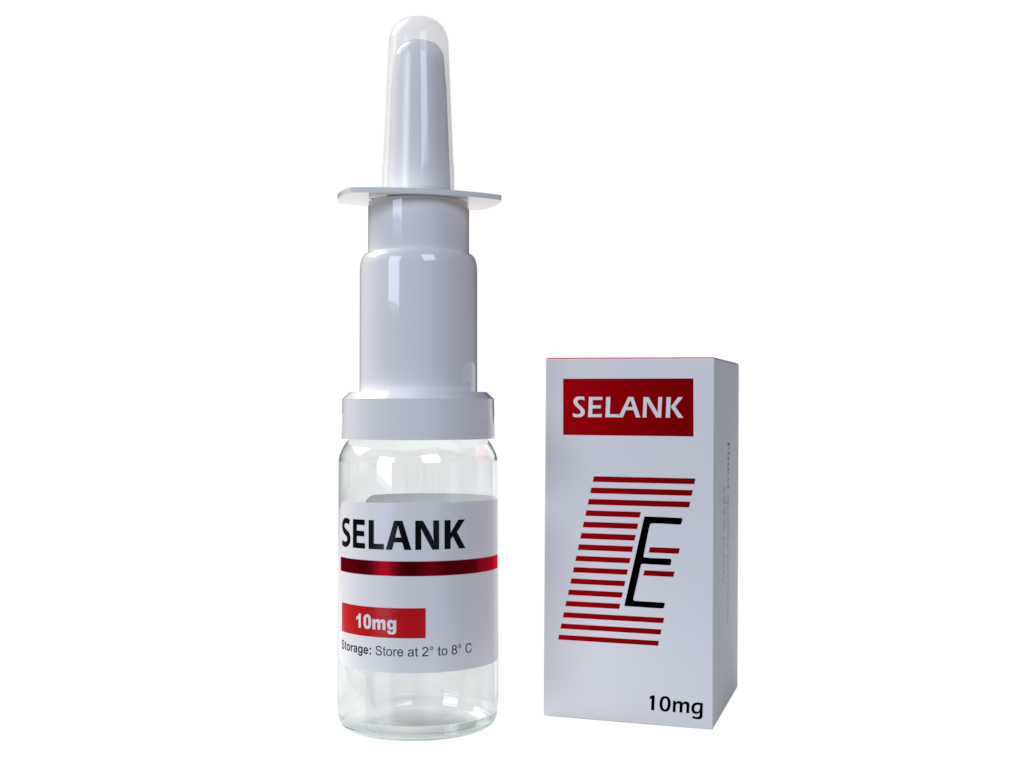
In a study of 62 patients with generalised anxiety disorder or neurasthenia, Selank had an anxiolytic effect similar to that of the benzodiazepine medazepam. The study compared the two compounds and had no placebo group (Zozulia et al., 2008). In this category Selank is available in a vial and in a kit for preparing a nasal spray (Selank spray). Its N-acetylated, C-amidated derivative (Ac-TKPRPGP-NH2) comes in two spray kits: Adalank spray and N-acetyl Selank spray. This group also includes NSI-189, described in the introduction (NSI-189 capsules).
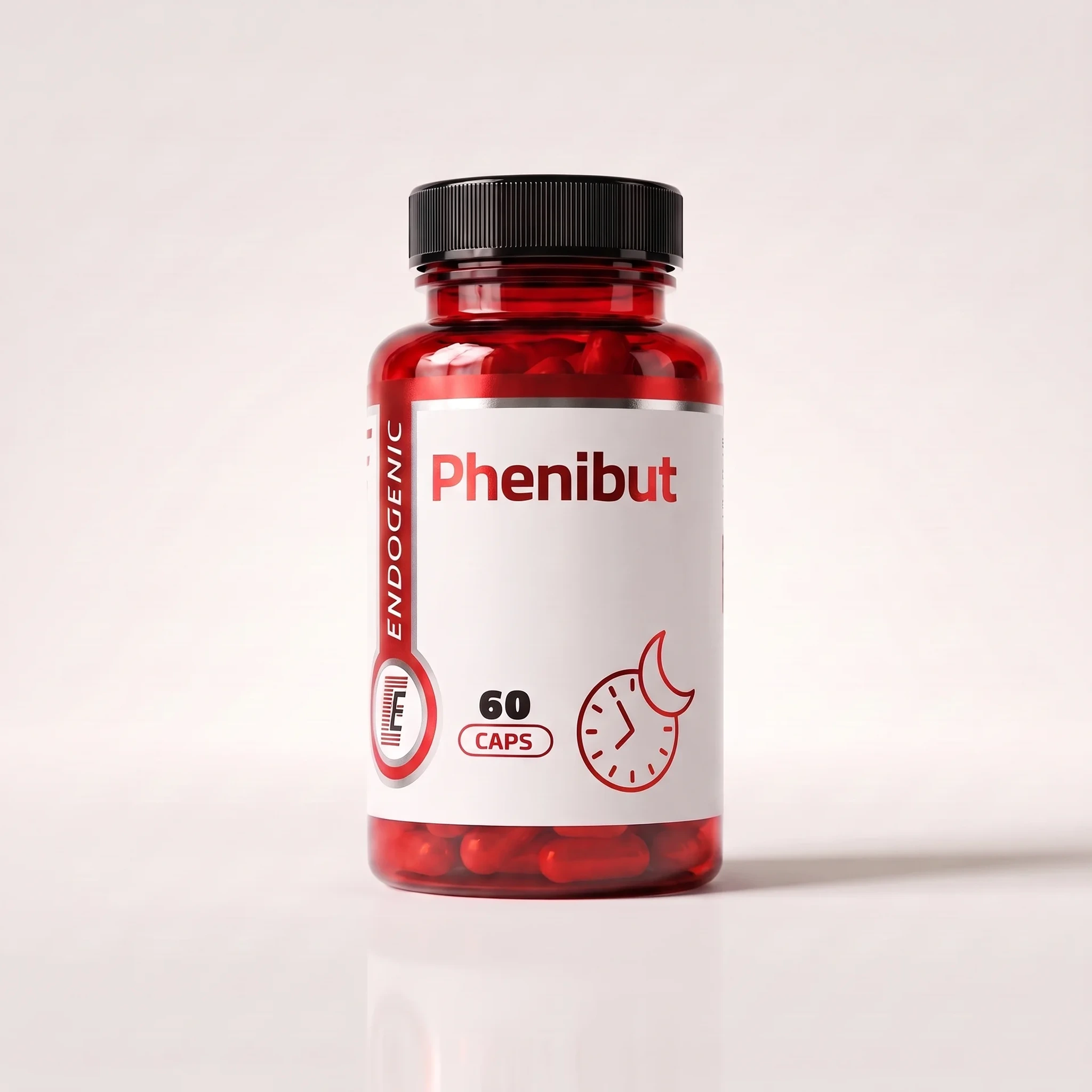
Phenibut acts on the GABA-B receptor and the α2-δ subunit of calcium channels, and in Eastern Europe it has been prescribed as a medicine for more than half a century. A systematic review of 11 clinical trials (583 patients) described adverse effects in just under 6% of them. It also described 14 reports of dependence and poisoning (16 patients) after phenibut bought online, in amounts far exceeding those used in treatment (Kupats et al., 2020). In this category it is available as Phenibut, a preparation for adults (21+).
Numerous studies have linked intranasal oxytocin with social behaviour. A statistical analysis of this literature, however, indicates that the studies are usually underpowered and that most published findings probably do not reflect true effects (Walum et al., 2016). In this category oxytocin is available in a vial and in a nasal spray kit (Oxytocin spray).
5-Hydroxytryptophan (5-HTP serotonin precursor) has been studied mainly in depression. A review of these studies highlights two hazards: eosinophilia-myalgia syndrome and serotonin syndrome (Turner et al., 2006). Dihydromyricetin (Dihydromyricetin 300mg), a plant flavonoid, alleviated acute alcohol intoxication and withdrawal symptoms in rats. It acted on GABA-A receptors at the benzodiazepine binding site (Shen et al., 2012).
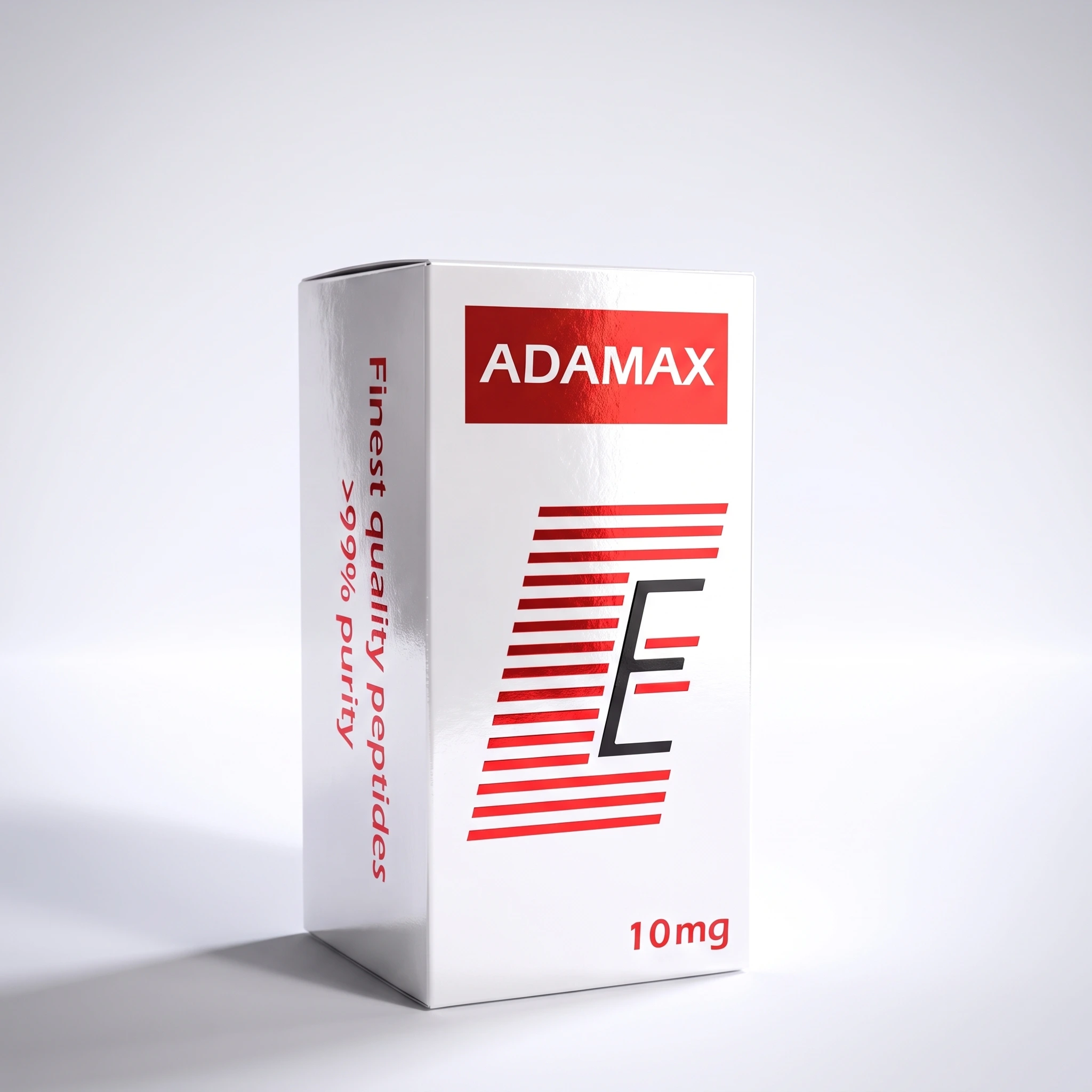
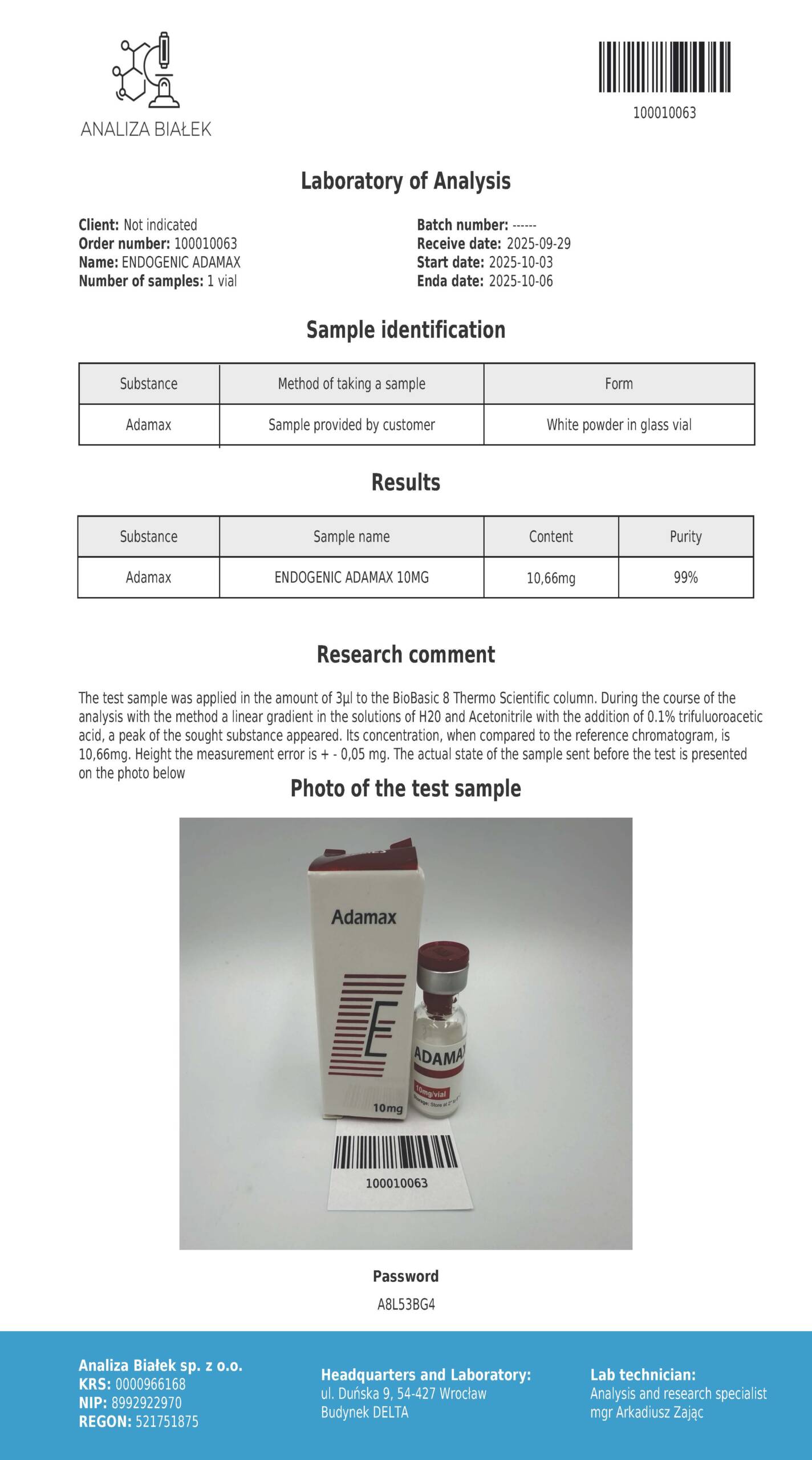
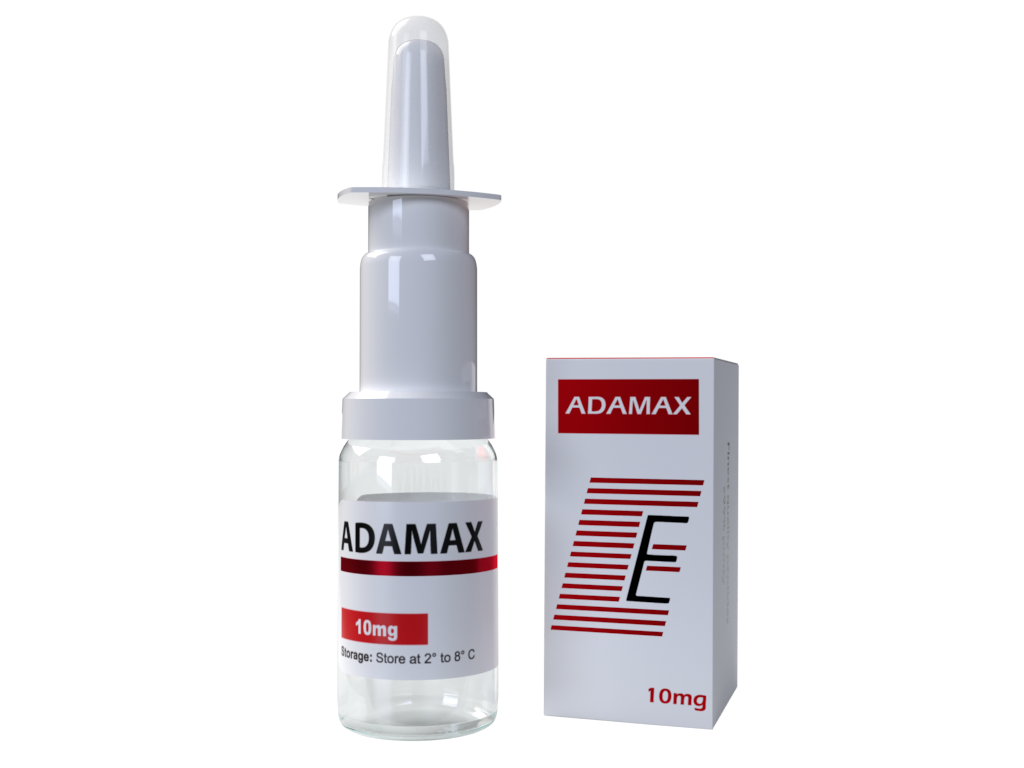
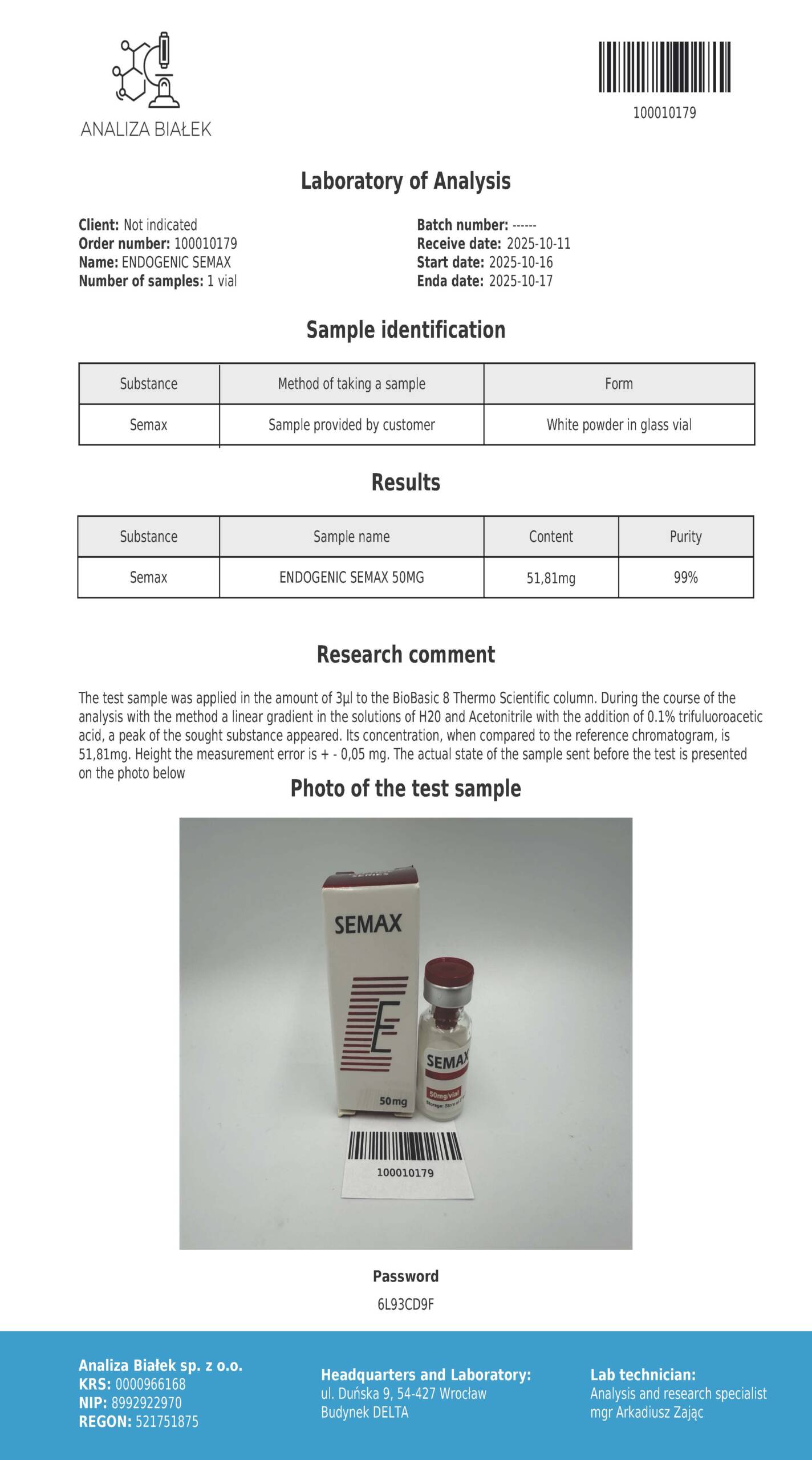
Semax (Met-Glu-His-Phe-Pro-Gly-Pro) is used in Russia to treat ischaemic stroke. In a rat model of transient middle cerebral artery occlusion, it lowered levels of proteins associated with inflammation and cell death (MMP-9, c-Fos, active JNK kinase). At the same time it raised levels of active CREB, a factor associated with regeneration, in subcortical structures (Sudarkina et al., 2021). In this category Semax is available in a vial and in a nasal spray kit (Semax spray), and its derivatives as N-acetyl Semax 50mg, N-acetyl Semax spray and Adamax 10mg.
Emoxypine succinate, present in this category as Mexi (Emoxypine), is an antioxidant from the 3-hydroxypyridine derivative group, authorised as a medicine in Russia. In rats with chronic cerebral ischaemia, Cortagen, like the medicine Cortexin®, accelerated the recovery of disrupted behaviour patterns and inhibited excessive lipid peroxidation in brain tissue (Zarubina and Shabanov, 2011). In this category it is available in a vial (Cortagen 20mg).
ARA-290 peptide was designed on the basis of the structure of erythropoietin but does not affect haematopoiesis. In a phase 2 trial in patients with type 2 diabetes and painful neuropathy, it reduced neuropathic symptoms and improved glycated haemoglobin. In some patients it also increased corneal nerve fibre density (Brines et al., 2015).
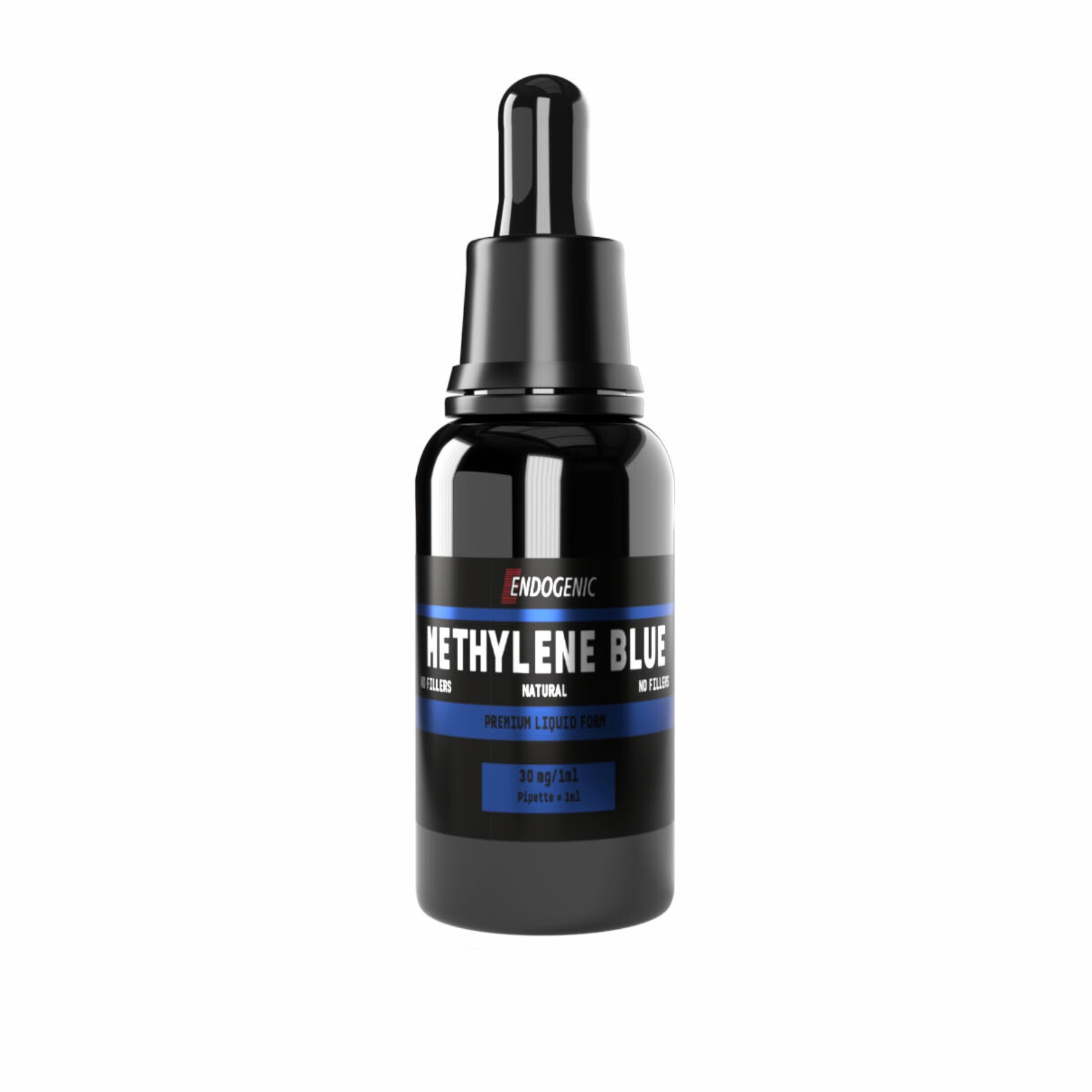
In a randomised study of 26 healthy people, a single low dose of methylene blue increased cortical activity on functional MRI during attention and short-term memory tasks. The number of correct responses in memory retrieval rose by 7% (Rodriguez et al., 2016). The same compound is a potent monoamine oxidase A inhibitor, which explains cases of serotonin toxicity in people treated with SSRIs (Ramsay et al., 2007). In this category it is available as a 30 mg/ml solution (Methylene Blue 30mg), a preparation for adults (21+).
NMN (nicotinamide mononucleotide) is a precursor of NAD+. Given to 24-month-old mice for two weeks, it restored the coupling of cerebral blood flow to neuronal activity and improved spatial working memory (Tarantini et al., 2019). In this category it is available as Nicotinamide Mononucleotide 500mg, a preparation for adults (21+). Meldronat contains meldonium, an analogue of gamma-butyrobetaine, from which the body makes carnitine.
The category also includes Epithalon and N-acetyl Epithalon (in vials, a pen and a nasal spray), MIF-1, ACTH 1-39 and ARG-BPC-157 spray. These compounds are profiled by family in the brain area.
Safety: interactions and dependence
Methylene blue and 9-MBC inhibit monoamine oxidase A; in cell cultures, 9-MBC did so even at micromolar concentrations (Keller et al., 2020). MAO-A inhibition combined with serotonergic medicines carries a risk of serotonin toxicity. Phenibut withdrawal symptoms can appear as early as two hours after the last dose. In a review of 25 case reports of the withdrawal syndrome, 44% of patients were treated in intensive care and 24% required intubation (Feldman et al., 2023). The RUO reagents in this category are not intended for use in humans; the contraindications of the 21+ preparations and dietary supplements are given on the product page.
The available data do not show this. Most results come from animal models. In the clinical trials described in this category, effects were inconclusive or did not differ from placebo: NSI-189 did not improve the primary depression endpoint, and sulbutiamine did not reduce fatigue. RUO reagents are for laboratory research only. What nootropics are and where the evidence ends is discussed in the guide to nootropic substances.
It calls for caution. The journal that published the work of the laboratory that developed Dihexa retracted the paper on its mechanism and added an expression of concern to the paper on its pro-cognitive action. The independent results come from mouse models, and the reagent’s identity is confirmed by the batch COA.
Human studies exist for methylene blue (fMRI in 26 healthy people), NSI-189 and ARA-290 (phase 2 trials in depression and diabetic neuropathy) and sulbutiamine (a trial in chronic fatigue). Clinical trials have also been conducted with huperzine A (in Alzheimer’s disease, of low quality), Selank (a comparison with a benzodiazepine) and phenibut (in Eastern Europe). Oxytocin has been studied many times, usually in trials that were too small, and Semax is used in Russia for ischaemic stroke. The other compounds are described here on the basis of animal models and cell cultures.
The range is the same; what differs is how it is organised. The brain area groups products by compound family, while this category groups them by the functions studied: memory, attention, the stress response, neuroprotection and nerve cell energetics.
Mostly not. Bromantane, fladrafinil and fonturacetam are prohibited in competition (S6.A), and meldonium, ACTH 1-39 and ARA-290 at all times (S4.4.3 and S2). Compounds without authorisation, including Dihexa, P21, NSI-189 and the Semax and Selank derivatives, belong to class S0. Semax, Selank, phenibut, oxytocin and several other authorised medicines have no class on the 2026 List, which future editions of the List may change.